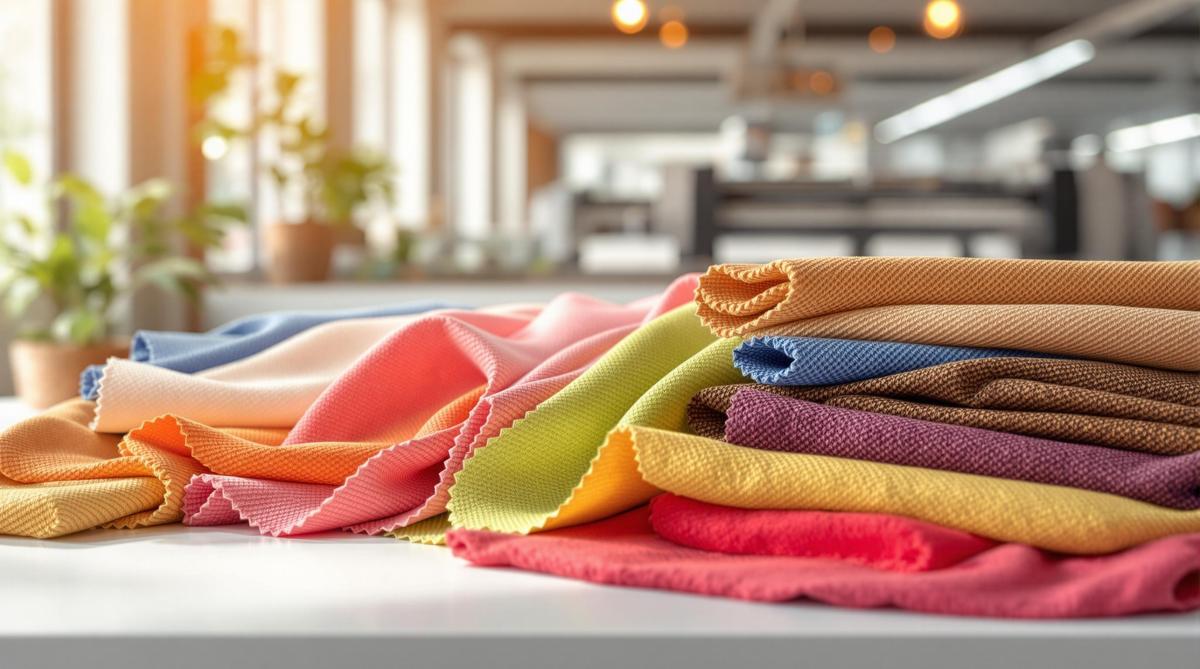
Fire-resistant fabrics are crucial for printed materials in safety-conscious environments. They resist ignition and self-extinguish, making them ideal for banners, safety gear, and decor in high-risk areas. Here’s what you need to know:
-
Types:
- Inherently Fire-Resistant (IFR): Built-in fire resistance that lasts a lifetime.
- Chemically Treated: Requires regular retreatment to maintain protection.
-
Key Features:
- Durability: IFR fabrics are long-lasting, while treated ones lose effectiveness over time.
- Print Compatibility: Polyester works well with dye sublimation for vibrant, durable results.
- Safety Standards: Must meet NFPA 701 compliance for fire resistance.
-
Applications:
- Events: Stage curtains, backdrops, and partitions.
- Safety Equipment: Labels and vests for hazardous environments.
- Decor: Upholstery, acoustic panels, and custom designs.
-
New Developments:
- Recycled polyester and plant-based flame retardants offer eco-friendly options.
- Nano-engineered coatings enhance fire resistance while maintaining print quality.
Quick Comparison
| Feature | IFR Fabrics | Chemically Treated Fabrics |
|---|---|---|
| Durability | Lifetime fire resistance | Requires regular retreatment |
| Print Compatibility | Excellent | May impact ink reception |
| Cost | Higher upfront | Cheaper initially, higher upkeep |
| Washing Impact | No loss of properties | Loses up to 75% effectiveness after 50 washes |
For safety, durability, and print quality, IFR fabrics are the go-to choice, especially for long-term applications.
What is Flame Resistant (FR) Fabric?
Key Features of Fire-Resistant Fabrics
Knowing the key traits of fire-resistant fabrics can guide you in picking the right material for your printing needs. These fabrics are engineered to resist ignition, slow down fire spread, and maintain high print quality.
Built-in vs. Chemical Fire Resistance
| Feature | Inherently Fire-Resistant (IFR) | Chemically Treated |
|---|---|---|
| Durability | Fire resistance lasts a lifetime | Needs regular re-treatment |
| Print Compatibility | Excellent ink adhesion | Ink reception may be impacted |
| Washing Impact | Properties remain intact | Loses up to 75% effectiveness after 50 washes |
| Cost Structure | Higher initial cost | Cheaper upfront, but higher upkeep costs |
Aramid fibers, such as Kevlar, are a great choice for printed safety gear that requires frequent washing. They retain their protective qualities even after multiple washes[1][3][4].
Safety Standards and Testing
Fire-resistant fabrics undergo strict testing to meet safety benchmarks for printed materials. The NFPA 701 standard is widely used, requiring materials to self-extinguish within 2 seconds after the flame is removed and limiting char length to under 6.5 inches[6][4].
Tests focus on factors like flame spread rate, ignition temperature (fire-resistant fabrics can withstand over 600°C[1][2]), toxic emissions, and the ability to self-extinguish.
Recent advancements include nano-engineered coatings that enhance fire protection while keeping the fabric’s texture intact. Some of these coatings are eco-friendly, using materials like chitosan derived from crustacean shells, and they work well with printing processes[2][4].
Common Fire-Resistant Printing Fabrics
These fabric types align with the resistance mechanisms discussed earlier, each designed for specific printing needs.
Polyester Materials
Polyester-based fabrics, especially modified versions, are widely used in fire-resistant printing. They stand out for their durability and compatibility with dye sublimation printing, which produces bold, long-lasting colors while retaining protective qualities. This makes them a top choice for dye sublimation projects.
| Property | Performance |
|---|---|
| Temperature Resistance | Up to 260°C |
| Print Method Compatibility | Excellent with dye sublimation |
| Color Retention | High vibrancy and fastness |
| Best Applications | Exhibition displays, event backdrops, banners |
Aramid Fabrics
Aramid fabrics, such as Kevlar and Nomex, represent the high-performance end of fire-resistant materials. Known for their outstanding heat resistance and strength – five times stronger than steel [5] – these fabrics are ideal for demanding applications. Although they require specialized printing techniques, their durability makes them perfect for safety equipment and other critical uses.
Coated Fire-Resistant Fabrics
Coated fabrics use a blend of polyester and cotton treated with fire-retardant chemicals. While they offer reliable initial protection, their fire-resistant properties may diminish over time and often require retreatment after multiple washes [4].
Eco-friendly coatings are now available, using halogen-free retardants that maintain print compatibility while addressing environmental concerns [2].
Tips for working with coated fabrics:
- Use water-based inks for better results.
- Test fabric samples before starting production.
- Perform regular checks to ensure the coating’s effectiveness.
sbb-itb-ce53437
Printing Methods for Fire-Resistant Materials
These printing techniques ensure both high-quality results and adherence to safety standards. The choice of method depends on the type of fabric and its intended use.
Dye Sublimation Process
Dye sublimation operates at temperatures between 380-420°F (193-216°C) for 35-55 seconds [3]. During this process, dyes are transformed into gas and bond directly with fabric fibers. This approach works well with polyester, as it aligns with the material’s heat resistance and maintains NFPA 701 compliance.
Screen Printing Methods
For fabrics treated with specialized coatings, such as eco-friendly finishes, screen printing involves:
- Using inks compatible with fire-resistant materials
- Curing at controlled temperatures
- Conducting flammability tests after production
Direct Fabric Printing
Digital printing methods, enhanced by nano-engineered coatings, allow direct application on fire-resistant fabrics. Key steps include:
- Pre-treating fabrics to improve ink adhesion
- Using pigment-based inks designed for fire-resistant materials
- Verifying safety compliance through mandatory testing
Manufacturers emphasize testing printed samples before large-scale production to ensure both print quality and fire-resistant properties [7]. Digital printing is particularly useful for custom designs and small-batch orders.
Uses and Markets
Fire-resistant fabrics, enhanced with advanced printing methods, play an essential role in three main industries:
Events and Displays
Fire-resistant printed fabrics are a staple in trade shows, exhibitions, and entertainment venues. They help create visually appealing yet safe environments. Key applications include:
| Application | Use Case |
|---|---|
| Stage Curtains | Theaters, concert venues |
| Exhibition Booths | Trade shows, conventions |
| Backdrop Displays | Corporate events, museums |
| Temporary Partitions | Compliance with safety rules |
Museums often use these fabrics in large-scale displays, showing how fire resistance can be maintained without compromising design or print quality[3].
Safety Equipment and Labels
Industries requiring high safety standards depend on materials that combine fire resistance with durability. For instance, high-visibility safety vests now incorporate fire-resistant fibers that withstand repeated industrial washes while keeping printed details clear[5].
In hazardous environments, Kevlar-based fabrics are used for equipment labels. These materials ensure safety information remains readable even under extreme conditions[1].
Building and Decor
In commercial spaces, fire-resistant fabrics are used in decorative elements while adhering to strict building codes. Hotels, hospitals, and public buildings benefit from these fabrics’ ability to provide safety without sacrificing customization[9].
Examples of modern uses include:
- Acoustic Panels: Printed panels that combine sound absorption with artistic visuals
- Smart Textiles: Fabrics with integrated LED safety features, customized through printing
- Interior Elements: Fire-resistant upholstery with custom designs
New Developments
Recent advancements in materials are addressing fire resistance while considering environmental priorities.
Recycled Materials
ECOPET®FR fabric, made from recycled PET bottles, achieves the UL94 V-0 fire safety rating with 32% fewer emissions. It also features coatings that improve ink adhesion for digital printing[8]. These coatings not only enhance ink absorption but also maintain the fabric’s flame-retardant properties, meeting strict fire safety standards[6].
Natural Fire Retardants
"Compounds extracted from seaweed and spinach have demonstrated flame-retardant properties comparable to some synthetic alternatives"[3].
New options include:
- DNA-based treatments for cotton fabrics[5]
- Graphene-based coatings that improve fire resistance while keeping fabrics breathable[10]
- Phosphorus-based solutions with a smaller environmental footprint[3]
Water-based inks now pair effectively with these bio-based fire retardants, making digital printing safer for custom designs[1]. These advancements are influencing printing processes, requiring updated compliance checks when selecting materials.
Selection Guide
Picking the right fire-resistant fabric for printing involves balancing safety standards with the desired print quality. To make the best choice, focus on the specific application and ensure compliance with safety regulations.
For indoor displays like trade show booths or event backdrops, inherently fire-resistant polyester fabrics work well. These fabrics pair effectively with dye sublimation printing, offering excellent quality and long-term cost savings[3].
| Application | Recommended Fabric | Printing Method |
|---|---|---|
| Safety Labels | Aramid (Nomex/Kevlar) | Direct fabric printing |
| Banners | FR-treated polyester | Dye sublimation |
These suggestions align with the material properties and printing techniques discussed in earlier sections.
When dealing with safety equipment labels (explored in section 4), opt for inherently fire-resistant fabrics that self-extinguish within 2 seconds of ignition[3]. While these materials may have higher upfront costs, they save money over time by removing the need for chemical retreatments.
Specialized print services, such as Miro Printing & Graphics Inc., can guide you in choosing materials that deliver the right visual results while ensuring fire resistance, as highlighted in the section on modern printing techniques.
Key Considerations for Material Selection:
- Environment: Determine if the material will be used indoors or outdoors.
- Certifications: Confirm that the fabric meets required safety standards.
- Compatibility: Ensure the fabric suits your chosen printing method.
For outdoor applications, silicone-coated fabrics are ideal. They maintain print vibrancy while offering reliable fire resistance[1].
Related Blog Posts
- How to Choose Cost-Effective Printing Materials
- Troubleshooting Surface Coating Defects in Printing
- How to Choose the Right Paper for Custom Prints
- Foil Stamping vs Metallic Ink: Key Differences
https://app.seobotai.com/banner/banner.js?id=67b2caeb5a615c2345d7da15
 BergenCountyPrintersBlogs