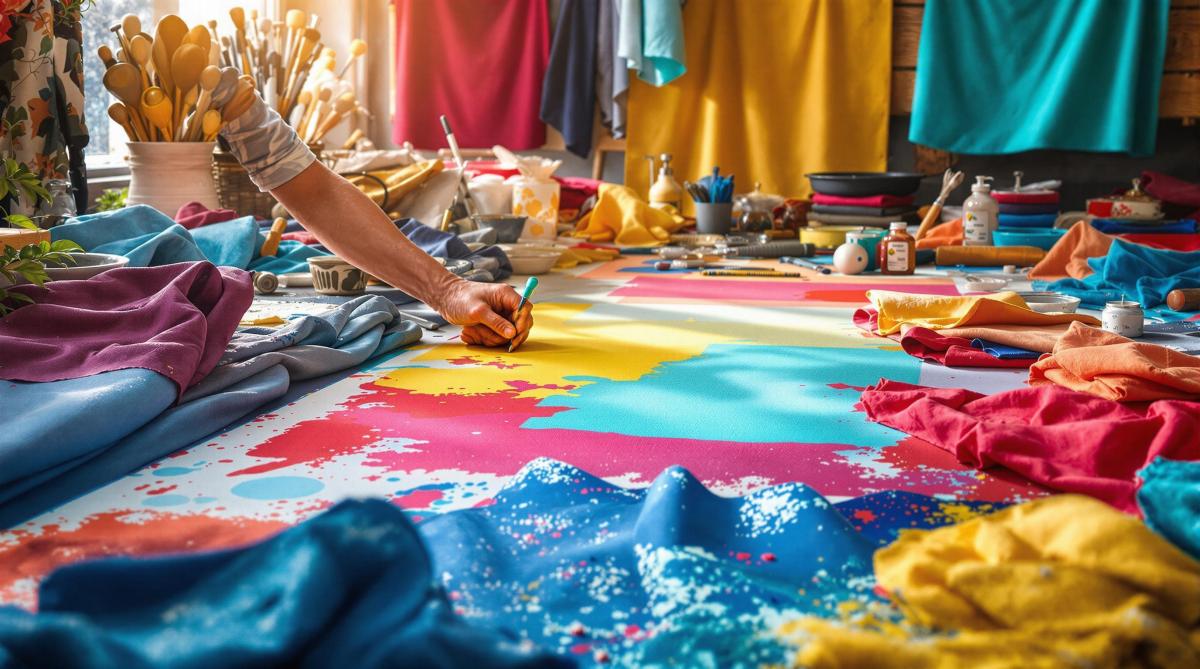
Fabric coatings are the secret to durable, vibrant, and high-quality textile prints. They regulate ink absorption, enhance colors, prevent bleeding, and protect fabrics from wear and environmental factors. Whether you’re printing t-shirts, banners, or upholstery, choosing the right coating makes all the difference. Here’s a quick overview:
- Types of Coatings: Water-based (eco-friendly, soft feel), solvent-based (durable, weather-resistant), UV-cure (fast drying, glossy finish), and specialty coatings (fire-retardant, anti-microbial, weather-resistant).
- Application Methods: Knife (precise), roller (high-speed), spray (textured fabrics), and screen (patterns).
- Fabric Compatibility: Match coatings to fabric types like cotton, polyester, nylon, or blends for optimal results.
- Usage & Printing Needs: Consider environmental exposure, durability, and print method compatibility (digital, screen, heat transfer).
Proper preparation, controlled work environments, and drying techniques ensure success. For eco-conscious options, water-based coatings are leading the way. Ready to elevate your textile printing? Let’s dive in.
Printing on Fabric: Coated and Uncoated | HP Latex | HP …

Main Coating Types
Fabric coatings are tailored to meet different printing needs. Here’s a breakdown of the main types, their strengths, and best uses.
Water-Based Coatings
Water-based coatings are a common choice for digital textile printing. Made with polymers dispersed in water, they are known for being less toxic and easy to clean up.
Some key benefits include:
- Low VOC emissions
- Vivid color output
- Soft fabric feel
- Wash resistance
These coatings are suitable for cotton, polyester, and cotton-poly blends, making them perfect for digital printing where precise ink absorption is critical.
Solvent-Based Coatings
Solvent-based coatings are known for their durability and resistance to chemicals. They bond tightly to fabric fibers, creating a tough and long-lasting print surface.
Key features include:
- Quick drying
- Strong adhesion
- High resistance to weather
- Excellent color fastness
These are the go-to option for outdoor materials and industrial textiles that need to withstand harsh conditions.
UV-Cure Coatings
UV-cure coatings are high-performance solutions that set instantly when exposed to ultraviolet light. They offer:
- Instant curing for faster production
- Zero VOCs for safer use
- A glossy finish for enhanced visuals
- Chemical resistance for longer product life
Best suited for high-speed production lines, these coatings are ideal when quick turnaround times are required.
Specialty Coatings
For specific needs, there are specialized coatings designed to deliver targeted results:
- Fire-Retardant Coatings: Comply with safety regulations for public and industrial spaces while keeping fabrics breathable.
- Anti-Microbial Coatings: Used in medical textiles and sportswear to prevent bacteria and odors.
- Weather-Resistant Coatings: Shield fabrics from UV rays, water, temperature changes, and mold.
At Miro Printing & Graphics Inc., we choose coatings based on the unique demands of each project, ensuring top-notch print quality and long-lasting results for every application.
Coating Application Methods
Choosing the right coating technique can make a big difference, depending on the type of fabric and the printing requirements. Here’s a breakdown of the main methods to help you decide.
Knife Application
Also called blade coating, this method offers precise control over how thick the coating is applied. A sharp blade spreads the coating evenly across the fabric, making it a go-to for accuracy.
Key details about knife application:
- Coating thickness: 0.001 to 0.040 inches
- Excellent edge control
- Minimal waste
- Works for both lightweight and heavy fabrics
The blade’s angle matters – a 15° angle gives shallow penetration, while a 45° angle allows for deeper absorption.
Roller Methods
Roller coating systems are built for speed, making them ideal for large-scale operations. This method uses three rollers: one applies the coating, another controls thickness, and the third ensures consistent pressure.
- Speeds range from 10 to 100 yards per minute, depending on the coating’s viscosity and the type of fabric.
- Perfect for high-output production.
Spray Techniques
Spray coating is great for fabrics with textures or irregular surfaces. It atomizes the coating into fine particles, ensuring even coverage.
Tips for spray application:
- Keep the nozzle 8–12 inches from the surface.
- Use a pressure setting between 25–45 PSI.
- Move at a steady speed of 2–3 feet per second.
- Overlap each pass by 50% for consistent coverage.
Screen Methods
Screen coating is ideal for applying patterns or achieving consistent coverage. A mesh screen controls where and how the coating is applied.
Specifications for screen coating:
- Mesh count: 80–230 threads per inch
- Screen tension: Around 22–36 psi
- Squeegee angle: 75° for the best transfer
- Stroke speed: 1.5–2.5 feet per second
This method is excellent for creating textured effects and precise patterns.
| Application Method | Speed (yards/min) | Coating Thickness Control | Pattern Capability | Best For |
|---|---|---|---|---|
| Knife | 5–30 | Excellent | Limited | Uniform coverage |
| Roller | 10–100 | Good | None | High-volume production |
| Spray | 40–60 | Fair | Good | Textured fabrics |
| Screen | 30–50 | Excellent | Excellent | Patterned applications |
At Miro Printing & Graphics Inc., we tailor these techniques to meet the needs of each project, ensuring the best results for every job.
Selecting Your Coating
Fabric and Coating Matches
Choosing the right coating for your fabric is all about compatibility. Natural fibers usually work best with water-based coatings, while synthetic fabrics often need solvent-based options.
| Fabric Type | Recommended Coating | Advantages | Key Considerations |
|---|---|---|---|
| Cotton | Water-based acrylic | Breathable, soft finish | Pre-treatment needed for heavy inks |
| Polyester | Solvent-based urethane | Durable, resistant to washing | Requires higher curing temperatures |
| Nylon | UV-curable | Quick processing, glossy finish | Adhesion promoter may be required |
| Silk | Water-based protein | Preserves drape | Sensitive to curing temperatures |
| Blended fabrics | Hybrid coatings | Flexible performance | Test on samples before use |
Once you’ve matched the coating to the fabric, think about how it will be used.
Usage Requirements
Pick a coating that suits the intended application:
-
Environmental Exposure
- Indoor: Standard water-based coatings
- Outdoor: UV-resistant coatings
- High-moisture areas: Waterproof coatings
-
Durability Needs
- Light use: Basic protective coatings
- Heavy wear: Reinforced polymer options
- Industrial: Chemical-resistant formulations
- Regulatory Compliance
After narrowing down your options, confirm that the coating works with your chosen printing method.
Print Method Compatibility
The coating must align with your printing process to ensure smooth application and lasting results.
| Printing Method | Compatible Coating Types | Thickness (mils) | Cure Temperature (°F) |
|---|---|---|---|
| Digital inkjet | Microporous receptive | 1.0-2.0 | 140-160 |
| Screen printing | High-solid content | 2.5-4.0 | 250-300 |
| Heat transfer | Heat-resistant polymer | 1.5-2.5 | 330-350 |
| Direct-to-fabric | Quick-dry receptive | 0.5-1.5 | 180-200 |
Pay attention to coating viscosity, drying speed, surface energy, and color retention to ensure compatibility with your printer’s specifications.
At Miro Printing & Graphics Inc., we take the time to evaluate these factors to deliver the ideal coating for every project.
sbb-itb-ce53437
Best Practices for Coating Success
Fabric Preparation Steps
Getting the fabric ready is crucial for good adhesion and print quality. Start by cleaning the fabric to get rid of oils, dirt, and sizing. Always follow the supplier’s instructions to ensure the surface is evenly prepared.
| Preparation Step | Method | Key Considerations |
|---|---|---|
| Pre-washing | Warm water wash | Stick to the recommended water temperature and pH levels for the fabric |
| Surface Treatment | Corona/plasma treatment | Boosts the fabric’s surface energy for better coating adhesion |
| Drying | Forced air circulation | Removes excess moisture effectively |
| Heat Setting | Calendar pressing | Follow temperature and pressure guidelines from the manufacturer |
A well-prepared fabric ensures smoother and more predictable coating results.
Work Environment Control
A stable work environment is essential for consistent coating performance. Keep the workspace at steady temperature and humidity levels as specified by the coating manufacturer. Use air filtration systems to minimize dust and other contaminants, which can affect the coating’s quality.
| Environmental Factor | Recommendation | Impact on Coating |
|---|---|---|
| Temperature | Maintain a steady, recommended level | Affects coating flow and viscosity |
| Humidity | Keep within optimal ranges | Ensures consistent drying rates |
| Air Quality | Use proper air filtration systems | Prevents contamination |
| Lighting | Use appropriate lighting | Protects coatings from excessive UV exposure |
By controlling these factors, you’ll ensure a cleaner and more reliable coating process.
Proper Drying Methods
The drying process should match the type of coating you’re using. Let the coating settle before starting to dry. For water-based, solvent-based, or UV-cure coatings, follow the recommended settings for temperature, time, and airflow. Finish with a gradual cool-down to reduce tension and secure the final finish. Use an infrared thermometer to monitor conditions and avoid overheating.
Problem-Solving Guide
Once fabrics are prepared and the coating is applied, addressing common issues becomes a key step to achieving the desired results.
Fixing Poor Adhesion
If the coating doesn’t stick well, check the fabric pre-treatment process and consider using an adhesion promoter. When in doubt, reach out to printing experts for advice. These steps help improve adhesion and ensure better print quality.
Coating Coverage Issues
To fix uneven coating, examine variables like speed, pressure, and environmental conditions. Adjust these settings based on the fabric type and coating requirements to achieve consistent coverage.
Preventing Coating Damage
Proper handling and storage are essential to protect coated fabrics. Use strict handling protocols, maintain controlled environments, and take extra care during transportation. These precautions help preserve the coating and prevent damage.
Color Management
Use a reliable color management system to keep colors consistent. Test small swatches and make adjustments as needed. Regularly calibrate equipment and monitor the process to ensure accurate color reproduction across all materials.
At Miro Printing & Graphics Inc., advanced quality control systems help maintain coating consistency and precise color output for every project.
New Developments
Advancements in coating technologies are introducing options that prioritize both performance and eco-conscious practices.
Eco-Friendly Coating Solutions
The push for greener solutions has led to the rise of environmentally conscious fabric coatings. For instance, water-based formulations are now widely used to cut down on VOC emissions while still delivering excellent print quality. These coatings incorporate natural polymers and biodegradable materials, helping to lessen their impact on the environment.
At Miro Printing & Graphics Inc., we’ve embraced these advancements, offering high-quality prints that align with eco-conscious principles.
Conclusion
Fabric coatings play a key role in achieving high print quality and durability. The following insights can guide your coating choices for better, long-lasting results.
Quick Reference Guide
Here are some important factors to consider when selecting a coating:
| Consideration | Key Points |
|---|---|
| Fabric Type | Ensure the coating is compatible with the specific fabric’s properties. |
| Print Method | Verify the coating supports digital, offset, or large format printing. |
| Eco-Friendly Options | Look into water-based or other environmentally conscious alternatives. |
| Application Method | Decide between knife, roller, spray, or screen techniques. |
| Drying Needs | Factor in the required curing time and conditions for the coating. |
This guide highlights the essentials, but expert advice can help bring these considerations to life.
Miro Printing & Graphics Inc. Services
Miro Printing & Graphics Inc. offers advanced fabric printing solutions tailored to meet diverse needs. From their Hackensack, NJ location, they handle everything in-house, including custom projects, bindery, and specialized coating applications.
"With meticulous attention to detail, our print shop has a customized approach that is unmatched by big online printing companies or franchises." – Miro Printing & Graphics Inc.
Their customers consistently share positive feedback. For instance, Julia I. shared:
"Mike and his team completed a complex job in record time for a very reasonable price. I’d approached numerous printers about this job with no success, but these guys just made it work and were super easy to deal with."
Related Blog Posts
- Types of Paper Finishes for Printing
- Troubleshooting Surface Coating Defects in Printing
- Fire-Resistant Fabrics for Printing: Types and Uses
- Substrate Selection for Digital Printing
https://app.seobotai.com/banner/banner.js?id=67dce2d983b63ee70fa0d889
 BergenCountyPrintersBlogs