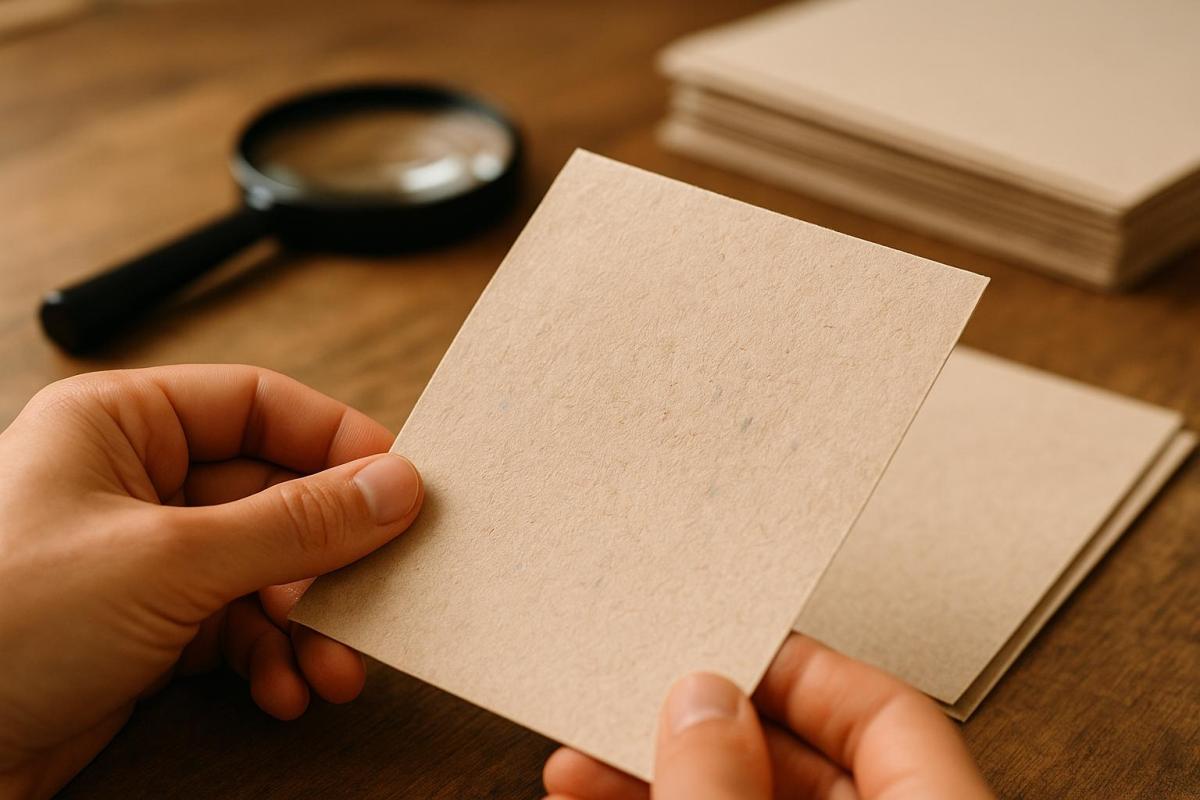
Recycled paper quality depends on five key factors: fiber strength, ink removal, contaminant control, moisture levels, and brightness.
- Fiber Strength: Recycled fibers weaken with each reuse, typically lasting 5–7 cycles. Additives can improve strength, but virgin fibers remain stronger.
- Ink Removal: Effective deinking ensures clean, printable pulp. Methods like flotation and washing target different ink particle sizes, while enzymatic processes offer eco-friendly options.
- Contaminant Control: Plastics, adhesives, and food waste disrupt recycling. Advanced sorting and adhesive technologies reduce these issues.
- Moisture Levels: Proper humidity (40–50% RH) prevents brittleness, mold, and fiber damage. Storage and acclimation are critical.
- Brightness: Recycled paper often needs bleaching for brightness. Eco-friendly methods like TCF (Totally Chlorine-Free) balance aesthetics with reduced pollution.
Quick Comparison Table
| Factor | Key Issue | Solution/Best Practice |
|---|---|---|
| Fiber Strength | Weakening after reuse | Use additives; mix with virgin fibers |
| Ink Removal | Residual ink affects quality | Flotation, washing, or enzymatic methods |
| Contaminants | Plastics, adhesives, food waste | Advanced sorting; recycling-compatible adhesives |
| Moisture Levels | Brittleness or mold | Maintain 40–50% RH; proper storage |
| Brightness | Dull appearance | TCF bleaching; match brightness to use |
Understanding these factors ensures high-quality recycled paper for printing and packaging while reducing waste and conserving resources.
Paper Recycling: Market Deinked Pulp: A Tour of a Paper Recycling Facility with Dr. Richard Venditti
1. Fiber Strength and Condition
The quality of recycled paper hinges on the strength and condition of its fibers. Each time paper is recycled, the fibers become shorter and weaker, leading to a gradual decline in durability. This natural wear and tear is at the heart of the challenges in maintaining recycled paper quality.
Virgin fibers, which are longer and stronger than recycled ones, set the benchmark for durability. However, during recycling, the process of wetting, tearing, and re-drying damages cellulose fibers, shortening them and reducing their strength. This phenomenon, known as hornification, also decreases the fibers’ flexibility and swelling capacity, weakening the bonds between them. As David A. Kelly, a former expert in Pulp & Paper Technical & Operations Management, explains:
"Every time you wet, tear apart and re-dry cellulose fibers, bits break and they get shorter. Once-dried fibers do not bond the same the second time and are weaker."
Longer fibers are better at distributing stress, which enhances tear resistance. In contrast, the shorter fibers in recycled paper reduce both its durability and absorbency.
Typically, fibers can endure five to seven recycling cycles before they lose their structural integrity, though some advancements suggest they may last up to 25 cycles. Despite these improvements, many sources agree that fibers often don’t survive beyond five cycles without significant degradation.
The higher the recycled content in paper, the weaker the bonds between fibers, which directly impacts mechanical strength. This is why virgin fiber paperboards can often achieve equal or better performance at lower weights compared to recycled fiber containers.
To counteract the weakening of recycled fibers, manufacturers use paper strength agents that improve fiber bonding. These additives help close the performance gap between papers made with virgin and recycled fibers.
At Miro Printing & Graphics Inc., choosing the right grade of recycled paper is key for achieving the best results in digital, offset, and large-format printing. Each application has unique demands, so matching the paper grade to the task ensures high-quality output without sacrificing durability.
2. Ink Removal Process Quality
Deinking is the process of transforming wastepaper into clean pulp by removing printing ink from paper fibers. This clean, deinked pulp then becomes the foundation for creating new paper products. The quality of this step is critical – it directly impacts how bright, clean, and printable the final recycled paper will be, which is essential for high-quality printing.
"Wastepaper recycling removes ink and contaminants while preserving fiber properties."
Deinking involves a combination of mechanical and chemical methods. The process typically includes pulping the paper, cleaning it, separating ink through flotation or washing, and sometimes applying bleaching to enhance brightness.
The technology used for deinking depends largely on the type of paper being recycled and its intended application. Flotation deinking is particularly effective for removing larger ink particles (over 10 μm), making it suitable for graphic papers, newsprint, and magazines. On the other hand, wash deinking is designed to capture smaller particles (under 30 μm), which makes it ideal for producing hygiene papers.
| Deinking Method | Ink Particle Size Removed | Best Applications |
|---|---|---|
| Flotation | Larger than 10 μm | Graphic papers, newsprint, magazines |
| Washing | Smaller than 30 μm | Hygiene papers |
Many modern deinking facilities use a combination of flotation and washing to maximize efficiency. As Martin Fairbank, Ph.D., an Independent Consultant, explains:
"Most deinking mills today use a combination of flotation and washing in order to remove a wide range of ink particle sizes."
Another emerging method is enzymatic deinking, which uses enzymes like lipases and cellulases to break down ink particles naturally. This approach reduces the reliance on harsh chemicals. Studies comparing enzymatic and chemical deinking have shown promising results: enzymatic deinking improved pulp freeness by 18.30% and reduced dirt count by 32.60%. It also enhanced physical strength properties, with a 16.07% increase in burst index, a 14.54% rise in tensile index, and an 8.57% boost in double fold numbers.
The efficiency of deinking not only affects the cleanliness of the recycled pulp but also its performance in printing. For instance, recycled paper made from laser-printed materials tends to have higher brightness and luminosity compared to paper recycled from inkjet sources. This is particularly important for professional printing, where color accuracy and brightness are key to achieving high-quality results.
Deinking quality factors, such as fiber condition, play a major role in determining the overall performance of recycled paper. High-quality deinking enhances print clarity and consistency, which is vital for projects requiring precision, such as offset printing or large-format runs. At Miro Printing & Graphics Inc., understanding these differences allows for selecting the best recycled paper grades to meet specific project needs, ensuring top-notch output and customer satisfaction.
Beyond print quality, the environmental advantages of deinking are considerable. Recycling wastepaper with efficient deinking processes uses 28–60% less energy compared to producing paper from virgin fibers. This makes it an economical and environmentally friendly choice for printing operations.
3. Contaminant Control and Removal
Contaminants can severely affect the quality of recycled paper by damaging equipment, creating hazardous conditions, and reducing the value of the final product. To produce high-quality recycled paper, it’s essential to understand and manage these materials effectively.
Some of the most common contaminants include plastics, food waste, brightly colored paper, and hazardous substances. Among these, plastic bags are particularly troublesome and are often labeled the worst offenders in recycling contamination. Recent research has also revealed even more complex challenges posed by contaminants.
For example, a study conducted in Cape Town, South Africa, uncovered pharmaceutical compounds in recycled paper products. These included dexamethasone, ketoprofen, 17β-estradiol (as high as 697.49 ng/g), and carbamazepine (13.02 ng/g). Such findings highlight the need for advanced contaminant control strategies.
Adhesive contamination is another major issue. Traditional pressure-sensitive adhesives break down during the pulping process, forming tiny particles known as “stickies.” These stickies are not just a nuisance – they cost the paper industry an estimated $850 million annually. A more effective solution lies in Recycling Compatible Adhesives (RCAs). Unlike conventional adhesives, RCAs resist breaking into small particles and remain large enough to be removed through screening and flotation. Lab tests have shown that over 99% of RCAs can be successfully extracted using these methods.
| Contaminant Type | Impact on Quality | Removal Method |
|---|---|---|
| Plastic bags | Equipment damage, processing disruptions | Manual sorting, screening |
| Food waste | Bacterial growth, odors, quality degradation | Cleaning, washing |
| Conventional adhesives | Stickies formation; costs companies $850M/year | Screening, flotation |
The scale of the problem becomes even clearer when looking at broader statistics. In 2021, paper and cardboard made up 40.3% of the EU’s 84 million tonnes of packaging waste. Even seemingly minor contamination can have a domino effect – one improperly sorted item can ruin an entire batch of recyclables, sending it straight to the landfill.
To combat this, strict sorting rules and public education are critical. The recycling industry strongly discourages "wishcycling", which is the habit of tossing questionable items into recycling bins in the hope that they’ll be recyclable. This practice often leads to more contamination and disrupts the recycling process.
For businesses such as Miro Printing & Graphics Inc., understanding contaminant control is crucial when choosing recycled paper that meets quality standards. Properly managed recycled paper not only delivers better printing results and consistent color reproduction but also minimizes production challenges during offset and large-format printing.
Collaboration across the supply chain plays a vital role in tackling contamination. From manufacturers designing products with recyclability in mind to converters opting for recycling-compatible adhesives, every step contributes to producing high-quality recycled paper. This level of contaminant control is essential for meeting the demands of precision printing projects.
sbb-itb-ce53437
4. Moisture Level Control
Managing moisture levels is a key factor in maintaining the quality of recycled paper. Unlike virgin paper, recycled materials are more sensitive to humidity changes due to their weakened cellulose fibers and the absence of many protective chemical additives. This makes proper storage and monitoring essential to preserving the integrity of recycled fibers.
The consequences of poor moisture control can be severe. For example, a publishing house in Spain experienced a loss of over 40% of its recycled paper stock to mold after humidity in their warehouse exceeded 75% for three weeks. This incident led them to adopt humidity sensors and upgrade their packaging methods.
To maintain paper quality, aim for a relative humidity of 40–50% and a temperature of about 72°F. If humidity rises above 65%, the cellulose fibers can absorb moisture within just 30 seconds, causing rapid deterioration. Such fluctuations don’t just affect paper quality – they can also disrupt manufacturing. Seasonal changes in moisture levels can result in yield variations of up to 6% between summer and winter.
"Without the proper amount of moisture in the paperboard, the material will be brittle, will not fold properly into pleats, will most likely fracture and tear, and will not hold its shape." – Gralex – Thermoformers
Proper storage is critical for protecting recycled paper. Keep paper off the ground in airtight and ventilated containers, and avoid placing it near direct moisture sources. For thermoforming applications, the ideal moisture content is between 8–13%, as this range prevents brittleness and ensures strong fiber bonds.
| Moisture Level | Impact on Paper Quality | Recommended Action |
|---|---|---|
| Below 8% | Brittleness, cracking, poor folding | Gradually increase humidity |
| 8-13% | Optimal for most uses | Maintain current conditions |
| Above 60% RH | Mold growth, fiber deterioration | Use dehumidifiers |
Different printing processes also have specific moisture needs. For instance, digital printing works best at 50–55% relative humidity, offset printing requires about 55% RH in the press hall, and inkjet printing performs well at 45–50% RH. Companies like Miro Printing & Graphics Inc. rely on precise moisture control to prevent paper warping and ensure stability in multi-color printing jobs.
To monitor and manage moisture effectively, tools like hygrometers and dehumidifiers are invaluable. Always store paper in its original packaging until it’s ready for use, as these packages are designed to maintain the paper’s original moisture levels. Additionally, allowing the paper to acclimate to the printing environment for 24–48 hours minimizes the risk of sudden moisture shifts that could affect print quality.
Research indicates that most recycled paper maintains a moisture content of 10–13%, which supports recycling facilities in maintaining quality standards. However, proper handling and storage throughout the supply chain remain crucial to ensuring consistent performance.
5. Bleaching and Brightness Control
Finding the right balance between visual appeal and environmental responsibility is key when aiming for optimal brightness in recycled paper. Unlike fresh fibers, which are naturally bright, recycled paper often begins with a greyish tone due to the mix of raw materials, clays, and leftover ink. As a result, recycled paper generally requires more intensive bleaching to meet the brightness levels that consumers expect.
Brightness measures how much blue light a paper reflects, while whiteness assesses the overall light balance. For office printing, most papers fall within an ISO brightness range of 82 to 95, with anything above 90 ISO considered high-quality. Brightness plays a big role in print quality – brighter paper enhances sharpness and color vibrancy and is often linked to perceptions of cleanliness and premium quality. However, the bleaching method used to achieve this brightness can significantly impact both the environment and production costs.
Bleaching Methods and Their Impact
Choosing the right bleaching process is critical for balancing brightness goals with environmental concerns. Here’s a breakdown of common methods:
- Chlorine-based bleaching: Produces bright white paper but releases harmful pollutants like dioxins into the environment.
- Elemental chlorine-free (ECF) bleaching: Uses chlorine dioxide to reduce pollution while still achieving good brightness levels.
- Totally chlorine-free (TCF) bleaching: Relies on agents like hydrogen peroxide, ozone, or peracetic acid, making it the most eco-friendly option.
| Bleaching Method | Environmental Impact | Water Usage | Effectiveness |
|---|---|---|---|
| Chlorine-based | High pollution (dioxins) | 36.8 m³/ton | Very effective |
| ECF (Chlorine dioxide) | Moderate pollution | 32.7 m³/ton | Effective |
| TCF (Hydrogen peroxide/ozone) | Low pollution | 14% less than ECF | Good but costlier |
TCF methods stand out for their reduced environmental footprint, cutting water use by 14%, lowering effluent by 16%, and eliminating harmful AOX emissions. However, these benefits often come with higher costs and, in some cases, a slight compromise on achieving the brightest whites.
Matching Brightness to Application
Printing companies like Miro Printing & Graphics Inc. must carefully align paper brightness with specific printing needs. Whether it’s digital, offset, or large-format printing, each method has unique brightness requirements that directly affect print quality and customer satisfaction. Selecting the right paper for the job ensures consistent, high-quality results across all printing projects.
Advances in recycling technology have also made it possible to produce lighter-colored recycled paper without relying on chlorine, while still maintaining good aesthetics and whiteness. It’s important to remember that extremely high brightness isn’t always necessary – too much brightness can cause glare, making text harder to read. By choosing papers with slightly lower brightness levels, companies can reduce energy and material costs while still meeting the demands of specific printing applications.
"Effective management of paper brightness is not just about adhering to standards – it enhances paper quality. By understanding and controlling these essential attributes, you can ensure your paper not only looks better but also performs better in its intended applications." – Datacolor
Innovations and Environmental Responsibility
Eco-friendly innovations, like biopolymer strength agents and nanotechnology, are helping to improve bleaching processes while minimizing environmental harm. These advancements align with the industry’s ongoing efforts to combine high performance with responsible manufacturing practices. Certifications such as FSC and ECOLABEL further ensure that sustainable bleaching methods are used throughout the production chain.
When choosing recycled paper, it’s important to demand transparency from manufacturers about their environmental practices. Look for products that clearly trace their origins and bleaching processes. This not only ensures you’re getting a high-quality product but also supports environmentally responsible production methods. Balancing aesthetics, functionality, and sustainability is essential to maintaining the integrity and performance of recycled paper.
Conclusion
Understanding the five key factors that impact recycled paper quality – fiber strength, ink removal, contaminant control, moisture level, and brightness control – can help you make smarter choices for your printing needs. Each of these elements plays a crucial role in ensuring your final product meets professional standards while aligning with eco-conscious practices.
Recycled fibers weaken with every reuse cycle. Proper ink removal is just as important, as it determines whether the recycled pulp can meet the demands of high-quality printing. Contaminant control, which addresses issues like wax coatings and sticky residues, ensures these materials don’t interfere with your printing results. Managing moisture levels can significantly affect paper yield, with variations of up to 6% depending on seasonal changes. Lastly, brightness control through precise bleaching processes ensures the paper achieves the visual quality expected in professional applications.
Choosing high-quality recycled paper not only meets industry standards but also delivers meaningful environmental benefits. Recycling one ton of paper saves between 3,000 and 4,000 kWh of electricity – enough to power a home for nine months – and conserves about 30,000 liters (roughly 7,925 gallons) of water, while cutting greenhouse gas emissions by one metric ton of CO₂ equivalent. By focusing on recycled paper quality, you contribute to reducing waste and achieving sustainability goals.
"By improving measures of incoming paper for recycling, our mills could see increased manufacturing yields. Not only this, but our transparent reporting system will provide clear communications to customers." – Nuno Messias, waste paper manager at DS Smith Recycling Division
To make the most of recycled paper, consider the percentage of recycled content and look for certifications like the Forest Stewardship Council (FSC) to ensure responsible sourcing. Keep paper in its original packaging until you’re ready to use it to prevent moisture-related issues. Don’t hesitate to try out different recycled paper products to find the one that best suits your needs.
FAQs
How does fiber weakening affect the strength and usability of recycled paper?
Recycled paper fibers lose strength and bonding ability with each recycling cycle. Over time, this weakening limits their durability, making them unsuitable for high-strength uses unless virgin fibers are added to the mix. Generally, paper fibers can be recycled five to seven times before becoming completely unusable. Because of this, recycled paper is often reserved for lower-quality or less demanding products where strength isn’t a top priority.
What are the environmental advantages of using Totally Chlorine-Free (TCF) methods in recycled paper production?
Totally Chlorine-Free (TCF) bleaching methods bring important benefits to recycled paper production by steering clear of chlorine-based chemicals. This approach eliminates the release of harmful pollutants like dioxins – substances known to be hazardous to both human health and the environment.
Rather than relying on chlorine, TCF processes use safer alternatives like oxygen and ozone. These methods not only reduce toxic waste but also encourage cleaner manufacturing practices. Additionally, by preventing chlorine byproducts from polluting rivers and aquatic ecosystems, TCF helps maintain water quality, making it a cleaner and more responsible choice for paper production.
What steps can businesses take to minimize contaminants and improve the quality of recycled paper for printing?
To improve the quality of recycled paper for printing and reduce contaminants, businesses can follow a few practical steps. First, choose recycled paper that has undergone thorough cleaning and processing to eliminate impurities. Opt for paper with a smooth texture and good brightness levels to ensure sharp, consistent prints with even ink absorption.
Proper storage and handling also play a big role. Store recycled paper in a cool, dry area to avoid moisture-related issues like warping. Make sure the paper is compatible with your printing equipment, and regularly check printer settings to prevent problems like smudging or paper jams. By paying attention to these details, businesses can produce high-quality prints while promoting eco-friendly practices.
Related posts
- Recycled vs. Virgin Paper: Cost Breakdown
- Pre vs Post-Consumer Recycled Paper: Key Differences
- Checklist for Choosing Recycled Paper for Printing
- 5 Myths About Recycled Paper
https://app.seobotai.com/banner/banner.js?id=68311bf0d3b96619817f3f06
 BergenCountyPrintersBlogs