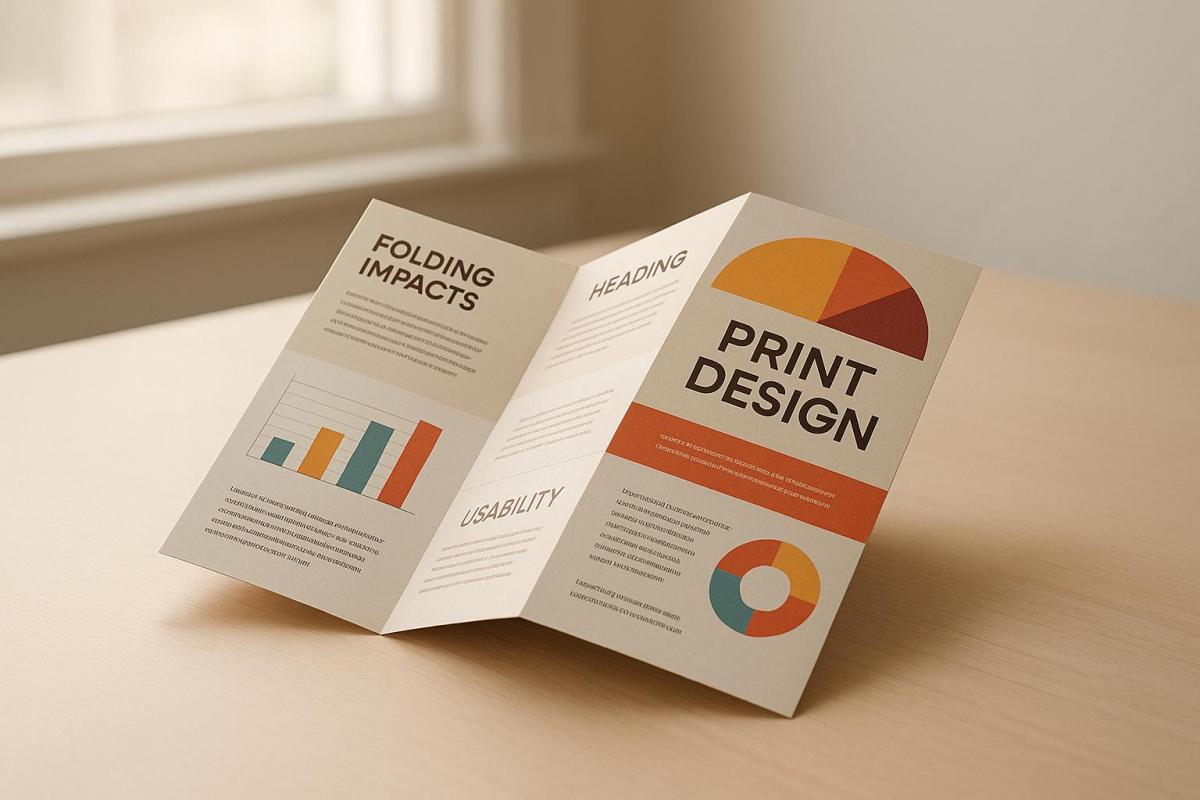
Folding isn’t just about saving space – it’s a key part of print design that affects how people interact with your materials. The right fold can guide readers through your content, create excitement, and make complex ideas easier to understand. The wrong fold? It can confuse or frustrate your audience.
Key Benefits of Folding:
- Organizes Content: Folds divide information into manageable sections, making it easier to follow.
- Enhances User Experience: Adds an interactive element and controls how content is revealed.
- Saves Space: Compact designs are easier to store and distribute.
- Boosts Visual Appeal: Clean, precise folds show professionalism and attention to detail.
Popular Folding Styles:
- Half Fold: Simple, 4 panels – great for menus or invitations.
- Tri-Fold: 6 panels, ideal for brochures or step-by-step guides.
- Z-Fold: 6 panels, perfect for comparisons or quick references.
- Gate Fold: Dramatic reveal – great for product launches or luxury designs.
- Accordion Fold: Continuous flow, best for timelines or educational materials.
Quick Comparison Table:
| Folding Style | Panels | Best For |
|---|---|---|
| Half Fold | 4 | Menus, invitations |
| Tri-Fold | 6 | Brochures, guides |
| Z-Fold | 6 | Comparisons, references |
| Gate Fold | 4 | Product launches, announcements |
| Accordion Fold | 4-6 | Timelines, educational content |
Folding isn’t just functional – it’s a design tool that can make your print materials more engaging and effective. Choose the fold that best matches your content and audience for the best results.
Understanding Imposition and Printer Spreads for Designers
Common Folding Methods and Their Uses
Understanding how different folding techniques align with your project goals can help you create engaging and effective materials. Each fold not only shapes the user experience but also determines how content is communicated.
Popular Folding Styles
Here’s a breakdown of the most common folding styles and how they can be used effectively.
Half Fold (Bi-fold) is the simplest folding method, dividing the paper into two equal sections with a single fold. This creates four printable panels, making it perfect for greeting cards, invitations, announcements, and straightforward menus. Its clean and intuitive design ensures ease of use and familiarity.
Tri-Fold (Letter Fold) divides the paper into three sections with two parallel folds, where the outer panels fold inward. This layout provides six panels and fits neatly into standard envelopes, making it ideal for step-by-step presentations, product brochures, and detailed menus. Its structure naturally guides readers through sequential content.
Z-Fold uses two alternating folds to create three sections of similar size, forming a zigzag pattern. Like the tri-fold, it offers six printable panels, but its unique folding style allows all sections to be viewed simultaneously when partially opened. This makes it great for quick reference materials and side-by-side comparisons.
Gate Fold features two panels that open outward like doors, revealing the inner content. This creates a sense of anticipation and visual impact, making it an excellent choice for product launches, special announcements, and high-end marketing materials.
French Fold (Quarter Fold) combines horizontal and vertical folds to create four equal panels. This compact format works well for maps, illustrated guides, and event invitations, offering a visually engaging way to present information.
Roll Fold (Barrel Fold) involves multiple panels folded inward in the same direction, creating a rolled appearance when unfolded. It works best for presenting step-by-step instructions, multi-course menus, or detailed guides where content flows sequentially.
Accordion Fold alternates folds to create a series of parallel panels, resembling an accordion when extended. This style is ideal for timelines, chronological content, or materials that benefit from a continuous, flowing layout.
"Folding paper can be a powerful way to engage readers, just a couple of well-placed folds can add a great deal of dimensionality and surprise!"
- Bambra
Where to Use Each Folding Technique
Different industries and projects lend themselves to specific folding styles. For instance, restaurants often use tri-folds for detailed menus and half-folds for simpler items like wine lists or daily specials. Roll folds are particularly effective for multi-course tasting menus, as the sequential layout mirrors the dining experience.
In corporate settings, tri-folds are commonly used for product brochures and service overviews because they present a professional and organized format. Gate folds, with their dramatic reveal, are perfect for high-impact materials like product launches or annual reports.
Event planners frequently use French folds for wedding invitations and event programs, offering a compact yet elegant design. Accordion folds are often chosen for conference schedules and event timelines, providing attendees with a user-friendly way to access information at a glance.
Other industries also benefit from tailored folding techniques. Educational institutions might use Z-folds for course catalogs and program details, allowing for easy side-by-side comparisons. Real estate professionals often opt for gate folds to showcase luxury properties with a striking visual presentation. Similarly, healthcare providers can use accordion folds to create clear, step-by-step patient education materials.
Folding Methods Comparison Table
| Folding Technique | Key Features | Primary Benefits | Best Applications |
|---|---|---|---|
| Half Fold | Single fold, 2 panels, 4 print areas | Simple and easy to navigate | Greeting cards, invitations, basic menus |
| Tri-Fold | Two parallel folds, 3 panels, 6 print areas | Fits standard envelopes, guides sequential content | Product brochures, service guides, detailed menus |
| Z-Fold | Alternating folds, 3 equal panels, 6 print areas | Allows simultaneous viewing of panels | Course catalogs, quick references, comparison materials |
| Gate Fold | Two panels open inward, dramatic reveal | High visual impact, builds anticipation | Product launches, luxury brochures, announcements |
| French Fold | Horizontal and vertical folds, 4 equal panels | Compact and visually engaging | Maps, illustrated guides, wedding invitations |
| Roll Fold | Multiple inward folds, sequential presentation | Perfect for step-by-step content | Instructions, multi-course menus, care guides |
| Accordion Fold | Alternating parallel panels, continuous flow | Best for chronological or flowing layouts | Timelines, event schedules, educational materials |
Choosing the right folding method depends on your content, audience, and how the material will be distributed. Think about how your readers will interact with the piece and the impression you want to leave when deciding on a folding style.
How Folding Changes Print Design and Layout
Folding has the power to turn a flat print into something much more engaging. It shapes how people interact with your design, guiding them through the content in a structured way. To create effective folded materials, it’s essential to understand this interaction and how folding impacts both design and layout.
The fold acts as a storytelling tool. Unlike flat designs where everything is visible at once, folded pieces reveal information step by step. Your layout needs to work on two levels: each panel should stand alone, yet all panels must come together seamlessly when fully opened.
Design Rules for Folded Materials
To make folded designs effective, you need to balance technical precision with creative vision. Here are some key principles to keep in mind:
- Panel alignment: Panels need to line up perfectly for a polished look. Misaligned panels can make your design feel disorganized, affecting both readability and the placement of visuals.
- Bleed and margin management: Extend images slightly beyond the trim line and keep text away from edges and folds. This prevents misalignments, especially where panels meet, which can be distracting and unprofessional.
- Content flow: Each panel should tell its own mini-story while contributing to an overarching narrative. Think of it as a conversation – each panel should naturally lead to the next, keeping the reader curious and engaged.
- Gutter space management: When content crosses over a fold, like in booklets, increase the inner margins to avoid losing important details in the crease. This ensures readability and prevents crucial text from disappearing.
- White space strategy: Use white space thoughtfully to make your design easy on the eyes. Plan how it works on individual panels and when multiple panels are viewed together. White space gives your design breathing room and directs attention to key elements.
Mock-ups are essential for spotting alignment issues and other design flaws early in the process.
Using Folding to Improve Message Delivery
Once the technical aspects are set, folding can be used creatively to enhance how your message is delivered. It’s not just about the fold itself – it’s about how the fold works as part of your storytelling.
- Sequential revelation: Folding allows you to control when and how information is revealed. Start with a captivating hook on the front panel, then guide readers through supporting details as they unfold the piece. This creates a natural flow that keeps them engaged.
- Interactive design elements: Folding can add an interactive layer to your design. For instance, a gate fold can mimic doors opening, inviting readers to physically engage with the piece. This makes the fold an integral part of the experience, not just a practical feature.
- Content prioritization: Use the front panel to grab attention, inner panels for detailed information, and the back panel for a strong call to action. This structure helps break down complex ideas into manageable sections.
- Visual continuity: Maintain consistent colors, fonts, and design elements across all panels. Whether folded or fully opened, the design should feel cohesive and intentional.
- Balance considerations: Spread text, images, and white space evenly across the panels to avoid overwhelming any single section. A cluttered panel can throw off the entire design, even if the rest is well-organized.
The secret to successful folded design lies in treating the fold as a feature, not a limitation. By integrating folding into your design process, you can create materials that are both functional and engaging. This approach ensures your message is delivered more effectively than with traditional flat designs.
sbb-itb-ce53437
Usability and Function of Folded Materials
Folded materials do more than just look good – they create an interactive experience that guides the reader through your content. Each fold adds an element of discovery, turning a flat print into something dynamic and engaging. The process of unfolding draws readers in, revealing information gradually and making the experience more memorable.
How Users Interact with Folded Designs
The way a piece is folded directly affects how readers engage with it. Different folding styles offer unique experiences:
- Half-folds are simple and intuitive. Most people instinctively know how to open them, making them perfect for straightforward messages that require minimal effort to understand.
- Tri-folds encourage a bit more exploration. Readers choose which panel to start with, allowing for information to be presented in smaller, more digestible sections. This makes them great for highlighting multiple points of interest.
- Z-folds guide readers through a set sequence, making them ideal for step-by-step instructions or a story that unfolds logically from one panel to the next.
- Gate folds add a dramatic element. Readers must open the panels to reveal the central message, which can create a more immersive and engaging experience, though it requires more effort.
The material itself also plays a role. Heavier paper feels more professional and encourages readers to spend more time with it, while lighter paper is better suited for quick-reference materials. These details may seem small, but they significantly impact how people interact with and perceive the piece.
Accessibility and Engagement Factors
When designed thoughtfully, folded materials can improve accessibility and engagement. For instance, using large fonts and high-contrast colors makes text easier to read. Breaking content into sections across panels, with plenty of white space, helps keep things clean and easy to follow.
Folded designs can also be particularly helpful for people with cognitive disabilities. Presenting information step by step, with clear language and visual aids, allows readers to absorb the message at their own pace. Similarly, lightweight materials with easy-to-grip edges make it easier for those with limited dexterity to handle the piece.
For those with low vision, high-contrast color pairings like black text on a white background improve readability. Adding texture or patterns alongside color helps readers who struggle to differentiate between colors.
Engagement also gets a boost with well-designed folds. Studies show that 57% of viewing time is spent on content above the fold in digital media, a principle that applies to physical prints as well. A strong front panel captures attention, while the inner panels keep readers invested as they unfold the design. Additionally, the tactile element of unfolding creates a memorable, emotional connection. In fact, 52% of consumers report feeling more emotionally connected to a brand through well-designed packaging, including inserts. This emotional impact can translate into more effective brochures, direct mail campaigns, and other printed materials.
Usability Factors Comparison Table
| Folding Style | Ease of Use | Interaction Level | Accessibility |
|---|---|---|---|
| Half-Fold | High | Low | High |
| Tri-Fold | Medium | Medium | Medium |
| Z-Fold | Medium | High | Medium |
| Gate Fold | Low | High | Low |
| Roll Fold | Medium | High | Medium |
This table highlights how different folding styles align with usability goals. Half-folds are easy to use and accessible, making them a great choice for general audiences. Gate folds, on the other hand, create a striking interactive experience but may be harder for some users to handle. Z-folds and roll folds strike a middle ground, offering both engagement and usability, making them ideal for educational materials or product catalogs.
When selecting a fold, think about your audience’s needs and the message you want to convey. The best designs balance interaction, accessibility, and clarity to ensure your materials leave a lasting impression.
How to Choose the Right Fold for Your Project
Choosing the right fold for your printed material is more than just a design decision – it’s about making sure your message is clear, engaging, and easy to navigate. The wrong fold can confuse readers, obscure key information, or make your piece hard to handle. On the other hand, the right fold can enhance your message and create a better experience for your audience.
Matching Project Goals with Audience Needs
The type of fold you choose should align with your content and the purpose of your project. For example, tri-folds are great for presenting information in a step-by-step sequence, while gate folds build suspense by hiding the main message until the panels are opened. If your content involves comparisons, a Z-fold works well because it allows multiple panels to be viewed at the same time.
Keep the amount of content in mind, too. Folds like the Z-fold or accordion fold are better suited for detailed or text-heavy projects, while a half fold is ideal for simpler layouts. Think about your audience as well – straightforward folds are often better for general audiences, while intricate folds can signal a premium or upscale presentation.
Also, consider who will be handling your piece. Older readers, for instance, may prefer larger text and simpler folds for easier readability, while complex folds that require precise handling might not be ideal for people with limited dexterity.
Here’s a quick guide to common brochure types and their best uses:
| Brochure Type | Panel Count | Ideal Page Size | Best Use Case |
|---|---|---|---|
| Half Fold | 2 | 8.5″ x 11″ | Menus, programs, product sheets |
| Tri Fold | 3 | 8.5″ x 11″ | Travel guides, service brochures |
| Z Fold | 3 | 8.5″ x 11″ | Event schedules, floor plans |
| Gate Fold | 4 | 8.5″ x 14″ | Portfolios, event invitations |
| Double Gate Fold | 8 | 11″ x 17″ | Premium product showcases |
| Accordion Fold | 4–6 | 8.5″ x 14″+ | Step-by-step guides, timelines |
Once you’ve matched your fold to your content and audience, it’s time to think about production and materials.
Production and Material Factors
The type of paper you use can have a big impact on how your piece folds and holds its shape. Lightweight paper works well for simple folds, but if you’re using thicker stock, you’ll need to take extra care. Heavier papers often require scoring to prevent cracking, which can add to both production time and cost.
Another important factor is grain direction. When folding heavier paper, always fold along the grain instead of against it. Folding against the grain can cause cracking or tearing, especially if you’re using coated paper. The thicker the paper, the more critical it is to pay attention to grain direction.
If you’re producing a large quantity, automated folding machines are your best bet for consistent results. However, specialty folds might require manual folding, which can increase costs but ensures precision. Coated papers also need extra care during folding – proper scoring or creasing is essential to avoid cracking and maintain a professional finish.
When these technical details start to feel overwhelming, it’s time to bring in the experts.
Working with Print Professionals
Partnering with experienced print professionals can make a huge difference in the success of your project. Companies like Miro Printing & Graphics Inc. offer a full range of folding services as part of their in-house bindery capabilities. They can guide you in choosing the best fold for your project and ensure flawless execution from start to finish.
Professional printers bring a deep understanding of paper stocks, folding techniques, and finishing touches. They’ll know how to prepare your files to avoid issues at the fold lines and how to handle specialty finishes that could impact the folding process. Their expertise helps you sidestep costly mistakes and ensures your final product meets high-quality standards.
Working with a full-service provider like Miro Printing & Graphics Inc. also simplifies your workflow. By keeping printing, folding, and finishing under one roof, you reduce the chances of miscommunication and have a single point of contact throughout the project.
The key is finding a printer who takes the time to understand your goals, audience, and budget. They can suggest alternatives if your chosen fold doesn’t quite fit your needs, helping you achieve the best results without breaking the bank.
Starting this collaboration early in the design process is crucial. Discuss your folding requirements upfront to allow for adjustments that optimize both design and production. This proactive approach not only streamlines the process but also ensures a polished, professional final product at a reasonable cost.
Conclusion: Getting the Most from Folded Print Designs
Folding transforms ordinary print materials into engaging, interactive experiences. When done right, the perfect fold draws your audience in, guiding them through your message in a way that feels natural and compelling.
Key Takeaways
The foundation of successful folded print design lies in knowing your audience and matching the fold style to your content. Simple folds work well for clear, straightforward messages, while more intricate folds can build curiosity and excitement.
Design plays a critical role, too. The front panel is your first impression, so it needs to grab attention with bold headlines, eye-catching visuals, or irresistible offers. Each panel should flow seamlessly into the next, creating a unified narrative instead of disjointed sections.
Technical details are just as important as the creative ones. Use white space wisely to highlight key points and avoid clutter. Plan for proper bleeds and margins, and always create a physical mock-up to catch any potential issues before production.
Paper choice can make or break your design. Heavier paper stocks may require scoring to avoid cracking, and the paper grain direction can impact the final look. Select a paper weight and finish that aligns with your brand and purpose while ensuring practicality.
Real-world success stories illustrate the power of thoughtful folding. For instance, a boutique travel agency saw a surge in engagement after introducing accordion fold brochures, and a local café experienced a noticeable boost in foot traffic thanks to creatively folded leaflets. These examples show how folding can add an element of surprise and make printed materials more memorable.
By combining smart design principles with meticulous production techniques, you can create a polished, engaging print piece that leaves a lasting impression.
Work with Print Experts
To bring your folded designs to life without a hitch, partnering with experienced print professionals is essential. They can help refine your design, recommend the best materials, and ensure flawless execution.
Take Miro Printing & Graphics Inc., for example. With their in-house bindery services, they offer expertise in folding techniques, paper selection, and technical production. They can help you avoid common mistakes and suggest practical alternatives tailored to your goals and budget.
Professional printing services also save you time and money by reducing errors that could lead to costly reprints. Their advanced technology ensures consistent, vibrant colors throughout your print run. And remember, nearly 60% of customers prefer familiar brands. High-quality, professionally folded materials can reinforce your brand’s reliability and help you stand out in a crowded market.
Starting conversations with your printer early in the design process can make all the difference. By discussing your folding needs upfront, you can fine-tune your design for both visual appeal and production efficiency. This collaborative approach not only streamlines the process but also ensures the final product meets your standards while staying on budget.
Investing in professional folding services isn’t just about aesthetics – it’s about building trust, boosting credibility, and ensuring your brand leaves a lasting impression. In a competitive marketplace, these details can set you apart.
FAQs
How can I choose the right folding style for my print project?
When it comes to picking the perfect folding style for your print project, you’ll want to weigh a few key factors: the type of content, the purpose of the material, and the overall design. For example, half-folds are a timeless option for straightforward brochures, while Z-folds are ideal for layouts that need to spread detailed information across multiple panels.
Think about your audience and how the fold can improve usability. A well-chosen fold not only complements your design but also enhances readability, making your project feel more engaging and polished. Don’t forget to consider practicality – how the folded piece will be handled matters too. By matching your folding style to your content and goals, you’ll end up with a professional and effective final product.
What should I avoid when designing folded print materials?
When creating folded print materials, there are a few key mistakes you’ll want to steer clear of to maintain a professional finish. Issues like misaligned folds, uneven creases, or improper folding techniques can leave your materials looking sloppy. On top of that, skipping essential steps in file preparation – such as not including bleed, relying on low-resolution images, or designing in RGB instead of CMYK – can cause headaches during printing.
To achieve a polished and professional result, focus on the details. Ensure fold lines are precise, use high-resolution images, and double-check that your color profiles are set to CMYK. These small but crucial steps will help your folded print materials stand out and work as intended.
How do folding techniques improve the design and usability of printed materials?
Folding techniques are a game-changer when it comes to designing printed materials. They bring a hands-on, interactive element that grabs attention and invites readers to engage with your content. Whether it’s an accordion fold, a gate fold, or a classic tri-fold, these designs can make your materials pop and deliver information in a dynamic, eye-catching way.
Beyond aesthetics, thoughtful folding can also improve how your content is organized. It guides readers through the material in a logical sequence, making it easier to follow and ensuring that your key points stand out. When creativity meets practicality, folding techniques can turn ordinary print pieces into memorable, visually striking experiences.
Related posts
- 5 Tips to Prevent Cracking on Folded Prints
- French Fold Brochures: Design Tips
- 8 Common Folding Styles for Print Materials
- What Are Cross Fold Designs?
https://app.seobotai.com/banner/banner.js?id=68589e3f5559d477e7639fea
 BergenCountyPrintersBlogs