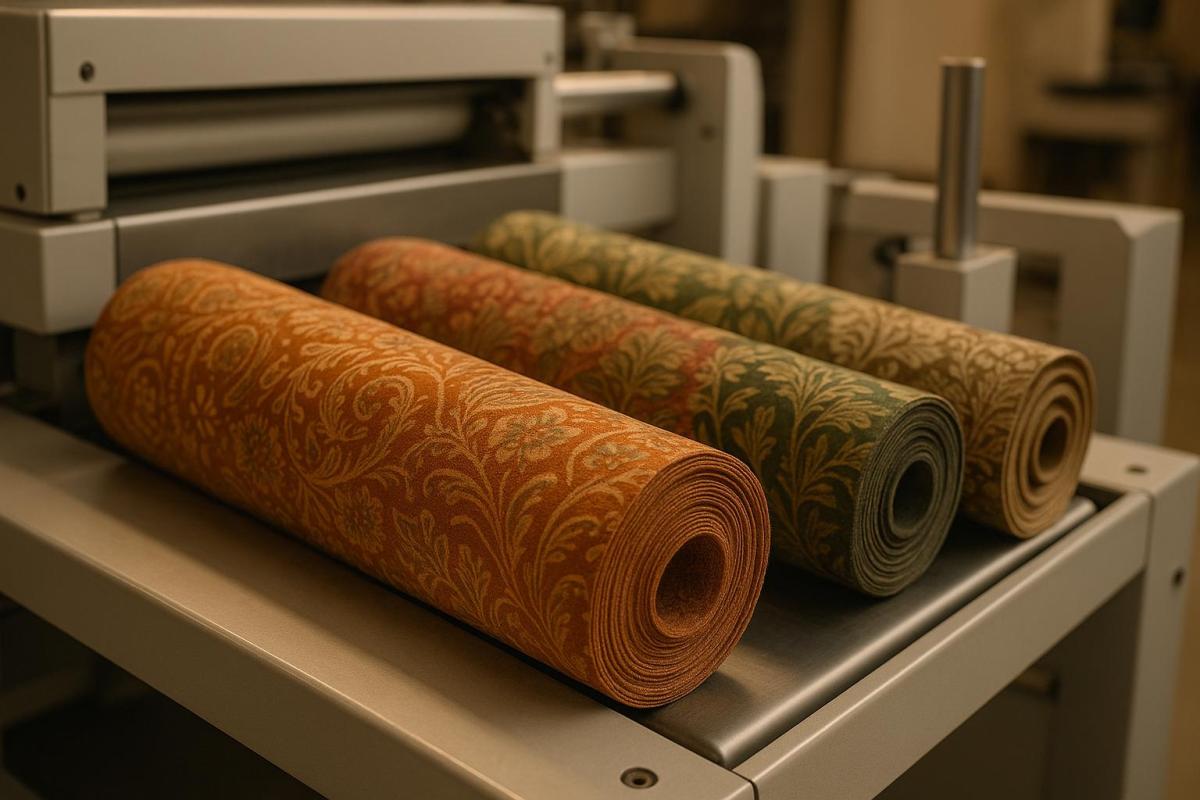
Waterless printing is reshaping how textiles are made, cutting water use by up to 95% and energy consumption by 75%. Traditional methods waste massive resources and pollute water systems, but this new approach removes water and harmful chemicals entirely. Here’s what makes waterless printing stand out:
- Saves Water: Uses as little as 0.02 liters per kilogram of fabric compared to 150 liters in older methods.
- Eliminates Wastewater: No contaminated water discharge, reducing pollution and treatment costs.
- Cuts Energy Use: Avoids energy-heavy steps like drying and steaming, lowering power needs by 75%.
- Reduces Chemicals: Skips pre- and post-treatment processes, cutting chemical costs by 80%.
- Improves Efficiency: Produces only what’s needed, reducing waste and speeding up production.
- Preserves Fabric Quality: No water-related distortion or shrinkage, ensuring better texture and vibrant colors.
- Shortens Production Time: Simplifies steps, enabling faster turnaround and on-demand production.
- Minimizes Environmental Impact: Prevents pollutants, uses VOC-free inks, and reduces carbon footprints.
- Lowers Costs: Saves on water, energy, and chemicals while reducing waste and equipment expenses.
- Supports Compliance: Meets stricter regulations and aligns with eco-conscious consumer demands.
This process is transforming textile manufacturing, offering a cleaner, more efficient, and cost-effective way to produce fabrics without compromising quality.
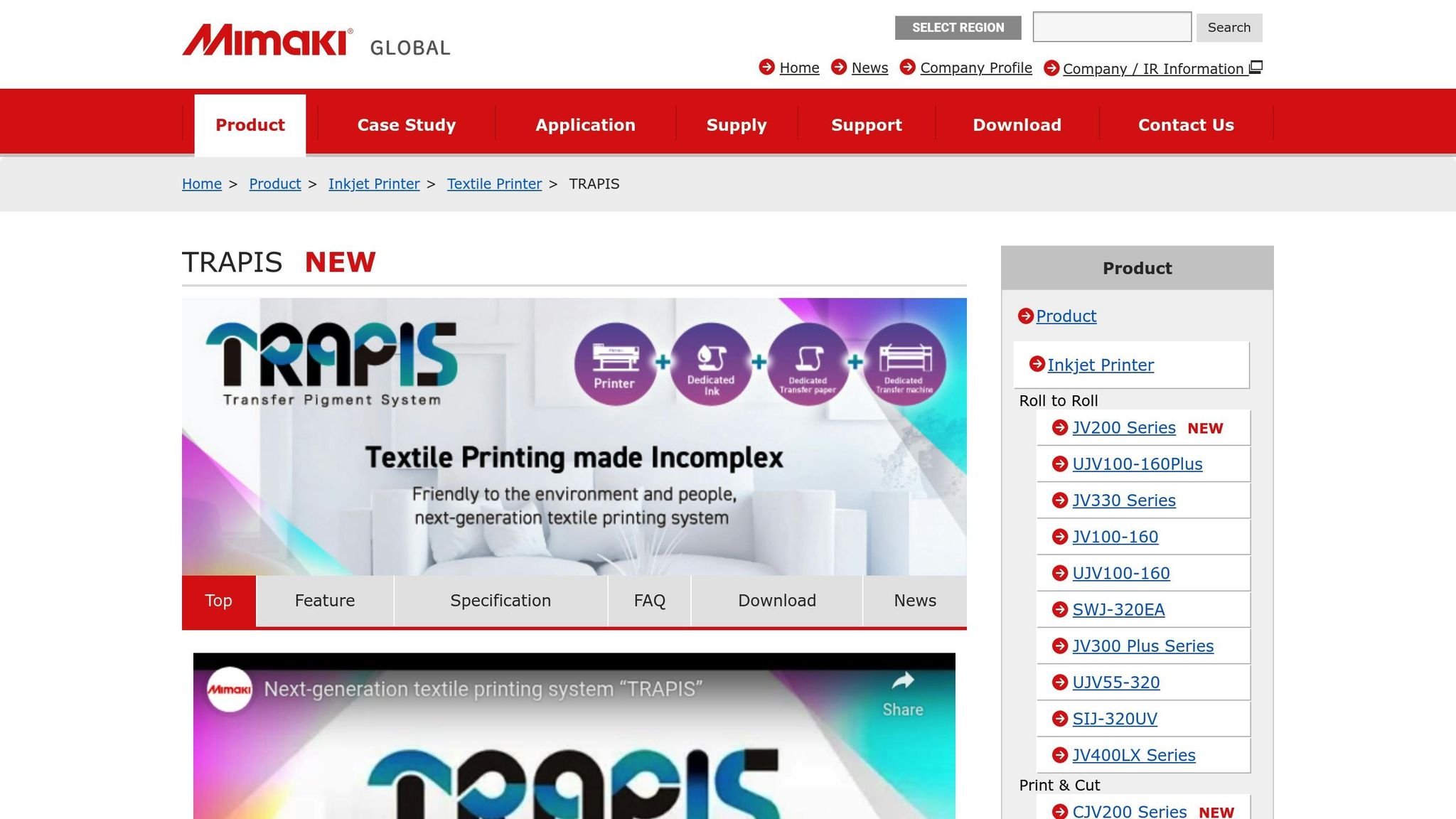
Mimaki TRAPIS: The Future of Sustainable Textile Printing
1. Major Water Conservation
Waterless printing is a game-changer when it comes to saving water in textile production. Traditional printing methods require anywhere from 95 to 400 liters of water per kilogram of fabric. In contrast, digital waterless printing uses just 5–9 cc per meter, slashing water consumption by up to 95%. These numbers highlight the dramatic difference waterless methods can make.
Take Kyocera’s FOREARTH printer as an example. Using pigment ink, it consumes only 0.02 liters of water per kilogram of fabric compared to the staggering 150 liters used in conventional processes. That’s a reduction of over 99.9%, which translates into massive savings, especially for large-scale production.
Different digital systems also contribute to water conservation in unique ways:
- Dye-sublimation and pigment systems save 70–80 liters per meter.
- Disperse, reactive, and acid ink digital systems save 30–40 liters per meter.
These savings are especially crucial when you consider the textile industry’s enormous water footprint. Each year, traditional analog textile production consumes around 93 billion cubic meters of water. Alarmingly, over 94% of the world’s printed fabric is still produced using water-intensive screen printing methods.
Waterless printing doesn’t just conserve water – it also helps protect the environment. Traditional printing methods often release harmful chemicals into water sources, leading to contamination. By removing water from the process entirely, waterless printing avoids this issue, offering both environmental and conservation benefits. It’s a step toward a more sustainable future for textile production.
2. Zero Wastewater Production
One standout benefit of waterless printing is its complete elimination of wastewater production. Unlike traditional methods that produce contaminated water requiring expensive treatment, waterless printing sidesteps this issue entirely. This approach paves the way for operations that are cleaner and more efficient.
Textile printing, in particular, is a major contributor to water pollution. Globally, traditional printing and dyeing processes are estimated to account for around 20% of clean water pollution. To put this into perspective, the textile industry uses up to 9 trillion gallons of water annually to produce 60 billion kilograms of fabric. These conventional methods rely heavily on water to stabilize ink, creating wastewater that harms ecosystems and increases treatment costs.
Waterless printing flips this script. By removing water from the equation, it eliminates the need for wastewater treatment altogether. As Seacourt highlights:
"Waterless printing brings numerous benefits that make it a valuable choice for modern businesses. Its innovative technology offers high-quality, precise prints without the need for water, cutting down on both waste and pollution." – Seacourt
This zero-discharge system prevents harmful chemicals and pollutants from entering water systems, safeguarding ecosystems from contamination. Businesses that switch to waterless printing also save on the costs of wastewater treatment facilities, chemicals, and the regulatory challenges tied to managing industrial wastewater.
3. Reduced Energy Use
For textile manufacturers, energy consumption is one of the biggest operational costs. This is where waterless printing offers a clear edge. Digital textile printing technologies use much less energy compared to traditional methods, bringing both cost savings and environmental advantages.
The key to this energy efficiency lies in eliminating water-intensive steps like heating and drying, which are notorious for their high power demands. Traditional textile printing heavily depends on these energy-draining processes and requires complex machinery that consumes significant electricity. Digital textile printing, on the other hand, skips these steps entirely, slashing power usage in the process.
How much energy can be saved? Digital printing reduces energy use by up to 75% compared to conventional methods. For instance, a digital printing machine typically consumes about 0.14 kW per meter printed, while a rotary screen printer uses around 0.46 kW per meter printed. That’s a power saving of over 63%.
The energy savings don’t stop there. Alchemie Technology, a company specializing in inkjet solutions for textiles, demonstrates the impact of waterless dyeing. Their technology cuts energy use by 70% for cotton processing and a staggering 85% for polyester compared to traditional methods.
These efficiencies are also due to a streamlined production process. Unlike rotary screen printing, which forces ink through water-heavy emulsions, digital printing uses minimal physical force, making it far less energy-intensive.
"Waterless printing is more energy-efficient because it requires fewer steps and less equipment." – SureRank Access
Another example is dry dyeing, which reduces energy consumption by up to 50%. This method not only cuts energy use but also simplifies production, lowering costs and shortening setup times. Up next, we’ll explore how waterless printing’s reduced reliance on chemicals further enhances its sustainability and cost-effectiveness.
4. Less Chemical Usage
Traditional printing methods often rely on water-heavy pre-treatments, steaming, and fixation agents, which can harm both workers and the environment. Waterless printing offers a cleaner alternative, eliminating the need for these chemical-intensive pre- and post-treatment processes.
By skipping these steps, waterless printing avoids the use of solvents, developers, stabilizers, cleaning agents, and fountain solutions. Taner Güven, CEO of Optimum Digital, highlights that this approach completely removes water usage and eliminates the need for contaminated chemicals. This simplified process not only reduces chemical dependency but also lowers costs and enhances workplace safety.
A prime example is Optimum Digital’s Nirvana Belt textile printer, which cuts chemical costs by 80% and slashes overall production expenses by half. Additionally, with fewer chemicals involved, worker safety improves significantly, reducing both health risks and environmental pollution.
Beyond cost savings and worker safety, waterless printing brings broader environmental benefits. It reduces VOC emissions, minimizes reliance on petroleum-based inks, and eliminates toxic wastewater, creating a zero-discharge production cycle. The result? Safer workplaces, cleaner surroundings, and a substantial drop in chemical expenses.
5. Better Resource Efficiency
Waterless printing stands out for its ability to use raw materials more efficiently through precise, on-demand production. Unlike traditional methods, which often involve extensive material preparation and generate significant fabric waste, waterless printing ensures that only the required quantity is produced. This level of accuracy not only reduces overproduction but also cuts down on waste, resulting in notable resource savings.
Digital waterless printing systems further enhance efficiency by enabling faster setups and minimizing waste throughout the production process. These streamlined operations save resources across multiple fronts.
Practically speaking, this means manufacturers can significantly reduce water, energy, and material consumption. Traditional printing methods demand far more water, but waterless systems can cut water usage by up to 95%. They also lower energy consumption by 75% compared to conventional techniques, while dye-sublimation and pigment-based systems save between 70 and 80 liters per meter printed.
A prime example of this efficiency is Kyocera’s FOREARTH digital textile printer. It uses just 0.02 liters of water per kilogram of fabric, a staggering reduction from the 150 liters typically required in conventional printing. That’s about 99.9% less water, all while delivering high-quality prints on fabrics like cotton, silk, and polyester.
"Initially, many customers were hesitant to work with pigment ink. But once they witness the actual print quality, they are more and more willing to use it", says Sho Taniguchi, Deputy General Manager of Kyocera’s IDP Business Development Division.
For manufacturers, this improved efficiency offers more than just environmental benefits – it also provides a competitive edge. By producing exactly what’s needed, companies can respond faster to market demands, cut down on inventory costs, and reduce waste disposal expenses. This approach not only supports a more sustainable business model but also boosts profitability.
sbb-itb-ce53437
6. Higher Fabric Quality
Waterless printing offers a major advantage: it preserves the integrity of fabrics throughout the printing process. By removing water from the equation, manufacturers can sidestep common issues like fabric distortion and shrinkage, which are often unavoidable with traditional methods. Conventional textile printing relies on water during pre-treatment, printing, steaming, and washing stages, all of which can compromise the fabric’s structure.
This innovative method uses silicone-coated plates and inks to repel ink from non-printing areas, eliminating the need for dampening systems. It also avoids the paper stretch that occurs in water-based printing methods, ensuring greater precision and stability.
Waterless printing also shines when it comes to color quality. Without water-induced damage, colors appear more vibrant and are less prone to fading over time. The process is gentler on fabrics, maintaining their original texture and structural integrity. This combination of vibrant colors and preserved texture elevates the overall print quality, paving the way for advancements like Kyocera’s cutting-edge system.
Kyocera’s FOREARTH digital textile printer exemplifies these benefits. It uses proprietary pigment ink coupled with specialized pre- and post-processing techniques to overcome traditional challenges. Older pigment dyes often left printed areas stiff, but Kyocera’s approach achieves a soft, natural finish comparable to dye-based inks. The printer’s versatility allows it to handle a variety of fabrics – cotton, silk, polyester – while delivering consistent quality and excellent lightfastness.
Overall, waterless printing ensures uniform, precise results that enhance fabric quality, making it ideal for durable and comfortable textiles.
7. Shorter Production Times
Waterless printing slashes production time by cutting out several traditional steps. Gone are the days of pre-treatment processes, post-printing washing, steaming, and lengthy drying phases that often stretch manufacturing cycles by hours or even days.
One of the most dramatic time-saving benefits comes from simplifying production lines. For instance, Kyocera’s FOREARTH digital textile printer reduces the production line length from 100 meters to just 10 meters. This streamlined setup not only boosts throughput but also allows for much faster turnaround times. Shorter production lines are further enhanced by other efficiencies built into the process.
Another game-changer is the elimination of printing plates. Digital waterless printing makes it easy to switch between designs instantly, enabling quick small-batch production without the time-consuming setup that traditional screen printing requires. Plus, skipping washing stages means fabrics can move straight from printing to finishing, saving even more time.
Energy efficiency also plays a role in speeding up production. By optimizing energy use, waterless printing reduces machinery downtime, further accelerating workflows.
For an example of speed in action, consider Optimum Digital’s Nirvana Belt textile printer, which can print up to 8,611 square feet (800 m²) per hour – all without using a single drop of water. CEO Taner Güven highlights the broader impact:
"The waterless printing technology eliminates the need for litres of water required to produce printed textiles with zero water consumption, and also prevents the use of contaminated chemicals."
This streamlined process allows manufacturers to respond to market demands with agility, making it an excellent choice for on-demand production and rapid customization.
8. Smaller Environmental Impact
Waterless printing offers a way to significantly cut down on pollution and conserve resources in textile production. Traditional dyeing and treatment processes in the textile industry are responsible for about 20% of global industrial water pollution. By reducing the use of raw materials, waterless printing not only addresses this issue but also brings additional ecological and operational advantages.
This method tackles both water and energy consumption at once. Digital systems used in waterless printing can lower energy use by 75% and slash water usage to less than 1% of what traditional methods require. By eliminating energy-intensive steps like drying, steaming, and washing, manufacturers can dramatically shrink their carbon footprints. These energy savings are further complemented by the use of safer, cleaner chemicals in modern waterless systems.
Waterless printing employs VOC-free inks and environmentally friendly materials like urea, reducing dependency on synthetic dyes that harm ecosystems. By eliminating wastewater discharge, it also prevents hazardous pollutants from contaminating water sources.
To put this into perspective, traditional textile production consumes approximately 93 billion cubic meters of water every year. Furthermore, traditional screen printing still accounts for over 94% of the printed fabric worldwide. This underscores the massive potential for industry-wide change through the adoption of waterless printing technology.
One standout example of this shift is Optimum Digital’s Nirvana Belt waterless textile printing solution, introduced in January 2022. This innovative system eliminates the need for pre- and post-treatment processes, reduces energy and chemical costs by 80%, and entirely removes water from the equation [doc].
On top of these environmental benefits, digital printing machinery requires far less factory space compared to traditional rotary screen machines. This means manufacturers can optimize their facilities for greater efficiency.
9. Lower Operating Costs
Switching to waterless printing can reduce operating costs while aligning financial benefits with its eco-friendly perks. By cutting overhead expenses and minimizing environmental impact, it offers a win-win solution. For example, using less water not only slashes water bills but also eliminates the need for expensive wastewater treatment systems.
Digital textile printing systems are another game-changer, cutting energy consumption by an impressive 75%. Without energy-intensive steps like drying, steaming, or washing, manufacturers can significantly lower electricity costs.
The benefits don’t stop there. Reduced chemical usage and the extended lifespan of printing plates mean fewer expenses for purchasing, storage, and upkeep. Waterless printing equipment, designed for durability, further trims recurring costs. A standout example is Optimum Digital’s Nirvana Belt waterless textile printing solution, introduced in January 2022. This system reduces overall costs by 50% while slashing energy and chemical expenses by 80%, thanks to the elimination of pre-treatment and post-printing processes.
| Cost Component | Traditional Printing | Waterless Printing |
|---|---|---|
| Water Costs | Higher | Lower |
| Energy Costs | Higher | 75% Reduction |
| Chemical Costs | Higher | 80% Reduction |
| Wastewater Treatment | Required | Eliminated |
Additionally, reduced waste means fewer raw materials are needed, cutting down on material and disposal costs even further. Manufacturers adopting waterless printing not only save money but also tap into the growing market of eco-conscious consumers, adding another layer of financial benefit.
10. Meets Regulations and Green Goals
Waterless printing not only brings operational benefits but also simplifies compliance with regulatory standards and environmental objectives. For textile companies navigating strict eco-regulations and an increasing demand for sustainable practices, this technology offers a practical solution for meeting both compliance mandates and corporate responsibility goals.
The Environmental Protection Agency (EPA) has set energy efficiency benchmarks for office equipment, and waterless printing aligns with these standards by reducing energy consumption by 35% compared to traditional methods. This energy efficiency complements its other advantages, like lower resource usage and reduced operating costs.
Environmental, Social, and Governance (ESG) compliance now requires businesses to focus on cutting energy use, minimizing waste, reducing emissions, and maintaining ethical sourcing and responsible production. Waterless printing addresses these areas head-on. By significantly reducing water pollution, companies can achieve measurable environmental improvements that align with regulatory demands and stakeholder expectations.
Additionally, adopting waterless printing helps manufacturers earn respected sustainability certifications, such as Greenguard, GOTS, Oeko-Tex, and Green to Wear, which can boost brand credibility and trust.
This technology also tackles air quality concerns by reducing nearly 98% of volatile organic compound (VOC) emissions compared to conventional lithographic printing. This substantial reduction in VOCs not only helps businesses stay ahead of evolving air quality regulations but also strengthens their position as leaders in environmentally conscious practices.
The push for sustainable operations has shifted from being a marketing trend to a business imperative. As Max Murray from Pointmedia Creative aptly puts it:
"Sustainability in printing is no longer a marketing buzzword but a commercial necessity".
This shift underscores the growing reality: regulatory compliance and green initiatives are no longer optional – they’re essential for staying competitive in today’s business landscape.
Conclusion
Waterless printing is transforming the textile industry by tackling some of its biggest environmental and production challenges. This technology conserves up to 95% of water, reduces energy consumption by 75%, and slashes production costs by 50%, all while cutting energy and chemical expenses by 80%.
The environmental advantages are striking. By eliminating the release of harmful chemicals into water systems, waterless printing directly addresses a major issue: textile dyeing and treatment account for over 20% of global industrial water pollution. This makes it easier for manufacturers to comply with stricter environmental regulations and align with the values of eco-conscious consumers.
Operationally, waterless printing is a game changer. Its streamlined, single-step process removes the need for pre- and post-treatment machinery, reducing equipment costs and production times. This efficiency not only saves resources but also improves fabric quality by minimizing waste.
Industry leaders are emphasizing the urgency of adopting sustainable practices. Taner Güven, CEO of Optimum Digital, highlights the need for change:
"We must rapidly create a circular value chain for a sustainable world. Today’s traditional textile printing methods do not allow environmentally friendly production due to the excessive use of water and wastewater containing contaminated chemicals".
The textile sector is at a pivotal moment. With traditional methods consuming enormous amounts of water, adopting waterless printing is becoming a necessity for companies aiming to stay competitive while meeting their environmental obligations. This technology not only satisfies regulatory requirements but also lays the groundwork for a more sustainable future.
For manufacturers ready to take the leap, waterless printing offers a path toward creating textiles with Zero Impact. It’s a solution that blends environmental responsibility with operational efficiency, setting the stage for a greener and more profitable industry.
FAQs
How does waterless printing support environmental sustainability in textiles?
Waterless printing makes a big difference in conserving resources, cutting water usage by up to 95% compared to traditional printing methods. It also eliminates wastewater, reduces reliance on harsh chemicals, and requires less energy. This combination helps shrink the carbon footprint tied to textile production.
By reducing water pollution and preserving essential resources, waterless printing offers an environmentally conscious approach that matches the textile industry’s increasing focus on sustainability.
What cost-saving advantages does waterless printing offer to textile manufacturers?
Waterless printing brings notable cost advantages for textile manufacturers by slashing resource usage. This method can reduce water consumption by up to 95% and energy use by as much as 75%, which translates to significantly lower utility costs and overall operational expenses.
On top of that, it lessens the reliance on costly chemicals and cuts down on wastewater treatment needs. These reductions not only trim expenses but also align with environmentally conscious practices. Over time, these savings can make a meaningful difference to your bottom line while shrinking your environmental impact.
How does waterless printing enhance the quality of textiles compared to traditional methods?
Waterless printing improves textile quality by offering consistent, vibrant colors and rich ink density, which lead to sharper and more detailed designs. It reduces problems like dot gain, ensuring cleaner and more precise patterns. Unlike traditional methods that rely on water and harsh chemicals, this approach avoids substances that could weaken the fabric, preserving its strength and feel. As a result, waterless printing is not only gentler on textiles but also a more environmentally friendly option for production.
Related posts
- Cost Analysis: Traditional vs. Alternative Materials
- Substrate Selection for Digital Printing
- Ultimate Guide to Textured Printing Effects
- Guide to Eco-Friendly Printing Substrates
https://app.seobotai.com/banner/banner.js?id=68802c180c233be3c85313f4
 BergenCountyPrintersBlogs