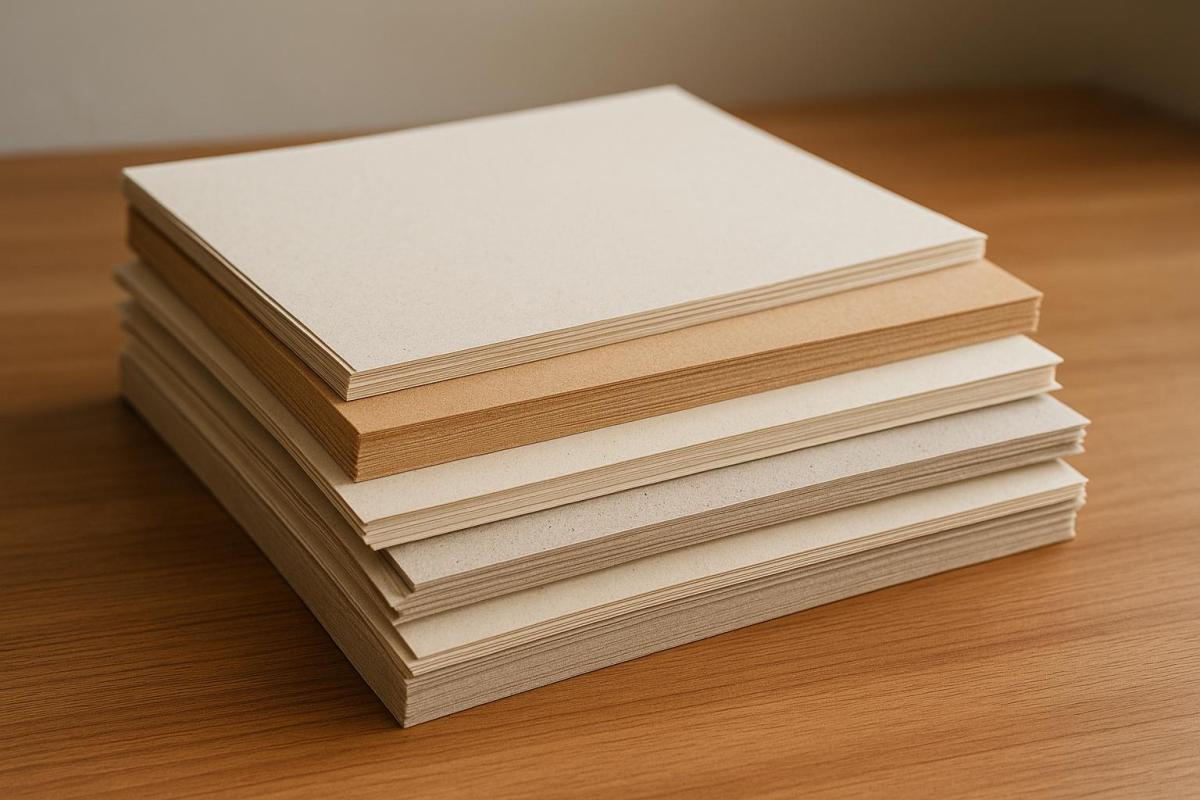
Recycled paper is an eco-conscious choice for printing, offering various types to suit different needs. From everyday office tasks to high-end marketing materials, these papers combine functionality with reduced environmental impact. Here’s a quick breakdown:
- White Office Paper: Ideal for daily use, with 30-100% post-consumer waste content. Features like ColorLok Technology improve print quality.
- Colored Paper: Adds visual flair with eco-friendly dyes, great for branding and marketing.
- Glossy and Coated Paper: Perfect for vibrant, high-resolution prints like brochures and catalogs.
- Cardstock: Durable and thick, suitable for business cards, invitations, and crafts.
- Specialty Papers: Unique textures and finishes for luxury packaging, art books, and creative projects.
Each type offers specific features and benefits, making it easier to align your printing choices with your goals. For the best results, consider factors like brightness, weight, and print compatibility.
PAPER CHOICES FOR PRINTING: A showcase of silk, gloss, uncoated and recycled finishes | Ex Why Zed
1. White Office Paper
White office paper made from recycled materials is a go-to choice for everyday printing. It takes post-consumer waste and turns it into high-performing sheets, offering an eco-friendly alternative to traditional virgin paper. For businesses aiming to reduce their environmental footprint, this option is both practical and effective.
Characteristics
Recycled white office paper stands out for its balance of sustainability and performance. It typically contains between 30% and 100% post-consumer waste and has a brightness rating of 92, making it a reliable option for standard office tasks.
Modern advancements have further improved its functionality. Features like ColorLok Technology enhance print quality by delivering richer blacks and more vibrant colors when used with inkjet printers. Additionally, curl control technology minimizes paper jams, ensuring smooth operation across various office equipment.
Producers like Hammermill maintain rigorous quality standards, testing over 13.5 million sheets annually to ensure consistency in their recycled paper products.
Typical Uses
Recycled white office paper is designed to handle a wide range of business needs. Whether you’re using copiers, laser printers, or inkjet printers, this paper is versatile enough for tasks like internal memos, client presentations, and more. Its ability to deliver high-quality full-color prints makes it a great choice for marketing materials and professional reports.
With the average office worker using about 10,000 sheets of paper each year, recycled white office paper becomes an essential tool for routine printing tasks. It performs well for both single-sided and double-sided documents, adding to its practicality.
Benefits
The environmental benefits of recycled white office paper are impressive. Compared to virgin fiber paper, its production requires 26% less energy, generates 40% less wastewater, and saves around 17 trees per ton.
Choosing recycled paper also supports corporate sustainability goals and resonates with consumer values around environmental responsibility. Endorsements from organizations like UNEP, WWF, and Greenpeace further validate recycled paper as a smart ecological choice.
"This dependable, everyday copier paper runs efficiently through all equipment and has a distinct contrast for easy readability." – Hammermill
Considerations/Limitations
While recycled white office paper performs well, it’s important to check the percentage of post-consumer waste in each product, as this can vary. Look for FSC certification to ensure the paper meets sustainability standards.
Additionally, brightness ratings can influence print quality, so make sure to choose a paper that suits your specific needs. At Miro Printing & Graphics Inc., we can assist you in selecting the right recycled white office paper to match both your environmental goals and performance expectations. Stay tuned as we dive into other types of recycled paper designed for specialized printing tasks.
2. Colored Recycled Paper
Following the success of white recycled paper, colored versions bring a creative flair to sustainable printing. These papers combine eco-friendly practices with a splash of color, using dyes and pigments that are environmentally conscious to produce a wide range of hues. This challenges the outdated notion that recycled paper is always dull or uninspiring.
Characteristics
Colored recycled paper maintains the same eco-friendly benefits as its white counterpart but adds a vibrant, visual edge. By using environmentally responsible dyes, it often skips the heavy bleaching processes needed for white paper, reducing chemical usage. The natural brown tones from mixed fibers lend a rustic feel, while advancements in production ensure excellent opacity, smoothness, and ink absorption. As Barbara Pavey aptly puts it:
"Because colours mixed together give brown, of one shade or another. Try it with paints, you’ll see".
Typical Uses
This type of paper is perfect for projects that demand both aesthetic appeal and sustainability. Marketing materials like brochures, postcards, and business cards printed on colored recycled paper not only grab attention but also highlight a brand’s commitment to eco-friendly practices. Its organic and earthy appearance makes it an excellent choice for eco-conscious branding, food packaging, and promotions for organic products, delivering a message of authenticity and environmental awareness.
Benefits
The environmental perks of colored recycled paper align closely with those of white recycled paper, with the added advantage of fewer chemical treatments due to reduced bleaching. Opting for this paper can also boost a brand’s image. Research shows that 78% of consumers prioritize sustainability, and 84% avoid brands with poor environmental practices. As one source highlights:
"When it comes to paper communications, recycled paper is the greenest option, it uses less energy, water, and produces lower carbon emissions than the manufacturing of non-recycled paper and at the same time reduces the amount of waste to landfill."
The vibrant appearance of colored recycled paper strengthens sustainability messaging, making it a valuable tool for organizations committed to corporate social responsibility. In the next section, we’ll dive into how textured recycled papers expand the range of sustainable printing options.
Considerations/Limitations
Before choosing colored recycled paper, evaluate factors like smoothness, brightness, opacity, and ink absorption to ensure the best printing results. Keep in mind that color intensity may vary slightly between batches, so ordering extra material for larger projects can help maintain consistency.
At Miro Printing & Graphics Inc., we suggest including a note on your printed materials to indicate they are made with recycled paper. This small detail not only emphasizes your dedication to sustainability but also enhances the appeal of your marketing efforts.
3. Glossy and Coated Recycled Paper
Expanding on the creative possibilities of colored recycled paper, glossy and coated options take things up a notch by enhancing image quality and durability. These papers are designed to deliver a polished, professional look while maintaining their eco-friendly credentials. Thanks to specialized surface treatments, they provide a shiny, reflective finish without sacrificing sustainability, using recycled materials and environmentally conscious coating methods.
Characteristics
Glossy coated recycled paper stands out for its smooth, reflective surface that makes images and text pop with vibrant colors and sharp contrasts. The coating reduces ink absorption, ensuring crisp and detailed prints. Plus, it adds a layer of protection, making the paper more resistant to smudges, fingerprints, and even water damage.
Modern glossy papers often incorporate ground calcium carbonate (GCC) instead of traditional kaolin clay in their coatings, which helps cut down on energy use during production. Another eco-forward trend is the use of water-based coatings, which lower the reliance on solvents and reduce volatile organic compound (VOC) emissions.
This advanced coating technology creates a sleek surface that enhances color brilliance and fine details, making it particularly effective for high-resolution images and graphic-heavy designs. However, the reflective finish can sometimes lead to glare under certain lighting conditions, which is worth keeping in mind.
Typical Uses
Glossy and coated recycled papers are perfect for projects where visual appeal takes center stage. They shine in applications like photographs, promotional materials, and marketing pieces that demand vibrant color and sharp image reproduction. Typical examples include:
- High-end brochures
- Product catalogs
- Annual reports
- Premium flyers
"For projects with more detailed images, coated or glossy paper can enhance color reproduction and image sharpness." – Target Print & Mail
These papers are a go-to choice for marketing teams looking to create a strong first impression while also showcasing their commitment to sustainability.
Benefits
The perks of using glossy and coated recycled papers go beyond aesthetics. Producing recycled paper uses about 60% less energy compared to making paper from virgin materials. On top of that, these papers deliver exceptional image quality and a polished finish, making them versatile for everything from marketing materials to packaging.
To further reduce environmental impact, many paper mills now incorporate recycling loops, energy recovery systems, and safer chemical processes. While these papers offer a premium look and feel, it’s important to weigh the benefits against the practical aspects of the coating process.
Considerations/Limitations
As impressive as glossy coated recycled papers are, they do come with some trade-offs. The reflective surface, while visually striking, can be prone to scratches, scuffs, and glare in certain lighting. From an environmental standpoint, the coatings can complicate recycling efforts, as they need to be separated from the paper fibers, potentially affecting the quality of the recycled material. Additionally, glossy coated paper takes longer to break down in landfills compared to uncoated alternatives.
At Miro Printing & Graphics Inc., we suggest carefully evaluating the texture, weight, and print quality of glossy and coated recycled papers before finalizing your choice. Think about how and where the paper will be used, as well as the lighting conditions, to ensure the reflective finish enhances your project rather than detracting from it.
4. Cardstock and Heavy Recycled Paper
When your project demands sturdier materials, cardstock and heavy recycled paper step up to the plate. These options blend the durability of traditional heavyweight paper with the eco-friendly benefits of recycled content. Cardstock, in particular, stands out for its thickness and strength, making it a go-to choice for projects that need to leave a lasting impact while keeping sustainability in mind.
Characteristics
Recycled cardstock combines durability, thickness, and versatility. Unlike standard printer paper, it typically weighs between 65 and 110 lbs, giving it a solid, premium feel. Made primarily from post-consumer materials, it may include some fresh fibers to maintain its quality and structure. One thing to note: recycled cardstock often has a slightly less bright white tone and a firmer texture compared to pure pulp paper. This difference doesn’t compromise quality – it’s just a natural trait of recycled materials.
The surface of recycled cardstock is smooth and consistent, making it ideal for ink applications without issues like bleeding or feathering. It’s available in various sizes, such as 8.5 x 11 inches, 11 x 17 inches, and 13 x 19 inches, and comes in weights like 80lb and 110lb to suit different needs. However, keep in mind that recycled paper can only be reused 5–7 times before it reaches the end of its life cycle. These qualities make recycled cardstock an excellent choice for projects that require durability and a polished look.
Typical Uses
Recycled cardstock builds on the reliability of recycled office paper but with added durability for more demanding applications. Its sturdiness and professional appearance make it a natural fit for business cards, where a smooth finish helps showcase your brand in the best possible light.
"Cardstock paper is thicker and more durable than regular paper, ideal for high-quality creative projects like greeting cards and art prints." – Gelato
It’s also a favorite for greeting cards and invitations, offering a polished look and excellent ink handling for personalized designs. For art prints and photos, recycled cardstock enhances color vibrancy and detail, ensuring your visuals pop while preventing ink bleed. In marketing, it’s perfect for flyers and posters, adding a professional touch that stands out. Creative enthusiasts often choose it for craft projects and DIY decor due to its ability to handle folds, cuts, and adhesives without tearing.
"Cardstock is a versatile material for craft projects and DIY decor, perfect for everything from scrapbooking to paper flowers and seasonal decorations." – Gelato
Benefits
Recycled cardstock shares the environmental advantages of other recycled papers. By choosing it, you help reduce landfill waste and methane emissions, which is significant considering paper accounts for 25% of landfill waste and produces methane – a greenhouse gas 25 times more potent than carbon dioxide.
From a practical perspective, recycled cardstock offers strength and stability, ensuring your projects maintain their shape while delivering high-quality prints. Its thickness and rigidity give it a luxurious feel, making it ideal for branding opportunities. Additionally, recycled paper tends to have higher opacity, which is great for clear, vibrant printing even on lighter stock.
Considerations/Limitations
While recycled cardstock has plenty of advantages, there are a few things to keep in mind. It’s generally more expensive than regular paper and, due to its thickness, can be trickier to fold or store. Under heavy pressure, it might collapse or deform, and its bulkiness isn’t ideal for every situation. It also lacks cushioning properties, making it unsuitable for protective packaging.
At Miro Printing & Graphics Inc., we suggest tweaking your printer settings to accommodate the weight of recycled cardstock and using eco-friendly inks for a greener printing process. Keep in mind that recycled cardstock may not have the bright white hue of virgin paper, which could influence color reproduction in some designs. When choosing recycled cardstock, weigh factors like weight, durability, and how well it aligns with your project’s goals. Striking the right balance between eco-consciousness and performance is key.
sbb-itb-ce53437
5. Specialty Recycled Papers
Expanding on the options of white, colored, glossy, and cardstock papers, specialty recycled papers bring sustainable printing into a realm of creativity and uniqueness. These papers not only support eco-friendly practices but also offer distinct textures, finishes, and designs, giving brands and designers the chance to create truly memorable printed pieces.
Characteristics
What sets specialty recycled papers apart is their unique coatings, textures, and finishes that leave a lasting impression both visually and to the touch. They often feature unconventional elements like pearlescent effects, wool-based fibers, or inclusions from everyday waste materials, such as orange peels or used coffee cups, which result in a textured, flecked, or off-white appearance.
A standout example is Favini‘s Refit wool paper, celebrated for its textured feel and innovative use of recycled materials. However, these papers often require extra care during printing. While they may not be ideal for all printing methods, such as litho presses, they shine in applications like packaging or embossed covers. It’s also worth noting that these specialty stocks tend to be priced higher than similar papers made from virgin fibers due to their unique qualities and sustainable production methods.
Typical Uses
Specialty recycled papers are perfect for projects where sustainability and standout design go hand in hand. They are particularly favored by brands that prioritize environmental responsibility and want their printed materials to reflect that ethos.
For example, Wild Alchemy Journal used Favini’s Crush paper, made with 15% food by-product and 40% recycled pulp, for the belly-band on their front cover. Kinfolk magazine opted for Remake paper, which combines 65% recycled material with 25% leather by-product, for a section of their publication. Similarly, G.F. Smith’s "Extract" paper – crafted partly from recycled coffee cups – was featured on the cover of the photography anthology On the Line.
These papers are especially suited for high-end marketing materials, luxury packaging, art books, and any project where tactile and visual impact are equally important. Options like seed paper, which can be planted after use, add an interactive twist, extending the life of the material while aligning with sustainable values.
Benefits
The environmental advantages of specialty recycled papers are impressive. Producing recycled paper uses about 26% less energy and generates 40% less wastewater compared to virgin fiber production. Thanks to advancements in manufacturing, modern recycled papers now rival the quality of non-recycled options.
Beyond sustainability, these papers offer unique branding opportunities. Their distinctive textures and finishes can enhance a brand’s identity and communicate a clear dedication to eco-conscious practices.
Considerations and Limitations
Using specialty recycled papers requires thoughtful planning. These materials are often more expensive, and their unique qualities may necessitate on-press testing to ensure the desired results. When choosing a specialty recycled paper, it’s important to consider factors like the project’s purpose, the paper’s weight and texture, environmental impact, and compatibility with your printing methods. Keep in mind that some papers may affect ink absorption and color reproduction due to their textures.
At Miro Printing & Graphics Inc., we always recommend testing these papers before committing to large print runs. Taking the time to evaluate your paper needs and ensuring they align with your design and practical goals is essential.
Comparison Table
Here’s a quick look at the key features of different types of recycled paper and how they stack up for various uses.
| Paper Type | Key Characteristics | Typical Uses | Main Benefits | Limitations |
|---|---|---|---|---|
| White Office Paper | Smooth texture with high whiteness; text weight ranges from 70# to 100# | Everyday printing, letters, reports, internal documents | Affordable, widely available, easy to read | Slightly different texture compared to virgin paper; less white than non-recycled options |
| Colored Recycled Paper | Available in a range of hues with consistent tones; similar weight to white office paper | Marketing materials, presentations, creative projects, color-coding | Adds visual appeal and supports brand identity | Limited color selection; ink absorption may lead to muted colors |
| Glossy and Coated Recycled Paper | Smooth, coated surface for durability and vibrant colors | Brochures, marketing materials, photographs, high-quality presentations | Excellent color reproduction and professional finish | Higher cost; ink setting can be tricky and not ideal for writing |
| Cardstock and Heavy Recycled Paper | Thick and durable with cover weights from 65# to 120#+ | Business cards, greeting cards, invitations, packaging, premium materials | Durable with a premium look and feel | More expensive; may need special printing equipment and lacks flexibility |
| Specialty Recycled Papers | Unique textures and finishes, often made from alternative fibers like cotton or agricultural waste | High-end marketing, luxury packaging, art books, sustainable branding projects | Distinct tactile experience and eco-friendly appeal | Most expensive option; may require testing and limited compatibility with some printers |
Weights are listed in U.S. standards: text weights range from 70# to 100#, and cover weights vary from 65# to 120#. Cover-weight paper is thicker and sturdier than text-weight, perfect for projects needing extra durability. Coated paper features a glossy finish that enhances color and durability, while uncoated paper provides a natural, easy-to-read surface. Keep in mind, recycled paper often has slight variations in texture or color, adding to its eco-conscious charm.
Need help choosing the right recycled paper for your project? Miro Printing & Graphics Inc. is here to guide you!
Certifications and Labels for Recycled Paper
Certifications and labels play a critical role in helping you make environmentally conscious choices when it comes to recycled paper. With a wide range of eco-standards available globally, understanding the most prominent ones can help you align your paper choices with sustainability goals.
Here’s a closer look at the key certifications that verify a paper’s environmental credentials.
Forest Stewardship Council (FSC)
The Forest Stewardship Council (FSC) certification is one of the most widely recognized standards for sustainability. This non-profit organization is dedicated to safeguarding forest ecosystems, promoting biodiversity, and protecting the rights of indigenous communities and workers.
"FSC forest management certification confirms that the forest is being managed in a way that preserves biological diversity and benefits the lives of local people and workers, while ensuring it sustains economic viability." – FSC
FSC enforces strict guidelines that include conserving biodiversity, protecting endangered species, and banning genetically modified organisms. Their Chain of Custody (CoC) certification ensures that wood-based products are traceable to responsibly managed forests throughout the entire supply chain. Products carrying the FSC recycled logo are certified to include at least 70% post-consumer waste or recycled content.
A practical example of FSC’s impact is Canon’s recent launch of FSC-certified, carbon-neutral wide-format papers. These products are both FSC-certified and 100% carbon neutral, showcasing the real-world application of these standards.
Sustainable Forestry Initiative (SFI)
The Sustainable Forestry Initiative (SFI) certification emphasizes a balance between environmental, social, and economic factors. Particularly prevalent in North America, SFI also employs Chain of Custody certification to ensure that fibers used in paper production come from legal and responsibly managed sources. SFI places additional focus on the economic sustainability of forestry operations and community involvement.
Programme for the Endorsement of Forest Certification (PEFC)
The Programme for the Endorsement of Forest Certification (PEFC) supports sustainable forest management through independent, third-party verification. This program assists forest owners in implementing responsible practices for growing and harvesting forest resources. Globally, around 71% of certified forests are endorsed by PEFC, making it a significant force in promoting renewable forestry practices.
Post-Consumer Waste (PCW) Content Labels
Post-Consumer Waste (PCW) labels indicate the percentage of recycled materials that were previously used by consumers, then collected and repurposed. This type of recycling is particularly impactful because it keeps waste out of landfills and reduces the demand for virgin materials. For recycled paper, a PCW content of 30–80% is recommended.
Here’s a compelling statistic: every ton of recycled post-consumer waste prevents one metric ton of carbon equivalent emissions. Additionally, paper and paperboard boast the highest recycling rate – 68% – compared to other types of municipal solid waste.
Why These Certifications Matter
Certifications provide assurance that your paper choices reflect a commitment to responsible sourcing and environmental stewardship.
In 2012, heightened awareness about recycling led to 65% of domestic paper being recycled in the U.S., with recycled paper accounting for 33% of the materials used in the nation’s paper production. When selecting recycled paper, look for brands that clearly state the percentage of recycled content and differentiate between pre-consumer and post-consumer materials.
Understanding these certifications empowers you to make informed decisions when choosing sustainable paper options.
Looking to incorporate certified recycled paper into your next project? Miro Printing & Graphics Inc. can help you navigate these certifications and find the best sustainable solution for your printing needs.
Conclusion
Opting for recycled paper is a simple yet impactful way to align your printing needs with sustainability goals. Start by assessing your project requirements – whether it’s 20 lb paper for everyday tasks or 24 lb for double-sided printing – and ensure compatibility with your printer, whether it’s a laser or inkjet model. As discussed earlier, understanding paper weight and coatings plays a key role in achieving consistent, high-quality prints.
When it comes to cost, recycled paper offers options to suit a range of budgets, with pricing varying based on paper type and intended use. Beyond affordability, recycled paper delivers environmental and economic benefits, including energy savings and reliable performance.
Today’s recycled paper matches the quality of virgin paper while using up to 60% less energy during production. This means you can achieve excellent print results while reducing your environmental impact.
"Choosing recycled paper goes beyond simply ticking a green box. It’s a deliberate decision to reduce your environmental impact. Recycled paper production requires significantly less energy and water compared to virgin paper, resulting in a smaller carbon footprint and a healthier planet for all." – The Green Office
For expert guidance, consider partnering with a professional print shop to ensure your recycled paper choice meets your sustainability and quality standards. Miro Printing & Graphics Inc. can assist with selecting the right paper, offering design advice, and providing custom finishing services like cutting, perforating, and scoring. These services help you achieve polished, professional results while staying true to your environmental values [66, 67].
As more consumers prioritize sustainability, switching to recycled paper is an easy and effective way to align your printing practices with both your principles and your customers’ expectations.
FAQs
What are the environmental advantages of using recycled paper over virgin paper for printing?
Using recycled paper for printing comes with a range of benefits for the environment. It cuts down greenhouse gas emissions, saves energy and water, and lowers pollution during the manufacturing process. Plus, it reduces the need for logging, helping to conserve forests and safeguard wildlife habitats.
Opting for recycled paper also contributes to a circular economy. This approach focuses on reusing materials instead of discarding them, which helps reduce waste and encourages more eco-friendly practices in printing.
What factors should I consider when choosing recycled paper for my printing project?
When choosing recycled paper for your printing needs, start by evaluating the specific requirements of your project. Key factors to consider include paper weight (measured in pounds or GSM), brightness (how white or reflective the paper looks), and any eco-certifications like FSC (Forest Stewardship Council) or papers made from 100% post-consumer content. These elements ensure your paper aligns with both your quality standards and environmental goals.
Also, think about how the printed material will be used. For instance, lightweight recycled paper is great for flyers, while sturdier options work better for business cards or brochures. If you’re unsure about what to pick, a professional print shop – like Miro Printing & Graphics Inc. – can offer expert advice to help you find the perfect recycled paper for your project.
What should I know about using glossy or coated recycled paper for high-quality printing?
Glossy and coated recycled papers can give your prints a sleek, professional finish. However, they do come with a few trade-offs. These papers tend to reflect light, which can create glare and potentially impact readability or the clarity of images, especially under bright lighting. Plus, their smooth texture often makes them less ideal for tasks like writing or stamping.
To achieve the best results, you might need specialized printing equipment to ensure the toner adheres properly and to avoid smudging. If you’re uncertain about what will work best for your project, it’s a good idea to reach out to a professional print shop for guidance.
Related posts
- Recycled vs. Virgin Paper: Cost Breakdown
- Checklist for Choosing Recycled Paper for Printing
- 5 Myths About Recycled Paper
- Ultimate Guide to Recycling in Printing
https://app.seobotai.com/banner/banner.js?id=688067a00c233be3c85367dd
 BergenCountyPrintersBlogs