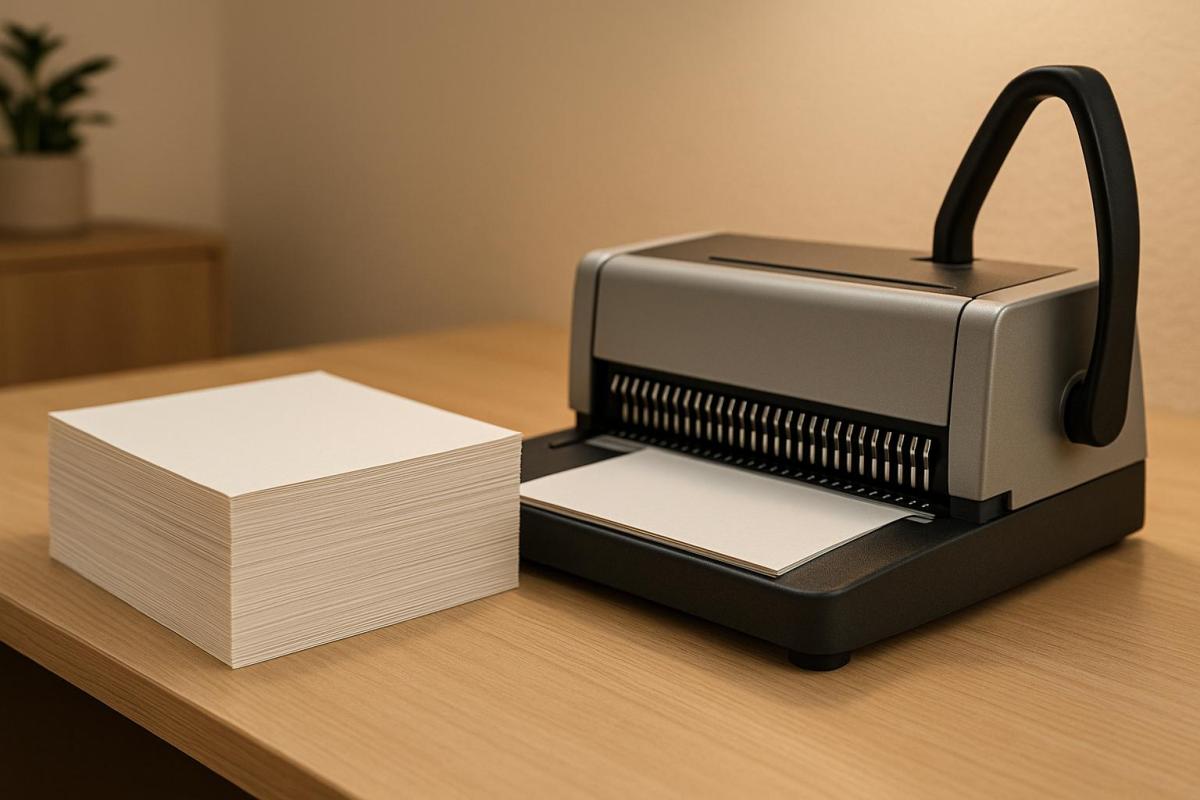
When printing custom-sized materials, binding costs often increase due to equipment adjustments, material waste, and additional labor. Here’s what you need to know:
- Custom Sizes Defined: Non-standard dimensions like 10" x 10" or 4" x 9" require extra setup and cutting steps, increasing costs.
- Binding Methods Matter: Perfect binding handles custom sizes efficiently, while saddle stitching or spiral binding may need more recalibration, raising expenses.
- Key Cost Drivers: Page count, paper type, and order size impact pricing. Smaller orders or specialty materials often result in higher per-unit costs.
- Cost-Saving Tips:
- Use standard sizes when possible to avoid extra setup fees.
- Increase order volumes to lower per-unit costs.
- Consult with in-house experts to optimize binding methods and materials.
Understanding these factors helps you balance design goals with your budget, ensuring you make informed decisions for your printing projects.
How Much Does Perfect Binding Cost? – Graphic Design Nerd
What Affects Binding Costs for Custom Print Sizes
When it comes to custom-sized printed materials, several factors can influence binding costs compared to standard dimensions. Knowing what drives these costs can help you plan your project and stick to your budget.
Setup and Material Adjustments for Custom Sizes
Custom sizes often mean higher costs because they require adjustments to equipment, non-standard materials, and extra cutting steps. Standard binding components are usually larger than needed for custom sizes, leading to material waste and added manual work. This not only increases production time but also drives up labor costs. On top of that, the binding method you choose can further impact your overall expenses.
The Role of Binding Methods in Custom Printing Costs
The type of binding you select plays a big part in determining costs for custom-sized projects. Some methods are better suited for custom sizes than others. For instance, perfect binding – which involves trimming after binding – handles custom dimensions more easily. On the other hand, saddle stitching and spiral or comb binding often require recalibrations and additional hole-punch adjustments, which can increase costs. Case binding is another expensive option for custom sizes, as it requires modifications to boards and finishing elements, adding more manual labor to the process.
Additional Factors: Page Count, Paper Type, and Order Size
Other elements, like the number of pages, the type of paper, and the size of your order, can also affect costs. A high page count makes custom sizes more challenging, as more pages mean more recalibration and handling. Using specialty papers or placing smaller orders can also raise the per-unit cost. This happens because machines run slower with unique materials, and fixed setup fees are spread across fewer units. Understanding these aspects can help you make smarter decisions about binding methods and budget planning for your custom printing projects.
Binding Methods and Their Costs
When it comes to custom projects, understanding the differences in binding methods – costs, materials, and processes – can help you make the right choice. Here’s a detailed look at some common binding methods, along with their benefits and drawbacks.
Binding Method Cost Comparison
Each binding method varies in cost and suitability, especially for custom sizes. The table below highlights key details to consider:
| Binding Method | Cost Level | Best For | Key Benefits | Main Drawbacks |
|---|---|---|---|---|
| Saddle Stitching | Highly affordable | Small booklets, magazines | Simple process and very low cost | Less durable; unsuitable for thicker materials |
| Perfect Binding | Cost-effective | Novels, textbooks, paperbacks | Professional finish with a clean appearance | Less durable than hardcover options |
| Comb/Spiral/Thermal | Very low-cost for short runs | Workbooks, manuals, short-run books | Allows books to lie flat; low order minimums | Costs depend on material choice |
| Case Binding | Expensive | Textbooks, coffee table books, special editions | Premium look with excellent durability | Higher production and shipping costs |
Saddle stitching involves folding sheets and stapling them along the spine, making it a simple and budget-friendly option. It’s ideal for small-scale projects like magazines and brochures but isn’t suitable for thicker materials.
Perfect binding provides a polished, professional look at a reasonable cost. This method is commonly used for novels, reports, and mass-market paperbacks. However, it lacks the durability of hardcover options.
Comb and spiral binding are great for short-run projects, especially workbooks and manuals. These methods allow books to lie flat, which is particularly useful for reference materials. The cost can vary based on the type of binding material you choose.
Case binding is the go-to for premium projects like coffee table books or special editions. While it offers unmatched durability and an elegant finish, it comes with higher production and shipping costs due to the intricate assembly process.
How to Choose the Right Binding Method
Selecting the best binding method depends on your priorities: cost, durability, and functionality. For materials that need to lie flat, like workbooks, comb or spiral binding is a practical choice. If you’re aiming for a high-end, durable finish, case binding is worth the investment. Use the table above as a quick reference to align your project’s needs with the right binding option.
sbb-itb-ce53437
Ways to Reduce Custom Size Binding Costs
Following the earlier discussion on cost factors, these tips can help you manage binding expenses for custom print sizes while maintaining quality.
Use Standard Sizes When Possible
Sticking to standard dimensions is one of the easiest ways to control costs. Popular sizes like 8.5" x 11", 5.5" x 8.5", and 6" x 9" are more economical because they align with equipment capabilities, reduce setup fees, and minimize material waste. When feasible, adjust your design to fit these common sizes.
For instance, instead of a 7.25" x 10.5" booklet, you could adapt it to an 8.5" x 11" format and trim it accordingly, which is often less expensive. If standard sizes don’t suit your needs, aim for dimensions that maximize paper usage. For example, a 4.25" x 5.5" size allows four pieces to be cut from a single 8.5" x 11" sheet, reducing waste and keeping costs down.
Increase Order Volumes
Higher order quantities can significantly lower your per-unit costs. Since setup and calibration fees are fixed, spreading these costs across a larger batch reduces the price per piece.
Combining multiple projects into a single run can yield similar savings. If you have several custom-sized projects planned, consider scheduling them together. This strategy allows you to share setup costs and often unlocks volume-based pricing discounts.
For example:
- A 100-piece custom binding job might cost $3.50 per unit.
- Ordering 500 pieces could drop the price to $1.75 per unit.
- A 1,000-piece order might lower it even further to $1.25 per unit.
By planning ahead and ordering what you’ll need for the next few months, you can avoid frequent small orders and take full advantage of these discounts.
Work with In-House Bindery Experts
Collaborating with experienced bindery professionals can uncover cost-saving opportunities. These experts understand which binding methods pair best with specific paper types, how to reduce material waste, and which alternatives can achieve your desired look at a lower price.
Take Miro Printing & Graphics Inc., for example. They offer in-house services like perfect binding, comb binding, and plastic coil binding, along with specialized finishing options. By keeping everything under one roof, you avoid the added markup and coordination challenges of outsourcing to multiple vendors.
Bindery professionals can also recommend practical adjustments to save money. They might suggest changing from case binding to perfect binding with a heavier cover stock, which can still deliver a polished appearance at a fraction of the cost. Additionally, in-house services improve quality control and speed up turnaround times. Since printing and binding happen in the same facility, there’s no risk of damage during transport, and any issues can be addressed immediately rather than after the job is complete.
Binding Services at Miro Printing & Graphics Inc.
Miro Printing & Graphics Inc., based in Hackensack, NJ, operates its own in-house bindery. This setup offers a clear advantage for custom print sizes by keeping everything under one roof. Without needing to outsource binding work, they can maintain direct control over quality and ensure faster production timelines. This hands-on approach allows them to offer a wide range of binding and finishing solutions tailored to various needs.
Available Binding and Finishing Options
Miro Printing & Graphics Inc. offers several binding options, including perfect binding, saddle-stitching, coil binding, hardcover binding, and comb binding. Each method is suited to specific types of projects. Beyond binding, they provide post-press services like collating, cutting, creasing, die cutting, drilling, and folding, all designed to handle a variety of custom sizes.
What makes their services stand out is their ability to accommodate a wide range of paper finishes, sizes, and cover styles. This is especially important for projects with non-standard dimensions, as many finishing setups struggle with anything outside typical sizes. Their in-house team can adjust equipment and processes to meet the unique requirements of your project.
| Binding Method | Best For | Custom Size Capability |
|---|---|---|
| Perfect Bound | Books, catalogs, thick documents | Highly adaptable to custom sizes |
| Saddle-Stitched | Booklets, newsletters, programs | Good for smaller custom formats |
| Coil-Bound | Manuals, calendars, presentations | Excellent custom dimension flexibility |
| Comb Binding | Reports, proposals, updatable documents | Adaptable to custom widths |
| Hardcover | Premium books, annual reports | Limited by cover material dimensions |
Custom Project Consultation Services
In addition to their binding options, Miro Printing & Graphics Inc. provides personalized consultation services to help clients optimize their projects. This is especially helpful for custom print sizes, where off-the-shelf solutions might not work. Their team offers guidance on selecting the right binding method and navigating the cost implications of custom dimensions.
During the consultation, they assist with formatting, layout, and design, ensuring your project achieves a polished, professional look. For custom sizes, they might recommend small adjustments to dimensions that can significantly cut costs without sacrificing the overall aesthetic.
Miro emphasizes clear, upfront quotes and works closely with clients to meet deadlines while staying on budget. Their transparent approach helps you understand how custom dimensions might affect costs, enabling you to make well-informed decisions. Whether you stick with custom sizes or adjust to more cost-effective alternatives, their team is committed to delivering projects that are both distinctive and cost-efficient.
Key Points for Managing Binding Costs
Keeping binding costs in check for custom print sizes requires some thoughtful planning. The best place to start? During the design phase. Even small tweaks to dimensions at this stage can lead to noticeable savings down the line.
Planning ahead is crucial. By understanding your binding needs early, you can design with cost-effective solutions in mind, rather than scrambling to fix expensive issues later. This means factoring in binding methods and how your chosen dimensions might impact production costs from the very beginning. Laying this groundwork makes it easier to implement other cost-saving measures.
Working with experts can also make a big difference. They can help you identify potential cost challenges early on and suggest practical alternatives for non-standard sizes. This proactive approach minimizes unexpected expenses.
Order volume is another key factor. Larger print runs tend to lower the per-unit cost since setup expenses are spread across more items. If you have multiple projects in the works, combining them into one larger run can create cost efficiencies, making custom sizes less of a financial burden.
The binding method you select also plays a role. It’s about finding the right balance between quality and budget. Understanding the trade-offs between different methods lets you make informed choices that align with your goals.
Additionally, keep in mind that heavier paper stocks and specialty finishes can drive up binding costs. Opting for a slightly lighter paper weight or a simpler finish can often achieve the look you want without breaking the bank.
Finally, clear communication with your printing partner is essential. Accurate quotes and open discussions help you avoid surprises, give you a clear picture of where your money is going, and highlight areas where adjustments could save you money.
FAQs
What is the most cost-effective way to bind custom-sized print projects?
When you’re working on custom-sized print projects, picking the right binding method can make a big difference in cost without sacrificing quality. Saddle stitch binding is one of the most budget-friendly options, especially for smaller booklets or projects with fewer pages. It’s straightforward, affordable, and lets the booklet lay flat for easy use.
For projects with more pages or when you want a polished finish, perfect binding is a great alternative. This method is ideal for books, catalogs, or larger projects, offering a clean and professional look. If your project is smaller and doesn’t require much binding, staple binding is another cost-effective choice.
To keep costs under control while ensuring great results, consider consulting a professional print shop like Miro Printing & Graphics Inc. They provide in-house bindery services, tailoring the final product to meet your specific needs.
How can I lower binding costs for custom-sized prints?
When planning for custom print sizes, sticking to standard dimensions can help you save on binding costs. Custom sizes often involve extra setup, which can quickly drive up expenses. By designing your project to fit commonly used sizes, you can simplify the process and cut costs.
You can also choose binding methods that are easier on the budget, such as saddle-stitching or perfect binding, which tend to be more economical, especially for larger print runs. To further manage expenses, consider trimming the page count, opting for larger page sizes, or selecting more affordable paper types. These small tweaks can significantly impact your overall budget without compromising the quality of your project.
How does the size of your order affect the cost of binding custom-sized prints?
The number of items in your order significantly impacts the binding cost for custom-sized materials. Larger orders often result in lower per-unit costs because the fixed setup and binding expenses are divided among more items. In contrast, smaller orders usually have a higher per-item price since those same setup costs are spread across fewer units.
To get the most value for your money, think about placing bulk orders whenever feasible. This strategy is particularly useful for custom-sized projects, where initial setup costs can be a bit steeper.
Related posts
- How to Choose Cost-Effective Printing Materials
- How to Save on Print Marketing Costs
- 10 Tips for Cost-Effective Print Design
- Ultimate Guide to Custom Binding Options
https://app.seobotai.com/banner/banner.js?id=68a27577e5d59cb1662904a2
 BergenCountyPrintersBlogs