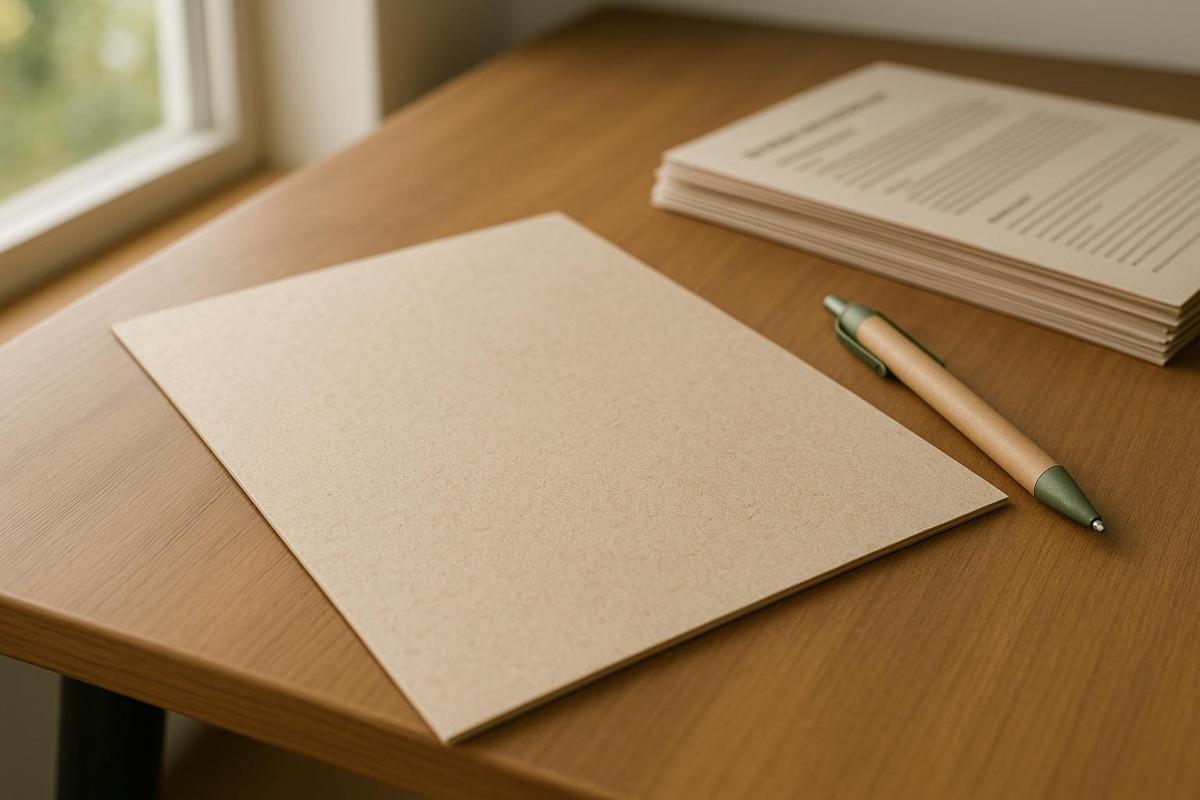
Bagasse paper is a practical alternative to wood-based paper, offering a way to reduce waste and use resources more efficiently. Made from sugarcane byproducts, it turns agricultural leftovers into high-quality paper suitable for printing. Here’s why it matters:
- Eco-friendlier production: Requires less energy, water, and chemicals compared to traditional paper manufacturing.
- Reduces deforestation: Repurposes sugarcane waste, cutting down on the need for wood pulp.
- Reliable for printing: Maintains durability and supports both digital and offset printing methods.
- Cost-effective: Delivers quality results without inflating costs.
Bagasse paper is gaining popularity for business materials like brochures, business cards, and packaging. It’s a smart choice for companies aiming to reduce their impact while maintaining professional results.
What Is Bagasse Paper? – Graphic Design Nerd

Problems with Traditional Printing Paper
The production of conventional printing paper takes a heavy toll on the environment, relying on methods that consume significant resources and contribute to ecological harm.
Deforestation and Loss of Wildlife Habitats
Every ton of traditional paper requires cutting down about 17 trees. This not only reduces forest cover but also disrupts ecosystems, eliminating critical habitats for countless species.
High Resource Use and Pollution
Creating a single ton of standard paper demands an enormous amount of resources: 7,000 gallons of water and 6,500 kWh of energy. On top of that, the process involves numerous chemicals, further contributing to water and air pollution.
Carbon Emissions from Paper Production
The carbon footprint of wood-based paper is substantial. The energy-intensive manufacturing process, combined with the use of harmful chemicals, leads to significant greenhouse gas emissions, amplifying its environmental impact.
These challenges highlight the urgent need to explore more sustainable options for paper production.
How Bagasse Paper Solves These Problems
Bagasse paper offers a clever solution to the twin challenges of deforestation and resource overuse by turning sugarcane residue into a practical alternative to traditional paper.
Made from Agricultural Waste
Bagasse, a byproduct of sugarcane processing, is already partially refined before it even reaches the paper-making stage. This makes it an efficient resource to repurpose. By using this abundant agricultural waste, we can cut down on the need for wood pulp, easing the strain on forests. Plus, bagasse’s natural properties make the production process smoother and more efficient.
Conserves Energy and Water
Bagasse paper production doesn’t just save trees – it also minimizes energy and water use. Since bagasse undergoes partial processing during sugar extraction, it requires fewer steps to turn it into paper. The pulping process is also more resource-friendly, operating at lower temperatures and using fewer chemicals due to the reactive lignin in bagasse. These factors combine to significantly reduce the environmental footprint of manufacturing bagasse paper.
sbb-itb-ce53437
Benefits of Bagasse Paper for Commercial Printing
For businesses looking to make eco-conscious choices, bagasse paper is becoming a popular option for commercial printing. Made from sugarcane byproducts, it helps reduce waste while offering dependable print quality. Let’s dive into why bagasse paper stands out in commercial printing.
Durable and Reliable for Printing
Bagasse paper is crafted to deliver sharp, consistent prints. Its sturdy composition ensures that materials like business cards, brochures, and flyers retain their professional look, even with frequent handling.
Compatible with Multiple Printing Methods
One of the standout features of bagasse paper is its flexibility. It works well with both digital and offset printing, making it a reliable choice for a wide range of projects – think catalogs, magazines, or promotional materials. No matter the method, the results remain consistent and polished.
Cost-Effective and Environmentally Friendly
By using less wood and repurposing agricultural waste, bagasse paper supports eco-friendly practices. And the best part? It does so without straining budgets, offering an affordable way to align with sustainable business goals.
Using Bagasse Paper in Custom Printing Projects
Bagasse paper is making waves in custom printing projects, combining sustainability with reliable print quality. Made from sugarcane waste, this eco-friendly alternative is gaining traction across industries looking to reduce their environmental footprint without compromising on results.
Marketing and Business Material Applications
Bagasse paper shines in marketing and business materials. For direct mail campaigns, items like postcards, flyers, and promotional pieces benefit from its durability and unique texture, making a lasting impression.
When it comes to corporate stationery, such as business cards, letterhead, and envelopes, bagasse paper offers a smooth surface that ensures sharp text and vibrant logos. It’s also a fantastic choice for event materials and packaging elements like hang tags or product information sheets – perfect for businesses and events aiming to highlight eco-conscious values. Beyond functionality, using bagasse paper in these applications reinforces a commitment to sustainable practices while showcasing creative possibilities.
Printing Services by Miro Printing & Graphics Inc.
For those seeking sustainable printing options with high-quality results, Miro Printing & Graphics Inc. in Hackensack, NJ, offers a wide range of services tailored to diverse project needs. Their expertise includes digital printing, offset printing, large format printing, in-house bindery, computer layout and design, and mailing & fulfillment services. While eco-friendly materials like bagasse paper aren’t explicitly listed in their offerings, their extensive capabilities allow clients to explore various substrates, including sustainable options.
If you’re interested in incorporating bagasse paper into your project, the team at Miro Printing & Graphics Inc. can help ensure your design and quality goals align with your environmental values. Discussing your specific needs with their experts can open up creative and sustainable possibilities for your next printing project.
Conclusion: The Future of Green Printing
Bagasse paper stands out as a game-changer in the journey toward greener printing practices. Made from sugarcane waste, this eco-friendly alternative requires less energy and water during production, which helps cut down on carbon emissions. It’s a smart way to turn agricultural waste into something both practical and sustainable.
What’s even better? Bagasse paper performs exceptionally well. It provides crisp text and vibrant colors, whether you’re using digital or offset printing methods. Its smooth surface and durability make it perfect for a wide range of uses, from corporate stationery to marketing materials and packaging. Plus, it offers businesses the chance to reduce costs while enhancing their reputation among environmentally conscious consumers.
As production methods improve and more companies embrace this option, bagasse paper is poised to offer a competitive edge. It allows businesses to shrink their environmental footprint without sacrificing quality or professionalism. By adopting bagasse paper, companies can align their branding with sustainability – a win-win for both the planet and their bottom line.
The future of printing is all about finding solutions that meet business needs while respecting the environment. Bagasse paper transforms waste into top-notch printed materials, proving that eco-friendly choices don’t have to mean compromising on quality. With its growing appeal, bagasse paper is set to become a leading option in the printing industry.
FAQs
How does bagasse paper perform in printing compared to traditional wood-based paper?
Bagasse paper provides an eco-conscious alternative to traditional wood-based paper, though it does come with some unique characteristics. Its fibers are shorter, and the paper often has a lower brightness level, which can slightly affect the sharpness and vibrancy of printed designs. While it may not offer the same durability or polished finish as premium wood pulp paper, it remains a practical option for a variety of printing projects.
By using the right inks and printing methods, bagasse paper can produce impressive results. It’s an excellent choice for businesses and individuals aiming to prioritize sustainability without sacrificing usability or functionality.
What are the environmental advantages of using bagasse paper instead of traditional paper?
Bagasse paper stands out as a greener alternative to traditional paper. Crafted from sugarcane fibers – a byproduct of sugar production – it not only cuts down on waste but also encourages the reuse of natural materials that might otherwise go unused.
Producing bagasse paper uses less energy and water, which means it leaves behind a smaller carbon footprint. Plus, it breaks down quickly, making it an excellent compostable option for businesses aiming to minimize their environmental impact. Opting for bagasse paper is a step toward a cleaner, more resource-conscious printing solution.
Is bagasse paper suitable for all types of printing projects, or does it have specific limitations?
Bagasse paper offers a more environmentally conscious choice for various printing needs, though it does have a few drawbacks. Its surface tends to be slightly rough, and the fibers can be distributed unevenly. These factors might impact the quality of prints that require a high-gloss finish or intricate details. Another consideration is that bagasse pulp contains elements like silicon dioxide, which, if not properly processed, could potentially damage printing equipment.
For everyday printing tasks, bagasse paper performs reliably and comes with the added benefit of being a greener option. However, it might not be ideal for projects demanding perfectly smooth surfaces or exceptional image precision. It’s always a good idea to check with your printer to see if bagasse paper suits the needs of your project.
Related Blog Posts
- Cost Analysis: Traditional vs. Alternative Materials
- Cost-Saving Tips for Sustainable Paper Choices
- Checklist for Choosing Recycled Paper for Printing
- Guide to Eco-Friendly Printing Substrates
https://app.seobotai.com/banner/banner.js?id=68ae4e2ab36f318d4f10bee3
 BergenCountyPrintersBlogs