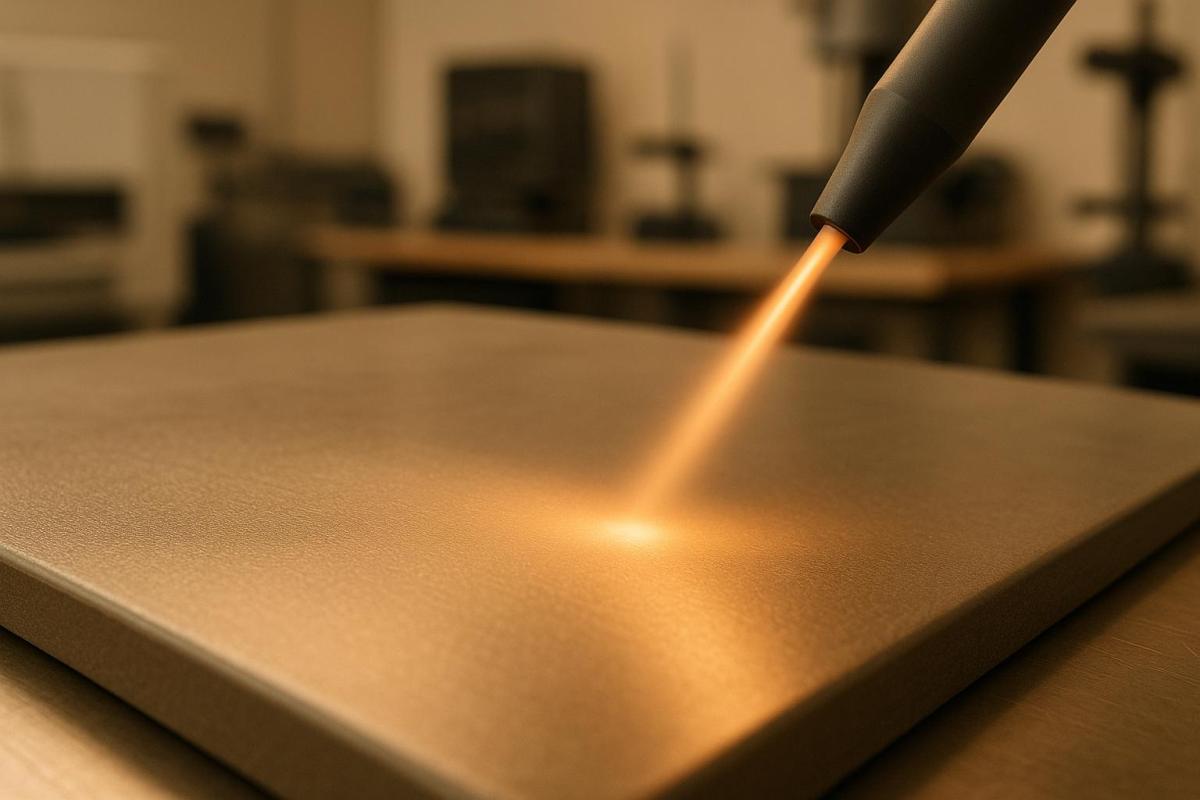
Getting ink to stick to materials like polyethylene or polypropylene can be challenging because of their low surface energy. Without proper preparation, prints may fade, peel, or smudge. The solution? Surface treatments that modify material properties to ensure ink bonds effectively. Here’s a quick breakdown:
- Why Ink Doesn’t Stick: Low-energy surfaces repel ink, requiring at least 38 dynes/cm for proper adhesion.
- Fixing the Problem: Techniques like corona, plasma, or primers increase surface energy or create bonding layers.
- Choosing the Right Method: Each treatment method – corona for cost-efficiency, plasma for precision, primers for tough cases – has specific strengths and use cases.
- Testing Is Key: Adhesion tests (e.g., tape test, dyne pens) confirm the success of treatments.
Surface treatments not only improve print durability but also reduce waste by preventing adhesion failures. Whether you’re printing on plastic films or metals, the right method ensures consistent, high-quality results.
Plasma and Flame Surface Treaters Improve Ink Adhesion for printing
Common Surface Treatment Methods
In the printing industry, three main surface treatment methods stand out, each tailored to specific materials and applications. Knowing how these methods work can help printers select the best option for their needs.
Corona Treatment
Corona treatment uses high-voltage electrical discharge to make challenging surfaces more ink-friendly. By exposing the material to electrical energy, oxygen in the air is ionized, creating ozone that oxidizes the surface. This oxidation increases the surface energy, allowing inks to adhere effectively.
This method is especially popular in flexography due to its ability to reliably control surface energy. It works by altering the polarity of non-absorbent materials like polyethylene and polypropylene, which naturally have low surface tension. Corona treatment can raise surface tension to the ideal range of 45-48 dynes/cm, ensuring high-quality printing.
One of the advantages of corona treatment is its simplicity. The equipment is relatively easy to use and integrates seamlessly into most production lines. It’s also considered a cost-efficient option, as the treatment is typically applied during manufacturing. For applications requiring more precision, plasma treatment may be a better choice.
Plasma Treatment
Plasma treatment offers a more precise approach by using ionized gas to modify surfaces. This method provides better control and uniformity compared to corona treatment, making it ideal for applications with strict specifications.
In plasma treatment, a highly energized gas interacts with the surface molecules, increasing surface energy while allowing for fine-tuned adjustments based on material needs. Unlike corona treatment, plasma can be customized for different substrates and requirements.
This method works well on a variety of materials, including both plastics and metals, making it a versatile option for complex projects that involve multiple substrate types. However, the added precision comes with higher equipment costs and greater operational complexity. Despite these challenges, plasma treatment is often worth the investment for projects requiring consistent, high-quality results across diverse materials.
When surface energy modification isn’t enough, primers can serve as an alternative solution, creating a bond between the ink and the substrate.
Primers and Adhesion Promoters
For situations where electrical treatments aren’t feasible, primers provide a practical alternative. Instead of altering surface energy, primers create a bonding layer that enables ink to stick to the substrate. This chemically compatible interface ensures strong adhesion.
Primers are applied through methods like spraying or dipping, and their formulations vary to suit different materials. This flexibility allows printers to select primers that work with both the substrate and the ink system being used.
UV-curable primers are particularly popular for synthetic materials. These primers cure quickly under UV light, forming a durable bond that enhances adhesion and print longevity. They’re especially useful for high-speed production or applications requiring immediate handling.
Primers are a go-to solution for materials that resist electrical treatments. They can be applied selectively to specific areas, offering targeted adhesion. However, using primers adds an extra processing step and requires careful selection to ensure compatibility with both the substrate and the ink.
Ultimately, the choice between corona treatment, plasma treatment, and primers depends on the specific materials, production needs, and quality goals. Corona treatment is a cost-effective option for many common materials, plasma offers precision for demanding applications, and primers provide a reliable solution when other methods fall short.
How Surface Treatments Improve Ink Adhesion
Improving ink adhesion starts with modifying surface energy, a crucial factor in transforming materials that are difficult to print on into ones that are more ink-friendly. By employing specific surface treatment techniques, manufacturers can significantly enhance the interaction between ink and substrate.
Raising Surface Energy
The secret to better ink adhesion lies in increasing surface energy – a measure of how readily liquids can spread across a material’s surface. Many printing challenges arise from materials with naturally low surface energy, which causes ink to bead up and fail to bond properly.
To address this, low-surface-energy materials need to reach at least 38 dynes/cm for effective ink wetting and bonding. Techniques like corona and plasma treatments are designed to tackle this issue. These methods introduce polar functional groups, such as hydroxyl, carbonyl, and carboxyl, onto the material’s surface through oxidation. This chemical modification boosts surface energy, making the material more receptive to ink.
When ink encounters a surface with high energy, it spreads evenly instead of forming droplets. This maximized contact ensures stronger adhesion and delivers better print quality.
Surface Changes and Cleaning
Beyond raising surface energy, these treatments also clean and physically alter the surface. For instance, corona and plasma treatments create a high-energy environment that volatilizes contaminants and slightly etches the surface. This etching introduces micro-roughness, which increases the surface area and provides more anchor points for mechanical bonding.
For materials that respond poorly to electrical treatments, mechanical cleaning methods like sanding or abrasion can achieve similar results. These methods remove debris and enhance surface roughness, further supporting ink adhesion.
Using Multiple Treatments Together
Combining surface treatment methods can produce results that exceed what a single approach can achieve. A popular strategy involves plasma treatment followed by the application of a primer. Plasma treatment raises the surface energy and cleans the substrate, while the primer acts as a chemical bridge between the ink and the treated surface. This dual process enhances both adhesion and durability, especially for challenging materials.
Using multiple treatments is particularly effective in preventing adhesion failures in demanding environments, reducing risks like delamination, fading, or abrasion. However, timing is critical – surface treatments can lose effectiveness over time, so follow-up treatments must be applied while the initial effects are still active.
For example, Miro Printing & Graphics Inc. employs this dual-method approach to achieve consistent, high-quality results. They also incorporate quality control measures such as surface energy testing and adhesion tests to customize the process for specific materials and printing needs.
Investing in combined treatments pays off by improving print quality, minimizing waste caused by adhesion failures, and enhancing the durability of the final product. This multi-step strategy lays the groundwork for rigorous adhesion testing and quality assurance, ensuring reliable outcomes for every project.
sbb-itb-ce53437
Comparing Surface Treatment Methods
Selecting the right surface treatment method is essential for achieving high-quality prints. Each method comes with its own strengths and weaknesses, impacting factors like cost, print quality, and compatibility with different materials. By understanding these differences, you can make better choices tailored to your specific needs.
Pros and Cons of Each Method
Corona treatment is a widely-used option for increasing surface energy, especially in high-volume production. It raises surface tension to the required 38 dynes/cm or higher, ensuring successful printing. Its cost-effectiveness and ability to integrate with existing production lines make it a popular choice.
However, corona treatment isn’t without challenges. Its effects diminish over time, particularly during long storage periods. It’s less effective on three-dimensional objects and requires controlled environments for consistent results. Additionally, it generates ozone, so proper ventilation is necessary.
Plasma treatment stands out for its ability to make molecular-level modifications. By using ionized gas, it creates stable and uniform surface changes that often last longer than those achieved with corona treatment. This method works on both plastics and metals, offering versatility. Its precise control over surface chemistry improves bonding with inks.
The downsides? Plasma treatment requires a higher initial investment and typically operates at slower speeds compared to corona treatment. While it produces minimal waste and emissions, it demands strict safety protocols for handling electricity and gases.
Flame treatment provides an economical way to prepare surfaces. It involves exposing materials to a controlled flame made from low-pressure air and gas. This method is effective for plastic substrates, especially those with mold release coatings that can challenge other treatment methods. It also comes with relatively low equipment costs.
On the flip side, flame treatment struggles with treating complex shapes uniformly and risks damaging surfaces with excessive heat. Combustion byproducts may require ventilation and adherence to environmental regulations.
Primers and adhesion promoters offer a different approach by creating a bondable layer between the ink and substrate rather than altering the surface itself. They ensure consistent adhesion, even on substrates with problematic surface properties, like those containing slip agents that migrate to the surface.
The drawbacks include additional processing steps, which increase production time and labor costs. Primers also add to material expenses and may affect the substrate’s appearance or thickness. Proper curing time is essential, adding another layer of quality control.
| Treatment Method | Surface Energy Increase | Initial Cost | Production Speed | Durability | Environmental Impact |
|---|---|---|---|---|---|
| Corona | High | Moderate | Very High | Good | Moderate (ozone) |
| Plasma | Very High | High | Moderate | Excellent | Low |
| Flame | Moderate | Low | High | Good | Moderate-High (emissions) |
| Primers | High | Variable | Low-Moderate | Excellent | Variable (VOCs) |
Picking the Right Method for Your Material
The best surface treatment method depends on your material and production needs. To ensure proper adhesion, aim for a surface tension about 10 dynes/cm higher than your ink’s surface energy.
Polyolefin films like polyethylene and polypropylene are well-suited to corona treatment, which balances cost and effectiveness for these low-energy materials. However, if the films contain slip agents above 500 ppm, you’ll need to address the weak boundary layer they create before treatment.
Metal substrates and advanced plastics benefit most from plasma treatment. Its molecular-level modifications and versatility make it ideal for these materials. While the upfront costs are higher, the improved durability and quality often justify the investment for specialized applications.
Small-scale operations or production environments with varied needs might find flame treatment more practical. It’s particularly effective for plastic surfaces with mold release coatings, and its lower equipment costs make it accessible for businesses with tighter budgets.
Challenging substrates that don’t respond well to energy-based treatments may require primers or adhesion promoters. This approach ensures strong adhesion and works on materials that resist other methods.
Production volume also plays a key role. Corona treatment is ideal for high-volume, continuous production thanks to its speed and integration capabilities. Plasma treatment is better suited for specialized, low-volume tasks where quality is more important than speed. Primers, while versatile, add extra processing steps that can slow down production.
Finally, consider your facility’s capabilities. Corona and plasma systems require specialized maintenance and electrical safety protocols. Flame treatment involves fire safety measures and exhaust management. Using primers means handling hazardous materials and managing waste disposal.
For flexographic inks with surface tensions of 35-38 dynes/cm, aim to treat surfaces to 45-48 dynes/cm. This ensures the substrate meets the necessary energy levels for optimal adhesion.
Testing and Checking Ink Adhesion
Regular adhesion testing is a key step in ensuring effective surface treatments and maintaining high print quality. These tests are a cornerstone of strict quality control throughout the production process.
Standard Adhesion Tests
One of the most commonly used methods for checking ink adhesion is the tape test, which follows ASTM D3359 standards. This involves making cross-hatch cuts in the printed ink layer, applying a standardized adhesive tape over the area, and then quickly removing it. The amount of ink that remains on the substrate is then evaluated. If minimal ink is removed, it signals strong adhesion, whereas significant ink removal indicates weak bonding.
Another method, shear strength testing, measures the force required to separate the ink from the substrate. This test provides precise data, which is especially important when specific adhesion values are required for certain applications.
Dyne pen tests are also widely used to confirm that surface treatments have raised the substrate’s surface energy to the necessary levels. For example, substrates designed for flexographic inks typically need surface energies of 45–48 dynes/cm, while the inks themselves usually have surface tensions of 35–38 dynes/cm. Additionally, cross-hatch testing and rub resistance tests offer both qualitative and quantitative insights into how the ink will perform under real-world conditions.
Why Quality Control Matters
These testing methods form the backbone of robust quality control, which helps prevent small issues from turning into costly production problems. Even minor inconsistencies in surface preparation, ink chemistry, or environmental conditions can weaken adhesion. This can lead to product returns, damaged customer trust, or higher costs due to rework.
Environmental factors, in particular, can significantly affect adhesion. For instance, high humidity may slow ink drying, while elevated temperatures can speed up additive migration, weakening the bond. Additionally, when slip agents in film substrates exceed 500 ppm, they can create weak boundary layers that reduce adhesion. Regular testing helps catch these issues early, preventing larger problems down the line.
Keeping detailed records of test results is another critical aspect of quality control. These records help track equipment performance, ensure process consistency, and support ongoing improvement efforts. Proper training on testing techniques and routine calibration of equipment are also essential for ensuring accurate and reliable results.
Miro Printing & Graphics’ Methods
At Miro Printing & Graphics Inc., rigorous adhesion testing is an integral part of the production process to guarantee high-quality prints. The company employs multiple testing methods to confirm that surface treatments meet the specific demands of various printing applications. These tests are carefully aligned with their surface treatment strategies to ensure every substrate meets the required standards.
Before printing, dyne pen measurements are used to verify that substrates have been properly treated. During production, tape tests provide quick quality checks, allowing for real-time adjustments to surface treatments or ink formulations as needed.
After production, more detailed testing – such as shear strength testing and rub resistance tests – is conducted to ensure the final products can withstand their intended use. Whether it’s outdoor signage or packaging, these protocols confirm that the products are built to last. Additionally, all test results are recorded to optimize future projects and provide quality assurance documentation for customers.
Environmental monitoring also plays a key role. By tracking factors like temperature and humidity during printing and curing, Miro Printing & Graphics ensures that adhesion develops as expected. For specialized applications that demand maximum durability, the company employs a combination of advanced surface treatments and rigorous testing to consistently deliver products that meet or exceed performance requirements.
Getting Better Ink Adhesion with Surface Treatments
Surface treatments play a key role in tackling the common issue of poor ink adhesion on low-energy substrates. By increasing surface tension, these treatments create the conditions needed for strong bonding. For durable prints, substrates should ideally have a surface tension about 10 dynes/cm higher than the ink’s surface energy.
The success of these treatments depends on achieving the right energy balance. Methods like corona, plasma, flame treatments, and chemical primers are tailored to address specific substrate challenges and production needs. When used together strategically, they bridge the gap between low-energy surfaces and dependable ink adhesion.
A multi-step approach often delivers the best results. Start by cleaning the surface to remove contaminants. Then, apply surface modification treatments to boost surface energy. Finally, use primers to achieve the highest level of adhesion when needed. This layered process tackles different adhesion challenges, making it particularly effective for applications that demand long-lasting durability.
To ensure the treatments work as intended, standard tests are used to verify that the required surface energy has been achieved. These quality control steps, combined with environmental monitoring, help maintain consistent adhesion under varying production conditions.
Miro Printing & Graphics Inc. brings decades of expertise to the table, offering tailored guidance to match treatment methods with specific substrate and ink challenges. Their technical support simplifies the process of selecting the best treatment combinations for unique printing needs.
Whether you’re working with tricky polyolefin films, metal substrates, or specialized applications that demand extra durability, the right surface treatment can turn adhesion problems into smooth, reliable results. Proper preparation not only enhances print quality but also reduces waste and ensures consistent performance across a range of printing projects.
FAQs
How can I choose the right surface treatment to improve ink adhesion for my material?
When it comes to choosing the right surface treatment, a few crucial factors come into play: the material you’re using, the type of ink, and the desired appearance and durability of your print. Techniques such as corona treatment, plasma treatment, and primers each offer distinct advantages, making them suitable for various materials and printing needs.
If you’re unsure which option is best for your project, reaching out to an experienced print shop like Miro Printing & Graphics Inc. in Hackensack, NJ, can make all the difference. Their knowledge of printing methods and materials can guide you in selecting the ideal approach to achieve top-notch results tailored to your requirements.
What are the main differences between corona and plasma treatments, and how do they affect ink adhesion on various materials?
Corona and plasma treatments are both techniques used to enhance surface properties for better ink adhesion, but they operate differently and are suited to distinct materials. Corona treatment relies on a high-voltage electrical discharge to boost the surface energy of non-porous materials like plastics, making them more ink-friendly. In contrast, plasma treatment uses ionized gas to clean, activate, or coat surfaces, offering greater precision and the flexibility to treat a broader range of materials, including metals and glass.
Choosing between these methods often comes down to the material and the specific application. Corona treatment is generally more budget-friendly and ideal for flat, simple surfaces. Plasma treatment, however, excels with intricate shapes and materials that need a more thorough treatment. Both approaches are effective, but selecting the right one depends on the unique requirements of your project to achieve the best ink adhesion results.
What’s the best way to ensure ink adheres well and lasts on different surfaces, even in challenging conditions?
When it comes to ensuring durable and lasting ink adhesion, choosing the right surface treatment for your material and ink type is key. Techniques like corona treatment, plasma treatment, or applying primers are widely used to prepare surfaces, enhancing their ability to bond with the ink effectively.
Partnering with experienced professionals can elevate your results. A reliable print shop with expertise in surface treatments can help you select the most suitable method for your project. This ensures not only strong adhesion but also resistance to environmental wear, keeping your product intact throughout its lifecycle.
Related Blog Posts
- Troubleshooting Surface Coating Defects in Printing
- Substrate Selection for Digital Printing
- Common Substrate Defects in Printing
- Why Surface Uniformity Impacts Print Quality
https://app.seobotai.com/banner/banner.js?id=68fc16499cea6427b3fd9216
 BergenCountyPrintersBlogs