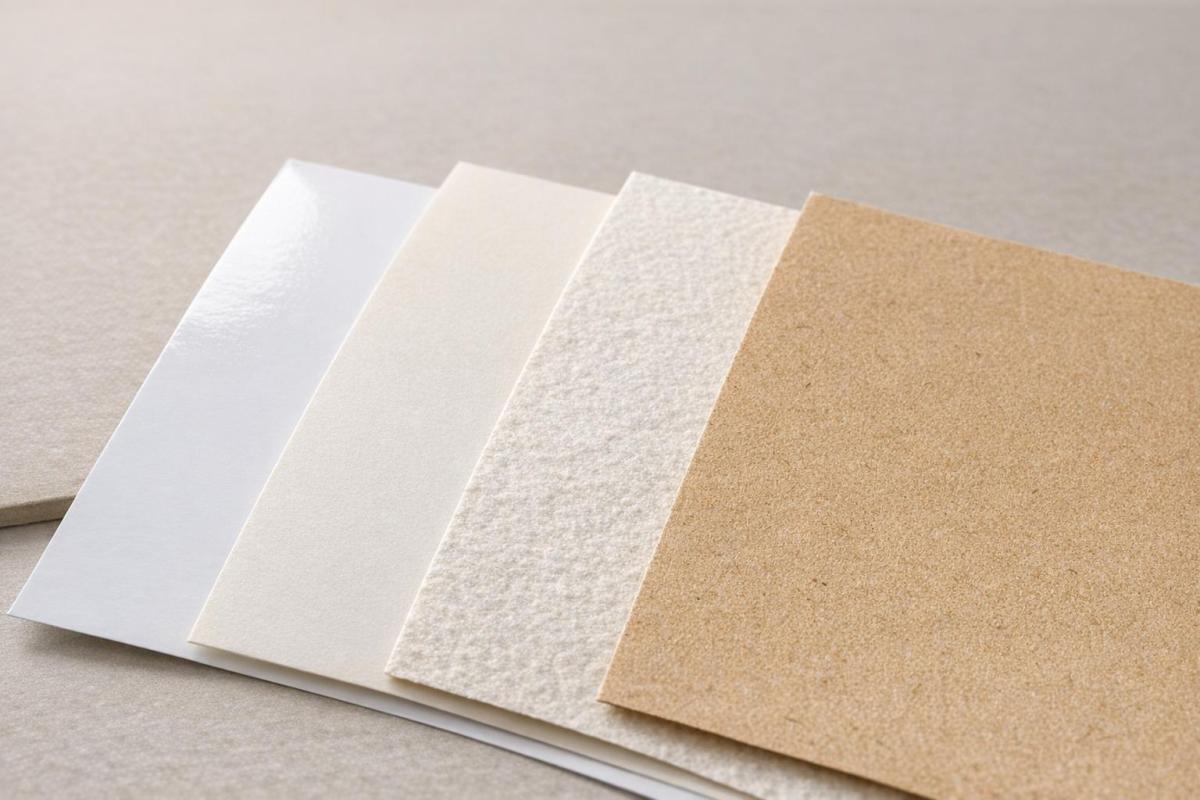
Choosing the right substrate is crucial for achieving high-quality prints. The substrate affects how ink adheres, the sharpness of images, and the durability of the final product. Here’s what you need to know:
- Surface Texture: Smooth substrates improve ink coverage and color precision. Coated papers create sharp visuals, while uncoated papers offer softer tones.
- Moisture Content: Balanced moisture prevents curling and warping. Store paper in controlled conditions (70°F, 40% humidity) and allow time for acclimation.
- Porosity: Low-porosity substrates enhance color vibrancy, while high-porosity materials absorb ink, leading to muted tones.
Different printing methods have specific substrate requirements:
- Digital Printing: Liquid toner needs coated substrates, while dry toner works with heat-resistant materials.
- Offset Printing: Ideal for coated and uncoated papers, with synthetic options for UV offset.
- Large Format Printing: Vinyl and aluminum are durable for outdoor use, while fabric works well for indoor displays.
For cost and durability, balance your needs:
- Use lighter paper for short-term projects to save on costs.
- Opt for synthetic materials like vinyl or polyester for long-term durability.
- Consider sustainable options like FSC-certified or recycled paper.
Whether you’re printing business cards or outdoor banners, matching substrate properties to your project ensures the best results.

Substrate Selection Guide by Project Type and Printing Method
Substrate Properties That Affect Print Quality
The physical and chemical characteristics of your substrate play a big role in determining how ink adheres, how sharp your images look, and how durable the final prints are. Three main factors influence print quality: surface texture, moisture balance, and porosity. Let’s break these down.
Surface Texture and Smoothness
The smoothness of a substrate reflects its uniformity, which directly affects how ink spreads and the lifespan of printing plates. As ZXC Print explains:
Smoothness is a critical indicator of paper quality, reflecting the uniformity and flatness of its surface.
Rougher surfaces can lead to uneven ink coverage and accelerate wear on printing plates. Additionally, textured substrates may cause halftone dots (the tiny dots that create shades and colors) to break apart or disappear, reducing image clarity and color precision.
For xerographic printing, maintaining paper smoothness between 150 and 200 Sheffield units is ideal. Coated papers hold ink on the surface, resulting in vibrant and crisp images, while uncoated papers allow ink to penetrate the fibers, creating softer tones and a more tactile feel. Lexmark highlights the importance of balance:
If paper is too rough, toner cannot fuse to it properly. If paper is too smooth, it can cause paper feeding or print quality issues.
Moisture Content and Stability
A substrate’s moisture content is another critical factor in achieving consistent print results. Paper naturally absorbs and loses moisture, and any imbalance can cause curling, warping, or feeding problems.
To maintain stability, store paper in a controlled environment – ideally around 70°F (21°C) with 40% relative humidity. Many label manufacturers suggest keeping the printing area between 65–75°F (18–24°C) and 40–60% relative humidity. Proper storage is key: keep the paper in its original wrapper and off the floor, using pallets or shelves.
Conditioning is equally important. Allow the substrate to acclimate to the printing environment for 24 to 48 hours before use. Thicker stocks may need several days to stabilize. This helps prevent curling and feeding jams. Papers made from 100% chemically treated pulped wood offer better stability compared to those containing natural fibers like cotton. For demanding conditions, such as outdoor use or high humidity, synthetic materials like SmartFlex resist moisture, ensuring they don’t warp, shrink, or become brittle.
Porosity and Ink Absorption
Porosity, or how porous a substrate is, affects how ink behaves when applied. The tiny gaps between fibers create capillary action, pulling ink from the plate or nozzle onto the surface. However, excessive porosity can cause ink to spread uncontrollably (known as dot gain), reducing sharpness, while low porosity may hinder proper ink transfer.
Porosity also impacts color vibrancy. Coated substrates, with lower porosity, keep ink on the surface, producing vivid, dense colors – perfect for brochures and catalogs. In contrast, porous materials like newsprint absorb ink deeply, leading to muted tones but faster drying times. As Labels and Labeling notes:
Consistent dots ensure uniform color.
Excessive porosity or overly thin ink can cause issues like show-through, where ink seeps through to the back of the sheet. Similarly, too much absorption can result in binder seepage, leaving pigments without enough binder to create gloss.
On non-porous materials like vinyl or polyester, ink adheres through chemical bonding or UV curing. For UV inkjet printing on synthetic substrates, a surface energy greater than 44 mN/m is necessary to ensure proper ink adhesion without additional pre-treatment.
Matching Substrates to Printing Methods
Choosing the right substrate for a specific printing method is crucial for achieving the best print quality. Each printing technology comes with its own set of substrate requirements. What works well for offset printing might not perform as effectively in digital printing, and vice versa. Understanding these differences can save you from costly errors and ensure your project meets its quality expectations.
Digital Printing
Digital printing encompasses various technologies like liquid toner (e.g., HP Indigo), dry toner (e.g., Xeikon), and inkjet systems. Each has unique needs when it comes to substrates.
Liquid toner dominates 72% of the digital printing market and requires substrates with specialized coatings or primers to ensure proper ink adhesion and dot consistency. As Labels & Labeling highlights:
"The foundation for [color accuracy] is press repeatability, and half of press repeatability is dot consistency."
Dry toner, which accounts for about 19% of the market, is slightly more forgiving. However, it demands substrates that can handle fuser temperatures as high as 230°C (446°F). Materials like metallized papers and heat-sensitive synthetics should be avoided as they may melt under these conditions. For best results, standard xerographic printers work with paper weights ranging from 60 to 220 g/m², with an ideal smoothness between 150 and 200 Sheffield units.
For UV inkjet printing, surface energy plays a key role. EFI Jetrion explains:
"If [surface energy] is above 44 they know they will probably not have any trouble; any kind of regular UV ink is going to work well – give a nice film and nice adhesion."
Switching to premium instant-dry gloss paper can significantly improve color accuracy compared to non-optimized coated alternatives. To ensure consistent results, always use substrates recommended by your press manufacturer. For projects requiring durability, such as water or tear resistance, synthetic papers like BOPP or HDPE – when properly treated for ink adhesion – are excellent choices.
These requirements contrast sharply with the needs of traditional offset printing, as detailed below.
Offset Printing
Offset printing, in contrast to digital methods, has its own specific substrate demands. While traditional offset printing primarily uses paper and cardboard, advancements in UV offset technology have expanded the range to include plastics, synthetics, and metal-laminated papers. This versatility makes it a reliable choice for everything from business cards to premium packaging.
Coated papers graded No. 1 to No. 3 are ideal for projects requiring high-quality image reproduction, with "Premium" grades offering the brightest finishes. On the other hand, uncoated papers are better suited for text-heavy materials like books, manuals, and letterheads, especially when users need a writable surface. For heavier or coated papers used in brochures or folders, scoring the substrate before folding can prevent cracking along the fold lines.
Synthetic substrates used in offset printing must have a surface energy above 44 dynes to ensure proper ink wetting. Vinyl substrates for UV offset printing can last over seven years outdoors, making them a durable choice for long-term applications. Additionally, subsurface printing on clear synthetics – where the image is printed on the back of the substrate – can eliminate the need for lamination while delivering excellent durability.
Large Format and Specialty Printing
Large-format printing, used for banners, posters, and signage, requires substrates that can handle large sizes, outdoor exposure, and varying viewing distances. Vinyl remains the top choice for banners, with options like scrim vinyl for heavy-duty use and mesh vinyl for building wraps that allow airflow. High-quality banner vinyl typically weighs between 13 oz and 18 oz.
For outdoor signage, Dibond (Aluminum Composite Material) stands out for its rigidity, UV protection, and resistance to corrosion, making it perfect for long-term, high-end installations. Corrugated plastic (Coroplast) is a cost-effective, waterproof option commonly used for temporary signs like real estate or election yard signage.
XL Digital emphasizes the importance of considering more than just upfront costs:
"Choosing solely based on price often leads to expensive problems down the line. Consider the total cost of ownership, including installation complexity and expected lifespan."
For vehicle wraps or curved surfaces, cast vinyl is preferred over calendared vinyl due to its superior stability and ability to conform to irregular shapes. Mesh vinyl is also a practical choice for large outdoor banners, as it allows wind to pass through, reducing the risk of tears. Fabric substrates are gaining popularity for retail displays and trade show booths because they’re lightweight, easy to transport, and offer a glare-free, polished look. Large-format printing can accommodate roll widths ranging from 18 to 100 inches, making it suitable for a wide range of applications.
Choosing Substrates by Project Type
Selecting the right substrate for your project is the key to achieving a polished, professional finish. While substrate properties like texture and coating play a big role, how these factors fit into specific project needs is just as important.
Marketing Materials (Brochures, Business Cards, Flyers)
Marketing materials need to make an impact without breaking the bank. The substrate you choose affects not only the look but also the feel of your materials, leaving a lasting impression on potential customers.
Business cards should feel substantial and professional. Typically, 12pt or 14pt cover stock (100# or 120# cover weight) is used, but premium options like 18pt to 24pt are also available. For cards that require writing, such as appointment reminders, opt for a dull/matte or uncoated finish to avoid smudging. If you’re using metallic inks, stick to gloss-coated stocks, as the effect doesn’t translate well to uncoated or matte surfaces.
Brochures often use 100# gloss text for a balance of quality and cost. For brochures with multiple folds, lighter text-weight paper (70# to 100#) works best to ensure they lay flat.
Flyers benefit from 80# or 100# gloss text, offering a cost-effective yet polished appearance. For standalone handouts like table tents, consider upgrading to 80# gloss cover for added sturdiness. A paper brightness of 90 or above enhances colors, which is vital since color influences 85% of customer purchasing decisions.
| Project Type | Recommended Substrate | Key Features |
|---|---|---|
| Business Cards | 120# (14pt) Cover | Durable, professional feel |
| Brochures | 100# Gloss Text | Vibrant colors, folds easily |
| Flyers | 80# or 100# Text | Economical, sharp image quality |
| Postcards | 120# Gloss or Dull Cover | Meets postal thickness standards |
| Letterhead | 70# Uncoated Text | Lightweight, printer-friendly |
Keep in mind that mailing brochures or postcards comes with specific postal regulations regarding thickness, and weight directly impacts postage costs.
Packaging and Labels
Packaging and labels not only need to look good but also withstand tough conditions. From shipping to environmental exposure, these substrates must stay intact and legible. A poor choice can lead to financial losses or even safety hazards if critical details fade or become unreadable.
For indoor, short-term uses like retail labels or packaging, paper substrates work well. However, for items exposed to moisture, chemicals, or outdoor conditions, synthetic substrates like polypropylene, polyester, or vinyl are the better choice. As Taylor Corporation highlights:
"A label’s failure in legibility, colorfastness or adhesion can create significant financial loss and even the risk of injury."
- Polypropylene: Moisture-resistant and moderately durable, this is ideal for consumer goods and soft drink labels, lasting six months to two years in indoor or short-term outdoor settings.
- Polyester films: More rigid and tear-resistant, these substrates work well for industrial labels and can last two to five years outdoors.
- Vinyl substrates: Exceptionally durable, these can last seven or more years outdoors and are perfect for curved surfaces.
Synthetic films also provide better color consistency and dot precision compared to rougher paper surfaces. For digital printing, ensure substrates have a surface energy of at least 44 to guarantee proper ink adhesion. Subsurface printing, where the image is printed on the back of a clear synthetic material, offers added durability by using the substrate itself as a protective layer.
Large-Format Projects (Banners, Signs)
Large-format projects like banners and signs require substrates that can handle outdoor exposure and large-scale displays. The material you choose determines the durability and effectiveness of your signage.
Vinyl is a go-to for outdoor banners due to its weather resistance. For windy areas, mesh vinyl with tiny holes allows wind to pass through, reducing the risk of tearing. Max Deng from MaxPrintHub notes:
"Vinyl is great for outdoor signs because it lasts long and handles weather well. Paper, however, works best for short-term indoor displays."
Aluminum is another excellent choice for long-term outdoor signage, offering rust-proof durability. If you’re looking for a glossy, eye-catching finish, acrylic delivers, though it can cost 30% to 100% more than aluminum. For temporary indoor displays, foam board is lightweight and affordable, while corrugated plastic is commonly used for yard signs and temporary outdoor notices.
Fabric substrates are gaining popularity for trade shows and events. They’re lightweight, wrinkle-free, and washable, making them reusable for multiple occasions. This aligns with the shift toward recyclable or biodegradable options, which over 65% of brands now prefer.
For outdoor applications, consider adding a protective film or laminate to block UV rays and prevent scratches. Match the finish to the setting: use matte finishes to reduce glare in professional indoor spaces, and opt for glossy finishes to make colors stand out in advertisements.
sbb-itb-ce53437
Weighing Cost, Durability, and Environmental Impact
Choosing the right substrate means finding the perfect balance between cost, durability, and environmental impact. This balance helps you make smarter decisions while maintaining print quality. Start by considering options that are cost-effective but still meet your standards.
Budget-Friendly Substrate Options
Cutting costs doesn’t have to mean sacrificing quality. Standard house stocks often strike a great price-to-quality balance compared to custom specialty papers. For large-scale projects like flyers or direct mail, lighter paper weights (70 lb to 80 lb text) are a practical choice since they help reduce mailing expenses.
Coated paper can be another economical option. It’s typically less expensive than uncoated paper and delivers vibrant colors with crisp image quality. Plus, lighter coated paper offers added protection without extra bulk. When selecting substrates, keep their function in mind to avoid unexpected shipping or mailing costs.
While budget-friendly options save money upfront, durability is key for long-term use.
Durability for Long-Term Use
For materials that need to withstand tough conditions, investing in durability pays off. Synthetic substrates like vinyl, polyester, and polypropylene are excellent choices. They resist moisture, tearing, and UV exposure, with durability ranging from vinyl’s 7+ years to polyester’s 2–5 years and polypropylene’s 6 months to 2 years outdoors. Though these materials may cost more initially, they save money over time by reducing the need for replacements.
For paper-based projects in damp environments, applying a UV coating helps repel water effectively. Heavier cover stocks (12 pt to 18 pt) are ideal for items that get frequent handling, such as business cards or menus. Be sure to consider substrate adhesion and legibility, as poor choices can lead to financial or safety risks.
Environmental Considerations
Opting for sustainable substrates benefits both the planet and your print quality. Look for certifications like FSC, PEFC, or SFI to ensure the paper is sourced from responsibly managed forests. Many papers contain 10–30% post-consumer waste, but you can also find options with up to 100% recycled content.
Bamboo paper is a standout alternative – it’s renewable, fast-growing, and requires minimal resources. For outdoor applications, synthetic papers made from HDPE are both water-resistant and recyclable, offering durability without compromising sustainability. However, keep in mind that while paper substrates are biodegradable, certain adhesives can make the final product non-biodegradable. As All Print Heads explains:
Switching to sustainable paper comes with a myriad of benefits that extend beyond just reducing your carbon footprint.
Conclusion
Choosing the right substrate is all about matching the material’s properties to your project’s goals. Factors like surface texture, moisture stability, and ink absorption play a huge role in determining how your print will look and hold up over time. As Allied Printing aptly states:
Paper can make or break a job, it’s as simple as that. You can have a beautifully designed piece, but if you choose the wrong paper, it won’t have the impact you envisioned.
Equally important is the printing method you plan to use. For instance, liquid toner reacts strongly to the substrate’s characteristics, while dry toner is more adaptable. Understanding these differences can help you avoid costly mistakes, such as reprints, while ensuring consistent color and quality.
When selecting a substrate, think about your project’s specific needs. If it’s a short-term flyer, you won’t need the same durability as an outdoor sign that has to withstand the elements. The environment and lifespan of your printed piece should guide your choice.
Cost and environmental impact are also key considerations. For budget-friendly projects, standard house stocks or lighter paper weights are sensible options. On the other hand, heavier or synthetic substrates are better suited for long-lasting projects. If sustainability is a priority, look into FSC-certified or recycled-content materials to meet environmental goals without sacrificing quality.
Finally, involve your print provider early in the process. Their expertise can help you match substrates with press capabilities for the best possible results. For tailored advice and reliable printing solutions, you might consider reaching out to Miro Printing & Graphics Inc. (https://bergencountyprinters.com), a trusted resource for delivering top-notch print quality.
FAQs
How does the texture of a substrate affect print quality?
The texture of the substrate has a big impact on print quality because it influences how the ink interacts with the surface. Smooth surfaces are great for achieving sharp details, consistent colors, and a clean, polished look. This makes them perfect for high-resolution photos or professional marketing materials. On the other hand, rough or textured surfaces can cause uneven ink absorption, which may result in blurred edges, color inconsistencies, or less-defined details.
For materials with more texture, like linen or felt, adjustments might be necessary. This could include using thicker layers of ink or adding protective coatings to maintain quality. At Miro Printing & Graphics Inc., we factor in the texture of the substrate, along with material type and the chosen printing method, to deliver the best possible results for your project.
What should I consider when choosing substrates for digital and offset printing?
Choosing the right substrate plays a key role in delivering high-quality prints, and the requirements vary depending on whether you’re using digital or offset printing.
For digital printing, the substrate must support effective ink or toner adhesion. This often means using materials with special coatings or treatments to ensure compatibility with inkjet inks or proper conductivity for toner. A smooth, bright, and uniform surface works best for creating vibrant colors and sharp details. Plus, the substrate needs to withstand the high temperatures of digital printing presses without deforming or melting.
In offset printing, the focus shifts to handling wet inks and mechanical pressure. Coated papers are a common choice because they offer a consistent surface for ink application, minimizing issues like dot gain. Stability under heat and pressure is also essential to achieve precise and reliable results.
At Miro Printing & Graphics Inc., we take the guesswork out of substrate selection. Whether your project calls for heat-stable, coated sheets for offset printing or specially treated media for digital printing, we ensure your prints meet the highest standards every time.
How can I choose an environmentally friendly substrate for printing?
When choosing a more planet-friendly substrate, start by checking for certifications like FSC, PEFC, or SFI. These labels indicate the material comes from responsibly managed forests. For paper options, aim for those with a high percentage of post-consumer waste (PCW) content, as this helps reduce the reliance on new fibers. Also, ensure the substrate works well with eco-conscious inks, such as soy-based or low-VOC varieties, to cut down on environmental harm.
It’s always a good idea to ask your printer to confirm the substrate’s sustainability features, like recycled content or whether renewable energy was used in its production. If you’re considering non-paper materials like synthetic films, look for options that are recyclable or made from recycled materials. Steer clear of coatings that might make recycling difficult, and choose materials designed for easy processing after use. Pairing sustainable substrates with mindful printing practices allows you to maintain high-quality results while aligning with your environmental priorities.
Related Blog Posts
- How to Choose the Right Paper for Custom Prints
- Substrate Selection for Digital Printing
- Common Substrate Defects in Printing
- Why Surface Uniformity Impacts Print Quality
https://app.seobotai.com/banner/banner.js?id=696c27200a871bef4ad346af
 BergenCountyPrintersBlogs