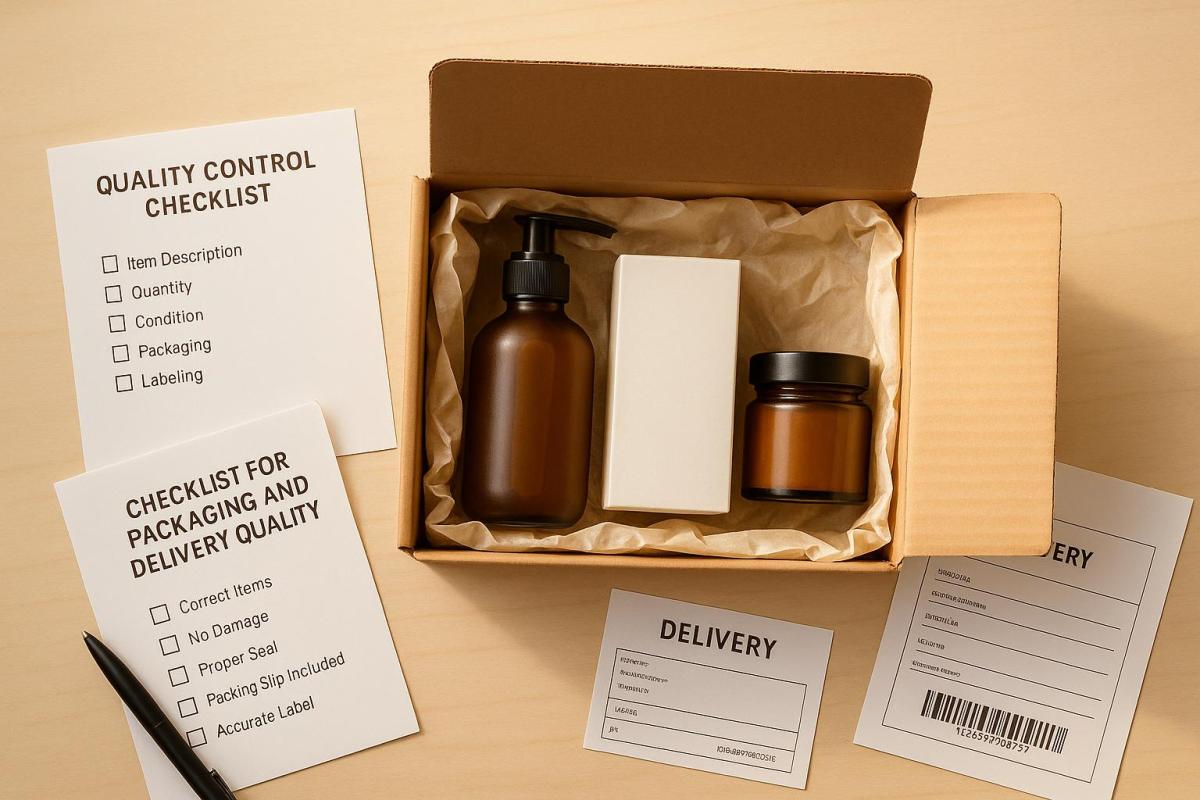
Packaging and delivery quality are critical for customer satisfaction and business success. Poor packaging can lead to damaged goods, high return rates, and negative reviews, while excellent packaging builds trust and loyalty. Here’s what you need to know:
- 60% of consumers value packaging quality, and 40% share unique packaging on social media.
- Poor packaging causes up to 30% of e-commerce returns in the U.S.
- A retailer reduced returns by 15% in six months by using a quality checklist.
Key Steps for Better Packaging and Delivery:
- Inspect Materials and Print Quality: Check for damage, ensure branding accuracy, and verify design clarity.
- Count and Verify Products: Match items to orders and confirm specifications.
- Test Packaging Durability: Conduct drop and pressure tests to ensure secure transit.
- Prepare for Shipping: Use clear labels, proper documentation, and stable pallet stacking.
- Collect Customer Feedback: Use surveys or follow-ups to identify and address issues.
Results to Expect:
- 30% fewer complaints about packaging and delivery.
- 20–25% more repeat customers due to improved trust.
- Better efficiency and cost savings from early issue detection.
Packaging Quality Control Checklist
Packaging Quality Control Checklist
Taking a methodical approach to packaging quality control after verifying materials and prints helps avoid expensive errors and safeguards your brand’s reputation. This checklist ensures every package meets high standards before it reaches your customers.
Check Packaging Materials and Print Quality
Begin by examining all packaging materials as soon as they arrive. Look for any visible damage, moisture exposure, or defects that could compromise the final product. Store these materials in a controlled environment to prevent issues like warping or ink absorption.
When it comes to print quality, focus on a few key areas. First, ensure color accuracy by comparing printed materials against approved color specifications – Pantone color matching is especially important for maintaining brand consistency. Next, confirm that logos, text, and graphics align with the approved design. Lastly, check for image clarity and sharpness, particularly in detailed graphics or small text.
Using digital proofs and samples is a great way to catch errors early. For instance, digital proofs or sample videos can highlight mistakes before full production begins. In one case, a customer spotted an error on a proof, allowing for a correction and a free reprint.
Always conduct test prints and sample checks before moving into full production. Once print quality is verified, move on to confirming item counts and specifications.
Count Items and Verify Products
Accurate item counting is essential to avoid one of the most common customer complaints. Count the units in each carton and compare them to the packing list. Discrepancies in item counts can lead to added costs for handling, restocking, and resolving customer service issues.
Set up a verification system to ensure products meet order specifications. Verify that each item matches the customer’s request in terms of size, color, quantity, and any customization. This step is especially critical for custom printing projects, where even minor variations can affect customer satisfaction.
For complex or high-value orders with multiple items, consider using a two-person verification process to reduce the chance of errors. Document any discrepancies immediately and follow a clear procedure to resolve them before shipping. Mistakes in counts or specifications can harm your brand and lead to costly returns.
Test Seals and Package Durability
Once materials and counts are confirmed, assess the physical strength of the packaging. Seal integrity testing is a must to ensure packages stay secure during transit. Check all adhesive seals, tape applications, and closures to confirm they are properly applied and firmly attached. Pay extra attention to corner seals and other stress points.
Conduct drop tests to evaluate how packages perform during shipping. Drop them from about 3 feet onto a hard surface, then inspect for seal failures, damage to corners, or product movement inside the package.
Use pressure testing to identify weak spots in the packaging. Apply moderate pressure to various areas of sealed packages to make sure they can handle the weight of other packages stacked on top during storage and transit.
Consistent quality control practices have been shown to reduce print and packaging defects by up to 50%, resulting in significant cost savings and happier customers. Randomly sampling packages from each batch can also help maintain consistent quality throughout production.
Maintain a quality log to document all inspections, any issues found, and the corrective actions taken. This record not only supports ongoing improvements but also provides traceability in case of post-delivery concerns. Regular staff training on these procedures reinforces the importance of each quality control step.
Delivery Preparation and Shipping Checklist
Once you’ve confirmed the packaging quality, the next step is all about ensuring secure and compliant delivery preparation. This involves paying close attention to shipping documentation, pallet stability, and carrier requirements to help packages arrive on time and in perfect condition.
Check Shipping Labels and Documents
Accurate shipping labels are essential for smooth delivery. Make sure labels are clear, properly placed, and verified with a barcode scanner. Double-check that all accompanying documents align with the customer order.
Barcode verification is a key step to avoid costly mistakes. Use a standard retail scanner to confirm that barcodes are readable and correctly linked to the right product details. Labels should be printed with high contrast, free of smudges, and placed away from edges or seams to prevent damage during handling.
For international shipments, customs declarations must include accurate product descriptions and values. Missing or incorrect paperwork can lead to delays at customs, so this step can’t be overlooked.
To catch errors early, use a standardized inspection checklist. This should cover details like order numbers, quantities, shipping addresses, and any special handling instructions. Once everything checks out, move on to securing the shipment for transit.
Secure Pallets and Prepare for Transit
Proper pallet stacking is critical to protect products during shipping. Stack cartons evenly, avoiding overhangs that can lead to damage. Place heavier items at the bottom to stabilize the load, and distribute weight evenly across the pallet surface.
Secure the load with strapping or shrink wrap, and consider using corner protectors or edge boards for added stability. These extra measures also help prevent strapping from damaging the packages.
Before loading, inspect each pallet for structural integrity. Conduct drop or tilt tests to ensure the load remains stable during normal handling conditions. Finish with a visual check to confirm everything is securely in place.
Meet Carrier Requirements
Different carriers have different rules, so it’s important to review their specific guidelines. These include labeling formats, weight and size limits, and required documentation like shipping manifests. Compliance with these standards helps avoid rejected shipments, extra fees, or delays.
Use carrier-specific checklists to verify shipments meet their requirements. This is especially important for businesses shipping custom-printed materials, where precision is critical to ensure smooth transit.
Training staff on carrier requirements is equally important. Regular updates on the latest guidelines ensure shipments are consistently prepared to meet current standards. Keep detailed records of shipping discrepancies or feedback from carriers to identify areas for improvement.
At Miro Printing & Graphics Inc., we follow these practices to ensure our shipments meet carrier standards, helping us deliver on time and keep our customers happy.
sbb-itb-ce53437
Customer-Focused Quality Control
Once the packaging and shipping processes are set, the final steps zero in on ensuring customer satisfaction. By thoroughly inspecting each package before it leaves the facility, businesses can build trust, reduce complaints, and minimize returns. These steps are all about delivering a seamless experience for the customer.
Final Package Inspection
Before dispatching, give each package a careful visual check. Look for any signs of damage, confirm the product matches approved samples, and ensure the seals are intact. Even minor physical flaws can impact a customer’s perception.
According to industry data, 70% of print defects are detected during the final inspection and packaging stage. Pay close attention to labels and barcodes, making sure they’re clear and correctly placed. Color accuracy is another critical factor – compare each batch to approved proofs to ensure consistency. Additionally, check that the physical substrate is free from any defects caused by improper handling or storage.
If any issues are identified during this stage, document them thoroughly. Tracking these patterns over time can highlight areas for improvement and help refine processes.
Maintain Order Consistency
Consistency is key to earning and keeping customer trust. Use standardized checklists for every shipment, regardless of the order size. Whether it’s a small batch or a large project, every order should receive the same level of care. Reference approved samples to ensure uniformity in color, size, and branding across all products.
Standardized quality control practices have been shown to reduce customer complaints by 30% and increase repeat business by 20%. To keep things on track, conduct regular audits, such as reviewing random samples of completed orders weekly. This ensures that all procedures are being followed and that standards remain high.
Staff Training and Oversight
The backbone of consistent quality lies in well-trained staff and effective oversight. Assign quality control tasks to team members who are well-versed in inspection procedures. Training should cover everything from using inspection tools to understanding relevant regulations and spotting defects. Clear accountability is also essential – introduce supervisor sign-offs and digital documentation systems to create a reliable chain of responsibility.
At Miro Printing & Graphics Inc., maintaining high standards through quality control is a top priority. They’ve implemented mentorship programs where seasoned staff guide newer team members, reinforcing best practices and ensuring that packaging and delivery meet the highest expectations. This kind of hands-on training helps sustain a culture of excellence.
Customer Feedback Collection and Implementation
Gathering customer feedback after delivery is where meaningful insights emerge. This stage of the quality process uses customer observations to fine-tune packaging and delivery standards. Even the most thorough quality checks can miss details that only surface after a product reaches the customer. A well-designed feedback loop helps catch these issues early and strengthens the overall customer experience.
Collect Post-Delivery Feedback
Act quickly to gather feedback. Add QR codes to package slips or send short email surveys within 24–48 hours of delivery. Focus on key areas like packaging condition, delivery timing, and order accuracy.
Keep surveys concise – 5 to 7 targeted questions work best. For example, ask questions like, “Was the packaging intact upon arrival?” or “Did your order contain all the correct items?” This approach ensures higher response rates and actionable insights.
For high-value orders, consider phone or SMS follow-ups to capture details that surveys might miss. The goal is to make the process simple and hassle-free for customers.
One company saw a boost in response rates and a drop in damage claims by implementing a similar program.
At Miro Printing & Graphics Inc., customer feedback plays a key role in maintaining quality. They share proofs and, in some cases, video samples of print jobs with customers before completing full orders. This proactive approach allows for early adjustments, resulting in consistently high satisfaction levels.
Once feedback is collected, the next step is to analyze the data and take action.
Review Feedback and Make Changes
After gathering responses, dive into the data to uncover trends and root causes. Organize feedback into categories like damaged packaging, delayed deliveries, labeling errors, or incorrect items. This makes it easier to spot patterns and prioritize fixes.
For example, if multiple customers report unclear shipping labels in a short period, it likely points to a larger issue rather than isolated incidents. Regularly reviewing feedback ensures both immediate problems and long-term improvements are addressed.
A 2022 McKinsey report revealed that companies using structured feedback systems reduced customer complaints by up to 30% within a year (McKinsey, 2022).
Root cause analysis is critical. For instance, if customers frequently report damaged products, dig deeper. Are packages mishandled during shipping? Is the packaging material insufficient? Or are items not securely packed? Asking "why" repeatedly helps uncover the real problem. Documenting every change ensures accountability and tracks whether the improvements are effective. For example, if barcode scanning issues persist, upgrading to better label printers and adding verification steps can resolve the problem.
Improve Processes Over Time
Use a PDCA (Plan-Do-Check-Act) cycle to turn feedback into meaningful improvements. Start by planning changes based on recurring feedback, test these changes on a smaller scale, monitor the results, and then standardize what works.
Update standard operating procedures and quality checklists to reflect customer input. For instance, if customers report packages arriving wet, adding moisture resistance testing to your checklist can address the issue. Similarly, if certain practices receive consistent praise, document them to ensure they’re applied universally.
Customer-driven feedback can also shape employee training. Instead of generic quality programs, focus on real issues customers face – like inconsistent packaging quality. Implement measures such as supervisor sign-offs or peer reviews during packing to address these concerns.
According to a 2023 survey by Qualtrics, 77% of consumers are more likely to recommend companies that actively seek and act on their feedback (Qualtrics XM Institute, 2023).
Track metrics like packaging complaints per 1,000 orders, customer satisfaction scores, and return rates to measure the impact of feedback-driven changes. These key performance indicators (KPIs) help determine whether adjustments are effective or if further tweaks are needed.
The best companies close the loop by letting customers know how their feedback has been used. Sending follow-up emails or including notes in future shipments that highlight improvements based on customer suggestions builds trust and encourages continued feedback. It’s a simple yet powerful way to strengthen relationships and show customers they’re truly heard.
Key Takeaways
Using a structured checklist for packaging and delivery quality can transform how orders are handled, leading to higher customer satisfaction. Companies that adopt detailed quality control processes report a 30% drop in customer complaints related to packaging and delivery errors. By catching issues before they reach customers, this approach prevents frustration and negative reviews that could harm a business’s reputation.
But it’s not just about avoiding problems – there are measurable benefits too. Strong quality control processes can lead to a 20–25% boost in repeat business thanks to happier customers. When orders arrive on time, in perfect condition, and exactly as promised, customers are more likely to return and recommend the business to others.
Consistency is one of the biggest advantages of using a checklist. Every order is held to the same high standards, from inspecting materials at the start to ensuring flawless delivery. This eliminates inconsistencies that could disappoint customers and builds trust over time.
The checklist approach also improves operational efficiency by identifying potential problems early. For example, inspecting materials as they arrive or testing sample packages before full production can save time and resources. Clear guidelines at each stage mean staff need less training and are better prepared to handle busy periods without compromising quality. Empowering employees to pause production when they spot issues helps prevent small problems from becoming larger ones.
Key Benefits
| Benefit | Impact |
|---|---|
| Reduced Complaints | Up to 30% fewer delivery-related issues |
| Increased Repeat Business | 20–25% improvement in customer retention |
| Consistent Quality | Every order meets the same high standards |
| Operational Efficiency | Early issue detection saves time and resources |
Keeping detailed records throughout the process also supports continuous improvement. Quality logs can reveal patterns and trends that might otherwise go unnoticed, allowing businesses to address root causes instead of just short-term fixes. This evidence-based approach ensures that improvements are meaningful and targeted.
Incorporating customer feedback into the checklist process creates a powerful feedback loop. When customers share specific concerns, businesses can update their checklists to address these issues, showing customers that their input matters.
For example, Miro Printing & Graphics Inc. saw real results by implementing detailed packaging and delivery checklists. Over six months, their customer satisfaction scores increased by 20%, and return rates dropped by 15%. This demonstrates how structured quality control can directly impact business performance.
In today’s competitive market, where customer expectations are sky-high, maintaining consistent quality is a key factor in standing out. These measures not only strengthen your brand’s reputation but also foster customer loyalty, setting the stage for long-term success.
FAQs
What steps can a business take to ensure packaging quality and improve customer satisfaction?
To deliver top-notch packaging and enhance customer satisfaction, businesses should adopt a detailed quality control checklist. This means checking packaging materials for strength, confirming labels are correct, and ensuring seals are tight to avoid damage during shipping.
Equally important is the presentation. Neat, visually appealing packaging can create a memorable impression on customers. By prioritizing these aspects, you can minimize returns and complaints, while building a reputation for reliability and quality.
What are common packaging and delivery mistakes that increase return rates, and how can they be avoided?
Mistakes in packaging and delivery can quickly lead to unhappy customers and an increase in returns. Here are some common problems businesses face – and how to fix them:
- Weak packaging: Using packaging that’s too flimsy or inappropriate for the product can mean items arrive damaged. Opt for durable materials and include proper padding, especially for delicate goods.
- Labeling errors: Mislabeling or unclear shipping labels can cause delays or even deliveries to the wrong address. Take the time to double-check all shipping details, from addresses to barcodes, before the package goes out.
- Poorly sealed packages: Packages that aren’t securely sealed are at risk of opening in transit. Use strong, reliable tape and make sure every seam is properly closed.
- Skipping quality control: Overlooking a final inspection can result in sending out defective products or incomplete orders. Create a simple checklist to verify the contents and condition of each package before it ships.
Fixing these issues can help you keep your customers happy, reduce complaints, and cut down on costly returns. If managing this process feels overwhelming, partnering with a reliable provider like Miro Printing & Graphics Inc. can simplify your packaging and shipping operations.
Why is customer feedback important for improving packaging and delivery quality?
Customer feedback is key to improving how products are packaged and delivered. When you know what matters most to your audience – whether it’s sturdy packaging, on-time delivery, or clear updates – you can tackle specific problems and go above and beyond their expectations.
Listening and acting on feedback allows you to spot recurring issues, cut down on complaints, and earn your customers’ trust. Taking these steps doesn’t just improve the experience for your buyers; it also helps create stronger, long-term loyalty to your brand.
Related Blog Posts
- Post-Press Quality Control Checklist
- Checklist for Choosing Recycled Paper for Printing
- Ultimate Guide to Proofing and Feedback
- Common Post-Press Quality Issues and Fixes
https://app.seobotai.com/banner/banner.js?id=68f18c3d1019c13c0b2c8a71
 BergenCountyPrintersBlogs