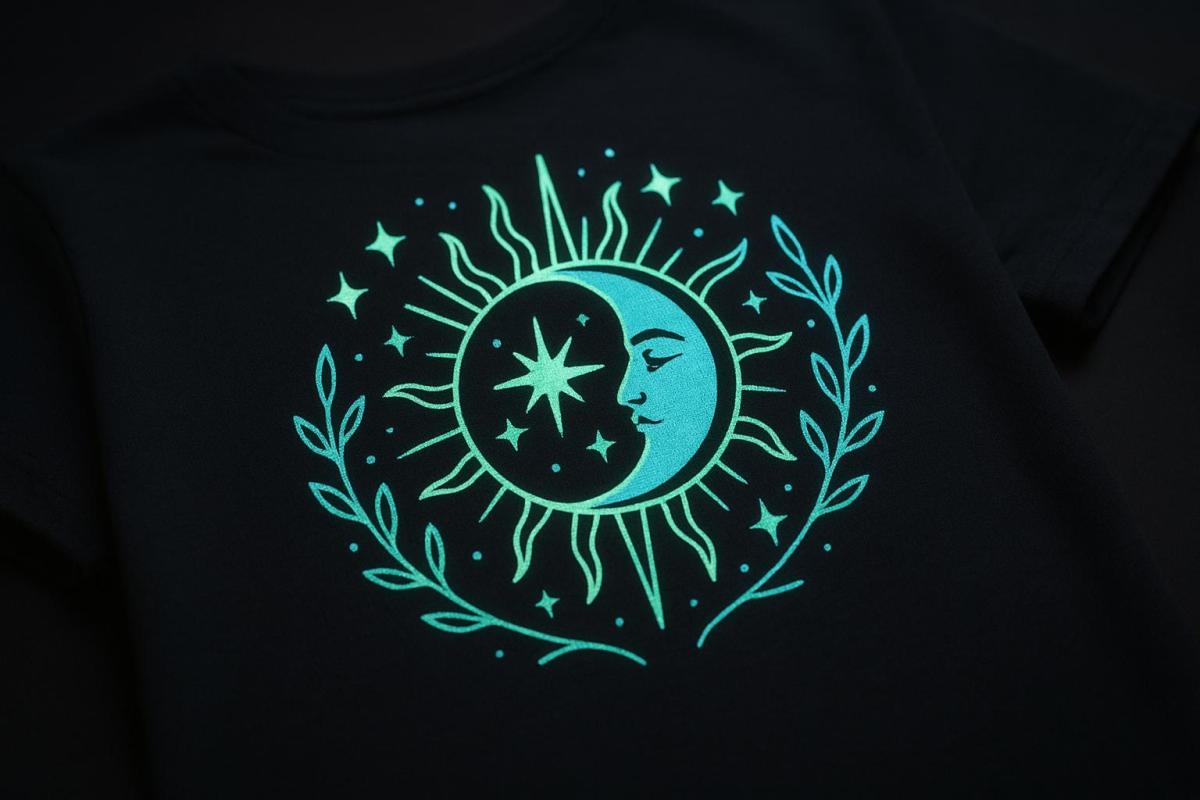
Glow-in-the-dark printing uses phosphorescent inks to create luminous designs that absorb light and release it in the dark. This technique is ideal for safety signage, marketing materials, and event decorations, combining functionality with striking visual effects.
Key Highlights:
- Phosphorescent inks store light and glow in the dark, with strontium aluminate pigments offering brighter and longer-lasting effects.
- Screen printing is the primary method, often requiring a white underbase for maximum glow.
- Works well on textiles, paper, and plastics, with green being the brightest glow color.
- Applications range from safety signs and promotional items to fashion and event materials.
Glow-in-the-dark printing is a practical way to make designs stand out and improve visibility in low-light conditions.
Materials and Inks Required
Phosphorescent Inks: How They Work
Phosphorescent inks are the backbone of glow-in-the-dark printing. These inks contain pigments that absorb light and then gradually release it as a glow over time. Here’s how it works: when light hits the pigment, its electrons get excited to higher energy levels. As these electrons return to their normal state, they release the stored energy in the form of a glow.
The pigment type plays a big role in determining how bright and long-lasting the glow will be. Today’s advanced inks use strontium aluminate, which is up to 10 times more effective than the older zinc sulfide. For the most intense glow, strontium aluminate mixed with europium and dysprosium is the top choice. The glow can last anywhere from a few minutes to several hours, though brightness typically decreases to about 10% within two hours.
To get the best results, expose the pigments to direct sunlight for 20–30 minutes. However, be cautious not to overexpose them, as this can lead to color fading over time. These specifics highlight the importance of choosing the right materials for achieving the desired glow effect.
Suitable Materials for Glow-in-the-Dark Printing
Choosing the right material – or substrate – is just as important as selecting the ink. The substrate affects both the brightness and the duration of the glow. Common materials include paper, textiles, and plastics. Because phosphorescent ink is transparent, the base color of the material has a big impact on how well the glow appears.
For textiles, white fabrics or materials with a white base deliver the best results. Printing directly on dark fabrics without a white underbase can result in a faint or barely noticeable glow. To maximize brightness, apply a white base layer before using the phosphorescent ink. The thickness of the ink application also matters – a thicker layer typically produces a brighter and longer-lasting glow, as long as the material can handle it without cracking or peeling.
Paper works well for items like posters, promotional materials, and signage. Its absorbent surface helps the ink adhere and perform effectively. Plastics, on the other hand, are ideal for outdoor uses and safety signs because they offer durability and allow for smooth, even ink distribution, which ensures consistent glow effects.
Environmental factors such as UV exposure, moisture, and chemicals can affect how long the glow lasts. For outdoor applications, it’s important to use durable materials and proper curing methods. Color also makes a difference – green glows are perceived as the brightest, followed by blue, while red tends to appear dimmer.
If you need help selecting the best materials and inks for your project, Miro Printing & Graphics Inc. provides expert advice tailored to specialized needs.
Printing Methods and Techniques
Screen Printing Process
When it comes to achieving the best glow effect, the screen printing process plays a crucial role, especially when using plastisol or water-based inks. The key is in the preparation and layering.
Start with a white underbase – this reflects light and enhances the glow. Once the underbase is cured, evenly apply the glow-in-the-dark ink. For a stronger glow, apply multiple layers to increase the pigment density. Avoid mixing glow ink with regular white ink, as this can weaken the glow effect.
It’s essential to maintain the correct curing temperatures. Many modern inks, like Rapid Cure Glow in the Dark Ink, are designed to cure at lower temperatures and are non-phthalate. After curing, expose the print to light to charge the pigments effectively.
For water-based glow inks, take extra care during printing. Spritzing a fine mist over the ink after the flood stroke can prevent it from thickening during the process.
Once you’ve optimized the printing process, refine your design to maximize the glow effect.
Design Guidelines for Glow Effects
A good design is just as important as the printing technique when it comes to glow-in-the-dark prints. Phosphorescent inks behave differently in various lighting conditions, so understanding their properties is key. While the standard glow color is yellow-green, other options like pink, red, blue, and violet are also available. Printing glow designs on a white base ensures the brightest results.
Focus on bold shapes that look great in both daylight and darkness. Glow inks work best when applied in thicker layers, so avoid intricate line work or small text, as these may not glow effectively.
Color choices can significantly influence the final look. Pairing a white underbase with different phosphorescent ink colors can create striking effects. For instance, using a fluorescent underbase can enhance visibility during the day while still delivering a strong glow at night.
When planning your design, keep in mind that glow-in-the-dark prints typically have a shelf life of 6–12 months. This makes them ideal for short-term campaigns, seasonal events, or temporary signage rather than long-term use.
Lastly, consider the environment where the glow effect will be viewed. These prints shine brightest in complete darkness or low-light settings. If your design will be seen in areas with ambient lighting, ensure it works well in both lit and dark conditions.
Always consult your ink manufacturer’s instructions, as application thickness, curing temperatures, and charging methods can vary between brands. Following these guidelines will help you create prints that truly stand out.
Printing Glow (Phosphorescent) Inks
sbb-itb-ce53437
Commercial Applications and Uses
Glow-in-the-dark printing is making waves across various industries, offering businesses a standout way to grab attention and create memorable experiences. By leveraging its unique properties, companies can deliver impactful results across different sectors.
Retail and Marketing Materials
Retailers are increasingly turning to glow-in-the-dark printing to stand out in competitive markets. This technique is used for posters, banners, brochures, and packaging, ensuring visibility in low-light settings and outdoor ads that remain prominent after dark.
It’s also a favorite for point-of-purchase (POP) displays, gift boxes, tags, clings, maps, and even business cards. As one expert puts it:
"Simply put, glow-in-the-dark offers a unique way to engage with consumers and other target markets in a way that is Anything but Ordinary".
Fashion brands have embraced this technology for creating eye-catching designs on T-shirts, hoodies, and hats, especially for concerts and nighttime events. It’s also effective for short-term promotions like postcards, direct mail campaigns, and greeting cards, though its 6–12 month shelf life makes it better suited for temporary campaigns rather than long-term branding efforts.
Event and Entertainment Applications
Glow-in-the-dark printing doesn’t just shine in retail – it also transforms event and entertainment spaces. From decorations and costumes to giveaways, this technology adds a visually striking element that lingers in guests’ memories. Music festivals and concert venues often use glow-in-the-dark merchandise, wristbands, and promo materials to enhance the atmosphere and assist with crowd management in dimly lit venues.
Screen-printed glow-in-the-dark transfers are a hit for Halloween parties, birthday celebrations, and band merchandise, allowing groups to stand out in dark settings. Corporate events also benefit from its versatility, using it on name badges, directional signs, and promotional items to capture attention in low-light environments.
Safety and Emergency Products
Glow-in-the-dark printing isn’t just about aesthetics – it plays a critical role in safety. Phosphorescent inks are commonly used for safety messages like exit signs in offices, public buildings, and venues such as stadiums, cinemas, and theaters.
In the U.S., building codes emphasize its importance. The International Building Code requires photoluminescent egress path markings in high-rise buildings, while the NFPA 101 Life Safety Code mandates their use in assembly spaces, educational facilities, and other large structures. These markings, which include signs and floor indicators, are low-maintenance and cost-effective, requiring no electrical connections or ongoing upkeep.
Strontium aluminate, a material known for its brightness and long-lasting glow, is the go-to choice for safety applications. Glow-in-the-dark tape, for instance, releases 80–85% of its stored energy within 30 minutes of being removed from a light source, making it invaluable during emergencies.
Applications extend beyond exit signs to include staircase nosing, door frames, stair edges, and emergency equipment locations, providing a comprehensive wayfinding system. Even the home décor market has jumped on board, with glow-in-the-dark elements like wall art, furniture, and stickers becoming popular in children’s bedrooms for both aesthetic charm and practical nighttime navigation.
For businesses exploring glow-in-the-dark printing, professional services like Miro Printing & Graphics Inc. in Hackensack, NJ, can guide you through the process, whether you’re working on promotional materials, safety signage, or custom projects requiring specialized techniques and materials.
Best Practices for Quality Results
Building on our technical guide, here are some proven strategies to ensure your glow effects stand out. Whether you’re designing safety signs or eye-catching promotional materials, these tips can help you achieve the best results from your investment.
Maximizing Glow Brightness and Duration
To create long-lasting and vibrant glow effects, focus on proper charging and maintenance techniques. The brightness and duration of glow-in-the-dark prints rely on several controllable factors.
Direct sunlight can fully charge prints in just 30 minutes. If sunlight isn’t an option, strong LED or incandescent bulbs positioned close to the print work as effective alternatives.
"Charging your glow in the dark creations is the key to unlocking their mesmerizing potential." – The Night Sky
The ink application technique plays a crucial role in the glow’s intensity. A base layer of bright, vibrant inks enhances the effect, while darker or muted inks can dull the glow. Additionally, applying a thicker layer of ink increases phosphorescent density, resulting in a stronger glow.
Regular maintenance is essential for preserving the glow. Recharging prints under suitable light sources ensures they remain effective over time. However, be cautious – overexposure to sunlight can lead to color fading and diminish the glow’s longevity.
Protective measures help maintain the luminescent properties. Framing the prints shields them from dust, moisture, and physical damage, all of which can reduce the glow effect. When cleaning is necessary, use a dry cloth and avoid harsh chemicals that could strip away the luminescent material. Handle the prints gently to prevent damage to the phosphorescent surface.
For safety applications, where brightness is critical, materials like strontium aluminate doped with europium and dysprosium offer the longest and brightest glow available. This makes them ideal for emergency signage, where visibility is paramount.
These technical refinements highlight the importance of precision and expertise in achieving standout results.
Working with Professional Print Services
While following these best practices is key, professional print services can elevate your glow-in-the-dark projects to the next level. Their expertise ensures a seamless blend of UV inks and phosphorescent compounds, applied using specialized screen printing techniques.
Technical expertise is invaluable for achieving high-quality results. Professionals use advanced machinery and premium materials to produce sharp, vibrant images that retain their glow over time. Since phosphorescent compounds can create a slightly grainy texture, experienced printers know how to minimize this effect while maximizing glow performance.
Specialized equipment and materials also make a big difference. Professional printers have access to specialty inks and a variety of glow formulations tailored to different uses. Their high-grade phosphorescent materials and precision equipment ensure consistent and even application.
Customization and scalability are additional advantages. Professional services offer a range of customization options, allowing businesses to create unique, tailored designs. Whether you’re producing a small batch of promotional items or large-scale safety signage, professional printers can handle projects of any size while maintaining consistent quality.
For those in the New Jersey area, Miro Printing & Graphics Inc. in Hackensack provides comprehensive printing solutions, including custom glow-in-the-dark projects. With expertise in digital, offset, and large-format printing, along with in-house bindery services, they offer the technical skills needed for successful results.
Conclusion
Glow-in-the-dark printing turns ordinary materials into striking, light-emitting designs by using phosphorescent inks and screen printing techniques. These inks absorb light and release it gradually, creating a glowing effect that’s perfect for both marketing and safety applications.
Key Points Summary
The effectiveness of glow-in-the-dark printing hinges on a few important factors. Phosphorescent inks store light energy and emit it over time, with the classic yellow-green glow being the brightest and most reliable. Other colors like pink, red, blue, and violet are available, but they tend to have a less intense glow. For the best results, it’s recommended to print on white backgrounds, as darker surfaces can reduce the luminescent effect.
This printing method is versatile and can be applied across various industries. It’s commonly used for direct mail campaigns, postcards, Halloween promotions, gift cards, credit cards, packaging, retail displays, book covers, and greeting cards. It’s especially beneficial for safety products, where visibility in low-light environments is critical.
Planning is essential for success. Glow-in-the-dark inks have a shelf life of 6–12 months, so timing your orders is crucial. These inks can also be combined with others to create layered, mixed-media designs for added visual impact. For artwork preparation, vector-based tools like Adobe Illustrator or InDesign are highly recommended.
This technique elevates standard prints into glowing, attention-grabbing designs. With these basics covered, you’re ready to turn your creative ideas into reality.
Getting Started with Your Project
Glow-in-the-dark printing offers a unique way to make your designs unforgettable. To get started, proper planning and collaboration with experienced professionals are key. These experts can help navigate the technical aspects of phosphorescent inks and screen printing to ensure your project’s success.
Think about how adding glow-in-the-dark elements could boost your brand’s visibility and leave a lasting impression on your audience. Whether you’re creating safety signage, promotional materials, or distinctive packaging, this technique provides a way to stand out in any lighting condition.
For those ready to dive in, Miro Printing & Graphics Inc. in Hackensack, NJ, offers a full range of printing services, including custom glow-in-the-dark projects. With expertise in digital, offset, and large-format printing, as well as in-house bindery services, they have the tools and knowledge to bring your glowing designs to life.
Start your glow-in-the-dark printing project today and discover how this technique can take your brand’s visibility to the next level. Traditional printing just can’t compare!
FAQs
What makes glow-in-the-dark inks unique, and how do they work?
Glow-in-the-dark inks, often called phosphorescent inks, have a fascinating ability to absorb and store light energy, which they later release as a soft, glowing light in darkness. This glowing effect is powered by materials known as phosphors. When exposed to light, these phosphors trap the energy and then slowly release it over time, creating the signature glow.
What sets phosphorescent inks apart from fluorescent ones is their ability to keep glowing even after the light source is gone. Fluorescent inks, on the other hand, only glow when exposed to UV light and stop immediately once the light is removed. Modern glow-in-the-dark inks typically rely on zinc sulfide or strontium aluminate as their phosphors. Among the two, strontium aluminate is especially favored for its brighter glow and longer-lasting effect.
These inks have become a favorite in both creative and commercial applications, offering a striking and memorable touch to any design.
How can I keep glow-in-the-dark prints bright and long-lasting?
To keep your glow-in-the-dark prints shining bright and lasting longer, ensure they’re well-charged. Expose them to direct sunlight or a strong artificial light source for at least 30 minutes. This simple step boosts both their glow intensity and how long they stay illuminated.
For extra protection, apply a clear topcoat. This creates a barrier that guards the glow layer against moisture, scratches, and general wear. Be mindful when handling these prints – avoid exposing them to harsh conditions, and clean them gently if needed. Regularly recharging them will also help maintain their glowing effect over time.
What factors should you consider when selecting materials for glow-in-the-dark printing?
When choosing materials for glow-in-the-dark printing, it’s crucial to pick substrates that support strong ink adhesion and ensure lasting durability. The texture and surface energy of the material play a big role in how well the glow-in-the-dark ink sticks and holds up over time.
You’ll also want to make sure the substrate works well with phosphorescent compounds and UV inks used in the process. This compatibility helps maintain a bright, long-lasting glow without sacrificing the overall appearance. Think about factors like the material’s toughness, surface feel, and how the printed item will be used – especially if it’s meant for outdoor settings or heavy use.
Related posts
- Fire-Resistant Fabrics for Printing: Types and Uses
- ISO 2846: Ink Color Standards Explained
- UV Printing vs. Lamination: Which Protects Better?
- Ultimate Guide to Textured Printing Effects
https://app.seobotai.com/banner/banner.js?id=68773914896c57272c5b6670
 BergenCountyPrintersBlogs