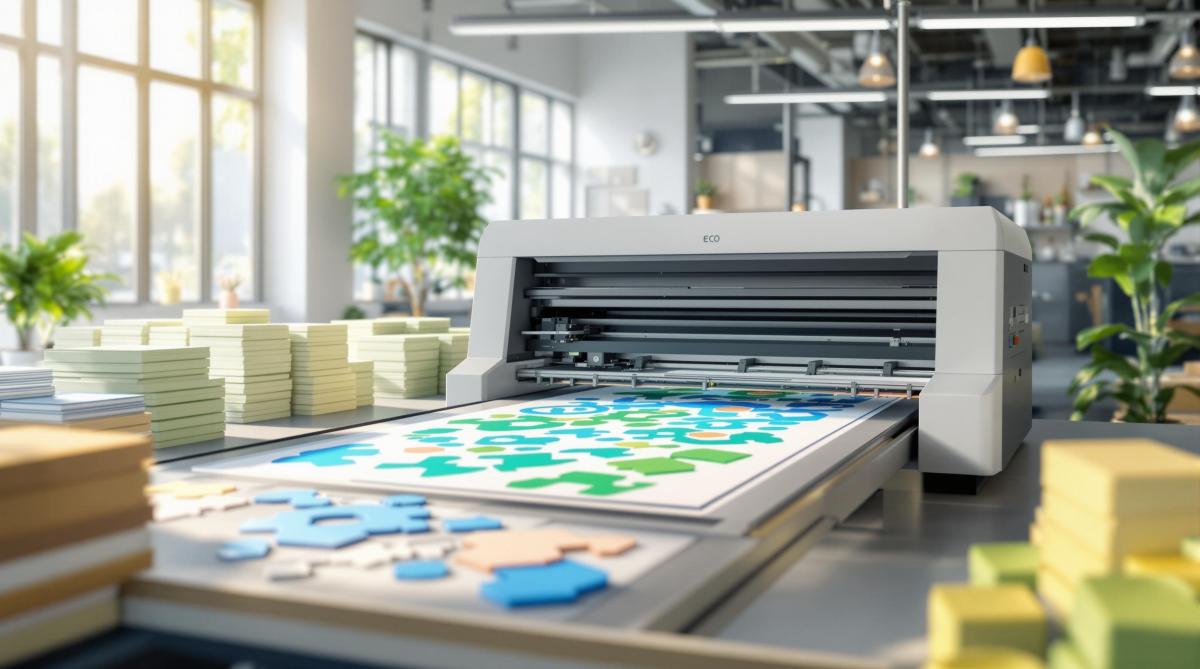
Die-cutting reduces waste by improving precision, optimizing layouts, and enhancing quality control. Modern tools like CNC systems and CAD software help manufacturers cut material waste by 15-30%, save on disposal costs, and minimize production errors. Key strategies include:
- Precise cuts: Steel rule dies and computerized systems lower scrap rates by up to 25%.
- Smarter layouts: Nesting algorithms and combining designs on sheets can save 6-7% of materials.
- Better quality control: Automated inspections reduce rejected pieces, saving up to $150,000 annually for some businesses.
These advancements not only lower costs but also support eco-friendly practices, making die-cutting a crucial tool for efficient manufacturing.
Related video from YouTube
Waste Reduction Methods in Die-Cutting
Modern die-cutting methods have made it easier to cut down on waste by combining precise tools and smart planning. Thanks to new technologies, traditional cutting processes are now more efficient, using materials more effectively.
Precise Cuts Lead to Less Waste
Die-cutting tools, like custom steel rule dies and computerized systems, offer incredible accuracy. They create clean edges and detailed shapes while keeping material distortion to a minimum. According to the Paperboard Packaging Council, die-cutting can lower scrap rates by up to 25% compared to manual cutting in packaging applications [1].
CAD software has also been a game-changer. Advanced nesting algorithms automatically arrange parts on material sheets in the most efficient way possible. This optimization helps ensure materials are used more effectively.
Smarter Layout Planning
Planning how materials are laid out is key to reducing waste. Here are some strategies that help:
- Combining multiple designs on a single sheet (7% less waste)
- Using algorithms to arrange parts (6% material savings)
- Standardizing sizes (5% efficiency boost)
Together, these methods help get the most out of the materials used.
Better Quality Control Reduces Waste
Sensors integrated into die-cutting systems can spot irregularities during production, ensuring consistency and reducing the number of rejected pieces. This complements smart layout planning, creating a system designed to minimize waste.
A greeting card company shared that by using high-precision die-cutting, they cut their rejection rate from 3.5% to 0.8%. This saved them about $150,000 in materials annually [5].
Automated quality control systems catch issues early, preventing material loss before it happens [3]. This proactive approach makes modern die-cutting a key tool for more efficient and sustainable manufacturing.
sbb-itb-ce53437
Modern Die-Cutting Tools and Waste Reduction
Modern CNC systems are transforming waste reduction in die-cutting with three major advancements:
Computer-Controlled Cutting
Today’s Computer Numerical Control (CNC) die-cutting systems bring a new level of precision and consistency to production. Using advanced software, these machines optimize cutting patterns and minimize errors that often lead to wasted material. With real-time monitoring, operators can quickly adjust settings to avoid unnecessary material loss [3].
Laser die-cutting technology has also become a standout in reducing waste. Unlike traditional methods, lasers don’t require physical dies, cutting down on setup waste. They also make it easy to tweak designs without adding tooling costs [2]. This flexibility works well with the increasing use of recycled materials in production.
Materials for Recycling
Advancements like improved tension controls and advanced blade coatings now allow for accurate cuts on fully recycled substrates [3]. Automated sorting systems further streamline the process by directing recyclable scraps into the proper recycling streams without needing manual intervention.
High-speed cameras and sensors have elevated quality control, detecting even the tiniest irregularities in real time [2]. This ensures a consistent product while keeping material waste to a minimum.
These cutting-edge tools and techniques are helping manufacturers achieve 15-20% better material usage compared to older methods, addressing both cost and environmental concerns [1].
Miro Printing & Graphics Inc.: Waste Reduction Results
Miro Printing & Graphics Inc. has achieved impressive waste reduction results at their Hackensack, NJ facility by focusing on three key strategies:
- Precision cutting with CNC systems: This approach has reduced material waste by 15-20%.
- Seamless integration between die-cutting and printing services: This minimizes alignment errors.
- Use of CAD software for pre-production planning: This step has significantly cut down on setup waste [1][6].
| Achievement | Impact |
|---|---|
| Material Waste | 15-20% decrease |
| Error Waste | 30% reduction |
| Disposal Costs | 30% savings |
Quality control has been another game-changer. Automated inspection systems working alongside die-cutting equipment have helped reduce production error waste by 30% [2][4].
For example, a retail client saw a 25% reduction in packaging waste without compromising the packaging’s structural integrity. Similarly, when working on a non-profit organization’s annual report, Miro achieved a 40% reduction in paper waste by using digital die-cutting methods [6][7].
These results highlight how precision cutting, layout optimization, and quality control come together to significantly reduce waste across projects.
Additionally, Miro’s dedication to sustainability goes beyond production. They have implemented a robust recycling program, partnering with local facilities to recycle materials effectively [2][4]. For materials that aren’t easily recyclable, they collaborate with suppliers to create upcycling solutions, further enhancing their waste management efforts [3][6].
Summary: Die-Cutting’s Role in Waste Reduction
Die-cutting technology, as showcased by companies like Miro Printing & Graphics Inc., plays an important part in making modern printing more sustainable. This approach combines environmental responsibility with cost-saving efficiencies, benefiting both the planet and businesses [1] [2].
Here are some key benefits of these advancements:
- 15-30% reduction in material usage, cutting down on waste [1] [2]
- Lower energy consumption by minimizing the need for rework
- Reduced landfill contributions and lower disposal expenses
Modern die-cutting processes highlight how environmental care and efficient operations can go hand in hand, setting an example for sustainable practices in the printing industry.
Related Blog Posts
- Ultimate Guide to Post-Press Finishing
- How Automation Improves Print Turnaround Times
- Cost Analysis: Traditional vs. Alternative Materials
- Cost-Saving Tips for Sustainable Paper Choices
https://app.seobotai.com/banner/banner.js?id=67af0aab269a66caa43de81d
 BergenCountyPrintersBlogs