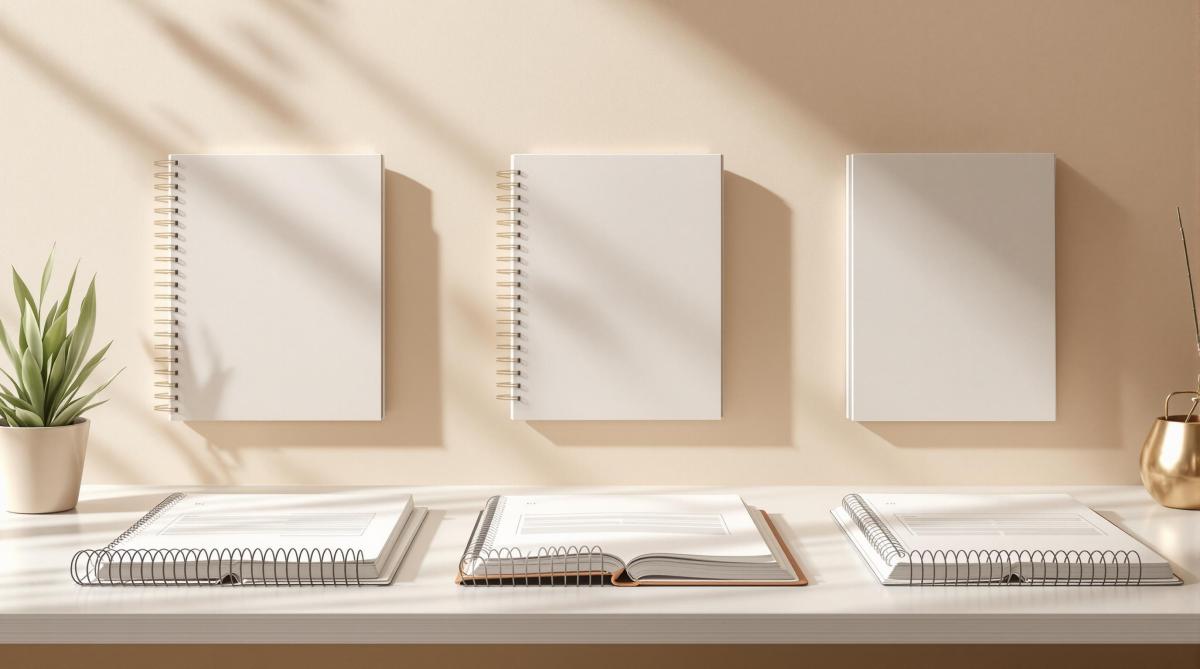
When creating professional documents, choosing the right binding method is crucial for durability, usability, and presentation. Here are the top 6 binding methods to consider, each tailored for different needs:
- Thermal Binding: Uses heat-activated glue for a polished, book-like finish. Ideal for business reports and training manuals.
- Perfect Binding: Creates a sleek, squared spine. Best for catalogs, portfolios, and marketing materials (50-250 pages).
- Post Binding: Durable metal posts allow easy updates. Great for technical manuals and creative portfolios (up to 400 pages).
- Saddle Stitch Binding: Budget-friendly and lightweight. Perfect for brochures, newsletters, and smaller documents (8-64 pages).
- Wire Binding: Sturdy wire coils allow 360-degree rotation. Suitable for workbooks, technical guides, and presentations.
- Hardback Binding: Premium adhesive binding with a rigid cover. Ideal for high-profile materials like annual reports.
Quick Comparison
| Binding Method | Durability | Appearance | Cost Range | Best Uses |
|---|---|---|---|---|
| Thermal Binding | High | Clean, professional | $8-20 | Business reports, training manuals |
| Perfect Binding | Medium-High | Sleek, squared spine | $5-15 | Catalogs, marketing materials |
| Post Binding | High | Industrial, robust | $12-25 | Technical manuals, portfolios |
| Saddle Stitch | Low-Medium | Simple, traditional | $3-8 | Brochures, newsletters |
| Wire Binding | Medium | Practical, functional | $6-15 | Workbooks, presentations |
| Hardback Binding | Very High | Premium, executive | $15-75+ | Annual reports, luxury documents |
Choose based on your document’s purpose, size, and desired presentation. Each method offers unique strengths, so prioritize durability, cost, and appearance to match your needs.
Book Binding Types: Wire Coil, Saddle Stitching, Burst, Perfect Binding
1. Thermal Binding
Thermal binding is a straightforward and sleek method for binding documents. It uses heat-activated glue pre-applied to specially designed covers, delivering a clean, professional finish – no hole punching required.
Durability and Appearance
This method offers a combination of strength and style. The heat-activated glue ensures pages stay securely bound, while the seamless covers give documents a polished, book-like look. These covers are available in a variety of materials and colors, making them suitable for professional presentations.
Cost
The cost of thermal binding equipment can vary, but it’s a practical choice for businesses that frequently bind documents.
Best Uses
Thermal binding works well for businesses that need a professional and efficient solution, especially for materials intended for clients or frequent use.
| Document Type | Page Capacity | Ideal Use Case |
|---|---|---|
| Business Reports & Portfolios | Up to 120 pages | Client-facing, professional materials |
| Training Manuals | 100+ pages | Long-lasting reference materials |
| Financial Documents | Various | High-quality professional documentation |
Thermal binding systems are designed for speed and efficiency, often handling multiple documents at once. For example, the Coverbind series includes options for small offices as well as high-volume operations [1].
Although thermal binding provides a secure and polished result, methods like perfect binding may offer more flexibility in design and style.
2. Perfect Binding
Perfect binding gives documents a sleek, squared spine, creating the polished look you’d expect from a professional paperback. It uses a strong adhesive to secure the pages and attach them to a sturdy cover made from heavier stock paper.
Durability and Appearance
This method stands out with its solid, book-like appearance, making it ideal for larger documents. It’s designed to hold pages securely while still allowing smooth opening. Many print shops also offer gloss or matte laminated covers, which not only enhance the look but add extra durability.
Cost
The cost of perfect binding varies based on factors like the number of pages (works best for 50-250 pages), the quality of the cover material, and optional finishes such as lamination. While it’s pricier than basic options like saddle stitching, it delivers great value for professional-grade documents.
Best Uses
Perfect binding works well for business catalogs, portfolios, marketing materials, and premium proposals. It’s compatible with a range of paper sizes, from A5 to A3, making it suitable for different project types [2]. To ensure the binding is sturdy and user-friendly, aim for a page count between 50 and 250 [3].
If your project needs a clean, professional finish with lasting durability, perfect binding is a strong option. However, if flexibility is a priority, methods like post binding might be worth considering.
3. Post Binding
Post binding uses metal posts to hold pre-drilled pages together, creating a sturdy and practical option for professional documents. The exposed metal posts add a sleek, industrial look, making it a go-to choice for portfolios and technical manuals.
Durability and Appearance
The metal posts make this binding method highly durable, ideal for documents that are handled often. The industrial-style design, with its visible metal elements, gives a polished and professional feel – especially appealing for architectural portfolios or technical guides.
Cost
The upfront expense for metal posts, durable covers, and drilling tools can be higher. However, since the components are reusable, post binding becomes an economical choice for documents that need frequent updates.
Best Uses
Post binding works well for technical manuals, creative portfolios, corporate reports (up to 400 pages) [3], and training materials that require regular updates. One of its biggest strengths is the ease of adding or removing pages without affecting the overall binding [2].
While post binding offers durability and flexibility, lighter options like saddle stitch binding may be better for smaller, more portable documents.
4. Saddle Stitch Binding
Saddle stitch binding is a straightforward and budget-friendly way to bind lightweight materials. It involves folding sheets in half and securing them along the spine with staples, making it a practical option for many businesses.
Durability and Appearance
Although it’s not as sturdy as hardback or post binding, saddle stitch binding provides enough durability for documents that won’t see heavy use. It’s best suited for documents with 8 to 64 pages to ensure the binding remains intact.
Cost
This method is a cost-effective choice, especially for lightweight materials, and offers quick production times.
Best Uses
Saddle stitch binding works well for brochures, catalogs, newsletters, and lightweight training materials. Its lightweight design also makes it a perfect fit for mail distribution.
Technical Considerations
To get the best results with saddle stitch binding, pay attention to the type of paper used. Here are some key recommendations:
| Paper Aspect | Recommendation |
|---|---|
| Weight Range | 70-100 gsm for internal pages |
| Cover Stock | 150-250 gsm for added strength |
| Ideal Thickness | 2-3 mm total document thickness |
Using high-quality staples and ensuring precise alignment during binding is essential for a polished finish.
If you need a more durable and versatile binding option, wire binding might be worth considering.
sbb-itb-ce53437
5. Wire Binding
Wire binding, often called spiral binding, is a practical option for documents that see frequent use. This method involves threading a wire coil through holes punched along the document’s edge, creating a secure binding that allows full 360-degree rotation. This makes it easy to lay the document flat or fold it back completely.
Durability and Appearance
Wire coils are sturdy and resistant to bending, making them a dependable choice for everyday use. The sleek design of the binding, along with customizable coil options, adds a polished look to business documents. However, it’s worth noting that wire binding is better suited for thinner documents compared to hardback or thermal binding.
Cost
Wire binding is moderately priced. Machines can range from $50 to $1,000, while the cost per document typically falls between $0.50 and $2.00.
Best Uses
Wire binding works well for a variety of documents, including:
- Training manuals
- Workbooks
- Technical guides
- Professional portfolios
- Educational materials
- Presentation decks
Its ability to rotate fully makes it especially convenient for hands-free use or note-taking.
Technical Details
This method accommodates documents with 25 to 250 pages, using paper weights of 80-120 gsm and covers of 200-300 gsm. Coil diameters typically range from 6 mm to 32 mm, ensuring a snug fit when paired with properly aligned holes. These details contribute to a professional look and improve usability.
Ready to take it up a notch? Let’s look at hardback binding for a more premium finish.
6. Hardback Binding
Hardback binding is the go-to choice for those seeking professional and durable document finishing. This method secures pages with adhesive and encases them in a rigid cover, offering both strength and an elevated appearance.
Durability and Construction
With adhesive binding and a solid cover, hardback binding ensures documents can withstand years of use. Its sturdy construction keeps pages intact, even with frequent handling.
Appearance
Hardback covers can be tailored to your needs with options like lamination, textured finishes, or embossed designs. This makes it a popular choice for corporate materials that need to impress.
Cost Considerations
The cost typically ranges from $15 to $75 or more, depending on the size of the document and the level of customization. While it’s pricier than other binding methods, the durability and polished look make it worth the investment.
Best Uses
This method is ideal for high-profile materials like annual reports, luxury catalogs, and executive proposals where presentation is key. Professional printing services can ensure your documents leave a lasting impression.
Compared to wire or saddle stitch binding, hardback binding focuses on strength and a polished finish rather than flexibility or low cost. These documents are built to last and convey professionalism, making them perfect for critical business materials.
To help you weigh your options, check out the comparison table below to see how hardback binding stacks up against other binding methods.
Comparison Table of Binding Methods
Here’s a breakdown of different binding methods, comparing key factors to help you choose the right option for your needs.
| Binding Method | Durability | Appearance | Cost Range | Best Uses | Key Features |
|---|---|---|---|---|---|
| Thermal Binding | High | Professional, clean | $8-20 per document | Legal documents, sensitive files | Tamper-resistant, no hole punching, supports A5-A3 sizes |
| Perfect Binding | Medium to High | Professional, squared spine | $5-15 per document | Magazines, catalogs, books (50-250 pages) | Customizable covers, sleek finish, squared spine |
| Post Binding | High | Industrial, robust | $12-25 per document | Industrial manuals, art portfolios | Handles up to 400 pages, allows updates, highly durable |
| Saddle Stitch | Low to Medium | Simple, traditional | $3-8 per document | Brochures, smaller documents | Affordable, quick setup, lightweight |
| Wire Binding | Medium | Practical, functional | $6-15 per document | Reports, presentations | Lays flat, folds 360 degrees, sturdy |
| Hardback | Very High | Premium, executive | $15-75+ per document | Annual reports, high-end materials | Long-lasting, premium look, professional impact |
Additional Considerations
When deciding on a binding method, think about your document’s purpose, size, and security needs. For example, wire binding works well for reference materials due to its ability to lay flat, while hardback binding is a top choice for creating an executive-level impression.
Your choice of binding plays a key role in both usability and presentation. By weighing factors like durability, cost, and appearance, you can select a method that enhances your document’s overall quality and impact.
Choosing the Right Binding Method
The way you bind your documents affects how functional they are and how polished they look. Different binding methods cater to different purposes, so it’s important to pick the right one.
Think about how the document will be used. If you need something secure for sensitive materials, thermal binding is a solid option. For projects that might need updates later, post binding works well. Need a high-end look? Go with hardback binding. And if your document will be handled a lot, wire binding is great because it lays flat for easy use.
Cost is another important consideration. For example, hardback binding can cost between $15 and $75 or more per document, making it better for premium projects. On the other hand, saddle stitching is much more affordable, typically $3 to $8 per document, and works well for shorter or high-volume projects.
When deciding, focus on what matters most: durability, presentation, and how the document will be used. The right binding choice not only makes your document more practical but also boosts its overall value, giving it a professional touch.
Need more help? Check out the FAQs below for additional tips.
FAQs
If you’re unsure which binding method suits your project, these FAQs cover common questions to help you make an informed choice.
What are the different types of book binding techniques?
The most popular professional binding methods include saddle stitch, PUR, hardcover, and spiral binding. Each serves specific purposes based on factors like document size, frequency of use, and required durability. For unique projects, artistic or niche techniques may also be considered, though they’re less typical in professional settings [4][3].
Which type of book binding is best?
For projects that demand a polished look and long-lasting quality, hardcover (or case binding) is the top choice. Its sturdy design and premium finish make it ideal for important documents. However, for other needs, options like thermal binding or wire binding might be more practical, balancing cost and functionality effectively.
What is the most durable binding?
When it comes to durability, hardcover binding leads the pack. This method secures pages individually and pairs them with strong cover materials, ensuring a robust and long-lasting result [3].
"Advances in digital printing and binding technologies have made it possible to produce high-quality documents in small quantities without incurring high setup charges." [2]
| Binding Method | Durability Rating | Best Use Case | Typical Lifespan |
|---|---|---|---|
| Hardcover | Excellent | Premium publications | 10+ years |
| Thermal | Very Good | Business presentations | 5-7 years |
| Perfect | Good | Catalogs & magazines | 3-5 years |
| Wire | Good | Frequently used manuals | 2-4 years |
| Saddle Stitch | Fair | Short documents | 1-2 years |
Related Blog Posts
- Ultimate Guide to Paper Types for Business Printing
- Proofing Process: From Screen to Print
- How to Choose Cost-Effective Printing Materials
- Cost-Saving Tips for Sustainable Paper Choices
https://app.seobotai.com/banner/banner.js?id=6760abe695278076f2a238e3
 BergenCountyPrintersBlogs