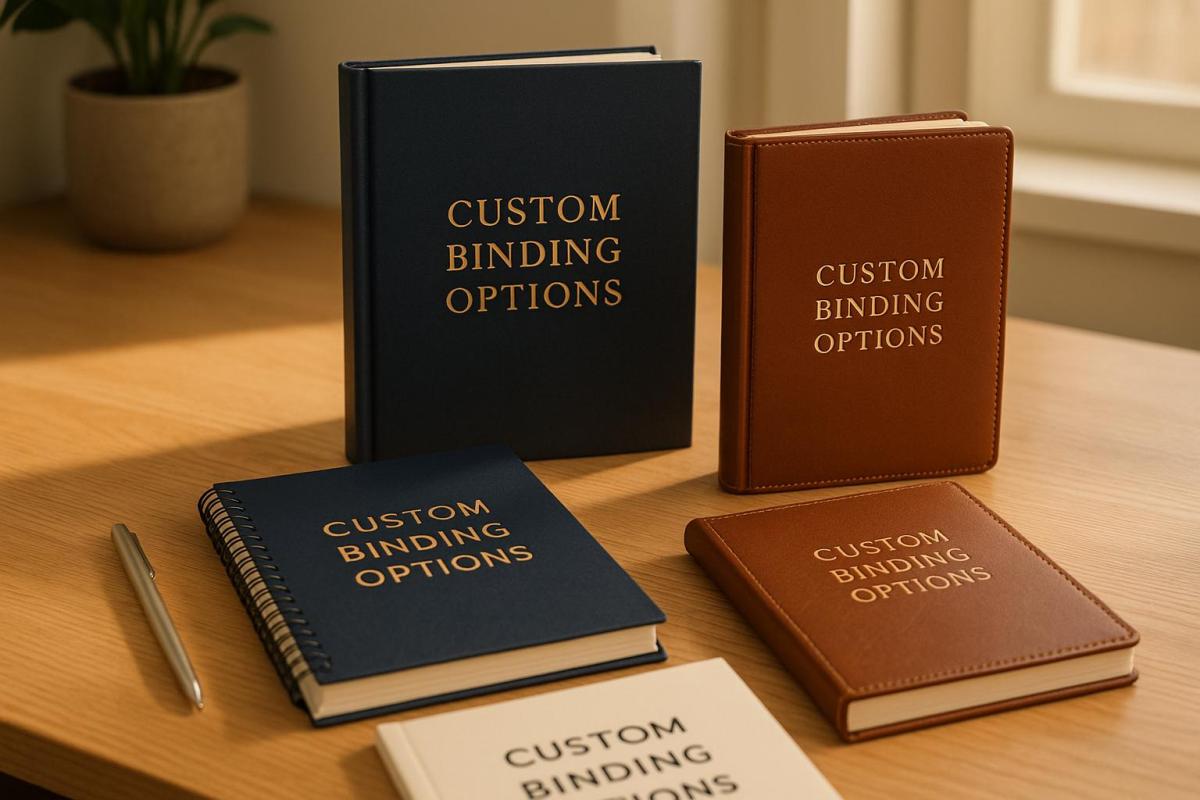
Want your documents to stand out and last? Choosing the right binding method is key. Whether you’re creating a sleek catalog, a durable manual, or a professional report, the binding style you select impacts both appearance and usability.
Here’s a quick breakdown of popular binding methods:
- Perfect Binding: Sleek, book-like finish; ideal for 24+ pages (e.g., catalogs, reports).
- Saddle Stitching: Budget-friendly, lays flat; perfect for up to 64 pages (e.g., brochures, newsletters).
- Spiral/Coil Binding: 360° rotation, durable; great for manuals and workbooks.
- Wire-O Binding: Polished, lay-flat design; preferred for business documents.
- Hardcover Binding: Premium, long-lasting; best for portfolios and coffee table books.
Quick Tip: Think about page count, durability, budget, and how the document will be used when selecting a binding style. Partnering with a professional print service can simplify the process and ensure top-quality results.
For more details on binding methods, materials, and finishing options, keep reading!
Binding Styles Explained: Quick Guide for Professionals
Common Binding Methods Explained
Each binding method serves different purposes and is suited to specific types of projects. Knowing how these methods work can help you choose the best option for your needs. Below, we break down the most popular binding techniques and their ideal uses.
Perfect Binding
Perfect binding uses adhesive along the spine to create a clean, flat edge, giving documents a polished, book-like appearance that’s perfect for printing titles along the spine.
This method is ideal for documents with at least 24 pages and works well for medium to large page counts. It’s also one of the quickest binding methods, making it a go-to choice for projects with tight deadlines. While cost-efficient for larger volumes, perfect-bound documents don’t lay completely flat when opened, and excessive force can wear down the spine over time.
This binding style is commonly used for annual reports, product catalogs, training manuals, and any document requiring a professional, bookstore-ready look.
Saddle Stitch Binding
Saddle stitch binding involves folding sheets in half and stapling them along the spine, creating an affordable and fast solution for smaller projects.
It’s the most budget-friendly option and works best for documents with fewer pages, typically up to 64, depending on the paper thickness. However, the total page count must be divisible by four, which sometimes means adding blank pages to meet this requirement.
A standout benefit is that saddle-stitched documents lay completely flat when opened, making them great for easy reading and note-taking. The process may involve staples or sewing, and trimming is often needed to ensure clean edges, as inner pages can stick out slightly.
This method is a popular choice for event programs, company newsletters, slim instruction manuals, and product brochures. Its quick production time makes it especially useful for materials with tight deadlines.
Spiral and Coil Binding
Spiral and coil binding involves threading a continuous plastic or metal coil through punched holes, allowing pages to lay completely flat and even rotate 360 degrees. This makes it a highly functional option for many types of documents.
Training companies often prefer spiral binding for workbooks because participants can fold pages back, take notes easily, and reference multiple sections at once. While durable under frequent use, pages cannot be added or removed once the coil is in place.
This method is particularly suited for manuals, planners, cookbooks, and educational workbooks, where the lay-flat design is essential for ease of use.
Wire-O Binding
Wire-O binding takes the concept of spiral binding a step further by using rigid metal wire loops to create a professional and polished finish, while still offering the practicality of a lay-flat design.
This method is known for its durability and upscale appearance, making it a favorite for business materials. Wire-O spines are available in various sizes and finishes, including metallic options.
It’s a popular choice for law firms and businesses that need to present client-facing documents like proposals and high-quality reports. Other applications include workbooks, manuals, and presentations, where the combination of functionality and sophistication is highly valued.
Hardcover Binding
Hardcover binding, also known as case binding, secures pages to a rigid cover, offering unmatched durability and a premium, elegant look.
This method is the most durable option, protecting pages from wear and tear and making it ideal for archival materials or documents meant to last for years. While it requires a significant investment in materials and labor, the result conveys a sense of permanence and quality.
High-end publishers often use hardcover binding for limited edition art books or commemorative publications. It’s also a go-to choice for coffee table books, professional portfolios, and archival documents where durability and a lasting impression are key priorities.
| Binding Method | Best Applications | Advantages | Page Capacity | Cost Level |
|---|---|---|---|---|
| Perfect Binding | Catalogs, reports, books | Professional appearance, fast production | 24+ pages | Moderate |
| Saddle Stitch | Brochures, newsletters, booklets | Affordable, lays flat, quick turnaround | Up to 64 pages | Low |
| Spiral/Coil Binding | Manuals, workbooks, planners | 360° rotation, durable, lay-flat | Variable | Low-Moderate |
| Wire-O Binding | Presentations, business documents | Sophisticated look, customizable finishes | Variable | Moderate |
| Hardcover Binding | Coffee table books, portfolios | Premium look, maximum durability | High capacity | High |
Materials and Finishing Options
The materials and finishing touches you choose can transform ordinary documents into polished, professional pieces. These choices not only enhance durability and presentation but also help reinforce your brand’s identity.
Cover Material Choices
The cover material sets the tone for your document, influencing its appearance, durability, and overall cost.
Poly covers are a go-to option for their durability, versatility, and easy maintenance. Mallory Morsa, Content and UX Design Manager at Binding101, shares:
"By far the most popular kind of custom cover, poly covers are made of a plastic material that is durable and easily wiped clean. Many clients feel they offer a more expensive look, while the cost remains reasonable, offering a higher value over many other options."
Vinyl covers bring a refined, leather-like texture that gives documents an upscale look without the high price tag of genuine leather. Their sturdy design makes them ideal for materials that will see frequent handling.
Linen covers deliver a soft, timeless aesthetic often favored by financial institutions. Their natural texture conveys a sense of quality and tradition, making them a great fit for annual reports, client presentations, and other formal documents.
Embossed grain covers mimic the look of leather with their textured surface, providing a professional and trustworthy appearance. This option is often chosen by professional service firms looking to balance cost-effectiveness with a premium feel.
Chipboard covers have gained traction as an eco-friendly choice made from 100% recycled materials. Their rustic, natural appeal is perfect for creative projects, sustainability-focused reports, or any presentation where environmental consciousness is key.
Finishing Methods
Finishing techniques can elevate the final look and feel of your bound materials.
Lamination adds a protective layer to covers, making them more durable, easier to clean, and giving them a polished, professional sheen.
Embossing adds raised designs or text, creating a tactile element that can highlight logos, company names, or decorative features. It’s a subtle way to add a premium touch.
Foil stamping uses metallic or colored foil to create eye-catching accents like borders or titles. While gold, silver, and copper remain classic choices, modern foil stamping offers a variety of colors to match your design.
With die cutting, you can create custom shapes, windows, or cutouts in your covers. This technique allows for creative designs that make your materials stand out and engage your audience.
Specialty coatings, such as spot UV for glossy highlights or soft-touch finishes for a velvety feel, add a layer of sophistication that sets your documents apart from standard printed materials.
Next, let’s look at how custom tabs and inserts can enhance both organization and branding.
Custom Tabs and Inserts
Custom tabs and inserts make it easier to navigate documents while reinforcing your brand.
Index tabs are an effective way to simplify navigation. Paper tabs can be customized with printing and Mylar coatings, while poly tabs offer added durability and are easy to clean – ideal for environments where hygiene is a priority.
Using a color-coding system with Mylar or colored paper can improve organization, helping users quickly locate specific sections in training manuals or reference guides.
Adding custom printing to tabs allows you to incorporate logos, brand colors, and tailored messaging, seamlessly integrating branding into the document’s structure.
Fileback dividers are designed for large file folders, often used in industries like healthcare. These dividers include fasteners, making it easy to add or remove pages – perfect for documents that require frequent updates.
Ordering custom tabs is now more convenient, with minimum orders typically starting at 50 sets for paper tabs and 100 sets for poly tabs.
When planning your custom binding project, think about how these materials and finishing options can work together to create a cohesive and professional result. For tailored guidance, Miro Printing & Graphics Inc. offers a full range of custom binding services to help you achieve the perfect finish.
sbb-itb-ce53437
How to Select the Right Binding Method
Picking the right binding method is a critical step in ensuring your project not only functions well but also leaves a lasting impression. By carefully evaluating your project’s specific needs – ranging from practical usability to visual appeal – you can choose a binding method that aligns perfectly with your goals.
Assessing Your Project’s Needs
The first step is to take a close look at the unique requirements of your project. For instance, page count plays a major role. Projects with fewer pages are often best suited for saddle stitching, while thicker documents may require perfect binding.
Think about how the document will be used. If it’s something like a training manual, workbook, or reference guide, it might need to lay flat for easy use. In such cases, binding methods like saddle stitching, coil binding, or Wire-O binding are ideal options.
The weight of the paper and the total page count also affect durability and handling. Heavier paper stocks may call for sturdier binding methods. Additionally, consider environmental factors – if the document will face frequent handling or exposure to moisture and sunlight, durability becomes even more important.
If your project includes two-page spreads with images crossing the spine, you’ll want a binding method that keeps everything aligned. Saddle stitching, perfect binding, or case binding can help maintain this alignment. Once you’ve addressed these practical needs, you can focus on balancing costs and aesthetics.
Balancing Budget and Appearance
When it comes to cost and appearance, understanding the price range of different binding methods is key. Binding options typically range in cost from saddle stitching (the most affordable) to case binding (the most premium). For projects with tighter budgets and fewer pages, saddle stitching is a great choice. Perfect binding, on the other hand, offers a polished look and the option for spine printing, making it an appealing middle-ground solution.
Spiral binding is generally less expensive than Wire-O binding, but Wire-O binding provides a more sophisticated appearance and higher perceived value.
"Choosing the right type of binding is about matching the appeal, durability, and soul of your project".
For long-term documents like annual reports, product catalogs, or reference materials, investing in a higher-quality binding method can pay off by ensuring durability and a professional finish. Striking the right balance between function and aesthetics is essential, and working with professionals can help you achieve this seamlessly.
Partnering with Professional Print Services
Collaborating with a professional print service can save you time, money, and effort while ensuring the best results. Experienced printers are well-versed in the nuances of various binding methods and can guide you toward the best choice for your project. Keep in mind that some binding options, such as case binding, may require longer production times – something to consider if your deadline is tight.
It’s a good idea to request samples to see how your chosen binding method works with your paper and design. Discussing binding options early in the design process allows for adjustments that can optimize the final product.
Companies like Miro Printing & Graphics Inc. offer a range of in-house bindery services, including perfect binding, plastic coil binding, and comb binding. Their team can assess your project’s needs and recommend the best binding method based on your budget, timeline, and specific requirements.
Professional print services also conduct compatibility checks to ensure your paper and printing method work smoothly with the chosen binding option. This proactive approach can help identify potential issues before production begins, avoiding costly reprints or binding failures. Their expertise is especially valuable for custom projects that require specialized techniques or materials, ensuring your finished product delivers the impact you’re aiming for.
Conclusion: Improving Your Print Projects with Custom Binding
Custom binding transforms printed materials into polished, professional pieces that showcase your brand’s commitment to quality. The success of your project hinges on understanding its unique requirements – such as page count, usage patterns, budget, and design goals.
Each binding method serves a distinct purpose. For example, saddle stitching is ideal for smaller projects, perfect binding creates a sleek, finished spine for items like catalogs, and Wire-O or coil binding allows for easy, lay-flat usability. Your choice should align with the project’s functionality and desired aesthetic.
Material selection and finishes play a crucial role in both durability and visual appeal, directly influencing how your audience perceives your brand. These choices should be made in tandem with the selection of a skilled printing partner who can bring your vision to life.
When evaluating printing services, look beyond price. Seek out a partner with a wide range of binding options, proven expertise, and a dedication to excellent customer service. A team that communicates clearly and delivers on time can make all the difference. Many top-tier providers also offer added benefits like design assistance, mailing services, and quality guarantees. Don’t hesitate to request samples of their work to ensure their quality meets your standards.
Miro Printing & Graphics Inc. is a great example of a service provider offering this level of support. With in-house expertise in binding methods such as perfect binding, plastic coil binding, and comb binding, their team works closely with clients to recommend the best options based on project timelines, budgets, and quality needs.
To avoid costly errors, start considering binding options early in the design phase. Professional printers often perform compatibility checks to ensure that your paper, printing method, and binding choice work seamlessly together. This proactive approach helps you avoid production issues and ensures your final product delivers the professional impact you’re aiming for.
At its core, custom binding isn’t just about holding pages together – it’s about enhancing durability, usability, and the impression your materials leave behind. By choosing the right binding method, you’re communicating professionalism and care, leaving a lasting mark on your audience.
FAQs
How can I choose the right binding method for my document?
Choosing the right binding method comes down to the purpose of your document, how it will be used, and the look you’re aiming for. For high-end projects like portfolios or professional presentations, hardcover (case) binding delivers a sleek, durable finish that exudes quality.
If you’re putting together shorter materials like brochures or event programs, saddle stitching is a budget-friendly choice that keeps things simple and stylish.
For documents that need to lie flat or withstand heavy use – think manuals or workbooks – spiral or wire-o binding is a practical option, offering both durability and ease of handling. Keep in mind the document’s length, its intended use, and the impression you want to leave when selecting the perfect binding style.
What should I consider when selecting materials and finishes for bound documents?
When selecting materials and finishes for bound documents, it’s essential to consider durability, appearance, and the intended purpose of your project. For example, hardcover bindings made with premium cardstock or leather-like materials are ideal for creating long-lasting, polished presentations or portfolios.
Finishing choices like matte and gloss coatings can elevate the overall look and feel of your documents. Matte finishes offer a smooth, non-reflective surface for a subtle, elegant touch, while gloss finishes bring out vibrant colors with a shiny, eye-catching effect. You’ll also want to weigh factors such as cost, sustainability, and whether the materials fit within your budget and eco-friendly objectives.
For personalized guidance and expert recommendations, a professional print service like Miro Printing & Graphics Inc. can help you find the perfect combination for your project.
Why should I choose a professional print service for custom binding projects?
Choosing a professional print service for custom binding ensures high-quality results and careful attention to detail, essential for creating printed materials that are both durable and visually striking. With their expertise and advanced equipment, professionals can guide you toward the best binding options suited to your specific project – whether you’re working on reports, booklets, or promotional materials.
By relying on experts, you reduce the risk of mistakes and ensure consistent, reliable outcomes, which can save you both time and hassle. For projects where every detail counts, professional binding can elevate the final product, giving it a polished and refined look that stands out.
Related posts
- Top 6 Binding Methods for Professional Documents
- Ultimate Guide to Post-Press Finishing
- Custom Certificate Holders: Design Options
- 8 Common Folding Styles for Print Materials
https://app.seobotai.com/banner/banner.js?id=684cbf935559d477e756dc0c
 BergenCountyPrintersBlogs