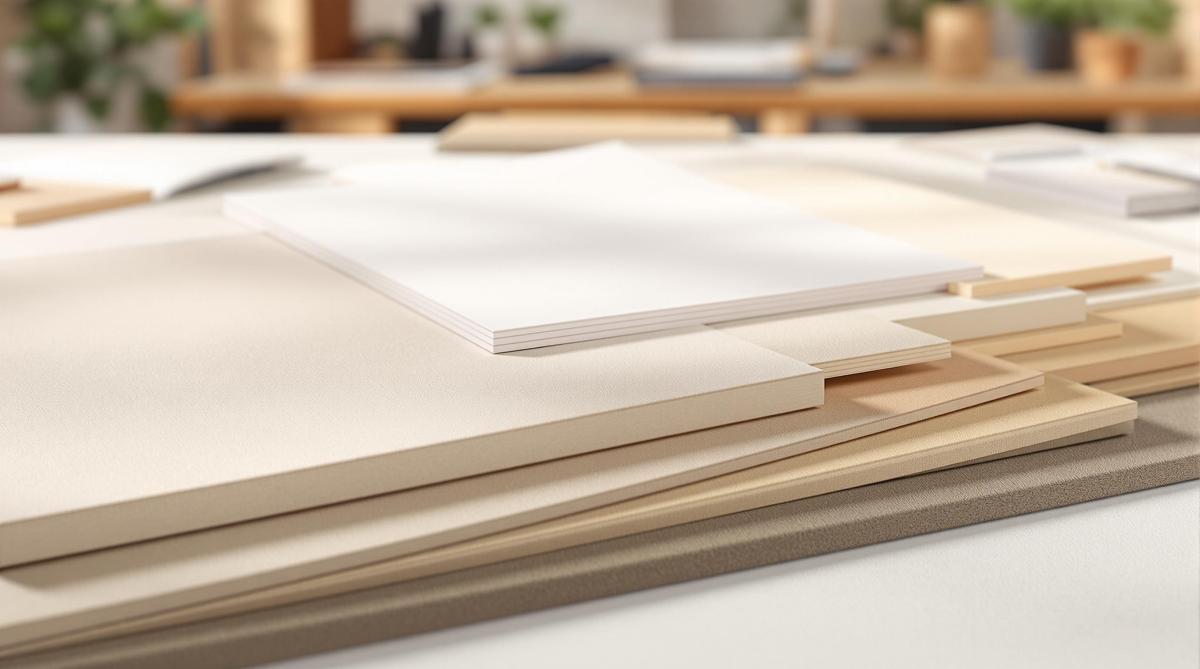
Choosing the right paper finish can make or break your printed project. Whether you want vibrant visuals, easy readability, or a luxurious feel, the finish you pick matters. Here’s a quick breakdown:
- Glossy: Bright, shiny, and perfect for photos or marketing materials.
- Matte: Non-reflective, professional, and fingerprint-resistant – great for business documents.
- Textured: Adds a tactile, premium touch for wedding invites or luxury packaging.
Key factors to consider:
- Purpose: Eye-catching visuals (glossy) vs. professional readability (matte).
- Durability: Heavier weights and high opacity for long-lasting, double-sided prints.
- Audience: Sleek finishes for younger audiences, textured for classic tastes.
For tailored advice, working with professional printers ensures the best results for your specific needs.
How to Choose the Right Paper Coating: Matte, Gloss, High-Gloss
Common Types of Paper Finishes
Knowing the different types of paper finishes can help you achieve the right look and feel for your printing projects. Here’s a breakdown of the three main finishes and where they work best.
Glossy Paper Finish
Glossy paper has a shiny, reflective surface that makes colors pop and look more vivid. This finish is perfect for projects where eye-catching visuals are a priority [1], such as:
- Marketing brochures
- Product catalogs
- Professional photography prints
- High-end magazines
- Promotional posters
However, glossy finishes can create glare under bright light, which can make text harder to read [1][2]. Because of this, they’re not the best choice for text-heavy documents or materials meant for reading in well-lit environments.
Matte Paper Finish
Matte paper has a non-reflective surface, making it easier to read and resistant to fingerprints. Its smooth finish gives a polished, professional appearance, making it a go-to for business and educational projects. It also absorbs ink well, ensuring sharp text and clean visuals [1][3].
Popular uses include:
- Business reports
- Corporate newsletters
- Educational materials
- Direct mail pieces
- Business cards
Textured Paper Finishes
Textured paper brings a tactile element to your materials with surface patterns like linen (crosshatch design), felt (soft, natural feel), and laid (parallel lines that mimic handmade paper) [1][3].
This finish is often chosen for its luxurious feel, making it ideal for:
- Wedding invitations
- Business correspondence
- Premium certificates
- Luxury packaging
- High-end business cards
Each finish has its strengths, so understanding your project’s goals will help you choose the right one. Whether you need vibrant visuals, professional readability, or a premium touch, there’s a paper finish for every need.
Choosing the Right Paper Finish
Key Factors to Think About
When selecting a paper finish, it’s important to think about your audience, durability needs, and color requirements. For example, younger audiences may gravitate toward sleek finishes like glossy or satin, while textured finishes often appeal to those with more classic tastes [1][3]. If the material will be handled frequently, matte finishes are a solid choice since they resist fingerprints and keep their appearance intact. On the other hand, glossy finishes are perfect for showcasing vibrant visuals, making them ideal for display pieces [1][2].
Color reproduction is another critical factor. Glossy finishes make colors pop, which works well for photography and promotional materials. Matte finishes, however, provide a more subdued and consistent look, making them a better fit for business documents. Satin finishes offer a middle ground, combining good color vibrancy with readability – great for marketing materials that mix text and images [1][3].
Best Finishes for Different Projects
Different types of projects call for specific paper finishes to achieve the best results:
- Business Communication Materials: Matte finishes are a go-to for corporate reports and newsletters, offering readability and a polished, professional look [1][3].
- Marketing and Promotional Items: Satin finishes shine here, balancing vibrant colors with easy readability – perfect for product catalogs or brochures [1][3].
- Premium and Luxury Projects: Textured finishes like linen or felt add an upscale touch to wedding invitations or luxury packaging, creating a tactile experience that stands out [1][2].
To make sure your choice aligns with your project’s needs, consider working with professional printing services like Miro Printing & Graphics Inc. They can guide you in selecting the right finish and may even provide samples to help you visualize the final product.
sbb-itb-ce53437
Understanding Paper Weights and Opacity
What Paper Weight Means
Paper weight, measured in gsm (grams per square meter) or pounds (lb), plays a key role in determining the quality and durability of printed materials. Here’s a simple breakdown of common weights and their typical uses:
| Paper Weight (gsm) | Best Uses | Characteristics |
|---|---|---|
| 80-100 | Everyday use | Lightweight and flexible |
| 150-200 | Brochures, flyers, magazines | Medium weight with decent durability |
| 250-300 | Business cards, postcards | Sturdy with a professional touch |
| 350+ | Premium materials, luxury packaging | Extremely durable with a high-end feel |
Heavier paper offers more durability and a polished, premium look, making it perfect for marketing materials or luxury designs. Lighter weights are more practical for everyday documents, keeping costs lower without compromising usability.
Why Opacity Matters
Opacity is essential for projects like double-sided printing, as it prevents text or images from showing through from the other side. Several factors influence opacity:
- Paper thickness: Thicker paper naturally provides better opacity.
- Coating type: Certain finishes can reduce transparency.
- Fillers in manufacturing: These impact how much light passes through the paper.
Here’s a quick guide to opacity recommendations for different projects:
| Project Type | Recommended Opacity | Purpose |
|---|---|---|
| Single-sided flyers | Standard (85-90%) | Budget-friendly for basic needs |
| Double-sided brochures | High (95-98%) | Prevents bleed-through for clean visuals |
| Premium catalogs | Maximum (99%+) | Ensures sharp, high-quality image reproduction |
Pairing the right paper weight with the appropriate opacity ensures your project looks professional and meets its purpose. For expert advice, professional printing services like Miro Printing & Graphics Inc. can help you choose the best options while staying within your budget.
Working with Professional Printing Services
Why Expert Input Matters
Professional printing services bring specialized knowledge to the table, especially when it comes to choosing paper finishes and textures. Their insights can make a big difference in the outcome of your printed materials by offering:
- A clear understanding of how various finishes influence print quality and longevity
- Tailored recommendations to align finishes with your specific project needs
- Rigorous quality control to maintain consistency across all prints
- Smart solutions to avoid costly errors
This expertise is especially helpful when selecting paper finishes, as it ensures a balance between aesthetics, functionality, and budget. A great example of this is Miro Printing & Graphics Inc., a company well-known for delivering customized printing solutions.
About Miro Printing & Graphics Inc.
Based in Hackensack, NJ, Miro Printing & Graphics Inc. specializes in guiding clients through paper finish options for a wide range of projects, from textured business cards to large-scale prints. Their services include:
- Digital and offset printing tailored to fit different paper finishes
- In-house bindery to ensure consistent results
- Design assistance with expert advice on finish selection
When recommending paper finishes, their team considers several important factors:
- The purpose of the project and its intended audience
- Environmental conditions the materials will face
- Budget limitations
- The level of durability needed
This thoughtful approach ensures each project achieves the best possible outcome, leveraging their years of experience and technical know-how to deliver high-quality results.
Conclusion: Making the Most of Paper Finishes
Key Takeaways
Paper finishes play a big role in both the look and function of printed materials. Choosing the right finish can make your project stand out, while the wrong one might fall short. For example, glossy finishes are great for making colors pop, while matte finishes focus on readability and a sleek, understated look – perfect for different types of projects [1][2].
Knowing how finishes interact with paper weights and opacity can help you create more effective materials. Pairing this understanding with expert advice ensures your printing projects deliver the results you’re aiming for [2][3].
Final Recommendations
To help you choose the best finish for your project, here’s a quick guide:
| Project Type | Recommended Finish | Key Benefits |
|---|---|---|
| Artistic Prints | Glossy | Bright colors, crisp details |
| Business Documents | Matte | Professional and easy to read |
| Luxury Items | Textured | Premium, high-end feel |
| Marketing Materials | Semi-gloss | Balanced vibrancy and readability |
Working with experienced printers like Miro Printing & Graphics Inc. can make all the difference. Their services include:
- Expert advice on choosing the right finish
- Reliable quality with in-house bindery services
- Design support to maximize your project’s impact
Achieving great results in printing means balancing style, function, and durability. Partnering with professionals ensures your project hits the mark [1][3].
FAQs
What is smooth paper called?
Smooth paper comes in several types, each suited for different purposes and styles.
- Wove Paper: This is the go-to smooth paper, known for its even surface. It’s perfect for everyday printing and business documents [1].
- Vellum Finish: A smooth option with a slight texture, offering a mix of readability and elegance. It’s often used for corporate reports, marketing materials, and professional documents. Plus, it ensures clear color reproduction without glare [1][3].
- Gloss Finish: This ultra-smooth paper is ideal for vibrant images and photos. According to Miro Printing & Graphics Inc., glossy paper enhances colors and sharpness, making it a favorite for marketing materials and photography [1].
Each of these smooth paper types serves specific needs. Whether you prioritize texture, readability, or color vibrancy, there’s a smooth paper option that fits your project perfectly [1][3].
Related Blog Posts
- Ultimate Guide to Paper Types for Business Printing
- Ultimate Guide to Post-Press Finishing
- How to Choose the Right Paper for Custom Prints
- How Foil Stamping Works: Step-by-Step Guide
https://app.seobotai.com/banner/banner.js?id=6761db23ba109895705bcd5a
 BergenCountyPrintersBlogs