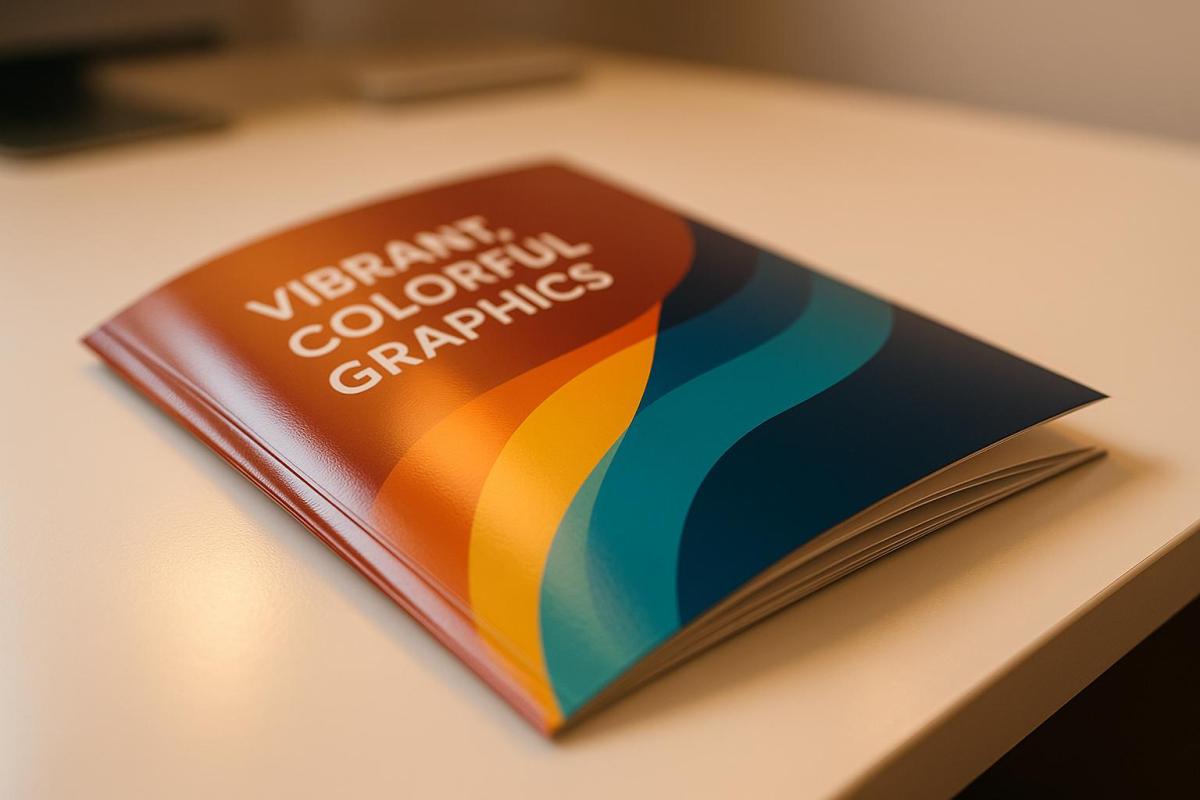
Varnish coatings are clear layers applied to printed materials to protect them from damage and improve their appearance. They can make colors pop, reduce glare, or add texture, depending on the type used. Whether you’re printing business cards, brochures, or packaging, varnishes enhance durability and visual appeal while also influencing how your materials feel and stand out.
Key Points:
- Types of Varnish: Gloss (shiny), Matte (non-reflective), Satin (soft sheen), Spot (specific areas), Flood (entire surface).
- Benefits: Protects against scratches, moisture, and wear; adds shine or texture; improves perceived quality.
- Drawbacks: Increases cost, may yellow over time, slows production, and reduces recyclability.
- Best Uses: Business cards, brochures, packaging, book covers, and marketing materials.
Choosing the right varnish depends on your project’s goals, budget, and desired finish. Gloss works well for vibrant visuals, matte is ideal for readability, and specialty coatings create unique textures. For complex projects, working with professionals ensures high-quality results.
How to enhance your labels with glossy varnish (Spot Varnish vs Screen Printing)
Types of Varnish Coatings
Now that we’ve covered the benefits of varnish, let’s dive into the different types available. Each varnish coating brings its own flair and level of protection, offering options that range from understated finishes to eye-catching effects.
Gloss, Matte, and Satin Varnishes
Gloss varnish creates a shiny, reflective surface that amplifies colors, making them appear more vibrant. This finish is perfect for projects like photography portfolios, luxury product catalogs, or marketing materials where bold visuals are key. It also resists fingerprints and moisture, keeping your materials looking polished.
Matte varnish provides a smooth, non-reflective finish that reduces glare and adds a touch of sophistication. It’s an excellent choice for text-heavy materials, such as annual reports or fine art prints, where readability matters and small imperfections need to be less noticeable.
Satin varnish strikes a balance between gloss and matte, offering a soft sheen that isn’t too overpowering. This versatile finish works well for items like business cards, brochures, or packaging when you want to add subtle visual appeal without the intensity of a full gloss.
Pro Tip: These finishes can be applied either selectively or across the entire surface, depending on your design needs (more on that below).
Spot Varnish vs. Flood Varnish
The way varnish is applied can dramatically impact the final look of your project.
Spot varnish is applied to specific areas, like logos, images, or text, to draw attention to those elements. Think of it as a highlighter for your design, making certain features "pop" off the page. However, because it requires custom printing plates, spot varnish can increase production costs.
Flood varnish, on the other hand, covers the entire surface of your material evenly. This method not only enhances the overall appearance but also provides consistent protection. It’s a practical and cost-effective option for items that will face frequent handling or exposure to moisture.
When deciding between spot and flood varnish, consider your project’s goals – whether it’s about creating a striking visual emphasis or ensuring durability within your budget.
Applications and Effects of Varnish Coatings
Varnish coatings transform printed materials into durable, eye-catching pieces. Knowing when and how to use these coatings can mean the difference between a forgettable print and one that makes a lasting impression.
Common Uses in Printing
The practical applications of varnish depend on project goals and the desired outcome.
For instance, spot varnish works wonders on logos, while flood varnish can elevate the overall look and durability of business cards. Many industries use varnished business cards to enhance their brand image and leave a polished impression.
Marketing brochures and flyers benefit greatly from varnish. Gloss varnish on product images makes them pop with vibrant colors, while spot varnish on company logos ensures they stand out. This approach is especially effective for industries like automotive dealerships, restaurants, and retail businesses, where visual appeal plays a critical role in attracting customers.
Book covers and magazines often rely on varnish to grab attention on crowded shelves. Gloss varnish on cover images adds shine and vibrancy, while matte varnish on text areas enhances readability. This combination not only improves aesthetics but also helps these materials withstand the wear and tear of frequent handling.
Packaging materials, such as product boxes, labels, and in-store displays, gain both protection and visual appeal from varnish coatings. These treatments help maintain a polished look over time and convey a sense of quality. Industries like food, cosmetics, and electronics often use varnish to reinforce their products’ premium positioning.
Annual reports and corporate materials use varnish to showcase professionalism. Matte varnish on text-heavy pages reduces glare, making them easier to read, while selective gloss varnish highlights charts, graphs, and key visuals. This strategic use of varnish enhances readability and adds a touch of sophistication.
Across these applications, varnish not only elevates the visual appeal but also adds a layer of durability to printed materials.
Visual and Tactile Effects
Varnish enhances colors, making them richer and more vibrant. Gloss varnish, for example, adds depth and saturation, while matte finishes offer a refined, understated look that doesn’t distract from the content. This makes varnish ideal for photography portfolios, art prints, and product catalogs where accurate color representation is crucial.
The tactile quality of varnish also plays a key role in shaping perceptions. Glossy finishes feel sleek and polished, while matte textures provide a soft, elegant touch. These physical sensations can influence how customers perceive the quality of a product or service, often justifying higher price points.
Contrast effects created by combining varnished and unvarnished areas add visual interest and guide the viewer’s attention. A business card with a glossy logo and a standard finish on contact details, for instance, naturally directs the eye to the brand first. This deliberate design choice improves how effectively information is communicated.
Professionally applied varnish enhances the perceived quality of printed materials. A well-varnished piece suggests premium products or services, helping businesses position themselves as high-end providers. This is particularly valuable for service-based companies where tangible indicators of quality are limited.
Protection Benefits
Varnish doesn’t just look good – it also protects printed materials from everyday wear and tear.
It offers scuff and scratch resistance, which is especially important for items like business cards, menus, and product catalogs that are frequently handled. This keeps them looking professional for longer.
Varnish also acts as a barrier against moisture, scratches, and fading. Items like restaurant menus, outdoor signage, and packaging materials benefit from this added durability. Additionally, varnish resists fingerprints and smudges, ensuring materials stay clean and presentable.
From a financial perspective, varnish can lead to cost savings. By extending the lifespan of printed materials, businesses can reduce the need for frequent reprints. While applying varnish adds to the initial cost, it often pays off in the long run, especially for high-volume projects or materials intended for extended use.
For businesses that rely on printed materials to support marketing efforts or maintain a professional image, varnish coatings provide both aesthetic and practical advantages. They protect investments and ensure that printed pieces continue to impress over time.
sbb-itb-ce53437
Pros and Cons of Varnish Coatings
When deciding whether to use varnish coatings for your printing projects, it’s important to weigh the benefits against the potential drawbacks. While varnish can elevate the look and durability of printed materials, it’s not always the perfect solution for every situation.
Benefits of Varnish Coatings
Varnish coatings offer several advantages that can take your printed materials to the next level.
- Improved durability: Adding varnish makes your prints more resistant to wear and tear. For instance, varnished business cards hold up much better to frequent handling compared to uncoated ones.
- Enhanced visuals: Varnish can make colors appear richer and more vibrant. A gloss finish adds a striking shine, while matte varnish creates a sleek, understated look that exudes sophistication.
- Design versatility: Varnish opens up creative possibilities. Spot varnish can highlight key elements like logos or headlines, while flood varnish provides consistent protection and aesthetic appeal across an entire surface.
- Long-term cost savings: Although the upfront cost may be higher, varnish extends the lifespan of your materials, reducing the need for frequent replacements.
- Professional appeal: Varnished materials often feel more premium and polished, leaving a lasting impression on clients or customers. Marketing materials with varnish can help convey a higher level of professionalism.
Drawbacks and Considerations
Despite its advantages, varnish coatings also come with some challenges that are worth considering.
- Higher upfront costs: Applying varnish can increase printing expenses by 15-30%, depending on the type and coverage. For large-scale projects or tight budgets, this added cost might be a concern.
- Yellowing over time: Prolonged exposure to UV light or heat can cause varnish to yellow, especially on white or light-colored prints. This could affect the appearance of materials meant for long-term use.
- Environmental impact: Some varnishes contain volatile organic compounds (VOCs), and varnished paper is harder to recycle than uncoated stock. This makes it less eco-friendly.
- Complex application process: Proper varnish application requires specialized equipment and expertise. Mistakes like uneven coverage or bubbling can occur without professional handling.
- Slower production times: Varnished prints need additional drying and curing time, which can delay your project if you’re working on a tight deadline.
- Limited writability: Glossy varnish, in particular, makes it difficult to write on the surface with standard pens or markers. This is something to keep in mind for forms or materials that require handwritten notes.
Varnish Types Comparison Table
| Varnish Type | Durability | Cost | Best For | Limitations |
|---|---|---|---|---|
| Gloss | High | Moderate | Product catalogs, photos, marketing materials | Shows fingerprints, can be overly shiny for text-heavy designs |
| Matte | High | Moderate | Books, reports, elegant business cards | Can appear flat on vibrant images, harder to clean |
| Satin | High | Moderate-High | Versatile applications, premium materials | Pricier than gloss or matte, less widely available |
| Spot | Variable | High | Logos, selective highlighting, creative designs | Complex application, higher setup costs |
| Specialty | Variable | Very High | Unique effects, luxury applications | Limited use cases, requires expert handling |
Each varnish type offers distinct advantages, but the best choice depends on your project’s goals, budget, and intended audience. For example, gloss varnish is ideal for eye-catching marketing materials but may not suit professional documents. Matte varnish, on the other hand, delivers a refined look but might not bring out the best in vibrant images. Balancing these factors will help you select the most suitable option for your needs.
Tips for Best Results with Varnish Coatings
To make your printed materials stand out, applying varnish coatings requires thoughtful planning and attention to detail. A well-executed varnish can elevate your project, but missteps can lead to wasted time and resources.
How to Choose the Right Varnish
Selecting the right varnish depends on your project’s purpose and the material you’re working with. For example, postcards, business cards, and food packaging each have specific requirements.
Consider your audience and design goals when choosing between finishes. Gloss or spot varnish works great for bold, high-contrast looks, while matte is ideal for a softer, more readable finish. If you want to create a tactile experience, specialty coatings like soft touch (for a velvety feel) or raised UV (for textured effects) can add a layer of sophistication. For dynamic effects, motion UV or pearlescent UV are excellent options.
Durability and budget also play a role. UV coatings are highly resistant to wear but tend to be pricier. Aqueous coatings are a more eco-friendly choice and protect against scuffs, while standard varnish offers basic coverage. Additionally, be sure to match the varnish to the paper type. For instance, aqueous coatings work best on heavier paper (80# text weight or more), while matte or satin finishes pair well with uncoated stocks.
Application Best Practices
To ensure a smooth application, start by checking the paper weight and reviewing proofs to confirm color accuracy. Allow enough time for the varnish to dry and cure properly. During the drying process, control factors like temperature, humidity, and ventilation to avoid issues. When stacking coated materials, leave space between them to prevent sticking.
Inspect the work regularly to catch and fix problems like streaks or bubbles. Once the varnish has dried, handle the materials with care. Using anti-offset spray can help prevent smudging, and it’s best to minimize handling until the coating is fully cured.
When to Work with a Professional
For complex or large-scale projects, especially those involving specialty coatings like raised UV or soft touch, it’s often best to bring in professional help. Companies like Miro Printing & Graphics Inc. offer post-press services that ensure a high-quality finish and efficient application. Whether you’re working on premium packaging or a critical marketing campaign, professionals can help avoid issues like adhesion problems and keep your project on track.
Conclusion and Summary
After diving into the world of varnish types and their applications, let’s wrap things up by highlighting the key takeaways and practical advice for making the most of varnish coatings.
Varnish coatings can take your printed materials to the next level, turning them into durable, polished, and professional pieces. Whether it’s a business card, brochure, or packaging, these finishes can transform ordinary projects into something far more impactful.
Main Benefits of Varnish Coatings
Varnish coatings offer much more than just a visual upgrade. Here’s a recap of their standout benefits:
- Protection: A varnish layer shields your printed materials from scratches, moisture, and daily wear. This is especially important for items that are frequently handled, like business cards or product packaging.
- Visual Appeal: Whether you choose a glossy finish for shine, a matte coating for a subtle look, or spot varnish to highlight specific areas, varnishes add depth and dimension. Specialty options, like soft-touch finishes or raised UV effects, can create a tactile and eye-catching experience.
- Perceived Quality: A well-applied varnish communicates professionalism and attention to detail, making your materials more memorable and likely to be kept by your audience.
- Versatility: Varnish coatings work with a variety of paper stocks and printing methods. From lightweight postcards with aqueous coatings to thick cardstock with UV finishes, there’s a varnish option for nearly any project.
Final Recommendations
Selecting the right varnish for your project is essential to achieving the best results. If you’re new to varnishes, start with simpler options like gloss or matte flood coatings to see how they enhance your designs. Once you’re comfortable, try experimenting with spot varnishes to emphasize specific elements in your layout. Be sure to match the varnish to your paper type, allow enough drying time, and account for environmental conditions during application to avoid issues and ensure consistency.
For expert guidance, Miro Printing & Graphics Inc. offers top-notch post-press services to help you navigate the technical details of varnish selection and application. Their team can ensure your projects meet your quality standards while staying on schedule and within budget.
FAQs
What’s the difference between gloss, matte, and satin varnishes, and how do I choose the right one for my print project?
When deciding between gloss, matte, and satin varnishes, it all comes down to the style and functionality you want for your printed materials.
- Gloss varnish gives your prints a shiny, reflective finish that makes colors vibrant and details sharp. This is a great choice for bold, attention-grabbing designs like ads or brochures.
- Matte varnish has a smooth, non-reflective surface that reduces glare and hides fingerprints. It’s perfect for creating an elegant, polished look – ideal for professional or more refined projects.
- Satin varnish strikes a balance, offering a subtle sheen that enhances colors without the intense shine of gloss. It’s a versatile option that works well for a variety of designs.
Think about your project’s purpose, design, and target audience when selecting the right varnish. Not sure which one fits your needs? A professional print shop, such as Miro Printing & Graphics Inc., can guide you in making the best choice.
What environmental impacts and recyclability challenges are associated with varnish coatings in printing?
Varnish coatings often come with environmental concerns, primarily due to the release of volatile organic compounds (VOCs) during the drying process. These emissions not only contribute to air pollution but can also pose health risks. Moreover, traditional petroleum-based varnishes can make recycling printed materials more challenging by interfering with the breakdown of paper and packaging.
The good news is that UV and electron-beam cured varnishes present a greener alternative. These coatings are solvent-free, produce minimal VOC emissions, and are generally easier to recycle. This makes them a smarter choice for meeting today’s printing demands while being kinder to the environment.
What’s the difference between spot varnish and flood varnish, and how does spot varnish enhance printed designs?
Spot varnish is a technique used to emphasize specific parts of a printed design, like a logo, text, or image, by applying a glossy or matte finish to those areas only. This creates a noticeable contrast, making key design elements pop while adding a sense of depth and a high-end touch to the final piece.
Flood varnish, in contrast, covers the entire surface of the printed material with a consistent finish. It not only protects the piece but also provides an even sheen across the whole design. While flood varnish is great for overall protection, spot varnish is the go-to choice for highlighting details and creating a memorable visual impact.
Related Blog Posts
- Troubleshooting Surface Coating Defects in Printing
- Ultimate Guide to Fabric Coatings for Printing
- Ultimate Guide to Textured Printing Effects
- Ultimate Guide to Glossy Coatings for Printing Projects
https://app.seobotai.com/banner/banner.js?id=68a6b9caeb70dcaaa30124cd
 BergenCountyPrintersBlogs