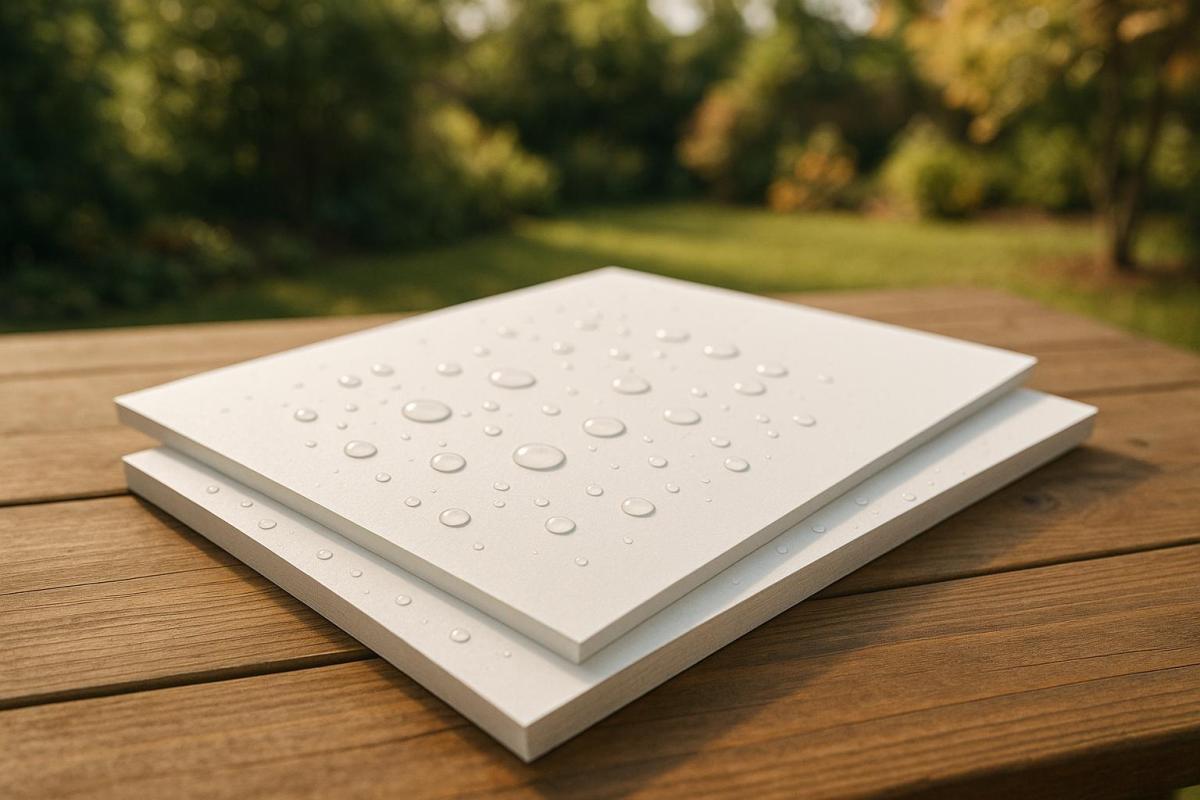
When creating outdoor materials, regular cardstock doesn’t hold up to harsh weather. Weatherproof cardstock is specifically designed to withstand rain, UV rays, temperature changes, and frequent handling. Options range from synthetic and PVC-based materials to coated paper and eco-friendly alternatives. Here’s a quick breakdown:
- Synthetic Cardstock (e.g., Yupo): Durable, water-resistant, tear-proof, and UV-stable. Ideal for long-term outdoor use but less eco-friendly.
- PVC/Plastic-Based Cardstock: Fully waterproof, strong against UV exposure, and tear-resistant. Requires special printing methods.
- Coated Paper Cardstock: Budget-friendly with water and UV-resistant coatings. Best for short-term outdoor projects.
- Eco-Friendly Options: Includes stone paper, bamboo fiber, and recycled materials. Sustainable but pricier.
- Heavy-Weight Cardstock: Thicker and sturdier for windy or demanding conditions.
- All-Weather Printer Paper: Lightweight, moisture-resistant, and compatible with standard printers.
Choosing the right option depends on your project’s durability needs, budget, and environmental concerns. Each type offers unique strengths, from long-lasting synthetic materials to affordable coated paper for temporary use. Below, we’ll explore these materials in detail to help you make the best choice for your next outdoor project.
Printing water resistant posters without lamination
1. Synthetic Cardstock (e.g., Yupo)
For outdoor projects that need to stand up to the elements, synthetic cardstock, like Yupo, is a standout option. Made from polypropylene film, it takes durability to the next level compared to traditional paper. While paper can absorb moisture and break down, synthetic cardstock holds up under tough conditions.
Water Resistance
One of its key features is its non-porous surface, which effectively repels water. Whether it’s rain, snow, or high humidity, synthetic cardstock keeps its structure and printed designs intact, making it a reliable pick for outdoor use.
Tear Resistance
Its film-based construction gives synthetic cardstock impressive tear resistance. The polymer material distributes stress evenly, making it tough enough to handle strong winds or frequent handling without ripping.
UV/Fade Resistance
Synthetic cardstock also offers solid protection against UV exposure. The polypropylene base helps prevent printed inks from fading, even under prolonged sunlight. This makes it a dependable choice for outdoor signs or displays that need to maintain their quality over time.
Print Compatibility
The smooth, non-absorbent surface of synthetic cardstock is ideal for digital printing. Latex and UV-curable inks adhere well, ensuring vibrant and durable results. For offset printing, specialized inks designed for non-porous surfaces may be required to achieve the best performance.
Environmental Considerations
While synthetic cardstock isn’t biodegradable, it is recyclable at facilities that handle plastic films. Plus, its long lifespan means fewer replacements, which can help offset some environmental concerns over time.
2. PVC and Plastic-Based Cardstock
PVC and plastic-based cardstock are built to handle tough conditions where standard paper would fall short. Designed for durability and protection, these materials shine in demanding environments. Let’s break down how PVC cardstock performs in key areas.
Water Resistance
PVC cardstock doesn’t just resist water – it’s fully waterproof. This makes it perfect for outdoor menu boards, construction site signs, or even marine settings where materials might face constant moisture or submersion.
Thanks to its non-porous surface, water simply rolls off, leaving prints dry and intact. Unlike other materials, PVC won’t warp, swell, or peel when exposed to water.
Tear Resistance
When it comes to strength, PVC cardstock is hard to beat. Its plastic-based structure spreads force evenly, making it extremely tear-resistant. This makes it ideal for temporary outdoor setups that require repeated handling, like signs or banners.
PVC’s flexibility also plays a role here. It bends without cracking or breaking, unlike rigid materials that can snap under pressure.
UV and Fade Resistance
PVC cardstock offers impressive resistance to UV rays, keeping colors vibrant and intact for the long haul. When paired with UV-resistant inks, it’s a great option for outdoor signs, vehicle wraps, or any project that requires lasting color.
Because it resists fading, businesses can save on replacement costs while maintaining a consistent brand image in outdoor settings.
Print Compatibility
Printing on PVC cardstock requires specialized methods to ensure the ink adheres properly. UV-curable inks work particularly well, creating a durable bond that won’t flake or peel. Solvent-based inks are another option, though they require careful ventilation during the process.
The smooth surface of PVC allows for sharp, vibrant prints, but it’s worth noting that standard water-based inks used in home printers won’t stick. For the best results, professional printing services are a must.
Environmental Considerations
PVC cardstock does come with some environmental concerns. While it’s recyclable through specific programs, it’s not biodegradable and can linger in the environment if improperly discarded.
That said, its durability means it lasts longer, reducing the need for frequent replacements. For projects where weather resistance is a priority, the long lifespan of PVC might outweigh its environmental drawbacks.
Price Range (USD)
PVC cardstock is a premium option, typically priced between $0.75 and $2.50 per square foot, depending on thickness and quality. While it’s more expensive than paper-based materials, its durability and extended lifespan often make it a cost-effective choice for long-term outdoor use. Bulk orders can help lower the cost, making it a smart option for larger projects or businesses with ongoing outdoor printing needs.
3. Coated Paper Cardstock (Weatherproof Coatings)
After considering fully synthetic and plastic-based materials, coated paper cardstock presents a more budget-friendly option. This material combines the familiar feel of paper with added durability through specialized coatings. By starting with a paper base and applying weather-resistant coatings, coated cardstock achieves a balance of outdoor performance and affordability. This makes it a practical choice for a variety of outdoor projects.
Water Resistance
The weatherproof coatings on this cardstock create a barrier that helps repel water. Depending on the type of coating, the level of water resistance varies:
- Aqueous coatings: Provide protection for 2–4 weeks in moderate conditions.
- UV-cured coatings: Extend durability to 6–8 weeks.
- Laminated coatings: Offer the longest-lasting protection, typically 3–6 months.
While coated cardstock handles light to moderate moisture well, prolonged exposure to heavy rain or humidity can lead to warping or delamination.
Tear Resistance
In addition to moisture protection, coatings also enhance the material’s structural durability. Heavier paper stocks, such as 14–16 pt, paired with laminated coatings, offer better tear resistance, making them suitable for outdoor use.
Among the available options, laminated coatings provide the highest tear resistance. The plastic film bonds tightly to the paper, creating a composite material that resists punctures and tearing along the grain. This makes laminated coated cardstock a strong candidate for outdoor signs that might endure wind or accidental handling.
UV and Fade Resistance
Coated cardstocks with UV-resistant finishes can greatly prolong the vibrancy of printed colors when used outdoors. Here’s how different coatings compare:
- Standard aqueous coatings: Offer minimal UV protection.
- Specialized UV-resistant coatings: Block up to 95% of harmful UV rays, keeping colors vibrant for months instead of weeks.
The durability of colors depends on the pairing of ink and coating. For instance, digital prints using UV-cured inks combined with protective coatings resist fading much better. Conversely, offset prints with conventional inks may begin fading after 4–6 weeks of direct sun exposure, even when coated.
Print Compatibility
Coated cardstock works well with both digital and offset printing, ensuring sharp, vibrant results. It also supports finishing processes like cutting, scoring, and folding, provided these steps are completed before the coating fully cures. This flexibility makes it a versatile option for a range of printing needs.
Environmental Friendliness
Compared to plastic-based materials, coated paper cardstock has an edge in environmental considerations due to its renewable paper base. However, the coatings themselves can complicate recycling:
- Aqueous coatings: Can often be recycled through standard paper recycling systems.
- Plastic-based coatings: May require separation, making recycling more challenging.
While the shorter outdoor lifespan of coated cardstock may lead to more frequent replacements, it can still strike a reasonable balance for projects lasting under three months, offering a blend of functionality and eco-consciousness.
Price Range (USD)
Coated paper cardstock is priced between standard paper and synthetic materials, making it accessible for many budgets:
- Aqueous-coated cardstock: Costs range from $0.15 to $0.35 per square foot.
- UV-cured coatings: Typically priced between $0.25 and $0.50 per square foot.
- Laminated options: Fall between $0.40 and $0.80 per square foot.
This moderate pricing makes coated cardstock an appealing choice for short-term outdoor campaigns, seasonal signage, or projects where enhanced durability is needed without the higher cost of synthetic materials. Up next, we’ll look at eco-friendly and heavier-weight options for outdoor printing projects.
4. Eco-Friendly Weatherproof Cardstock (PVC-Free, Tree-Free)
Growing environmental awareness has led to new, sustainable options for weatherproof cardstock designed for outdoor use. These materials avoid traditional tree-based paper and harmful PVC, instead opting for alternatives like stone paper, bamboo fiber, and recycled ocean plastics. While these choices may come at a higher cost, they provide a responsible way to minimize environmental impact. Let’s break down how these materials deliver water and tear resistance, UV protection, and print compatibility.
Water Resistance
One of the standout features of eco-friendly weatherproof cardstock is its natural resistance to water. Unlike traditional options that rely heavily on chemical coatings, these materials are inherently water-resistant. Stone paper, for example, naturally repels water, making it a strong choice for wet environments. Bamboo fiber offers moderate moisture protection, while recycled ocean plastic is highly effective at resisting water exposure.
Tear Resistance
Durability is another key factor. Stone paper is particularly strong when it comes to tear resistance, making it ideal for projects requiring longevity. Bamboo cardstock provides moderate tear strength, with heavier weights performing better. Recycled ocean plastic, on the other hand, is engineered for high durability, standing up to significant wear and tear.
UV and Fade Resistance
When it comes to UV protection, each material has its own strengths. Stone paper contains natural minerals that reflect UV rays, offering built-in defense against sunlight without needing extra treatments. Bamboo cardstock may require eco-friendly UV coatings to maintain its color and integrity under prolonged sun exposure. Recycled ocean plastic is specifically designed to resist fading, helping preserve print quality even in bright conditions.
Print Compatibility
Printing on eco-friendly cardstock is generally straightforward, though some materials may need specific settings. Stone paper works well with digital printing methods like latex and UV-cured inks. Bamboo cardstock is versatile, accommodating both digital and offset printing techniques. Recycled ocean plastic, however, often requires specialized digital printing adjustments to achieve fine details.
Environmental Friendliness
These materials are crafted with sustainability in mind. Stone paper uses fewer production resources compared to traditional paper, bamboo benefits from its fast-growing nature, and recycled ocean plastic helps reduce waste in marine ecosystems. These eco-conscious features make them appealing for projects that prioritize green practices.
Price Range (USD)
It’s true that eco-friendly weatherproof cardstock tends to be more expensive than conventional options. However, the combination of durability and reduced environmental impact can make the investment worthwhile. Prices vary depending on the material and its quality, so it’s important to balance your project needs with your budget.
Up next, we’ll dive into heavy-weight cardstock options for even greater durability.
sbb-itb-ce53437
5. Heavy-Weight Weatherproof Cardstock (e.g., 100# YouLLin)
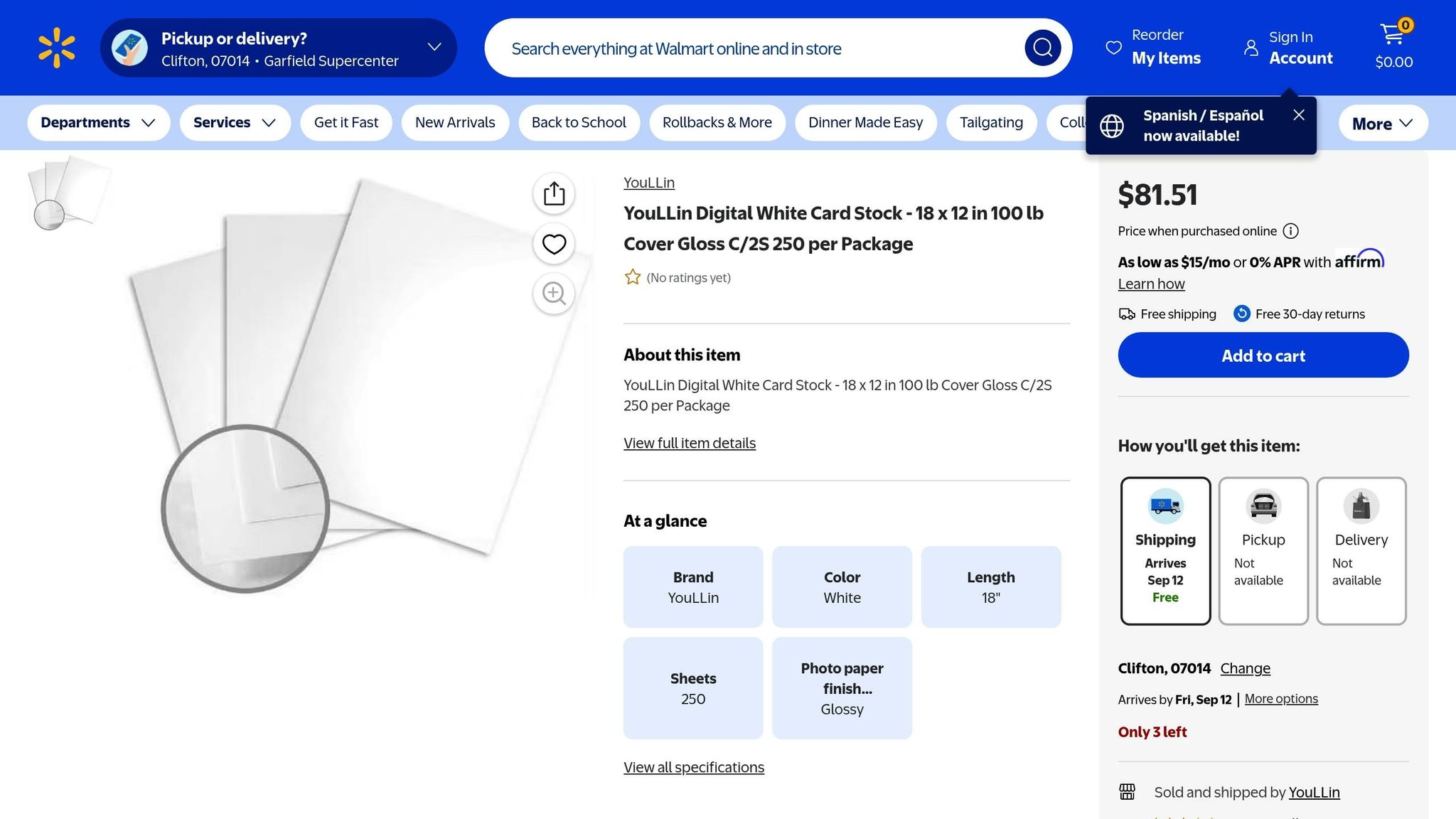
Heavy-weight weatherproof cardstock, like 100# YouLLin, stands out for its ability to work seamlessly with various printing methods – making it a go-to choice for custom outdoor projects. This type of cardstock strikes a fine balance between durability and print quality. Its sturdy build provides a reliable surface for producing sharp, vibrant prints, while also holding up to the challenges of outdoor use. However, achieving the best results often requires some adjustments to printing settings, as outlined below.
Print Compatibility
This cardstock is well-suited for both digital and offset printing. Its thicker composition enhances ink adhesion and ensures rich, saturated colors. That said, adjustments to printer pressure and drying times are necessary to avoid issues like ink bleeding. With these tweaks, 100# YouLLin becomes a dependable option for outdoor projects where durability and crisp print quality are essential.
6. All-Weather Printer Paper (e.g., Rite in the Rain)
If you’re looking for a dependable option to tackle the demands of outdoor use, all-weather printer paper is a solid choice. Designed to withstand tough conditions, this type of paper combines strength with resistance to moisture and physical wear, making it ideal for outdoor signage or fieldwork. Unlike heavier cardstocks, it’s crafted to work seamlessly with standard printers for quick and efficient use.
Water Resistance
One of its standout features is a special coating that keeps it resistant to water. This means you can write on it with a pen – even in damp or rainy conditions – without smudging or losing clarity.
Tear Resistance
Built tough, this paper resists tearing, ensuring that your printed materials stay intact even when subjected to frequent handling or harsh outdoor environments.
Print Compatibility
All-weather printer paper is designed to work with most common printers, including laser, inkjet, and copiers. For the best results, follow any specific print settings recommended by your printer.
This type of paper strikes a balance between the practicality of regular paper and the durability needed for outdoor applications.
Price Range
The added durability and performance come at a higher price, which can vary depending on the sheet size, quantity ordered, and the supplier.
Pros and Cons
When choosing weatherproof cardstock, it’s important to weigh factors like water resistance, tear strength, UV protection, print compatibility, and sustainability. The table below breaks down the key advantages and drawbacks of various options to help you decide.
| Cardstock Type | Key Strengths | Limitations |
|---|---|---|
| Synthetic Cardstock (e.g., Yupo) | Exceptional water resistance with flexible and durable properties | Petroleum-based, less eco-friendly, and more expensive |
| PVC/Plastic-Based | Strong water and tear resistance with built-in UV protection | Requires specialized printing settings and is difficult to recycle |
| Coated Paper Cardstock (Weatherproof Coatings) | Water-repellent surface and works well with standard printers | Limited durability in extreme conditions; coating quality affects performance |
| Eco-Friendly Weatherproof Cardstock | Made from sustainable materials with moderate weather resistance | Durability and water resistance depend on material composition |
| Heavy-Weight Weatherproof Cardstock (e.g., 100# YouLLin) | Thick build provides extra strength and durability | May require printer adjustments due to its thickness |
| All-Weather Printer Paper (e.g., Rite in the Rain) | Designed for moisture resistance and reliable print results | Synthetic coatings can impact recyclability and long-term durability |
Each option has its trade-offs, so your choice should align with your project’s specific needs. For example, synthetic and PVC-based options excel in harsh outdoor conditions but are less eco-conscious and costlier. In contrast, coated paper cardstocks are often more affordable and printer-friendly but may struggle in extreme weather.
Ultimately, consider factors like durability, environmental impact, print compatibility, and budget to find the right balance for your project.
Weatherproof Cardstock Solutions by Miro Printing & Graphics Inc.
At Miro Printing & Graphics Inc., we specialize in creating durable, weatherproof cardstock solutions tailored for outdoor signage and displays. These services are designed to ensure both longevity and performance, aligning with the high standards discussed earlier. Here’s how we optimize every step of the outdoor printing process to deliver exceptional results.
Digital and Offset Printing Capabilities
Whether you need a small batch or a large-scale campaign, we’ve got you covered. For short- to mid-size runs, our digital printing services provide vibrant, high-quality prints with precision. If your project involves thousands of pieces, our offset printing capabilities ensure consistent results while keeping costs manageable. We’ll recommend the best method based on your project’s size, deadline, and budget.
Large Format Solutions for Outdoor Applications
Our expertise doesn’t stop at standard sizes. We excel in large-format printing, producing outdoor materials like banners and signs that pair perfectly with weatherproof cardstock. These oversized solutions maintain their durability and visual appeal, making them ideal for projects that demand a bold, lasting impression.
Complete In-House Bindery Services
With our in-house bindery services, we handle cutting, creasing, scoring, and drilling to ensure your weatherproof cardstock maintains its integrity. This attention to detail ensures your materials are ready to withstand outdoor conditions without compromising on quality.
Design and Pre-Press Support
Durable materials are just one part of the equation. Our design and pre-press team offers comprehensive support, including logo creation, color adjustments, layout optimization, and photo retouching. Using industry-standard tools, we make sure your project looks its best, even in challenging outdoor environments.
Integrated Project Management
To simplify the process, we also offer integrated mailing and fulfillment services. By managing everything in-house, we maintain strict quality control and streamline workflows, ensuring your outdoor projects are completed efficiently and effectively.
Conclusion
Picking the right weatherproof cardstock for your outdoor project boils down to finding the right mix of durability, cost, and environmental responsibility. If you’re looking for something that can handle extreme weather and last for years, synthetic options like Yupo or PVC are your go-to. These materials are tough, water-resistant, and perfect for permanent outdoor signage or displays that need to stay sharp across multiple seasons.
On the other hand, if your project needs moderate weather protection without breaking the bank, coated paper cardstock is a solid choice. It’s a great fit for temporary outdoor displays, event signage, or seasonal promotions – offering reliable performance at a more budget-friendly price compared to synthetic materials.
For many businesses, sustainability is a growing priority. Eco-friendly weatherproof cardstocks provide a greener alternative that aligns with corporate responsibility goals. Additionally, the weight and thickness of your cardstock matter. Heavier options, like 100# cardstock, stand up better to wind and resist curling, making them ideal for tougher outdoor conditions. Lighter weights, however, may work just fine for short-term use or in more protected outdoor spaces.
Don’t forget about print compatibility – some synthetic materials need specific inks or printing techniques to ensure vibrant, long-lasting results. It’s always a good idea to consult with printing experts to get the best outcome for your project.
While premium weatherproof materials might seem costly upfront, they often save money in the long run by reducing replacement needs and keeping your signage looking professional over time. Think about factors like water resistance, tear strength, and UV stability when making your decision.
Outdoor conditions like temperature swings, UV exposure, humidity, and physical handling can all affect how well your cardstock performs. Take the time to assess your environment and match the material to your specific needs. By aligning the properties of your cardstock with the demands of your project, you’ll set yourself up for professional, lasting results.
FAQs
What should I consider when selecting weatherproof cardstock for outdoor projects?
When selecting weatherproof cardstock for outdoor projects, prioritize durability, water resistance, and environmental impact. Synthetic options, such as polypropylene or polyethylene, stand out for their toughness – they’re tear-resistant, water-repellent, and built to last, making them a solid choice for long-term outdoor use. PVC-based cardstock also offers strong durability and water resistance, though it comes with the downside of being less eco-friendly since it’s not biodegradable.
If sustainability is a key concern, look into eco-friendly cardstock crafted from natural fibers or biodegradable materials. While these options might not match the durability and water resistance of synthetic alternatives, they’re a thoughtful choice for projects that aim to minimize environmental impact. Ultimately, weigh the specific requirements of your project to strike the right balance between performance and sustainability.
What’s the best way to ensure high-quality and durable prints on weatherproof cardstock for outdoor projects?
To produce durable and high-quality prints on weatherproof cardstock, start by selecting a water-resistant or waterproof material, like synthetic paper or coated cardstock. These materials are specifically designed to handle exposure to water, grease, and outdoor conditions without degrading. Laser printing works especially well with these surfaces, as it creates a strong bond that ensures your prints last longer.
For even greater resilience, you might want to add a UV coating or laminate. This extra layer of protection guards against fading, scratches, and general wear – making it ideal for outdoor use where sunlight and harsh weather can take a toll. Choosing the right combination of materials and finishes will help your prints remain vibrant and durable over time.
Are there eco-friendly weatherproof cardstock options with strong water and UV resistance?
Yes, there are weatherproof cardstock options that are also eco-friendly, offering solid water and UV resistance while being mindful of the environment. Some synthetic papers are specifically made to handle outdoor conditions and are designed to be recyclable or environmentally conscious. They’re tough, tear-resistant, and ideal for outdoor projects where durability and sustainability go hand in hand.
For example, some waterproof and UV-resistant cardstocks are crafted from recyclable materials or synthetic fibers, combining strength with environmental care. These are great choices for creating weatherproof signage, menus, or other outdoor items while keeping their environmental impact to a minimum.
Related posts
- Applications of Coated Synthetic Fabrics in Outdoor Advertising
- How to Choose Durable Banner Materials for Outdoors
- How to Choose Recycled Cardstock for Printing
- How to Print on Heavy Cardstock Digitally
https://app.seobotai.com/banner/banner.js?id=68ac7240237382efb191f143
 BergenCountyPrintersBlogs