Ultimate Guide to Die-Cut Design Software

Explore the essential features and benefits of die-cut design software for creating precise, production-ready templates across various industries.

Die-cut design software helps convert creative ideas into precise digital templates for cutting machines. It’s used in industries like packaging, automotive, and medical to create accurate, production-ready designs. Here’s what you need to know:

  • Key Benefits: Precision, reduced material waste, smoother workflows, and real-time production insights.
  • Features: Tools for creating dielines, 3D previews for accuracy, and layout optimizations to save time and resources.
  • Applications: Packaging, marketing materials, automotive parts, and more.
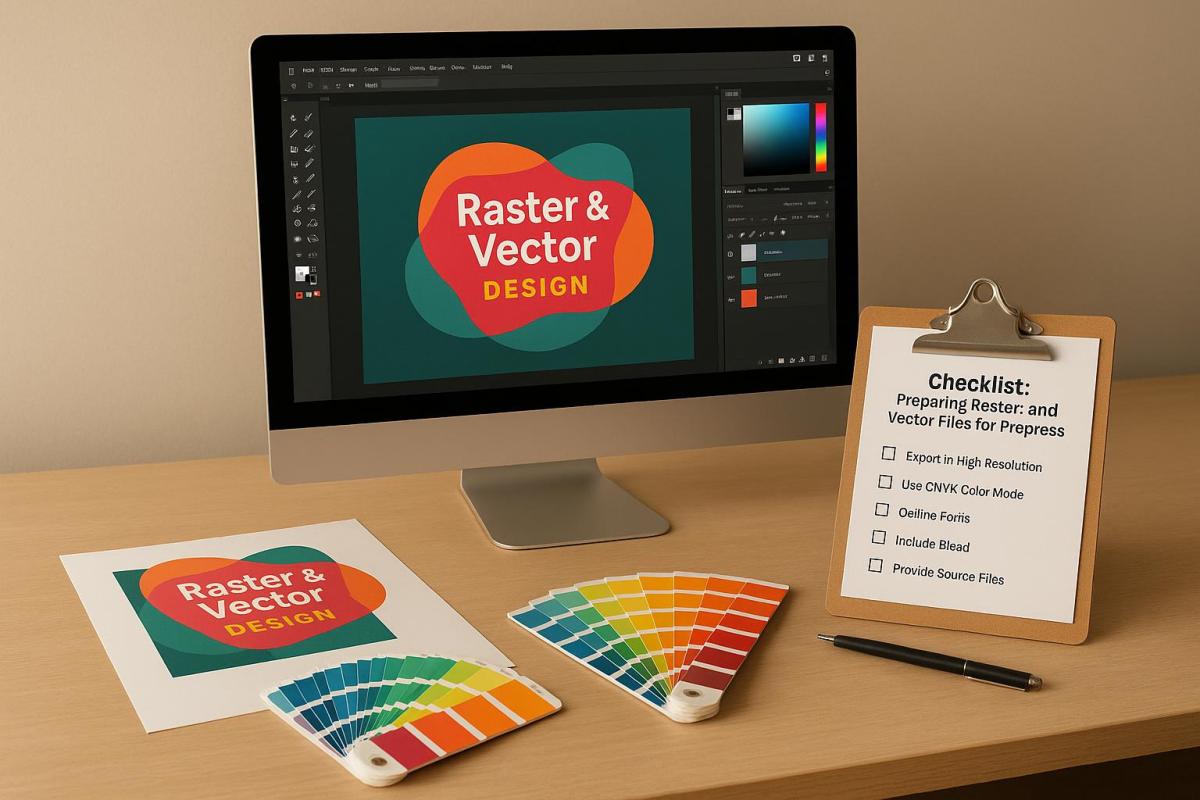
  • Getting Started: Set up your software with CMYK color mode, 300 DPI resolution, and proper bleed areas. Use industry-standard guidelines for cut, fold, and safety lines.
  • File Export: Export in PDF/X formats with 300 DPI resolution and CMYK color mode to ensure compatibility with printers.

This software streamlines production, minimizes errors, and ensures high-quality results for various materials and designs.

How to Create Die Cut Lines for Packaging & Stickers in Illustrator (Print-Ready Setup)

Main Software Features

Modern die-cut software offers a range of tools that help create precise, production-ready designs.

Dieline Tools

Die-cut design software is equipped to generate templates that guide cuts, folds, and adhesive placements. These templates include essential dieline components:

Line Type Purpose Standard Specification
Cut Lines Define where material will be cut Solid lines, typically in magenta
Fold Lines Mark where material bends Dashed lines, usually blue
Glue Tabs Indicate adhesive areas Dotted lines with shading
Safety Lines Prevent text/logo cutoff 1/8 inch (3mm) from cut edge
Bleed Lines Ensure full coverage 1/8 inch (3mm) extension

Professional software ensures these specifications are automatically maintained while allowing intuitive adjustments as needed.

3D Preview Tools

Advanced 3D visualization tools bring flat designs to life, offering interactive previews that enhance design accuracy. These tools provide:

  • 8K texture mapping (7680×4320 resolution) for detailed previews
  • Micron-level precision (within 0.001mm) for exact measurements
  • 360-degree exploration of models for a thorough review

"3D models also let teams inject more detail, thus helping everyone stay on the same page from idea to production." – Autodesk Fusion

These features ensure that teams can visualize and refine their designs before production begins.

Layout Tools

Once the design is visualized in 3D, layout tools help refine it for efficient production. For example, GNS North America utilized advanced layout optimization software in their facilities in Canton and San Jose Iturbide. Their simulation suite allowed rapid iterations of pad and binder placements, resulting in 2D blank profiles that met strict customer tolerances.

By using die-cut software effectively, businesses can see benefits like a 30-50% boost in efficiency, faster development cycles, and reduced material waste. Key features include:

  • Automated nesting patterns to maximize material usage
  • Dynamic alignment guides for precise positioning
  • Real-time waste analysis for better resource management
  • Smart distribution of design elements to streamline production

These tools not only improve efficiency but also help minimize errors and waste during the manufacturing process.

Getting Started Guide

Software Setup

To begin setting up your die-cut design software, start by checking your system meets the necessary requirements. Once installed, configure your workspace carefully. Switch the color mode to CMYK, create separate layers for dielines and artwork, and mark the dieline layer as non-printing. Don’t forget to establish default bleed areas – set these to 0.125 inches for precision. With these settings in place, you’re ready to dive into creating your first dieline.

Making Your First Dieline

Building your first dieline is a straightforward process with two key steps:

  • Set Up Your Document
    Start by creating a document with the correct dimensions and settings. Stick to the standards: CMYK color mode, 300 DPI resolution, a 0.125-inch bleed, and a vector format. These foundational settings ensure your design is print-ready.
  • Add Guidelines
    Incorporate industry-standard guidelines for cut lines, fold lines, safety zones, and bleed areas. These guidelines help maintain accuracy and ensure your design aligns with professional printing requirements.

"When you’re ready to send your design file off to a professional printer… it’s important to make sure that it’s prepared correctly. By following these best practices, you can ensure that your print job comes out looking exactly the way you want it to." – Printing Image

Once your dieline meets all specifications, it’s time to export the file for printing.

File Export Guide

After finalizing your dieline, export your file with the following settings to ensure the best results:

Setting Type Specification Purpose
File Format PDF/X-1a or PDF/X-4 Ensures compatibility with printers
Resolution 300 DPI minimum Guarantees high-quality prints
Color Mode CMYK Maintains accurate color output
Bleed Setting 0.125 inches Allows for clean edge printing
Font Treatment Outlined Prevents font-related printing issues

For vector-based designs, keep these tips in mind:

  • Package all linked files and fonts together.
  • Remove color profiles to keep output consistent.
  • Use spot colors specifically for die-cut lines.
  • Account for a possible manufacturing variance of 1–2 mm.
  • Convert all text into outlines to avoid any font conflicts.

When exporting PDFs, make sure to enable the "Use Document Bleed Settings" option and avoid applying security restrictions that could disrupt the production process. If your file size is large, opt for secure file transfer services to maintain quality without compression.

sbb-itb-ce53437

Beginner Tips

Using Ready-Made Templates

Speed up your die-cut design process by using pre-made templates. When creating your own templates, ensure the dieline is clearly marked with a 1pt pink stroke for easy identification.

Keep your artwork and technical elements organized by separating them into distinct layers:

Layer Type Purpose
Dieline Layer Non-printing, marked with a 1pt pink stroke
Artwork Layer Contains visual elements within safe margins
Fold Lines Dashed lines to indicate folds clearly
Bleed Area Extends artwork beyond the trim for coverage

Once your template is set, think about how your choice of materials will influence the final design.

Material Guidelines

Different materials react uniquely to cutting and folding, so it’s crucial to understand their behavior. Here are a couple of key points to keep in mind:

  • Paper Selection: Choose a paper thickness that suits your project’s needs. Keep notes on which options work well for future reference.
  • Material Behavior: Adjust your machine settings to match the material you’re working with. Avoid forcing materials through the machine – if you encounter resistance, reverse the plates and check for any obstructions. To prevent warping, rotate your plates regularly [30, 33].

After selecting the right materials and refining your templates, it’s time to test your design.

Making Test Samples

Testing is an essential step before moving to full production. Break the process into these phases:

Testing Phase Action Items
Digital Review Ensure all elements are positioned correctly
Print Test Confirm that colors meet your specifications
Assembly Test Check for smooth and accurate assembly
Production Review Verify all technical requirements are met

Start by printing a smaller version of your design. Check the alignment, folds, and overall structure by assembling a mock-up. Test its durability and note any adjustments you need to make.

When experimenting with different materials, keep detailed records of the combinations and machine settings that work best. These notes will help you develop dependable workflows for future projects.

Miro Printing & Graphics Inc. Die-Cut Services

Miro Printing & Graphics Inc. brings your designs to life with expert die-cut services, ensuring precision and quality in every project.

Die-Cut Options Offered

Whether you need die-cutting for rigid boxes, folding cartons, or labels, Miro Printing & Graphics Inc. delivers with accuracy. They also provide hot stamping to give your packaging a polished, standout look.

File Setup Guidelines

To ensure smooth production, submit dieline files in vector formats such as .ai, PDF, or EPS. Be sure to include exact color specifications using Pantone codes or CMYK values.

Design Support Process

Their design team works closely with you during consultations, reviewing your files for structural accuracy and production readiness. This proactive approach helps resolve potential issues early in the process.

Summary

Die-cut design software plays a crucial role in crafting precise and professional packaging that adheres to exact specifications. Its core features – such as dieline tools, 3D previews, layout capabilities, and vector accuracy – allow designers to create production-ready formats like PDF or AI files.

"In the packaging and printing industry, the term ‘dieline’ refers to a template needed to ensure the correct layout of a final physical package." – Brandon Malz, Author, GlobalVision

By focusing on accurate dielines, designers can significantly reduce production errors, saving both time and resources. Essential elements like proper bleeds, safety margins, and full-scale mockups are critical to ensuring that the final packaging meets production standards.

Miro Printing & Graphics Inc. specializes in delivering high-quality die-cut services. Their process includes strict vector file requirements and collaborative design reviews, ensuring the creation of packaging that not only meets production needs but also makes a strong visual impact.

FAQs

What should I keep in mind when setting up die-cut design software for the first time?

When you’re setting up die-cut design software for the first time, it’s crucial to get familiar with the tools and interface. Start by ensuring your document is properly configured – this means setting the right dimensions, adding bleed areas, and defining accurate dielines. These elements are key to achieving precise die-cutting results. To keep things organized, use layers and assign distinct colors to different elements, like solid lines for cuts and dashed lines for folds or creases. This simple step can prevent mix-ups during production.

If you’re new to this, pre-made templates offered by the software can be a lifesaver. They simplify the process and help minimize mistakes. Take a moment to double-check any specific setup requirements for your project. A bit of preparation can make all the difference in creating polished, professional designs!

How do 3D preview tools improve the design process for die-cut projects?

3D preview tools are a game-changer for designing die-cut projects, offering a lifelike view of how the final product will look before it goes into production. This early visualization helps designers catch issues like misalignment or sizing mistakes, reducing the risk of expensive errors during manufacturing.

These tools also make collaboration smoother between designers and clients. By presenting a clear, interactive model of the design, clients can provide more accurate feedback and approve designs more quickly. In the end, 3D previews simplify the process, save time, and help ensure the final product aligns with expectations while minimizing the need for revisions.

How can I make sure my die-cut design is print-ready and works with professional printers?

To make sure your die-cut design is ready for printing and works seamlessly with professional printers, here’s what you need to do:

  • Create precise dielines: Use design tools like Adobe Illustrator to craft accurate dielines. Keep your cut, fold, and bleed lines on separate layers, and assign unique spot colors to each for clarity.
  • Save the file properly: Export your design as a high-resolution PDF (300 DPI) in CMYK color mode. Don’t forget to include a bleed area of at least 0.125 inches to avoid unwanted white edges after cutting.
  • Review your design thoroughly: Check that all elements stay within the safe zones. If you can, do a test print to spot any issues before sending the file to the printer.

Following these steps will help minimize errors and ensure your final product looks polished and professional.

Related posts

https://app.seobotai.com/banner/banner.js?id=68300e2cd3b96619817e0b5b

Gate Fold Brochure Printing Options

Explore the differences between digital and offset printing for gate fold brochures, and choose the best option for your marketing needs.

Gate fold brochures are a great way to make your marketing materials stand out. They feature two panels that fold inward, creating a unique and engaging design. Here’s what you need to know about printing them:

  • Digital Printing: Best for small runs (under 100 copies), quick turnarounds, and personalized designs. It’s cost-effective for short-term needs and supports eco-friendly practices.
  • Offset Printing: Ideal for larger runs (500+ copies) and projects requiring high color accuracy, sharp details, and premium finishes. It works with a wide range of paper types and offers advanced customization options.

Quick Comparison

Feature Digital Printing Offset Printing
Best For Small runs, quick delivery Large runs, premium quality
Color Options Standard CMYK CMYK and Pantone
Turnaround Time 1–3 days Longer setup time
Paper Selection Limited Wide variety
Cost Efficiency Short runs Long runs
Customization Variable data, last-minute tweaks Advanced finishes, specialty inks

Both methods have their strengths. Choose digital printing for speed and flexibility or offset printing for larger quantities and premium results. At Miro Printing & Graphics Inc., you can access both options along with expert design and finishing services to create brochures that fit your needs.

Double Gate Fold Brochure – 4 Panel Folding Example – How to fold a Closed Gatefold

1. Digital Printing

Digital printing has reshaped how gate fold brochures are produced, offering businesses of all sizes access to premium marketing materials. It’s a fast and cost-efficient solution, especially for smaller print runs.

This method shines for projects requiring fewer than 100 copies, as it skips the need for printing plates and significantly reduces setup time. At Miro Printing & Graphics Inc., digital printing is a go-to option for creating professional brochures quickly and effectively.

Feature Benefit Best Use Case
Variable Data Personalization options Targeted marketing campaigns
Quick Setup 24-48 hour turnaround Time-sensitive projects
Cost Structure Lower initial costs Short runs (under 100 pieces)
Color Accuracy CMYK color simulation Standard color projects

Design and template services range between $25 and $200.

Paper selection plays a key role in the final product:

  • 70 lb text paper: A budget-friendly choice for basic applications.
  • 100 lb text paper: Offers more durability and a polished, premium feel.
  • Cover stocks (80-100 lb): Delivers maximum visual impact but requires extra care when folding.

"Digital printing technology has made affordable brochure printing accessible to all, democratizing the process and opening up a universe of creative possibilities." – Linemark

Digital printing also aligns with eco-conscious practices by reducing waste and energy consumption, all while maintaining impressive quality.

When it comes to finishing touches, this method supports both matte and gloss coatings. Matte finishes provide a sleek, understated look, perfect for luxury-focused brands, while gloss coatings enhance vibrancy, making images stand out. Your choice of finish should complement your brand’s identity and the message you want to convey.

Another advantage? Digital printing allows for last-minute tweaks, making it an excellent choice for businesses with evolving marketing needs. Up next, take a closer look at offset printing to see how it compares for larger-scale projects.

2. Offset Printing

Offset printing is a go-to method for producing high-quality gate fold brochures, especially for larger print runs. It stands out for its exceptional color accuracy and sharp image details, which digital printing often struggles to replicate.

One of the key advantages of offset printing is its flexibility with paper options. This process works with a wide range of stocks, from premium uncoated papers to textured finishes. Here’s why offset printing is a top choice for gate fold brochures:

Feature Advantage Application
Color Accuracy Pantone & CMYK precision Brand-critical materials
Image Quality Sharp gradients & details Photo-heavy brochures
Volume Pricing Lower per-unit costs Runs of 500+ pieces
Paper Options Wide stock compatibility Premium presentations

The type of paper you choose plays a big role in determining the final look and feel of your brochure. For gate fold designs, these paper types are highly recommended:

  • Coated Papers: Deliver a smooth finish and enhance image clarity, making them ideal for vibrant visuals.
  • Cover Weight Stocks: Provide durability and a premium touch, perfect for high-end marketing materials.
  • Textured Papers: Offer unique finishes like linen or metallic, adding a distinctive element to your branding.

Offset printing’s precision and adaptability make it a standout choice for professional gate fold brochure projects. Its ability to reproduce accurate colors and intricate details ensures your design is executed flawlessly, outperforming digital printing in both vibrancy and sharpness.

Material Considerations

When planning your brochure, keep these factors in mind:

  • High Opacity: Prevents show-through, ensuring a clean look.
  • Brightness Levels: Enhances color vibrancy.
  • Surface Smoothness: Affects the sharpness of printed details.

"Known for its high-quality results, offset printing offers superior color reproduction and image sharpness that will make your prints stand out from the crowd." – VSL Print

Offset printing also allows for special finishes that can elevate your brochures. While premium uncoated papers might cost nearly double that of coated options, they often justify the expense with their durability and visual appeal. To add even more impact, consider integrating these enhancements:

  • UV Coating: Increases durability and adds a glossy finish.
  • Embossing: Provides a tactile, raised effect.
  • Foil Stamping: Adds metallic accents for a striking look.

At Miro Printing & Graphics Inc., their expertise ensures precise color registration and detailed reproduction, making them a trusted partner for sophisticated gate fold brochure projects.

sbb-itb-ce53437

3. Miro Printing & Graphics Inc. Custom Services

Miro Printing & Graphics Inc. combines technical expertise, custom design capabilities, and advanced prepress quality checks to ensure every gate fold brochure is produced to exact specifications.

To maintain top-notch quality, the production process includes several key control measures:

Quality Control Step Purpose Benefit
Prepress Review Verifies artwork and calibrates colors Preserves design accuracy
Trapping Assessment Prevents color misalignment Eliminates printing gaps
Digital Imposition Plans optimal layout Increases material efficiency
Proof Verification Confirms color and alignment Ensures precision in final output

The company offers a wide range of material options to meet diverse marketing needs, along with customizable finishing treatments such as:

  • UV Coating: Adds a high-gloss protective layer.
  • Aqueous Coating: Provides a durable, eco-friendly finish.
  • Satin Aqueous: Creates a refined, fingerprint-resistant surface.

Factors That Influence Pricing

Several factors can affect the cost of your project, including:

Cost Factor Impact on Pricing Cost-Saving Tip
Print Volume Larger orders reduce per-unit costs Order in bulk to save more
Paper Stock Premium materials increase costs Choose materials early to plan budget
Turnaround Time Rush jobs come with higher fees Schedule ahead to avoid rush charges
Design Complexity Custom folds raise production costs Opt for standard folds to save money

Professional design services are available, typically priced between $75 and $125 per hour. Proofing stages ensure color accuracy, proper panel alignment, precise trims, and flawless folds.

Additionally, in-house bindery services allow for further customization with options like perforation, micro-perforation, and specialized folding. These tailored services work seamlessly with both digital and offset printing methods, delivering consistent, high-quality results every time.

Printing Method Comparison

Let’s break down the differences between digital printing, offset printing, and the custom services offered by Miro Printing & Graphics Inc. for gate fold brochures. Here’s how they compare based on key features:

Feature Digital Printing Offset Printing Miro Printing & Graphics Inc. Custom Services
Print Quality High resolution, suitable for most uses Superior detail and color precision Tailored to meet specific project requirements
Color Range Standard CMYK inks Expanded options, including Pantone colors A mix of CMYK and additional color capabilities
Minimum Order Best for small runs (around 25–500 pieces) Cost-efficient for larger orders (500+ pieces) Flexible to accommodate various quantities
Turnaround Time Typically 1–3 business days Longer due to setup needs Streamlined for faster delivery
Paper Options Limited stock selection Wide variety of types and finishes Extensive choices for diverse needs
Customization Supports variable data for personalization Best for standardized designs Fully customizable options available

Key Takeaways

Recent advancements in digital printing have enhanced its quality and speed, making it a strong choice for short runs and personalized projects. However, offset printing remains unmatched for its exceptional detail and ability to handle a wider color gamut, including Pantone options. It also supports a broader range of specialty papers, making it ideal for projects that demand high-end finishes.

From a cost perspective, digital printing is more economical for smaller quantities, while offset printing becomes more cost-effective as the order size increases. For businesses looking to balance cost and quality, a hybrid approach might be worth considering.

Turnaround times also vary significantly. Digital printing boasts quick delivery, typically within 1–3 business days, while offset printing requires a longer setup period, making it better suited for high-volume orders.

Ultimately, choosing the right printing method can elevate the appeal and professionalism of gate fold brochures, ensuring they stand out in any marketing campaign.

Choosing Your Printing Method

When deciding how to print your brochures, the method you choose can make or break your project. Digital printing works best for smaller runs, tight deadlines, and projects that require personalized touches like variable data. It’s perfect for situations where you need quick proofs or last-minute changes. On the other hand, offset printing is the go-to for larger campaigns. It’s more cost-efficient at scale and offers a polished, professional look, especially when using Pantone colors, metallic inks, or premium finishes.

Here’s a quick comparison to help you match your project needs with the right printing method:

Project Scenario Digital Printing Offset Printing
Campaign Scale Local events, test markets National rollouts, major launches
Content Type Personalized messaging Standardized brand materials
Market Timing Rapid deployment needs Planned distribution cycles
Material Impact Standard presentation Premium brand experience
Investment Level Startup/small business budgets Established marketing budgets

For standard gate fold brochures – whether sized 8.5" x 11" or 8.5" x 14" – your timeline and print quantity will play a major role in determining the most cost-effective and successful approach.

At Miro, we take a detailed look at your project by evaluating:

  • Print volume: How many brochures do you need?
  • Timeline: Is there a tight deadline or room for planning?
  • Design complexity: Are there intricate layouts or unique finishes?
  • Material specifications: What type of paper or finishes are required?
  • Budget: What’s your financial plan for the project?

With over 30 years of experience, Miro brings expertise to every step of the process. From layout to design, we ensure your brochures make the most of your chosen printing method, delivering results that align with your goals.

FAQs

What’s the difference between digital and offset printing for gate fold brochures?

When it comes to creating gate fold brochures, you’ve got two solid printing options: digital printing and offset printing. Each brings its own strengths to the table, depending on your project’s needs.

Digital printing is a great choice for smaller print runs. It’s fast, budget-friendly, and doesn’t require the extensive setup that offset printing does. Plus, it’s perfect for projects that need personalization, like custom designs or variable data. The trade-off? It might not deliver the same level of color accuracy as offset printing.

On the flip side, offset printing shines for larger quantities. It offers outstanding image quality, bold, vibrant colors, and works with a broader range of paper types and finishes. While the setup costs can be higher, the per-piece cost drops significantly as your order size increases. Ultimately, your decision will come down to your budget, the number of brochures you need, and the level of quality you’re aiming for.

How does the type of paper impact the quality and look of gate fold brochures?

When it comes to creating gate fold brochures, the type of paper you select can make a huge difference in both quality and appearance. Thicker paper stocks – like 100 lb or higher – offer a sturdy, premium feel that exudes professionalism and durability. On the other hand, lighter paper might feel flimsier and could affect how your audience perceives the overall quality.

The paper’s finish is just as crucial. A glossy finish can make colors pop, giving your design a bold and vibrant appeal. If you’re aiming for something more understated and elegant, a matte finish is a great choice, delivering a refined and sophisticated look. Both finishes have the power to enhance your brochure, so the right choice really depends on the tone and purpose of your design. To ensure your brochure makes a lasting impression, pair high-quality paper with professional printing services. It’s the perfect combination to make your message stand out.

What should I consider when choosing between digital and offset printing for my brochures?

When choosing between digital and offset printing for your brochures, the first thing to consider is the quantity you need. Offset printing works best for large print runs because the cost per unit drops as the volume goes up. On the flip side, digital printing is a better fit for smaller orders, thanks to its lower setup expenses and faster turnaround times.

Next, evaluate the quality and customization your project demands. Offset printing excels in delivering precise color accuracy and offers a broader range of paper types and finishes, making it ideal for premium, high-quality projects. Digital printing, however, shines when it comes to personalization – think variable text or images, which are perfect for tailored marketing campaigns.

Each method has its strengths, so weigh your budget, timeline, and design requirements carefully. If you’re looking for expert advice and top-notch printing services, reach out to Miro Printing & Graphics Inc. in Hackensack, NJ.

Related posts

https://app.seobotai.com/banner/banner.js?id=682fc980d3b96619817dc364

Guide to Eco-Friendly Printing Substrates

Explore eco-friendly printing substrates that reduce waste, lower carbon emissions, and enhance brand loyalty through sustainable practices.

Did you know? The U.S. discards paper equivalent to 1 billion trees every year. This highlights the urgent need for sustainable printing practices. Eco-friendly substrates like recycled paper, plant-based materials, and stone paper can help reduce waste, conserve resources, and lower carbon emissions.

Key Takeaways:

  • Recycled Paper: Saves 17 trees and 60% energy per ton.
  • Plant-Based Materials: Bamboo and hemp grow fast and use fewer resources.
  • Stone Paper: Made from calcium carbonate, saves water and trees, and is highly durable.

Switching to these materials can cut energy use by 33%, reduce emissions by 32%, and save water by 28%. Businesses adopting these practices often see cost savings, improved brand loyalty, and access to tax incentives. Ready to go green? Let’s dive in.

Eco-Friendly Printing Solutions for Sustainable Businesses

Common Eco-Friendly Print Materials

Eco-friendly printing materials offer sustainable alternatives that maintain high-quality results while helping reduce environmental harm. Here’s a closer look at some of the most commonly used environmentally conscious printing materials available today.

Recycled Paper Options

Recycled paper has come a long way, offering consistent quality while significantly cutting down on resource usage. Producing one ton of recycled paper saves around 17 trees and uses 60% less energy compared to creating paper from virgin materials.

Recycled paper typically falls into two main categories:

Type Characteristics Environmental Benefits
Post-Consumer Recycled Made from previously used items like newspapers and magazines Cuts down on landfill waste and conserves forests
Pre-Consumer Recycled Created from unused scraps during manufacturing Reduces industrial waste and lowers the carbon footprint

Premium options like PrintWorks 100% Recycled Multipurpose Paper stand out. This product contains three times the recycled content of standard paper while meeting HP ColorLok certification standards for excellent print quality.

Plant-Based Materials

Plant-based printing materials provide another sustainable option by reducing dependence on traditional wood pulp. Hemp and bamboo papers are especially promising, as these plants grow quickly and require fewer resources. In fact, 87% of consumers say they are more likely to support companies offering eco-friendly alternatives.

These plant-based papers are often paired with sustainable inks, which are biodegradable and produce fewer volatile organic compounds (VOCs). This combination makes them a popular choice for businesses aiming to align with environmentally responsible practices.

Stone Paper Products

Stone paper is an innovative and eco-conscious alternative made from 70–80% calcium carbonate and 20–30% non-toxic resin. This material offers several unique advantages:

  • No trees are used, and water consumption during production is minimal.
  • It requires 15–20% less ink during printing.
  • It can be recycled up to 200 times, compared to the seven-cycle limit of traditional paper.

The environmental savings from stone paper production are impressive. For every ton produced, it saves:

  • 20 mature trees
  • 60 tons of water
  • 60% of the CO₂ emissions compared to virgin paper production

Stone paper is also highly durable and water-resistant, making it ideal for outdoor signage or materials that endure frequent handling. Its natural whiteness eliminates the need for optical brighteners, and it produces vibrant, high-quality prints.

Advantages of Eco-Friendly Materials

Reduced Environmental Impact

Using eco-friendly materials offers a range of environmental benefits. For example, recycled materials consume less energy during production compared to using raw resources, which helps lower carbon emissions and conserve natural resources. Digital printing also plays a role in sustainability by cutting supply chain waste by 26% and reducing the carbon footprint by 65–80%.

Environmental Benefit Impact
Forest Conservation Decreases the demand for raw materials, helping to protect forests.
Water Efficiency Uses less water compared to the production of virgin materials.
Chemical Reduction Limits the release of harmful chemicals into the environment.
Waste Minimization Reduces paper use by up to 50% with double-sided printing.

These positive environmental outcomes also enhance a brand’s reputation and marketability.

Brand Image Effects

Sustainability resonates strongly with consumers. Research highlights:

  • 82% of consumers are willing to pay more for products with sustainable packaging.
  • 63% say eco-friendly packaging improves their perception of a brand.
  • 69% actively look for recyclable packaging when shopping.

"Consumers are motivated by values when purchasing, so they buy into brands that reflect their beliefs and priorities." – Shopify

Brands that align with sustainable values often see a significant boost in customer loyalty. For instance, companies prioritizing sustainable practices experience a 306% increase in customer lifetime value. Products featuring Environmental, Social, and Governance (ESG) claims on their packaging also tend to outperform those that don’t.

But the benefits of eco-friendly practices aren’t just about perception – they also deliver financial advantages.

Long-Term Cost Benefits

Adopting sustainable printing practices can lead to noticeable cost savings. Here are some examples:

  • Energy-efficient equipment reduced energy consumption by 30%.
  • Using recycled materials lowered paper costs by 10%.
  • Print-on-demand strategies saved one company $50,000 annually.

Additionally, businesses can take advantage of tax incentives and grants designed to support eco-friendly practices. Recycled paper often proves more cost-effective due to lower production expenses and improved manufacturing processes. On top of that, digital document management systems help cut storage costs while enhancing accessibility.

sbb-itb-ce53437

Where to Use Eco-Friendly Materials

Sustainable materials don’t just offer environmental benefits – they’re also practical and versatile. Here’s how they’re making an impact across various applications.

Eco-friendly print materials are a smart choice for businesses aiming to pair quality with environmental responsibility. Examples include:

  • Business cards and letterheads crafted from 100% post-consumer recycled paper
  • Brochures and catalogs printed on FSC-certified stock
  • Direct mail campaigns using biodegradable materials
  • Sales folders and presentation tools made with sustainable resources

With 66% of consumers factoring sustainability into their purchasing decisions, the demand for eco-conscious marketing materials is on the rise. These materials are not only good for the planet but also resonate with environmentally aware customers.

Green Packaging Options

The packaging industry is undergoing a shift, driven by consumer demand for sustainable solutions. In 2019, the biodegradable packaging market was valued at $4.65 billion and is expected to grow to $12.06 billion by 2025. This growth reflects a growing awareness of the environmental impact of packaging, which accounts for 63% of solid waste in the U.S..

Industry Sustainable Solution Environmental Impact
Apparel Cornstarch-based bags Breaks down in months
Technology Wheat straw cushions Replaces foam packaging
Food Service Plant-based containers Fully compostable
Retail FSC-certified boxes Promotes forest conservation

"Biodegradable packaging is generally defined as any form of packaging that will naturally disintegrate and decompose." – TIPA

Companies like Patagonia and Dell are already leading the way. Patagonia uses cornstarch-based bags that decompose in months, while Dell ships laptops with biodegradable wheat straw cushions.

The signage industry is also embracing eco-friendly alternatives to traditional PVC materials. Some of the most popular sustainable options include:

  • Non-PVC polyethylene for banners
  • Recycled PETG for indoor and outdoor signage
  • Aluminum Composite Material (ACM) for durable, weather-resistant displays
  • Kavalan PVC-free fabric with biodegradable coatings

For example, Point Defiance Zoo & Aquarium utilized these materials in their environmental campaign, showcasing their durability and visual appeal.

"We want to be a responsible part of our community here, and we think that using more sustainable materials is going to help us be a better partner to our community." – Stan Valiulis, co-owner of Interstate Graphics

Additionally, UV inks, which reduce ink usage by 20% due to lower evaporation losses, add another layer of environmental benefit. When selecting signage materials, it’s important to balance durability, environmental conditions, and sustainability goals to achieve the best results.

Switching to Eco-Friendly Materials

Making the move to eco-friendly materials is a smart way to enhance your printing process while supporting sustainability. With careful planning, you can smoothly transition to greener practices that benefit both your business and the environment.

Material Selection Guide

Start by evaluating your current materials and prioritize these sustainable alternatives:

Material Type Sustainable Options Environmental Benefits
Paper Stock FSC-certified, 100% recycled Uses less energy, conserves water, and lowers carbon output
Inks Low-VOC plant-based Reduces toxic emissions
Coatings Water-based, biodegradable Improves recyclability and minimizes harmful chemicals

The right mix of these materials can significantly reduce your environmental footprint. Think of this as the backbone of a more eco-conscious printing process.

Finding the Right Print Partner

Partnering with a print provider that shares your commitment to sustainability is essential. Look for companies that:

  • Have certifications like ISO 14001 for environmental management.
  • Offer digital printing solutions to reduce waste.
  • Are transparent about their sustainability practices.
  • Provide eco-friendly material options.
  • Use energy-efficient equipment.

Choosing a local print shop can also help cut down on transportation-related emissions. Digital printing, in particular, is worth considering – it typically generates less waste and uses fewer resources compared to traditional methods. For example, Miro Printing & Graphics Inc. in Hackensack, NJ, is a full-service print provider offering a variety of eco-friendly services. Once you’ve partnered with a sustainable provider, be sure to let your clients know about your green initiatives to strengthen your eco-conscious image.

Client Communication Tips

Clear communication about your sustainable practices can build trust and loyalty. Here’s how to approach it:

  • Be open about your journey
    Share your efforts to adopt greener practices, including successes and challenges along the way.
  • Educate and emphasize the benefits
    Highlight the tangible environmental impacts, like reduced carbon emissions and water conservation. Use fact-based messaging and include certifications or data in your marketing materials to back up your claims.

Summary

Switching to eco-friendly printing substrates plays a key role in promoting sustainable business practices. These materials have the potential to cut energy consumption by up to 33%, reduce carbon emissions by as much as 32%, and lower water usage by 28%. Such substantial reductions make adopting eco-friendly materials not just an ethical choice, but also a smart business move.

The printing industry has made strides in offering sustainable alternatives that perform well while reducing environmental harm. Here’s a quick look at some of the most impactful materials:

Material Category Environmental Impact Business Benefits
Recycled Paper Helps combat deforestation; boasts a 74% recycling rate in Europe Lowers production costs; improves brand reputation
Plant-Based Inks Sourced from renewable materials; fewer volatile organic compounds (VOCs) Produces vibrant colors; creates a safer work environment
Water-Based Coatings Free of VOCs; non-toxic Enhances recyclability; offers better adhesion

These materials highlight the win-win nature of eco-friendly substrates. With 74% of U.S. adults – and an even higher 82% of millennials – placing a priority on environmental issues, businesses adopting sustainable printing gain a clear edge in customer loyalty. Beyond appealing to eco-conscious consumers, companies can also benefit financially. By reducing waste, improving energy efficiency, and leveraging innovative materials, operational costs can drop significantly. On top of that, many organizations qualify for tax incentives and grants when they embrace sustainable practices.

Incorporating eco-friendly substrates isn’t just about protecting the planet – it’s also a smart way to boost business performance.

FAQs

What makes stone paper an eco-friendly alternative to traditional paper?

Stone paper is a standout option for those looking to reduce their environmental footprint. Made from calcium carbonate, it eliminates the need for cutting down trees, helping to protect forests. The production process is incredibly resource-efficient, using no water and up to 60% less energy compared to traditional paper manufacturing. This not only cuts down on carbon emissions but also avoids the use of harmful chemicals like bleach or acids, making it a safer and cleaner alternative.

What’s more, stone paper is both recyclable and photodegradable, meaning it naturally breaks down under sunlight. To put its impact into perspective, switching to stone paper can save around 20 trees for every ton of wood pulp paper replaced. It’s an environmentally conscious choice that doesn’t compromise on quality, offering excellent results for printing and other uses.

How can businesses promote their use of eco-friendly printing materials to build stronger customer loyalty?

Businesses have an opportunity to build stronger customer loyalty by emphasizing their use of eco-friendly printing materials as part of their sustainability efforts. Highlighting benefits like reduced waste, lower carbon emissions, and the use of recycled or biodegradable materials can connect with environmentally aware consumers. Sharing these initiatives through social media, email campaigns, or even product packaging helps communicate the brand’s commitment to these values.

Educating customers about the specific materials and processes – such as recycled paper or soy-based inks – can also create a sense of trust and authenticity. When people see that a company shares their values, they’re more likely to stick around and spread the word about their positive experiences. By clearly communicating sustainability goals and achievements, businesses can make environmentally responsible practices a central part of their brand identity.

How can businesses switch to eco-friendly printing materials without disrupting their current operations?

Switching to environmentally friendly printing materials doesn’t have to be complicated. A good starting point is to take a close look at your current materials and processes. Are you using recycled or sustainably sourced paper? What about inks – are they free of harmful chemicals? Identifying these areas gives you a clear roadmap for reducing waste and setting meaningful sustainability goals.

Instead of overhauling everything at once, make the transition in small steps. For example, you could begin by introducing eco-friendly materials in stages, giving your team time to adjust. Providing training on sustainable practices and encouraging an environmentally conscious mindset across your workplace can also make the shift smoother. Simple measures like using digital proofs and setting limits on print quantities can further cut down on waste and help you achieve your goals more efficiently.

Related posts

https://app.seobotai.com/banner/banner.js?id=682e74cd4fa53d422080070f

How to Create Print-Ready Artwork

Learn how to prepare your artwork for print by following essential guidelines for file setup, color management, and resolution to ensure high-quality results.

Creating print-ready artwork ensures your designs meet professional printing standards, avoiding costly errors and delays. Here’s what you need to know:

  • File Setup: Use high-resolution images (300 DPI), CMYK color mode, and include a 0.125" bleed area.
  • Safe Zone: Keep critical elements 0.25" inside the trim line to avoid accidental cropping.
  • Accepted Formats: PDF/X-4, AI, EPS, TIFF, or high-quality JPG.
  • Resolution: Maintain 300 DPI for sharp, professional results.
  • Color: Convert RGB to CMYK and use Pantone colors for exact matches.
  • Font Preparation: Outline or embed fonts to prevent printing issues.
  • Proofing: Always check digital or physical proofs before final printing.

Quick Tip: Double-check bleed, resolution, and color settings before submission to avoid issues. For detailed guidance, refer to the full article.

Artwork Guidelines for Perfect Prints | File Setup & Printing Tips

Preparing files for printing involves meeting precise technical standards to ensure your designs come out looking their best.

Bleed, Trim, and Safe Areas

To avoid printing mishaps, it’s crucial to set up bleeds, trim marks, and safe areas properly. Here’s what you need to know:

  • Bleeds: Extend your design 0.125 inches beyond the trim line on all sides to prevent white edges.
  • Trim Marks: Clearly indicate where the paper should be cut.
  • Safe Areas: Keep important design elements at least 0.25 inches inside the trim line to avoid accidental cropping.
  • Embedded Fonts: Convert or embed all fonts to ensure they print correctly.
  • Images: Use images with a resolution of 300 DPI for sharp results.

Here’s a quick reference for common document sizes:

Document Type Final Size Size with Bleed
Business Card 2.3″ × 2″ 2.425″ × 2.125″
Standard Letter 8.5″ × 11″ 8.625″ × 11.125″
Postcard 4″ × 6″ 4.125″ × 6.125″

Once your layout is set, the next step is ensuring your file format is compatible with printing standards.

Accepted File Types

The file format you choose can make or break the quality of your final print. Stick to these formats:

  • PDF/X-4: The go-to industry standard for print-ready files.
  • AI (Adobe Illustrator): Ideal for vector graphics and scalable designs.
  • EPS: Excellent for artwork that needs to retain scalability.
  • TIFF: Best for high-resolution photographs.
  • JPG: Acceptable, but only if saved at 100% quality.

Vector files work best for logos and designs that need to scale without losing clarity, while raster formats like TIFF and JPG are better suited for photographic images. Once your format is set, focus on resolution.

Image Resolution Standards

Resolution plays a key role in print quality. Use these guidelines for crisp, professional prints:

  • Standard photos and graphics: 300 DPI
  • Images with text: 400 DPI for added clarity
  • Large format prints: 300 DPI at the final printed size

For standard print sizes at 300 DPI, make sure your images meet these pixel dimensions:

  • 5″ × 7″: 1500 × 2100 pixels
  • 8″ × 10″: 2400 × 3000 pixels

"300 DPI is considered the standard for high-quality printing because it is a resolution that produces sharp, crisp, and detailed images that appear smooth to the naked eye."
Real Thread

Keep in mind that enlarging images beyond their original size will lower their effective resolution, which can result in blurry prints. Always start with high-quality, appropriately sized images for the best results.

Color and Design Setup

Getting the color and design setup right is crucial for creating print-ready artwork that looks exactly as intended.

Converting RGB to CMYK

To ensure your colors translate correctly from screen to print, you’ll need to convert your files from RGB to CMYK. Here’s how to do it in Adobe Creative Suite:

  • InDesign: Choose the Print intent and use the Convert to Profile option for accurate color conversion.
  • Photoshop: Go to Image > Mode > CMYK Color, and use Proof Setup to preview how your colors will appear in print.
  • Illustrator: Navigate to File > Document Color Mode > CMYK Color to switch your document’s color mode.

For precise color consistency, especially for branding, incorporating Pantone colors is a smart move.

Using Pantone Colors

Pantone

Pantone colors ensure your brand colors and specialty prints stay consistent across different materials. Here’s a quick breakdown:

Color Type Use Case Benefits
CMYK Process Standard printing Budget-friendly and works well for most jobs.
Pantone Spot Branding and specialty prints Guarantees exact color matching with vibrant results.
Coated (PMS C) Glossy materials Produces a more striking, polished finish.
Uncoated (PMS U) Matte materials Maintains consistency on absorbent papers.

Tips for using Pantone colors:

  • Update your Pantone guides yearly to stay aligned with current standards.
  • Always reference PMS numbers for accurate color matching.
  • If Pantone inks aren’t available, convert spot colors to CMYK while keeping an eye on color fidelity.
  • Compare coated and uncoated swatches to ensure your chosen color looks right on the final material.

Once your colors are set, don’t forget to pay attention to how black is used in your design.

Black Color Settings

Black might seem straightforward, but there’s more to it than meets the eye. Here’s a guide to using the right type of black for the right purpose:

Black Type Color Values Best Used For
Standard Black C:0 M:0 Y:0 K:100 Ideal for text, line art, and small details.
Rich Black C:40 M:30 Y:30 K:100 Perfect for large areas and bold headlines.

Key adjustments for black:

  • Keep total ink coverage under 240% to avoid oversaturation, which can lead to printing issues.
  • Avoid using rich black for fine lines – this can cause ghosting or blurry details.

Final Checks Before Printing

Double-check every detail before printing to avoid costly mistakes or errors.

Font Preparation

Ensuring text elements are ready is a key step. Use these methods to maintain consistency across your project:

Font Action Method Best For
Outlining Text Use Type > Create Outlines in Adobe software Most print projects
Font Embedding Save as a PDF with fonts included Digital distribution
Font Files Include all font files with your artwork Complex projects

If you outline your fonts, always keep an editable backup. Converting text to vector shapes ensures it reproduces consistently across different printing systems, but remember – once outlined, the text is no longer editable.

Digital vs. Physical Proofs

Proofing is essential to catch errors before production begins. Here’s a breakdown of the different proof types and their uses:

Proof Type Best For Notes
Digital (Soft) Proof Layout and content checks Quick and cost-effective
Physical (Hard) Proof Color and material assessment Provides a realistic preview of output
Wet Proof Exact production match Uses actual materials and production methods

For projects where color and material accuracy are critical, request a physical proof. While digital proofs are great for checking layouts and content quickly, they can’t fully replicate the final printed product.

Pre-Print Verification

Before sending your file to print, complete these essential technical checks to ensure it’s truly print-ready:

  1. Resolution Check
    Make sure all images are at least 300 DPI to avoid pixelation in the final print.
  2. Bleed Verification
    Confirm that the bleed margins are correctly set and remain intact.
  3. Technical Elements

    • Verify that all technical settings – such as CMYK color mode, ink configurations, safety margins, and trim marks – are properly applied in your print-ready PDF.
    • Double-check overprint settings, especially for white text.
    • Ensure black text is set to 100% K for sharp output.

Finally, ask someone who hasn’t been involved in the design process to proofread the artwork. A fresh pair of eyes can spot issues you might have missed.

sbb-itb-ce53437

Miro Printing & Graphics Inc. Guidelines

Miro Printing & Graphics Inc. sets its own precise standards to ensure flawless print production, building on established industry practices. While earlier sections discuss general print requirements, this section highlights their specific, tailored guidelines.

File Setup Standards

Here’s what you need to know when preparing files for Miro Printing & Graphics Inc.:

Element Requirement Details
Bleed Area 0.125" (1/8") Extend backgrounds 0.125" beyond the trim line.
Safe Zone 0.1875" (3/16") Keep crucial content 0.1875" inside the trim.
Resolution 300 DPI Standard for print (150 DPI for wide formats over 6 ft).
Line Art 1200 DPI Ensures sharp vector graphics and text clarity.
Color Mode CMYK Use rich black: 100% K, 50% C, 50% M.
Max Color Saturation 240% Total ink coverage for all color channels.

For files under 10 MB, email submission is fine. For larger files, use a secure file transfer service. Always include PDF mock-ups for projects with multiple files to ensure accuracy.

Available Design Services

Miro Printing & Graphics Inc. offers in-house design support for clients who need assistance preparing their files. Their team can:

  • Convert RGB files to CMYK for proper color reproduction.
  • Ensure bleed and trim are correctly applied.
  • Optimize resolution and layout for professional results.
  • Create print-ready PDFs.
  • Handle font and vector management.

Designers work closely with clients to ensure all technical requirements are met before production begins.

Shipping and Distribution

Miro Printing & Graphics Inc. doesn’t just handle printing; they also make sure your materials reach their destination efficiently, all from their Hackensack, NJ facility:

Service Type Features Requirements
File Submission Accepts multiple formats PDF, EPS, JPG, TIFF, PSD, AI.
Quality Control Pre-press verification Include mock-ups for multi-page projects.
Project Delivery Local and nationwide shipping Provide delivery details upfront.
Direct Mail EDDM services available Contact their mailing department for specifics.

With these services, Miro Printing & Graphics Inc. ensures every project is handled with precision from file preparation to final delivery.

Conclusion: Print-Ready File Checklist

Preparing artwork for professional printing demands precision and careful review. Here’s a handy checklist to ensure your files align with industry standards and the requirements of Miro Printing & Graphics Inc.:

Category Essential Checks Requirements
Color Settings CMYK Profile Convert all RGB files to CMYK; use rich black (100% K) when needed
Resolution Image Quality Maintain a standard resolution of 300 DPI
Document Setup Bleed & Safe Zone Include a 0.125″ bleed; keep critical elements 0.1875″ from the trim
Typography Font Management Convert all text to outlines or embed the fonts
File Preparation Final Checks Package all linked files for submission

Before finalizing your file, double-check the following:

  • Ensure line thickness is no less than 0.25 points (around 0.003 inches).
  • Compress your files for easier upload and sharing.
  • Include crop marks to guide trimming.
  • For direct mail projects, leave a clear area of 3.75 inches by 2.875 inches for mailing details.
  • Use preflight tools to confirm fonts, image resolution, and other technical elements meet the required standards.

FAQs

What mistakes should I avoid when creating artwork for printing?

How to Ensure Your Artwork Is Print-Ready

When preparing your artwork for printing, sidestepping a few common missteps can save you a lot of headaches. Here’s what to watch out for:

  • Using RGB Instead of CMYK: RGB works fine for digital screens, but it doesn’t translate well to print. For accurate colors, always convert your files to CMYK before sending them off to the printer.
  • Skipping Bleed and Crop Marks: To make sure your design goes all the way to the edge of the page, include a bleed of at least 1/8 inch. Don’t forget crop marks – they guide the trimming process and ensure precision.
  • Not Outlining Fonts or Embedding Images: If your fonts aren’t outlined or your images aren’t embedded, you risk missing elements or running into formatting problems. Take the time to outline all text and embed linked images to avoid surprises.

Paying attention to these details will help you create polished, print-ready designs while avoiding unnecessary delays.

How can I make sure my printed colors match what I see on my screen?

To get your printed colors as close as possible to what you see on your screen, it’s essential to understand the difference between RGB and CMYK color models. Screens rely on RGB (Red, Green, Blue) to create bright, light-based colors, while printers use CMYK (Cyan, Magenta, Yellow, Black), which blends inks and has a narrower color range. Because of this, printed colors often look less vibrant than what you see on your monitor.

To improve accuracy, always set your design software to CMYK mode when preparing files for print. Using a calibrated monitor can also give you a more realistic preview of your colors. For projects where precise color matching is essential, consider working with Pantone colors, which are pre-mixed inks designed to deliver consistent results in print. These practices will help ensure your printed materials turn out just the way you envisioned.

What should I do if my print-ready file is rejected by the printer?

If your print-ready file gets rejected, the first step is to contact the printing service to pinpoint the exact issue. Some of the most common reasons for rejection include:

  • Low-resolution images: Make sure all images are at least 300 DPI to ensure they print clearly and sharply.
  • Wrong color mode: Files should be in CMYK, not RGB, since CMYK is the standard for printing.
  • Missing bleeds: Add a bleed area – usually 0.125 inches – to prevent unwanted white edges after trimming.

Double-check that you’ve correctly used the printer’s templates, as formatting errors are another frequent cause of problems. After addressing the issues, you can resubmit your file. If the technical aspects feel overwhelming, you might want to reach out to a professional print service like Miro Printing & Graphics Inc. for expert advice and assistance.

Related posts

https://app.seobotai.com/banner/banner.js?id=682dea814fa53d42207f2b55

How to Set Up Artboards for Printing

Learn how to set up artboards for printing with essential tips on resolution, color mode, bleed, and document dimensions for professional results.

To create print-ready designs, start with the right artboard setup. Here’s a quick guide:

  • Resolution: Set to 300 DPI for sharp, clear prints.
  • Color Mode: Use CMYK for accurate color reproduction.
  • Bleed and Margins: Add a 0.25-inch bleed and a 0.25-inch safe zone to avoid trimming issues.
  • File Format: Export as a print-ready PDF with embedded fonts.
  • Design Size: Create artboards at the actual size of your printed piece, including the bleed.

Common Mistakes to Avoid

  • Missing bleed → leads to white edges.
  • Wrong color mode → causes inaccurate colors.
  • Low resolution → results in blurry prints.

Pro Tip: Always proof your design and check files for errors before printing. This ensures a polished, professional result.

How to set up your design document for Print // Illustrator + InDesign // Print Ready Files Series

Core Components of Print-Ready Artboards

Creating artboards ready for professional printing involves paying close attention to specific design elements. These ensure your final product looks polished and meets industry standards. Let’s break down the essentials.

Bleed, Margins, and Safe Zones

In professional printing, defining artwork zones is crucial:

Zone Size Purpose
Bleed 0.25" on all sides Extends the background beyond the trim line
Margins 0.25" from trim Provides a visual buffer from the edges
Safe Zone 0.25" inside margins Ensures essential content stays intact

These sizes align with US printing standards, though some projects may call for adjustments. Always extend background elements into the bleed area to avoid unwanted white edges after trimming. With these zones in place, your document dimensions should incorporate the bleed for seamless integration.

Setting Document Dimensions

For US-based print projects, standard paper sizes include:

  • Letter: 8.5" × 11"
  • Legal: 8.5" × 14"
  • Tabloid: 11" × 17"

When setting up your artboard, remember to add the bleed to these dimensions. For instance, a Letter-size document with a 0.25" bleed on all sides should measure 9" × 11.5". This adjustment ensures there’s no risk of white edges after trimming.

To prepare files that meet print standards, follow these settings:

  • Color Mode: Use the CMYK color space. If your files are in RGB, convert them to CMYK before exporting.
  • Resolution: Set your document resolution to 300 PPI for sharp, high-quality prints.
  • File Format: Use vector formats for logos and text, and export your final design as a print-ready PDF.

One thing to note: CMYK colors often appear less vibrant than RGB. Bright colors like oranges and deep blues may look different when printed, so always proof your design to avoid surprises.

Software-Specific Setup Instructions

To achieve print-ready designs, you’ll need to adjust the settings of your design software to match the core print setup guidelines. Here’s how to configure some of the most widely used tools.

Adobe Illustrator Setup Guide

Adobe Illustrator

Getting your artboards ready in Illustrator involves precise adjustments to meet print standards:

  1. Create a New Document
    Go to File > New Document and configure the following settings:

    • Document Type: Print
    • Dimensions: Final trim size
    • Color Mode: CMYK
    • Resolution: 300 PPI
    • Bleed: 0.125 inches
  2. Set Up Safety Margins
    Draw a rectangle that’s 0.5 inches smaller than the artboard dimensions. Center it, then convert it to guides to mark your safety margins.

Next, let’s move on to Adobe InDesign, which provides a more advanced suite of tools for professional print preparation.

Adobe InDesign Document Setup

Adobe InDesign

InDesign is a go-to for print design, offering detailed controls for setup. Here’s a quick guide to the key settings:

Setting Recommendation Purpose
Color Mode CMYK Standard for professional printing
Resolution 300 PPI Ensures crisp and sharp output
Bleed 0.125 inches Extends artwork beyond the trim area
Safety Margin 0.25 inches Keeps important elements from being cut

To ensure the best results:

  • Convert all RGB images to CMYK and check their resolution via Window > Info.
  • Use the Preflight tool to identify and fix any potential issues.
  • Export your design as a PDF using the PDF (Print) preset for proper print compatibility.

If you prefer CorelDRAW, here’s how to set up your project for print accuracy.

CorelDRAW Page Configuration

CorelDRAW

CorelDRAW also supports professional print workflows. Follow these steps to ensure your design is print-ready:

  1. Initial Setup

    • Start a new document in CMYK color mode.
    • Set Document Raster Effects to 300 PPI.
    • Enable Overprint Preview to review how colors will overlap.
    • For large black areas, use a rich black formula: C25 M25 Y0 K100.
  2. Print Preparation

    • Convert all text to curves to prevent font issues during printing.
    • Use the Flattener Preview to check for transparency issues.
    • Switch to Wireframe View to inspect color fills and drop shadows.
    • Verify that all linked images are in CMYK mode and have a resolution of 300 PPI.
    • Define a bleed area in the page settings to extend your artwork beyond the trim line.
sbb-itb-ce53437

Preparing Files for Print

Once your artboard is set up, the next step is preparing your file to ensure it’s ready for high-quality printing.

Choosing PDF Export Settings

Export your design as a print-ready PDF using the PDF/X-1a:2001 standard. Set the resolution to 300 DPI, use the CMYK color mode, and avoid compressing images. For a quick start, select the ‘Highest Quality Print’ preset.

Don’t forget to configure print marks and bleed settings to guarantee accurate trimming.

Adding Print Marks and Bleed

To make sure your design extends beyond the trim line, add a 0.125-inch bleed on all sides. Enable crop marks in your export settings and double-check that the document’s bleed settings are applied correctly.

Once these settings are in place, it’s time to perform a final quality check.

File Quality Check Steps

Before sending your file to print, go through these essential checks:

  • Image Quality
    Zoom in to 100% and inspect all images for clarity.

    • Standard prints: Minimum 300 DPI
    • Text-heavy images: Minimum 400 DPI
    • Large format prints: Minimum 100 DPI
  • Color and Technical Details

    • Convert all RGB elements to CMYK.
    • Use rich black for areas that need solid black.
    • Embed fonts or convert them to outlines.
    • Keep image scaling within 120% to avoid quality loss.
    • Ensure all critical elements stay within the safe zones.
    • Use preflight tools to catch any technical issues.

Finally, always request a proof print before moving forward with full production. This step helps you catch any last-minute adjustments and ensures your design looks exactly as intended.

Fixing Common Setup Errors

Bleed and Margin Fixes

Getting the bleed settings right can make or break your print project. As Thomas Group Printing explains:

"Incorrectly set bleed is one of the most common mistakes we see in the files we are sent".

Key Bleed Settings to Remember:

  • Make sure your bleed matches the project requirements (usually 0.25 inches).
  • Extend background elements all the way to the bleed area.
  • Double-check that bleed settings are enabled when exporting to PDF.

Additionally, keep a safety margin of 0.25 inches from the trim edge. This ensures important content won’t get cut off or leave unwanted white borders.

Font Setup and Management

Once the layout is squared away, it’s time to fine-tune your fonts to avoid any typographic hiccups.

How to Handle Fonts Properly:

  • Always export your project as a PDF with fonts embedded.
  • For logos or design-heavy elements, convert text to outlines.
  • Check PDF properties to confirm fonts are embedded correctly.

If you run into font embedding issues, stick with widely used fonts like Arial, Times New Roman, or Helvetica for greater compatibility.

Image Quality Solutions

Low-resolution images can ruin an otherwise great design. Replace them with higher-quality alternatives to ensure sharp prints.

Resolution Guidelines:

  • For standard prints, use images with a minimum of 300 DPI.
  • If the image contains text, aim for at least 400 DPI.
  • Use vector formats for logos and text-heavy designs.
  • Avoid upscaling low-res images – it leads to blurry results.

Lastly, convert all RGB images to CMYK before sending them to print. These steps, combined with earlier quality checks, will help you achieve a polished final product.

Summary and Best Practices

Here’s a quick reference guide to help you finalize your print setup and avoid common pitfalls:

Setup Component Specification Common Issues to Watch
Color Mode CMYK RGB images require conversion
Resolution At least 300 DPI Low-resolution images may look pixelated
Bleed Area 0.125 inches Missing or incomplete bleed
Safe Zone 0.25 inches from trim Text placed too close to the edge
Font Size Minimum 8pt; 10pt for reverse text Small text may become illegible
Line Weight Minimum 0.25pt thick Thin lines may disappear

Always use the ‘Press Quality’ PDF preset to ensure your files are optimized for professional printing. Following these guidelines helps create a polished, error-free design ready for production.

Professional Print Services at Miro Printing & Graphics Inc.

Once your artboards align with the checklist, partnering with a professional printing service can help ensure your final product meets the highest standards. Based in Hackensack, NJ, Miro Printing & Graphics Inc. provides comprehensive digital and offset printing solutions tailored to your needs.

What Sets Miro Apart?

  • Pre-press File Inspection: Ensures your files are print-ready.
  • Color Accuracy Verification: Maintains consistency in color reproduction.
  • Print Proof Review: Gives you a chance to approve the final look before production.
  • Technical Support: Guides you through every step of the process.

Research shows that first impressions are made in just seven seconds, so high-quality printing plays a crucial role in leaving a lasting impact. For more intricate projects, Miro’s in-house design team can adjust your files to meet technical requirements, reducing errors and streamlining production timelines. This hands-on approach ensures your vision translates perfectly to print.

FAQs

Why should I use CMYK instead of RGB for print designs?

When preparing designs for print, it’s best to work in the CMYK color mode. CMYK stands for Cyan, Magenta, Yellow, and Black, and it reflects how ink behaves on paper. Using this mode helps ensure that the colors in your printed materials closely align with your original design.

In contrast, RGB (Red, Green, Blue) is tailored for digital screens. If you design in RGB and later convert to CMYK for printing, the colors may shift, leading to unexpected results. This can be frustrating, especially when precise color matching is essential.

Starting your design in CMYK is particularly important for projects like brochures, business cards, or marketing materials where consistent and accurate colors make a big difference.

How can I make sure my images are high-resolution and print-ready?

To make sure your images are ready for professional printing and look sharp, here’s what you need to do:

  • Set the resolution to 300 DPI (dots per inch): This ensures crisp, clear print quality and is the standard for most professional print jobs.
  • Match the image dimensions to the print size: For instance, if you’re printing a 4×6-inch photo, the image should be at least 1200 x 1800 pixels at 300 DPI.
  • Use high-quality file formats: Save your images in formats like TIFF or PNG, as these retain more detail compared to JPEGs.
  • Avoid enlarging images: Enlarging beyond the original size can result in pixelation. If resizing is necessary, it’s always better to scale down rather than up.

By following these steps, you’ll ensure your printed materials come out looking polished and professional. If you need expert help, consider reaching out to a reliable print shop like Miro Printing & Graphics Inc. in Hackensack, NJ.

How do I make sure my design has the correct bleed and margins for printing?

To get your design ready for professional printing, it’s crucial to double-check the bleed and margin settings. Typically, a standard bleed size is 0.125 inches on all sides, while margins should keep key elements at least 0.25 inches away from the trim line. These settings can usually be adjusted in the document setup options of your design software.

Make use of visual tools like crop marks and bleed lines to ensure your design extends properly into the bleed area and that no essential text or images are positioned too close to the edges. Before exporting your file, take a moment to review everything thoroughly. This step helps prevent any printing mishaps or design cutoffs.

If you’re unsure or want expert guidance, Miro Printing & Graphics Inc., located in Hackensack, NJ, offers professional support to ensure your files are print-ready and deliver exceptional results tailored to your needs.

Related posts

https://app.seobotai.com/banner/banner.js?id=682d25644fa53d42207e4036

Natural Fiber Substrates vs. Traditional Paper

Explore the eco-friendly advantages of natural fiber substrates like bamboo and cotton compared to traditional wood-based paper for printing.

Looking for eco-friendly printing options? Here’s a quick breakdown of natural fiber substrates (like bamboo and cotton) compared to wood-based paper:

  • Growth Cycle: Bamboo matures in 3–5 years; trees take 20–50 years.
  • Environmental Impact: Bamboo uses less water, absorbs more CO₂, and requires minimal chemicals. Wood-based paper production is resource-heavy but widely recycled.
  • Print Quality: Bamboo offers smooth surfaces for fine art, while wood paper ensures consistent results for high-volume printing.
  • Cost: Bamboo and cotton papers are pricier but cater to premium projects. Wood paper is more affordable for everyday use.

Quick Comparison

Criteria Bamboo Wood Paper Cotton
Growth Cycle 3–5 years 20–50 years Annual harvest
Water Usage Low Moderate Very high
Carbon Absorption 35% more CO₂ than trees Lower Variable
Print Quality Smooth, high-end finishes Consistent, versatile Durable, soft texture
Cost High (premium applications) Low (mass-market use) High (luxury printing)

Bottom Line: Choose bamboo or cotton for premium, eco-conscious projects. Stick to wood-based paper for cost-effective, large-scale printing.

Bamboo Paper: A Sustainable Alternative to Wood-Based Paper?

Raw Material Sources and Impact

The environmental footprint of paper production depends heavily on the raw materials used. Choosing the right materials can make a big difference for both sustainability and cost. Let’s break down the impact of some key raw materials and their role in paper production.

Bamboo and Cotton Production

Bamboo is an incredibly efficient material for paper production. It matures for harvest in just 3–5 years, making it a faster and more sustainable option compared to traditional wood.

Here’s why bamboo stands out:

  • Low water usage: It requires just 1/6 the water that trees need.
  • Carbon absorption: Bamboo absorbs 35% more CO₂ than trees.
  • No chemicals needed: It grows without pesticides or fertilizers.
  • Self-regenerating: It regrows naturally after harvesting.

On the other hand, cotton presents some challenges despite being a renewable resource. It’s the most pesticide-intensive crop in the world, and its water demands are staggering – producing just one kilogram of cotton requires over 10,000 liters of water.

These factors highlight the environmental trade-offs of using bamboo and cotton, setting the stage for a closer look at traditional wood pulp.

Wood Pulp and Forest Management

Traditional wood pulp, while widely used, comes with its own set of environmental concerns. This industry consumes 33–40% of all industrial wood traded globally, contributing significantly to deforestation. To put it into perspective, producing one ton of white paper requires around 17 trees, underscoring the resource-heavy nature of this process.

Here’s a quick comparison of bamboo, wood pulp, and cotton:

Feature Bamboo Wood Pulp Cotton
Water Usage Low Moderate Very high
Chemical Needs Minimal Moderate High (pesticides)
Carbon Impact 12 tons CO₂/ha/year absorbed 1 ton CO₂/40 years Variable
Growth Cycle 3–5 years 20–50 years (hardwood) Annual harvest

Beyond raw material sourcing, the production process itself has a significant impact. For every kilogram of paper made, about 3.3 kg of CO₂ is released into the atmosphere. However, sustainable practices are helping to reduce these effects. In the United States, for example, over 1 billion trees are planted annually, and only about 2% of managed forests are harvested each year.

Brazil offers an example of alternative approaches. In 2013, bamboo made up 77% of the country’s cellulose pulp derived from non-wood plant fibers. Even so, the supply fell short of the annual demand of 1 million tons, showing the challenges of scaling up alternative materials.

Manufacturing Methods and Material Features

The way natural fiber and wood-based paper substrates are made plays a big role in shaping their qualities and how they perform in different uses.

Natural Fiber Manufacturing Steps

Bamboo processing can be done using mechanical, chemical, or enzymatic methods, each with its own pros and cons. For example, mechanical processing keeps the natural properties of bamboo intact but comes with higher labor costs. This method involves crushing and separating the fibers, resulting in the following composition:

Component Percentage
Cellulose 73.83%
Hemicellulose 12.49%
Lignin 10.15%
Moisture 3.16%
Pectin 0.37%

Chemical processing, on the other hand, can enhance certain properties. For instance, one study highlights the benefits of treating bamboo strips with LMwPF resin:

"The strips were treated with LMwPF resin for 1 hour, dried at 60°C for 6–9 hours, and hot-pressed (14 kg/m², 140°C, 5–17 minutes), resulting in enhanced stability and mechanical performance."

These methods differ sharply from the standardized chemical processes used to produce wood pulp.

Wood Pulp Production Methods

Wood pulp production is largely dominated by chemical methods, with the kraft process leading the way. This process, which accounts for about 80% of global pulp production, involves breaking down lignin in wood using sulfide ions in a highly alkaline solution. The key component here is white liquor, a mix of sodium hydroxide (NaOH) and sodium sulfide (Na₂S). This method produces fibers that are stronger compared to those from other pulping techniques.

Another method, sulfite pulping, is less common today, making up less than 10% of total chemical pulp production. Despite this, it offers unique benefits. As H.L. Hintz explains:

"Sulfite pulping can be controlled to produce pulps over a wide range of lignin contents and pulp yields."

The major difference between these two methods lies in their chemical environment. Kraft pulping uses strongly alkaline conditions, while sulfite pulping employs acidic or neutral conditions with sulfur dioxide and bisulfite ions. This difference impacts the final product’s qualities: kraft pulp is known for its strength, although it starts with a darker color, which can be corrected through bleaching to achieve a high level of whiteness.

The quality of print plays a crucial role in determining the final appearance of any printed material. Papers made from natural fibers and traditional wood-based sources bring distinct characteristics to the table, influencing factors like image clarity, color intensity, and overall durability. These qualities are the result of specific manufacturing processes that shape the paper’s properties, ultimately impacting both its longevity and visual appeal.

Material Strength Tests

The strength of paper is heavily influenced by the structure of its fibers, which stems from the manufacturing techniques used. Natural fiber and wood-based papers exhibit different mechanical properties that directly affect their performance during printing. For instance, bamboo paper demonstrates directional strength, meaning it can bear more load along the alignment of its fibers. However, studies show that over time, the cellulose and hemicellulose content in bamboo fibers may decrease, potentially affecting their durability. For reference, individual bamboo fibers boast a tensile strength of approximately 1.6 GPa and an elastic modulus near 33 GPa. On the other hand, traditional wood-based and cotton papers display varying levels of durability and dimensional stability, largely dictated by their fiber compositions.

The surface of the paper is another critical factor in print quality, as it determines how ink interacts with the material. This directly affects aspects like print resolution, color accuracy, and overall visual appeal.

"Our customers seek the highest quality printing surface that will make their signs standout while trying to keep costs down."

The texture and coating of paper significantly influence the sharpness of details and the vibrancy of colors. Smooth papers are known for producing sharper images and brighter colors, while textured papers create a tactile, artistic feel with softer tones. Natural fiber papers, in particular, have unique ink absorption traits that affect color saturation and drying times. Coated papers, meanwhile, enhance both durability and color brilliance, whereas uncoated natural fiber papers offer a more organic and understated look.

"The result of using these sustainable raw materials is an overall very different aesthetic quality to a typical glossy cotton paper. The first thing to take into consideration is that they are all matte papers. This results in less contrast and more of the textural quality of the paper showing through in the final print."

Testing has shown that certain papers, like Ilford Smooth Cotton Rag, deliver exceptionally smooth finishes ideal for high-quality printing. Meanwhile, specialty bamboo papers are particularly well-suited for artistic applications, such as calligraphy and fine art printing, thanks to their distinctive properties.

sbb-itb-ce53437

Price Analysis

The cost comparison between natural fiber substrates and traditional wood-based paper reveals notable differences in both production expenses and market pricing. Understanding these dynamics is crucial for businesses aiming to choose the best material for their printing needs.

Manufacturing Cost Factors

The production costs for natural fiber and wood-based papers are shaped by several important factors. Wood pulp facilities benefit from large-scale production, making them more cost-efficient, while natural fiber processing often occurs in smaller facilities, leading to higher per-unit costs. Additionally, machines used for wood pulp processing are up to three times faster than those designed for non-wood fibers.

Here’s a breakdown of how specific cost components differ:

Cost Component Natural Fiber Impact Wood-Based Impact
Raw Materials Lower initial cost due to agricultural waste availability Costs depend on regional supply and demand
Processing Requires more energy and chemicals Streamlined and efficient processes
Equipment Higher costs per unit due to smaller-scale operations Benefits from economies of scale
Labor More labor-intensive Automation reduces labor expenses

These factors collectively explain the cost disparities between natural fiber and wood-based paper, which ultimately affect market pricing.

Market Prices

The differences in production costs are directly reflected in the prices consumers pay. In the U.S., natural fiber papers – often marketed as premium or artistic products – tend to be more expensive than their wood-based counterparts.

For everyday office use, wood-based paper is the more economical choice. For instance, Amazon Basics Multipurpose Copy Paper (8.5 × 11 inches) costs $26.09 for 2,500 sheets, which breaks down to about $5.22 per ream. On the other hand, specialty bamboo papers are priced significantly higher:

Product Type Price Quantity
Bamboo Mixed Media Paper (6" × 9.8") $13.95 15 sheets
Bamboo Mixed Media Block (9.4" × 12.6") $13.95 25 sheets
Hahnemühle Bamboo Fine Art Paper $76.40 Unit Price

For specialized printing needs like business cards and marketing materials, bamboo-based options are even pricier:

  • Business Cards: Starting at $48.76
  • Postcards: Starting at $152.07
  • Greeting Cards: Starting at $214.05
  • Bookmarks: Starting at $100.83

While natural fiber products come with higher upfront costs, their durability and eco-friendly appeal provide added value over time. In fact, industries such as automotive manufacturing have reported that using natural fiber composites can lower part costs by up to 20% and reduce weight by approximately 30%.

Environmental Impact Measurements

The environmental footprint of natural fiber substrates and traditional paper differs significantly throughout their lifecycle – from production to recycling and eventual disposal.

Decomposition and Reuse

Natural fibers break down within weeks or months under optimal conditions, while traditional paper takes several months. Recycling trends also differ: paper recycling is widely practiced. In 2021, paper and cardboard made up 40.3% of the European Union’s 84 million tonnes of packaging waste.

Material Type Decomposition Characteristics Recycling/Reuse Trends Environmental Impact Overview
Natural Fibers Weeks to months under ideal conditions Limited fiber-to-fiber recycling Naturally biodegrades into non-toxic byproducts
Traditional Paper Several months under ideal conditions Widely recycled; 40.3% of EU packaging waste in 2021 Energy-intensive production with notable CO₂ emissions

These differences in decomposition and recycling provide a foundation for understanding the broader carbon footprint of these materials.

Carbon Impact

Carbon emissions further highlight the differences between these substrates. Traditional paper manufacturing is resource-heavy and emits significant amounts of CO₂. For instance, producing one tonne of paper requires approximately 17 trees. However, recycling paper can reduce energy consumption by up to 70%, offering a more resource-efficient alternative.

Bamboo, on the other hand, presents a more eco-friendly option. Bamboo Grove highlights its environmental benefits:

"By choosing bamboo over slower-growing timber, we can reduce the strain on forests and encourage a more sustainable approach to resource management".

Bamboo’s rapid growth and efficient carbon sequestration make it a standout material. It absorbs carbon more effectively than traditional timber, contributing to lower atmospheric greenhouse gas levels. As Bamboo Grove explains:

"Bamboo’s ability to sequester carbon contributes to lowering atmospheric greenhouse gas levels. As consumers and businesses choose bamboo over carbon-intensive materials, they help decrease overall carbon emissions".

Meanwhile, innovative approaches in fiber recycling are helping reduce the environmental toll of paper. For example, the Spanish company Hilaturas Ferre has developed a mechanical recycling process that preserves fiber quality at a 15 mm staple length. This technology enables the production of yarns with up to 50% recycled content, offering a more sustainable alternative for fiber processing.

U.S. Print Market Uses

In the U.S., natural fiber and wood-based substrates cater to different needs, depending on the project requirements and client preferences.

Natural Fiber Print Projects

Natural fiber substrates are the go-to choice for premium and environmentally conscious printing. This segment is experiencing notable growth, with bamboo paper alone projected to hit $77.48 billion by 2030, expanding at a 5.9% annual growth rate in the U.S..

These materials are often used in high-end applications, such as:

Application Material Choice Key Benefits
Fine Art Prints 100% Cotton Excellent water absorption, archival quality
Legal Documents Cotton Paper Durability and fade resistance
Luxury Business Cards Recycled Cotton Premium texture with a sustainability story
Premium Packaging Bamboo Unique texture and eco-friendly appeal

For example, Mohawk and MOO collaborated to create 100% recycled cotton business cards using fabric waste from t-shirts.

While natural fibers shine in premium applications, wood-based papers remain indispensable for large-scale, cost-effective production.

Wood Paper Applications

Traditional wood-based papers dominate high-volume printing, offering affordability and versatility. In 2016, global paper demand surpassed 472 million tons, with wood-based substrates playing a key role across various industries.

Common uses include:

Project Type Paper Choice Market Trends
Commercial Print Uncoated Wood-based Increasing preference for natural textures
Labels Bio-based Substrates Rising demand for sustainable options
Marketing Materials Mixed Fiber Balances cost with quality
Catalogs Traditional Wood Efficient for high-volume production

Joshua Levine, CEO of Legion Paper, highlights the innovation in this field:

"Over the last 25 years we’ve dedicated our company to sourcing and creating the very best fine art papers the world has to offer. In creating our bamboo paper we used our resources and experience to develop something in keeping with the rest of our products–something not just unique but something that performs up to our customers’ high standards."

Both natural fiber and wood-based papers remain essential. While traditional papers dominate in mass-market printing, natural fibers are carving out a growing niche in premium and eco-conscious segments.

Miro Printing & Graphics Inc. (https://bergencountyprinters.com) expertly combines both substrate types to provide tailored, sustainable printing solutions across the U.S.

Conclusion: Substrate Selection Guide

Choosing the right substrate means aligning your project’s needs, budget, and environmental goals. Here’s a quick comparison to help guide your decision:

Project Requirements Natural Fiber Substrates Traditional Wood-Based Paper
Premium Print Jobs Great for fine art and luxury cards Better for high-volume commercial printing
Cost Considerations Best for high-end projects More affordable for large production runs
Environmental Impact Lower carbon footprint and biodegradable Supported by an established recycling system
Durability Factors Can vary in strength and moisture resistance Reliable with consistent durability
Print Quality Offers unique textures and aesthetics Ensures consistent, dependable results

This table highlights how different substrates cater to specific project needs. It builds on earlier discussions about raw materials, manufacturing processes, print quality, cost, and environmental considerations.

Natural fiber substrates shine in premium and eco-conscious projects, offering a blend of sustainability and aesthetic appeal. Meanwhile, traditional wood-based paper remains a trusted choice for high-volume printing, balancing cost and performance. In North America, paper-based substrates still dominate 48% of the label market, underscoring their importance in the industry.

At Miro Printing & Graphics Inc., substrate selection is guided by these key steps:

  • Assessing project requirements: Matching substrate features to specific needs.
  • Considering budgets and production volumes: Balancing costs with scale.
  • Evaluating sustainability goals: Factoring in certifications and environmental impact.
  • Testing print quality: Ensuring the material meets design standards.
  • Reviewing durability needs: Tailoring to the application’s demands.

Whether you’re creating premium marketing materials or managing large-scale commercial printing, the right substrate can make all the difference. Natural fibers are perfect for luxury and sustainable projects, while traditional papers deliver dependable results for high-volume needs.

"It’s been talked about for a long time, but now we’re starting to see more action and traction with companies embracing sustainable solutions."

FAQs

What makes bamboo a more eco-friendly alternative to traditional wood-based paper?

Bamboo stands out as an eco-friendly alternative to traditional wood-based paper, largely because of its incredibly fast growth. While trees can take anywhere from 20 to 50 years to mature, bamboo reaches maturity in just 3 to 5 years. This quick regrowth not only helps combat deforestation but also ensures a steady, renewable supply of raw materials.

On top of that, bamboo production tends to leave a smaller environmental footprint. It produces fewer greenhouse gas emissions and requires less water during manufacturing. Beyond its production benefits, bamboo plays a vital role in maintaining healthy ecosystems. It helps prevent soil erosion, enhances soil quality, and provides habitats for various species, which supports biodiversity. For consumers looking to make eco-conscious choices, bamboo offers a more planet-friendly option.

How does the print quality of bamboo and cotton paper compare to traditional wood-based paper?

Bamboo and cotton paper stand out for delivering exceptional print quality, often surpassing traditional wood-based paper. These natural fibers are particularly good at absorbing ink, which leads to sharper details and richer, more vibrant colors. Plus, their smooth texture enhances the clarity of printed images, making them ideal for projects that demand precision and fine detail.

On the other hand, wood-based paper tends to fall short in vibrancy and sharpness due to its composition and surface texture. For anyone aiming to achieve premium-quality prints – whether for personal or business use – bamboo and cotton paper offer an attractive combination of performance and visual appeal.

Why are natural fiber papers more expensive, and when does it make sense to use them?

Natural fiber papers, crafted from materials like bamboo and cotton, often come with a higher price tag. This is largely due to the labor-intensive processes and lower yields involved in their production compared to traditional wood-based paper. Unlike wood pulp, these fibers typically require specialized cultivation and processing methods, which add to the cost. On top of that, many producers of natural fiber papers prioritize eco-friendly practices, further influencing their pricing.

Even with the added expense, these papers are a top choice when quality, aesthetics, and environmental consciousness matter most. They’re commonly used for luxury stationery, high-end packaging, and eco-friendly branding – perfect for businesses aiming to connect with environmentally aware audiences. Their standout features, like durability, biodegradability, and distinctive textures, make them an appealing option for those looking to create a memorable impression while aligning with sustainable values.

Related posts

https://app.seobotai.com/banner/banner.js?id=682be6a34fa53d42207cacd3

How to Choose Materials for Award Certificates

Selecting the right materials for award certificates enhances their durability, appearance, and authenticity, making achievements memorable.

Want your award certificates to stand out? Start with the right materials. The paper you choose impacts durability, appearance, and authenticity – key factors in creating a professional and lasting impression. Here’s what you need to know:

  • Durability: Acid-free and lignin-free papers prevent yellowing and deterioration. UV-resistant options protect against fading.
  • Visual Appeal: Matte finishes enhance readability, while textured options like linen add sophistication. Paper weight (measured in lbs or GSM) also affects the certificate’s perceived value.
  • Authenticity: Heavier paper (80–130 lbs) feels premium. Security features like watermarks and holographic seals prevent forgery.

Top Paper Types:

  1. Parchment Paper: Timeless look, acid-free, compatible with most printers.
  2. Linen Paper: Textured, formal, and ideal for prestigious awards.
  3. Cotton Paper: Durable, long-lasting, and perfect for archival-quality certificates.

Quick Comparison Table:

Paper Type Key Features Best Use Case
Parchment Paper Acid-free, printer-friendly General awards
Linen Paper Textured, formal look Executive or corporate awards
Cotton Paper Durable, archival quality Diplomas, premium awards

Pro Tip: Test print samples to ensure compatibility with your printer and design. For advanced effects like foil stamping or embossing, consult professional printing services.

Make your certificates memorable with the right materials – because the details matter.

Certificate Paper, Award Boards, and Foil Seals

Types of Certificate Paper

When choosing certificate paper, three main types stand out for their professional look and unique qualities. Each option brings its own advantages, which align with key material selection criteria discussed later.

Parchment Paper

Parchment paper has a timeless appeal that elevates the look of any certificate. Here’s what makes it special:

Feature Advantage
Acid-free composition Prevents yellowing, ensuring long-lasting quality
Printer compatibility Works seamlessly with both inkjet and laser printers
Color variety Available in shades like Natural, White, Brown, Blue, Antique Gold, Salmon Pink, and Cream
Writing compatibility Works well with fountain pens, gel pens, and more

The cost of premium parchment paper typically ranges from $12.99 to $15.95 for 50–100 sheets (8.5" x 11", 24 lb).

Linen Paper

Linen paper stands out with its woven texture, offering a sophisticated tactile experience. Its key benefits include:

  • A textured surface that adds a refined, embossed feel
  • A polished, formal look ideal for prestigious certificates

This textured finish makes linen paper an excellent choice for awards that demand a distinguished presentation.

Cotton Paper

Cotton paper is known for its exceptional quality and durability, thanks to its cotton fiber composition. Here’s what it offers:

  • Long-lasting performance due to its acid-free, pH-neutral makeup
  • Options for smooth (hot-pressed) or textured (cold-pressed) finishes
  • Greater resistance to wear and tear compared to wood-pulp papers

For example, Southworth‘s 100% Cotton White Business Paper (32 lb) exemplifies these qualities, making it perfect for certificates that need to stand the test of time.

These characteristics ensure the paper’s durability, aesthetic appeal, and authenticity, paving the way for further considerations like paper weight and surface types when designing professional award certificates.

Key Material Selection Criteria

Now that we’ve covered quality paper options, let’s dive into the specific attributes that ensure your certificates look and feel professional. When choosing materials, several factors come together to create a polished and impactful final product.

Paper Weight and Thickness

The weight of the paper is a major factor in giving certificates a sense of importance and durability. Paper weight is typically measured in pounds (lb) or grams per square meter (GSM), and the choice depends on the type of award you’re designing.

Certificate Type Recommended Weight Best Use Case
Informal Awards 24 lb (90 GSM) School certificates, participation awards
Standard Awards 80 lb (216 GSM) Corporate recognition, achievement awards
Premium Awards 100–130 lb (270–350 GSM) Executive awards, formal diplomas

"The right paper weight can transform a simple brochure into a compelling tactile experience, endorsing professionalism without saying a word." – Olivia Gray, PrintingCenterUSA

Keep in mind that standard office printers can typically handle paper up to 80 lb, while heavier weights often require professional printing equipment.

Surface Types

The finish of your certificate paper not only influences its visual appeal but also determines how well it holds printed details. Here are three common finishes to consider:

Matte Finish

  • Offers a smooth, non-reflective surface.
  • Improves readability, especially for detailed text.
  • Gives a clean and professional look.

Glossy Finish

  • Produces vibrant colors, making it ideal for certificates with photos.
  • Adds a shiny, eye-catching effect but may show fingerprints.

Textured Finish

  • Provides a unique tactile feel, enhancing the perceived quality.
  • Works well for formal ceremonies or high-end awards.
  • May require specialized printing methods for the best results.

Your choice of finish can significantly influence the overall design and feel of the certificate. It’s worth considering how these finishes align with the tone and purpose of the award.

Printing Requirements

The paper you select should be compatible with your printing method to avoid production issues. Here’s a quick guide:

Digital Printing

  • Use vector-based artwork for sharp, scalable designs.
  • Ensure a resolution of at least 300 DPI for crisp details.
  • Convert fonts to outlines to prevent font-related errors.
  • Stick to the CMYK color space for accurate color reproduction.

If you’re planning to add special effects like foil stamping or embossing, heavier paper stocks (100 lb or more) are essential to handle these finishes. For these premium touches, create separate mask files and clean up template layers to avoid errors during production.

For advanced printing and finishing techniques, consulting with professionals – like the team at Miro Printing & Graphics Inc. in Hackensack, NJ – can make all the difference in achieving a flawless result.

sbb-itb-ce53437

Special Printing Effects and Security

Adding special printing effects and security features not only enhances the visual appeal of certificates but also ensures their authenticity. These advanced methods elevate a simple certificate into a prestigious and secure document.

Foil and Embossing Options

High-end certificates often feature metallic foil stamping and embossing, creating a polished, three-dimensional effect. These techniques are most effective when used with sturdy paper stocks that can withstand the finishing process without losing their shape.

Here’s a quick guide for achieving the best results with foil stamping:

Design Element Minimum Requirements Best Practices
Line Thickness 0.2mm (0.008 in) Keep lines bold and clean
Text Size 6pt (approx. 2mm height) Use 8pt or larger for clarity
Element Spacing 0.5mm (0.02 in) Allow space between elements

When foil stamping is paired with embossing, the raised designs add depth and sophistication to the certificate.

"Nothing says elegance in print more than foil stamping and embossing. Metallic foil print provides an ordinary piece with an attention-grabbing quality."

Popular metallic foil colors include:

  • Gold: A classic choice for formal recognition.
  • Silver: Perfect for sleek, corporate awards.
  • Copper: Ideal for unique and artistic designs.
  • Blue: Often used for educational achievements.

While these effects enhance the certificate’s aesthetics, incorporating security features is equally important for ensuring authenticity.

Security Features

To prevent unauthorized duplication, certificates should include multiple layers of security. Modern security papers are designed with both visible and hidden elements that make counterfeiting nearly impossible.

Visible Security Features:

  • Custom watermarks created during the paper manufacturing process.
  • Holographic seals that reflect light and add a dynamic visual element.
  • Security fibers that are embedded in the paper and visible to the naked eye.

Hidden Security Features:

  • Microtext that can only be read with magnification.
  • Chemical sensitization that reacts to tampering attempts.

With counterfeit goods costing the global economy over $500 billion annually, robust security measures are more critical than ever. Combining visible and hidden features creates a strong defense against forgery.

Premium security papers often come with built-in elements that make verification simple while discouraging unauthorized reproduction. As Genuine Printing explains, "As certificate paper manufacturers, we have an in-depth understanding of paper quality and design… ensuring their honors and achievements are appropriately represented."

For organizations looking to create professional-grade certificates with advanced features, partnering with experienced printing specialists is key. Companies like Miro Printing & Graphics Inc., based in Hackensack, NJ, offer the expertise and tools – both digital and offset printing – to bring these sophisticated effects and security measures to life.

Cost and Environmental Impact

When deciding on certificate materials, it’s not just about durability and authenticity – cost and environmental considerations also play a crucial role. Thoughtful decisions here can leave a lasting impression and reflect an organization’s commitment to sustainability.

Green Paper Options

Eco-conscious certificate paper options are widely available, offering both professional quality and environmental responsibility. For example, FSC-certified papers ensure sustainable forestry practices by planting a new tree for every one harvested. These choices strike a balance between quality, sustainability, and cost.

Here are some popular eco-friendly paper options:

Paper Type Environmental Impact Cost (15 Sheets) Best Use Case
FSC Certified Sustainably managed forests $7–9 Formal ceremonies
Tree-Free (Sugarcane) Zero tree impact $4.74 Large-scale events
Recycled Kraft 100% post-consumer waste $8–10 Modern designs

For organizations focused on sustainability, opting for materials with certifications like the EU Ecolabel, German Blue Angel, or Austrian Eco Label ensures adherence to high environmental standards.

With sustainable options in mind, let’s examine how cost aligns with quality.

Price vs. Quality

Investing in premium paper often translates to better durability and presentation, which can justify the higher price. Paper weight significantly influences both the certificate’s sturdiness and its perceived value.

Here’s a general cost-quality comparison:

Quality Level Paper Weight Price Range (100 Sheets) Recommended Use
Basic 24lb Bond $15–20 Internal recognition
Standard 32lb Parchment $25–35 Professional certificates
Premium 80lb Cotton $45–60 Formal awards

For organizations unsure about balancing cost and quality, professional printing services like Miro Printing & Graphics Inc. in Hackensack, NJ, can offer valuable insights. These experts can help you navigate budget constraints while ensuring your choices align with both financial goals and environmental priorities.

Interestingly, recent data reveals that 76% of consumers prefer products with independently certified sustainability credentials. This growing trend highlights the increasing importance of choosing eco-friendly options for certificates.

Conclusion: Selecting Your Certificate Materials

Choosing the right materials for certificates does more than just add visual appeal – it reinforces the significance of the achievement. The weight, texture, and overall quality of the paper play a key role in how recipients perceive and value their accomplishments.

For the best results, consider working with professional print services like Miro Printing & Graphics Inc., based in Hackensack, NJ. They offer a wide range of premium materials and expert advice to help you make the right choice. Here’s a quick guide to align materials with your purpose:

Purpose Recommended Material Benefits
Professional Awards 32lb Parchment Traditional look; excellent durability
Academic Diplomas 80lb Cotton Premium feel; archival quality
Corporate Recognition Linen Paper Sophisticated texture; executive appeal

Interestingly, 52% of hiring managers still rely on physical documentation to verify credentials. On top of that, with 61% of global consumers willing to pay more for sustainable products, eco-friendly options like FSC-certified papers are becoming an appealing choice.

Before finalizing your decision, test print samples on different materials. This ensures your design and printing method work seamlessly while keeping quality and cost in balance.

FAQs

What’s the difference between parchment, linen, and cotton paper for award certificates?

When selecting paper for award certificates, the choice often comes down to parchment, linen, or cotton paper, each bringing its own distinct qualities to the table:

  • Parchment paper offers a polished, sophisticated appearance with a slightly textured surface. Its durability and acid-free nature make it a top pick for formal certificates that need to stand the test of time.
  • Linen paper stands out with its subtle, fabric-like texture that exudes elegance. It’s a sturdy option, often enhanced with cotton fibers for a higher-quality feel.
  • Cotton paper is the most durable of the three, boasting a soft texture and superior ink absorption. It delivers rich, vibrant colors and resists yellowing, making it ideal for certificates meant to last.

For a polished and classic look, parchment is a solid choice. If you want a touch of texture, linen adds that extra sophistication. And when durability and vibrant color are priorities, cotton paper is the clear winner.

How can I create high-quality award certificates that are also eco-friendly?

When designing award certificates that balance quality and eco-consciousness, consider using materials like 100% recycled cardstock or tree-free paper crafted from bamboo or sugarcane. These options are sturdy, professional in appearance, and help minimize environmental impact.

To take it a step further, opt for FSC-certified paper and print with soy-based inks, which are gentler on the environment. These thoughtful choices not only highlight your dedication to sustainability but also showcase your commitment to creating well-crafted, meaningful certificates.

What printing effects and security features can make award certificates more professional and secure?

When designing award certificates that stand out and feel more official, incorporating special printing effects can make a big difference. Techniques like embossing, foil stamping, or thermography add raised textures or metallic details, giving the certificate a polished and high-quality appearance.

To enhance security, choose heavyweight cardstock and consider adding features like watermarks or embedded threads to deter counterfeiting. For an extra layer of protection, you can include invisible UV inks, holograms, or unique serial numbers. These elements not only safeguard the certificate’s authenticity but also make it look more sophisticated and professional.

Related posts

https://app.seobotai.com/banner/banner.js?id=682b5ab14fa53d42207baff9

Checklist for Print-Ready Files: Bleed, Trim, Safe Zone

Learn how to prepare print-ready files with essential guidelines on bleed, trim, and safe zones to ensure professional-quality prints.

Getting your files ready for printing? Here’s the quick breakdown:

  • Bleed: Extend your design 0.125" beyond the trim line to avoid white edges.
  • Trim: The final size of your printed piece after cutting. Example: A letter size (8.5" x 11") with bleed becomes 8.75" x 11.25".
  • Safe Zone: Keep important elements like text or logos 0.25" away from the trim line to avoid accidental cropping.

Why It Matters

Mistakes like cut-off text or misaligned graphics can ruin your design. Following these setup steps ensures your prints look professional and polished.

Quick Setup Tips

  • Use 300 DPI resolution for sharp images.
  • Convert colors to CMYK for accurate printing.
  • Add crop marks and export as a print-ready PDF.

This guide covers everything you need to know about bleed, trim, and safe zones to ensure flawless printing. Let’s dive in!

What is Bleed? Understanding Printer Bleed

Bleed Setup Guide

Setting up bleed properly ensures your design prints seamlessly from edge to edge, eliminating any unwanted white borders.

What is Bleed?

Bleed refers to the portion of your design that extends past the final trim line. Since printers can’t print all the way to the edge of the paper, this extra area allows the design to cover the entire surface after trimming.

Required Bleed Measurements

In the United States, the standard bleed size is 0.125 inches on each side of your document. For larger prints (those bigger than 18 x 24 inches), the bleed should be increased to 0.5 inches per side.

Here’s a quick guide for common document sizes with bleed:

Document Type Final Size Size with Bleed
Business Card 2.3″ x 2″ 2.425″ x 2.125″
Postcard 4″ x 6″ 4.125″ x 6.125″
Letter Paper 8.5″ x 11″ 8.625″ x 11.125″

Use these measurements as a reference when setting up your document in design software.

Setting Up Bleed in Design Programs

To ensure your design prints correctly, enable crop marks and apply bleed settings when exporting. Here’s how to do it in popular design tools:

  • Adobe InDesign

    • When creating a new document, set the bleed to 0.125 inches in the Bleed and Slug section.
    • On export, make sure to enable crop marks and select "Use Document Bleed Settings".
  • Adobe Illustrator

    • Define bleed values in the New Document dialog box.
    • Extend your background or design elements into the bleed area.
    • When saving as a PDF, check the "Use Document Bleed Settings" option.
  • Adobe Photoshop

    • Increase the canvas size by 0.25 inches (to account for 0.125 inches on each side).
    • Use rulers to mark the trim lines and ensure your design elements extend to the edges.
    • Add crop marks before exporting.

Trim Size Requirements

Trim size refers to the final dimensions of your printed piece after it’s been cut to its finished size. It’s important to distinguish this from the full document size, which includes extra bleed margins to ensure the design extends seamlessly to the edges.

Trim Size vs. Full Document Size

Here’s a quick example: if your trim size is 8.5" x 11" and you add a 0.125" bleed on all sides, the full document size becomes 8.75" x 11.25". This extra margin ensures that no unprinted edges appear after trimming.

Below is a handy table showing common print formats, their trim sizes, and how adding a 0.125" bleed impacts the full document size:

Print Format Trim Size (W x H) Full Document Size (with bleed)
Business Card 3.5" x 2" 3.75" x 2.25"
Postcard 4" x 6" 4.25" x 6.25"
Letter 8.5" x 11" 8.75" x 11.25"
Legal 8.5" x 14" 8.75" x 14.25"
Tabloid 11" x 17" 11.25" x 17.25"

Once you’ve set your trim size, adding accurate crop marks ensures the document is cut to the correct dimensions.

Adding Trim Marks

Trim marks, also known as crop marks, are small lines placed at the corners of your document to guide the printer in cutting it precisely. These marks align with the edge of the bleed area.

Here’s how to add trim marks in two popular design tools:

Adobe InDesign

  • Go to File > Export.
  • Choose "Adobe PDF (Print)" and select the "High Quality Print" preset.
  • In the Marks and Bleed section, check the box for Crop Marks and set an offset equal to or greater than the bleed value.

Adobe Illustrator

  • Navigate to File > Print.
  • In the left panel, select Marks & Bleed.
  • Enable Trim Marks, then adjust the line width and offset to match or exceed the bleed value.

When everything is set, export your file as a print-ready PDF (such as PDF/X-1a) to ensure it meets professional printing standards.

sbb-itb-ce53437

Safe Zone Setup

The safe zone is essential for protecting critical design elements from being trimmed during the printing process. It ensures your content remains intact and visually appealing.

Safe Zone Basics

The safe zone is a margin within your design that keeps important elements – like text, logos, and graphics – away from the edges where trimming occurs. Anything outside this area risks being cut off. To safeguard your design, follow these industry-standard safe zone guidelines:

Print Product Minimum Safe Zone Recommended Safe Zone
General Print Jobs 0.25" from trim 0.25" from trim
Booklets/Catalogs 0.25" from trim 0.375" from trim
Bound Materials 0.375" from trim 0.5" from trim

By adhering to these measurements, you can avoid trimming mishaps and maintain a polished final product. Use these standards to set accurate margins in your design software.

Safe Zone Margins

When creating your design files, keep the following safe zone margin tips in mind:

For standard materials:

  • Keep all essential text and graphics at least 0.25 inches inside the trim line.
  • For bound documents, increase the inner margins to 0.375–0.5 inches.
  • Maintain a 0.125-inch gap between your content and the safe zone boundary to ensure clarity.

For complex projects:

  • Use wider margins, between 0.375–0.5 inches, for premium materials.
  • Avoid placing frames or straight lines too close to the trim edge to prevent uneven cuts.
  • Add extra padding for intricate graphics or detailed designs to maintain their integrity.

Adjustments for specific formats:

  • Hang Tags (3.5" × 2"): Keep text and logos at least 0.25 inches away from the edges.
  • Standard Letters (8.5" × 11"): Ensure a 0.25-inch safe zone on all sides.
  • Bound Publications: Add an additional 0.125–0.25 inches to the inner margins to accommodate binding.

Trimming shifts are common in printing, which is why setting up proper safe zones is critical. If you’re unsure about configuring safe zones in your design files, the team at Miro Printing & Graphics Inc. is ready to assist.

Once you’ve set up your bleed, trim, and safe zones, use this checklist to make sure your file is fully prepared for printing.

Check All Print Margins

Double-check that your margins align with professional standards:

Element Measurement Notes
Standard Bleed 0.125" Commonly used for most print materials
Extended Bleed 0.25"–0.3" Ideal for booklets, catalogs, and folders
Safe Zone 0.25"–0.375" Keep important content away from edges
Round Corner Items 0.325" Best for business cards and postcards

Adjust these measurements as needed for specialized projects.

Technical Requirements

Make sure your file meets these technical specifications:

Resolution Standards:

  • Set the document resolution to 300 DPI.
  • Use original image dimensions for clarity.
  • Confirm all linked images are at 300 DPI.

Color Settings:

  • Convert all colors to CMYK.
  • Ensure solid black elements are set to 100% K (pure black).
  • Avoid setting white text to overprint.
  • Remove any remaining RGB elements from the file.

Essential Elements:

  • Include crop marks outside the design area.
  • Add fold and score marks if required.
  • Embed all fonts or convert text to outlines.
  • Confirm all images are properly linked and embedded.

Once these steps are complete, you’re ready to export your file as a final PDF.

PDF Export Settings

Follow these guidelines to create a print-ready PDF:

  • Use the ‘Press Quality’ preset during export, ensuring crop marks, bleeds, and CMYK conversion are included.
  • Set document bleed to 0.125".
  • Embed all fonts to avoid missing typefaces.
  • Preview separations to check ink coverage.
  • Ensure the page size matches the trim size exactly.
  • Confirm the page order is correct.
  • Flatten any transparency to prevent printing issues.

At Miro Printing & Graphics Inc., we recommend exporting your file using PDF/X standards to minimize potential issues with color, fonts, or trapping. Before submitting your file, use Adobe Acrobat Professional to preflight and verify all specifications are met for a smooth printing process.

Conclusion

Getting the bleed, trim, and safe zones right is key to achieving polished, professional prints. For example, using a 0.125-inch bleed guarantees clean edges, while a safe zone of at least 0.25 inch ensures that important content stays intact. These measurements account for the slight variations that naturally occur with modern printing equipment.

At Miro Printing & Graphics Inc., we’ve seen firsthand how attention to these details can make all the difference. From business cards to large-format banners, our quality assurance process ensures every project meets the highest standards.

Here are a few essential file preparation tips to keep in mind:

  • Convert colors to CMYK for accurate printing.
  • Use a resolution of 300 DPI to maintain sharpness.
  • Extend backgrounds into the bleed area.
  • Keep key design elements within the safe zone.
  • Export files using PDF/X standards for best results.

Even small trimming inconsistencies can impact your final product, so working with a printer who understands these details is critical. Choosing an experienced partner ensures your prints come out looking sharp and professional every time.

"The end result is a finished piece that exceeds your highest expectations but never your budget!"

  • Miro Printing & Graphics Inc.

FAQs

How can I make sure my design’s colors print accurately?

When aiming for accurate color printing, always work in the CMYK color mode – this is the standard for print production and ensures your designs translate correctly to the printed page. It’s also important to calibrate your monitor so the colors you see on screen are as close as possible to the final printed result.

For more precise results, consider using color management tools to create custom profiles tailored to your specific printer and paper type. Running test prints can help you catch any discrepancies and fine-tune your colors before completing your project. If maintaining exact color consistency is a priority, the Pantone Matching System (PMS) is a reliable option for achieving consistent and precise color matching.

How can I set up bleed, trim, and safe zones if my design software isn’t mentioned?

If your design software isn’t listed specifically, don’t worry – you can still prepare your file to meet bleed, trim, and safe zone requirements by sticking to these general steps:

  • Set the document size to match the final trim size of your project. For instance, if your finished piece will be 8.5" x 11", use those exact dimensions when setting up your file.
  • Add a bleed area by increasing the document size slightly. A standard bleed is 0.125" (1/8 inch) on all sides, so your total document size would grow to 8.75" x 11.25". Make sure any background colors, images, or designs extend into this bleed area to avoid any unprinted edges after trimming.
  • Define a safe zone within the trim line, usually 0.125" to 0.25" inside the edge. Keep all critical text and graphics within this area to ensure they aren’t accidentally trimmed off.

When you’re ready to export, be sure to include crop marks and enable the bleed settings. Following these steps will help ensure your file is print-ready, no matter which design software you prefer.

Why do I need to convert my file to a print-ready PDF, and what problems could occur if I don’t?

Converting your file into a print-ready PDF is a crucial step to ensure it aligns with professional printing standards. This includes properly setting up bleed, trim, and safe zone alignment. By doing so, you maintain the integrity of your design – fonts, colors, and layouts will appear just as you envisioned, without any unexpected glitches or distortions.

Skipping this step or improperly preparing your file can lead to frustrating issues like missing fonts, inaccurate colors, or misaligned elements. These mistakes can result in poor print quality, unintended cropping, or even unusable prints, which may cause delays and extra expenses. Creating a print-ready PDF eliminates these risks, ensuring your printing process goes smoothly and your final product looks polished.

Related posts

https://app.seobotai.com/banner/banner.js?id=682a7b9d5642a17d106efca0

5 Causes of Registration Errors in Printing

Explore the top 5 causes of registration errors in printing and effective prevention strategies to enhance print quality and reduce costs.

Registration errors in printing can ruin the final product, causing blurred images, misaligned colors, and wasted materials. They lead to higher costs, customer dissatisfaction, and delays. Here are the top 5 causes of these errors and how to prevent them:

  1. Worn Mechanical Parts: Misaligned gears, cylinders, or loose belts from wear and tear disrupt alignment. Regular maintenance and inspections can prevent this.
  2. Incorrect Plate Installation: Poorly mounted plates cause misregistration. Use precision tools and standardized mounting procedures.
  3. Paper Tension Problems: Uneven tension leads to material stretching or contracting, throwing off alignment. Automated tension control systems help maintain consistency.
  4. Temperature and Humidity Issues: Fluctuations in environmental conditions affect paper and ink, causing misalignment. Keep the workspace between 68°F–76°F and 35%–55% humidity.
  5. Machine Calibration Problems: Over time, calibration drifts, leading to misaligned prints. Routine calibration checks and software updates are essential.

Quick Overview of Prevention Steps:

  • Maintenance: Regularly check and replace worn parts.
  • Environment: Control temperature and humidity.
  • Calibration: Perform monthly checks and alignments.
  • Training: Ensure operators follow best practices.
  • Automation: Invest in tools like tension control systems.

By addressing these causes, you can reduce errors, improve print quality, and avoid costly reprints.

1. Worn Mechanical Parts

Impact on Registration Alignment

When mechanical parts start to wear out, they can seriously mess with registration alignment in printing. Even slight wear can lead to noticeable issues like color inconsistencies and misregistration, which directly affect print quality. The most frequent culprits include:

  • Misaligned or damaged gears
  • Misaligned cylinders
  • Faulty grippers
  • Loose belts and rails, which can destabilize the machine

How Often It Happens

Mechanical wear doesn’t happen overnight. It’s a gradual process, but certain factors can speed it up. Registration problems tend to crop up more often in situations like:

  • High daily print volumes
  • Aging or outdated printing equipment
  • Lack of regular maintenance
  • Poor environmental conditions, such as extreme humidity or dust

If you’re noticing recurring issues, it’s worth investigating whether wear and tear is the underlying cause.

Steps to Diagnose

To pinpoint worn components as the issue, follow these steps:

  • Inspect gears, cylinders, and bearings for visible signs of wear or damage.
  • Watch for consistent patterns of misalignment in print quality.
  • Listen for unusual noises or observe irregular movement of the substrate during operation.

Ways to Prevent

"Keeping your printing press clean and well lubricated is the very basic maintenance activity that should be done in-house on a regular basis." – David Lee, Focus Label

A proactive maintenance plan can go a long way in preventing wear-related problems. Here’s an example of a routine schedule:

Maintenance Task Frequency Purpose
Lubrication Weekly Reduces friction and minimizes wear
Gear Inspection Monthly Detects early signs of damage or misalignment
Belt Tension Check Bi-weekly Ensures smooth and accurate movement
Cylinder Alignment Quarterly Keeps registration alignment in check

For best results:

  • Stick to manufacturer-recommended lubricants for all moving parts.
  • Keep detailed maintenance logs to monitor wear trends over time.
  • Replace worn-out parts as soon as they’re identified.
  • Train operators thoroughly on proper machine handling and upkeep.
  • Maintain stable environmental conditions to avoid unnecessary strain on components.

At Miro Printing & Graphics Inc., regular maintenance isn’t just about avoiding errors – it’s about extending the life of your equipment and minimizing downtime. A little effort up front can save a lot of headaches later.

10 Common Causes of Print Misregistration in Flexographic Printing

2. Incorrect Plate Installation

Incorrectly installing plates can be a major source of printing errors, especially after addressing mechanical wear.

Impact on Registration Alignment

When plates are not installed properly, the entire registration process suffers. This can lead to blurred images, color inconsistencies, misaligned text, and overlapping design elements. Essentially, the quality of the final print takes a big hit.

How Often It Happens

Errors in plate installation are surprisingly common and typically occur during:

  • The initial setup of plates
  • Plate replacements
  • Rushed operations under tight deadlines
  • High-pressure, high-volume production runs

"Misregistration by the tiniest fraction will result in waste, machine downtimes, re-prints of jobs, and delays in delivering the end customer."

The key to avoiding these issues lies in identifying and addressing the root causes through thorough checks.

Steps to Diagnose

To pinpoint installation errors, use this systematic checklist:

Inspection Point What to Check Common Issues
Plate Position Verify the centerline; ensure plates are evenly spaced Off-center mounting, uneven spacing
Mounting Surface Check tape condition and adhesion Air bubbles, debris, poor bonding
Tension Assess plate tightness Loose sections, over-tensioning
Registration Marks Confirm microdot alignment Misaligned registration points

Ways to Prevent

Avoid installation errors by following these best practices:

  • Use precision tools to align plates perfectly with the cylinder centerline.
  • Double-check alignment using microdots or other registration marks before starting production.
  • Standardize mounting procedures across all shifts to ensure consistency.

"Improper mounting results in a slow makeready and machine downtime as the plate is re-mounted. Also, re-mounting the plate increases the risk of accidental stretching." – Mark Gibis, vice president of sales for Doyle Systems

At Miro Printing & Graphics Inc., we recognize the importance of proper plate installation. Our skilled technicians rely on advanced mounting systems and adhere to strict protocols to ensure every plate is aligned with precision, delivering top-tier print quality every time.

3. Paper Tension Problems

Paper tension problems can wreak havoc on registration, leading to poor print quality and operational inefficiencies. After mechanical issues and plate installation errors, tension-related challenges are another major obstacle to achieving precise registration.

Impact on Registration Alignment

When paper tension fluctuates, it often results in misregistration. This happens because the material stretches or contracts unevenly, throwing off the alignment between color layers. For jobs that require high precision, even minor distortions can make the final product unusable.

Substrate characteristics like thickness, stiffness, and elasticity can also contribute to issues. These variations may cause wrinkles, skewed images, color misalignment, or uneven ink transfer – problems that directly affect the quality of the final print.

How Often It Happens

Paper tension issues are a frequent concern in printing operations. For example, with papers and high modulus films, a diameter change as small as 0.1% (about 1 mil per inch of radius) can cause significant tension disruptions. These problems typically arise during:

Operation Phase Common Tension Issues
Roll Changes Variations in diameter disrupt tension control
Speed Transitions Rapid acceleration or deceleration creates fluctuations
Environmental Shifts Changes in temperature and humidity affect material properties
Extended Runs Gradual roll diameter changes alter tension dynamics

Steps to Diagnose

To identify and address paper tension problems effectively, consider these steps:

  • Monitor web guide systems for excessive lateral movement.
  • Check tension readings across various zones of the press.
  • Inspect for visible signs of material stress, such as wrinkles or distortions.
  • Evaluate environmental conditions in the press room, including temperature and humidity levels.

Quick action is crucial to stabilize tension and maintain smooth operations.

"It is impossible to control a web without proper tension being applied to it." – Jeff Damour, Converter Accessory Corp.

Ways to Prevent

Here are some practical strategies to help avoid paper tension issues:

  • Automated Tension Control Systems: Advanced systems with real-time sensors can continuously monitor and adjust tension levels. Keeping tension within 10% to 25% of the web’s tensile strength ensures consistent performance.
  • Environmental Management and Maintenance:
    • Use specialized HVAC systems to regulate temperature and humidity.
    • Regularly inspect and maintain tension sensors, controllers, web guide systems, and drive mechanisms.

"Proper tension control is essential to controlling print-to-print or die-cut registration." – Jeff Damour, Converter Accessory Corp.

sbb-itb-ce53437

4. Temperature and Humidity Issues

Just like mechanical and paper tension problems, shifts in temperature and humidity can throw off registration. These environmental factors affect material size and ink behavior, leading to misaligned prints.

Impact on Registration Alignment

Temperature changes between 65°F and 75°F can cause materials to expand or contract, disrupting alignment. Similarly, humidity levels outside the 40%–60% range can make paper absorb or lose moisture, altering its dimensions and causing registration problems.

Here’s a quick breakdown of how these conditions affect printing:

Condition Impact on Materials Effect on Registration
High Humidity (>60%) Paper absorbs moisture, leading to warping Misaligned colors and wrinkled prints
Low Humidity (<40%) Paper dries out, becoming brittle and prone to static Feeding issues and uneven registration
High Temperature (>75°F) Accelerated ink evaporation Poor ink adhesion and color inconsistencies

How Often It Happens

These issues are especially common during seasonal changes or in facilities without proper climate control. Without consistent environmental management, they can escalate quickly, making precise registration a challenge.

Steps to Diagnose

To identify these problems, use a hygrometer to monitor temperature and humidity levels. Look for signs like curled paper, static buildup, or printing defects such as ink bleeding or unexpected color shifts.

Ways to Prevent

The best way to avoid these issues is by keeping the temperature between 68°F and 76°F and maintaining humidity levels between 35% and 55%.

"When printing on paper, when the humidity of the working environment becomes too high, this will lead the paper to absorb the humidity, increasing the water percentage in the paper. As a result, the paper can become wrinkled, and easily disfigured. Wrinkled and disfigured paper will cause issues when it comes to holding the print registration." – Zack Chen, KYMC

Here are some practical steps to maintain optimal conditions:

  • Use automated HVAC systems, dehumidifiers, or humidifiers to stabilize the environment.
  • Store materials in climate-controlled areas to prevent exposure to extreme conditions.
  • Pre-condition paper before printing to ensure it’s acclimated to the environment.
  • Regularly monitor and adjust environmental controls.

For digital printing, keeping relative humidity between 30% and 50% can also help reduce static buildup and improve inkjet precision. Proper climate management is essential to ensure consistent and accurate registration.

5. Machine Calibration Issues

Calibration plays a crucial role in ensuring accurate registration, just like managing mechanical wear and adapting to external factors. When calibration drifts from its intended settings, it can significantly affect print quality and precision.

Impact on Registration Alignment

Modern digital printers are built to keep alignment within a tight tolerance of +/- 0.5 mm. However, when calibration is off, you might notice misaligned barcodes, color shifts, inconsistent positioning, or even data errors.

How Often It Happens

Calibration problems tend to creep in over time, especially with frequent use, skipped maintenance routines, or changes in environmental conditions.

Steps to Diagnose

If you suspect calibration issues, here’s how to identify them:

Issue Diagnostic Method Warning Signs
Color Misalignment Print test patterns Noticeable color bleeding or shadows
Registration Drift Check registration marks Irregular positioning across prints
Print Head Problems Inspect print heads Streaks or missing print elements

Ways to Prevent

Experts stress the importance of regular calibration to maintain high-quality results:

"Needless to say, precise registration is a prerequisite for high-quality printing. Achieving the proper registration requires careful set-up and calibration of the printing equipment, as well as frequent monitoring during the production process."

To reduce the risk of calibration-related issues:

  • Perform routine calibration checks based on how often the equipment is used.
  • Clean printheads and nozzles regularly to ensure smooth ink flow.
  • Replace UV lamps as per the maintenance schedule and keep firmware and drivers updated.
  • Use camera-based verification systems for real-time monitoring of alignment.

Many modern printers come equipped with automated tools like Production Accurate Registration (PAR) and Full Width Array (FWA). These advanced systems can detect and adjust minor misalignments before they escalate into visible defects.

Experts also emphasize the importance of proper color calibration:

"Proper color calibration ensures that the colors are accurate and consistent across a range of different materials, such as paper, vinyl, and fabric. It also ensures that the colors will be as close as possible to the original design, ensuring that the end result is of high quality."

How to Fix Registration Problems

Once you’ve pinpointed registration issues, it’s time to address them with specific solutions to get your print quality back on track. These steps build on the earlier diagnostics and are designed to tackle registration errors head-on.

Immediate Troubleshooting Steps

Component Action Required Expected Outcome
Paper Size Ensure dimensions match specifications Fixes misalignment problems
Printer Settings Check alignment and resolution Ensures precise color placement
Design Software Confirm compatibility and updates Avoids software-related issues
Ink Levels Inspect cartridge installation Keeps print quality consistent

Environmental Controls

Maintain a temperature range of 65°F to 75°F and relative humidity between 45% and 55% for optimal registration accuracy. Additionally, make sure the workspace has proper air filtration to reduce dust, which can interfere with printer performance.

Professional Maintenance Protocol

  1. Daily Checks
    Inspect printheads and alignment marks regularly to catch potential issues early.
  2. Weekly Maintenance
    Pay attention to mechanical components and calibration.

    "Printer registration check and calibration must be first thing to look at. And must be made on regular basis, if you need consistent results"

  3. Monthly Procedures

    • Verify plate mounting
    • Clean gripper pads
    • Adjust web tension
    • Perform full calibration checks

    "One way color to color registration if affected is from dirty or worn gripper pads. Powder can build up on the pads causing mis register. One of many things to keep an eye on"

Material Handling Best Practices

Always store paper in its original packaging until it’s ready for use. Let it acclimate to the printing environment before loading it into the printer. High-quality paper is typically manufactured to maintain humidity levels between 25% and 50%.

Advanced Troubleshooting

If basic adjustments don’t solve the problem, it’s time to dig deeper. Reassess the plate mounting process and double-check calibration settings for any discrepancies.

"Standardized maintenance directly minimizes waste and downtime when carefully and reliably practiced. There are also the added benefits of achieving and maintaining print quality, increasing profitability and customer satisfaction"

Conclusion

Addressing registration challenges requires a well-thought-out strategy that builds on the causes and solutions discussed earlier. Registration errors can disrupt print quality and workflow, but they are preventable with the right approach. Routine maintenance, stable conditions, and proactive quality control are key to achieving consistent, high-quality prints.

Essential Prevention Steps

Area Maintenance Action Frequency
Equipment Clean paper feed system Daily
Software Update preflight checks Weekly
Environment Monitor temperature Continuous
Quality Control Calibrate devices Monthly

Maintaining stable printing conditions is a cornerstone of registration accuracy. For detailed guidance on managing environmental factors, refer back to earlier sections.

"Maintaining stable and controlled conditions is essential for consistent quality. Especially when printing high-volume jobs or high-precision items like product packaging or textiles."

In cases where basic troubleshooting doesn’t resolve hardware issues, professional assistance may be necessary.

"The problem you are experiencing is beyond user fixability at this point, as it is a hardware problem between the print head and the rollers." – Tom K, Technician

To ensure smooth operations and avoid registration problems, consider these practices:

  • Install smart sensors to monitor environmental conditions in real time.
  • Conduct regular prepress proofing before starting full production runs.
  • Schedule routine maintenance protocols to keep equipment in top shape.
  • Invest in staff training to stay updated on software and printing techniques.

Well-prepared files are another critical factor in minimizing errors. Proper file preparation not only prevents delays but also ensures a seamless printing process, safeguarding the quality of your final product.

For expert advice on tackling registration issues, reach out to Miro Printing & Graphics Inc. today.

FAQs

Why is regular maintenance important for preventing registration errors in printing?

Keeping up with regular maintenance is key to avoiding registration errors in your printing equipment. It helps ensure that your machines remain properly aligned and calibrated, which is crucial for achieving sharp and accurate print registration. Without this, you might encounter problems like colors or images that don’t line up as they should.

Routine checks also allow you to spot mechanical issues, like worn-out parts, before they start affecting the quality of your prints. Tackling these problems early means you can keep your equipment running smoothly, minimize downtime, and consistently deliver top-notch results with every print job.

How can I manage temperature and humidity in a printing workspace to improve print quality?

Maintaining the right temperature and humidity in your printing workspace is key to producing consistent, high-quality results. Ideally, you should keep the relative humidity between 45% and 60%. This range helps minimize problems like paper shrinkage, static buildup, and misfeeds. As for temperature, aim for about 73°F – this ensures your ink performs as it should and prevents mechanical issues with your equipment.

To stay on top of these conditions, consider using tools like hygrometers for regular monitoring. Keeping these factors in check not only enhances print quality but also helps your equipment last longer.

Why is proper plate installation important for accurate printing registration?

Proper installation of printing plates plays a key role in achieving accurate registration during the printing process. When plates are securely and precisely aligned on the press, it ensures that each element of the design is printed exactly where it should be. On the other hand, misaligned plates can lead to noticeable problems like blurry images, incorrect color overlaps, and an overall drop in print quality.

Registration accuracy relies on the exact alignment of each color layer. Even minor misalignments can create visible flaws in the final product, affecting both its appearance and the professional impression it leaves. By taking the time to install plates correctly, you can prevent these issues and consistently produce top-notch prints.

Related posts

https://app.seobotai.com/banner/banner.js?id=68299b4d5642a17d106dc183

5 Design Tips for Award Certificates

Learn essential design tips for creating professional award certificates that are visually appealing, accessible, and secure.

Crafting the perfect award certificate is simpler than you think. Here’s a quick guide to get started:

  • Focus on Layout: Use a clean, grid-based design to highlight the recipient’s name and award title.
  • Choose Colors Wisely: Pick colors that enhance readability and align with your brand. Ensure sufficient contrast for accessibility.
  • Select Fonts Thoughtfully: Match fonts to the certificate’s tone – serif for formal, sans-serif for modern – and limit to 2–3 complementary fonts.
  • Include Essential Elements: Add the title, recipient’s name, achievement details, date, and signatures.
  • Use Quality Materials: Opt for premium paper (120–250 GSM) and professional printing methods like digital or offset for a polished finish.

How to design custom certificates and awards

Layout and Visual Structure

Crafting a certificate with a clean, organized layout sets the stage for professional recognition. A well-thought-out arrangement not only grabs attention but also ensures the achievement is communicated clearly and effectively.

Main Focus Points

To make the certificate impactful, the recipient’s name and the award title should stand out. Use a larger font size and place the name prominently above the title, ideally centered. At Miro Printing & Graphics Inc., they recommend leaving a generous top margin for the name to maintain a sense of balance and formality. A clear structural grid can help establish this focus and keep the layout cohesive.

Grid-Based Design

Using a grid is a smart way to divide the certificate into distinct sections. For example, the header can house the logo and title, the main area can feature the details, and the footer can include the date and signatures. As Josef Müller-Brockmann, a pioneer in design, once said:

"One must learn how to use the grid; it is an art that requires practice."

Troy Templeman, another design expert, adds:

"(Grids) speed up the design process by helping designers decide where content should be placed rather than where it could be placed."

This structured approach ensures that every element has a defined place, making the design both functional and visually appealing.

Space Management

Building on the grid layout, the use of white space is equally important. Generous, consistent margins and spacing can frame the content beautifully, prevent clutter, and create a clear visual hierarchy. Thoughtful use of white space helps guide the viewer’s eye naturally across the certificate, emphasizing key elements while maintaining a polished and professional look.

Color Selection

The colors you choose for a certificate can have a big impact on how it’s perceived. At Miro Printing & Graphics Inc., the design team knows that picking the right colors not only makes a certificate visually appealing but also ensures it’s accessible to everyone.

Color Meaning

Colors do more than just look nice – they communicate the importance of the achievement. When designing certificates, think about how different colors influence mood and perception. For example, classic combinations like black text on a white background convey formality and are easy to read. Always make sure the text stands out sharply against the background to maximize clarity.

Text Visibility

Accessibility is key. Choose colors that not only highlight the achievement but also meet a minimum contrast ratio of 4.5:1 between text and background. This ensures readability for everyone, including the 2.2 billion people worldwide who live with visual impairments.

Text & Background Combination Contrast Ratio Readability Rating
Black on Yellow 19.56:1 Excellent
White on Purple 9.42:1 Very Good
Blue on Orange 4.35:1 Fair
Green on Red 1.28:1 Poor

These guidelines are especially helpful for designing certificates that are accessible to individuals with color vision deficiencies, which affect about 1 in 12 men and 1 in 200 women.

Brand Colors

Once you’ve ensured the text is clear and readable, you can incorporate your organization’s brand colors to reinforce identity. For example, use your primary blue for borders or accents while keeping black for the main text. If your brand colors don’t provide enough contrast for readability, consider tweaking the shades slightly. This way, you can maintain your brand’s look without sacrificing legibility.

Font Choice and Combinations

Typography plays a pivotal role in creating professional certificates. At Miro Printing & Graphics Inc., the design team knows that choosing the right fonts can transform a certificate from looking ordinary to exuding prestige. The right typographic decisions build on the visual balance established in the earlier stages of the design.

Fonts That Match the Certificate’s Tone

Different types of certificates require fonts that align with their purpose and tone. Here’s a quick guide:

Font Category Best Uses Recommended Fonts Characteristics
Serif Academic diplomas, formal awards Times New Roman, Garamond, Baskerville Classic, formal, and highly readable
Script Recognition awards, achievements Lucida Calligraphy, Great Vibes Elegant with a personal touch
Sans-Serif Corporate certificates, modern awards Arial, Helvetica Neue, Raleway Clean and contemporary
Blackletter Prestigious institutional awards Old English Text MT Ornate and traditional

"Typography contains fonts, sizes, and styles for the letters – the central elements of certificate design. Fonts used in certificates express design mood and meaning and improve the certificate’s readability." – Ola Kozielska, Content designer at Certifier

Text Size and Style

For standard letter-sized certificates (8.5 x 11 inches), choosing the right text size ensures readability and a polished appearance. Here’s a breakdown:

  • Recipient’s name: 20–50 points (largest and most prominent element)
  • Certificate title: 14–30 points
  • Main body text: 10–14 points
  • Signatures and dates: 8–30 points

Using bold for titles and names helps establish a clear hierarchy, while keeping supplementary text in regular weight ensures balance.

Font Matching

Pairing fonts thoughtfully can elevate the overall design of your certificate. Below are some tried-and-true combinations:

  • Modern Combination: Dolce Vita for headlines paired with Montserrat for body text creates a sleek, contemporary style.
  • Clean Aesthetic: Oswald combined with Lato Light delivers a crisp and professional look.
  • Traditional Balance: Rozha for names paired with Montserrat for details strikes a perfect balance between elegance and readability.

To maintain a polished and cohesive appearance, limit your design to 2–3 complementary fonts. Mixing fonts thoughtfully can create striking contrasts that enhance visual appeal while reinforcing the structure of the certificate.

sbb-itb-ce53437

Required Design Elements

Crafting a well-designed certificate means including key elements that ensure it feels authentic and professional. By carefully considering layout, colors, and specific components, you can create a certificate that not only looks polished but also holds up under scrutiny.

Basic Components

Certain elements are essential to authenticate a certificate and establish its credibility. Here’s a breakdown of what to include and where to place them:

Component Purpose Placement Guidelines
Title Identifies the award or achievement Top center, largest text
Presentation Line Features a phrase such as "presented to" Upper third, centered
Recipient’s Name Highlights the honoree’s name Center, prominent size
Achievement Description Details the accomplishment Middle section
Organization Name Identifies the issuing body Lower third
Date States when the award is presented Lower section
Signatures Validates the certificate Bottom portion

While these components establish the foundation, adding security measures ensures the certificate remains tamper-proof.

Anti-Forgery Features

To protect against forgery, consider incorporating advanced security features. These measures not only safeguard authenticity but also add a layer of sophistication:

  • Digital Verification: Use QR codes that link to an online verification system.
  • Physical Elements: Include heat-sensitive ink that changes color if tampered with.
  • Unique Identifiers: Add individual serial numbers or tracking codes for traceability.
  • Advanced Printing Techniques: Use microprinted borders or signature lines to deter counterfeiting.

These features work together to secure the certificate while maintaining its professional appearance.

Visual Extras

Beyond functionality, adding visual enhancements can elevate the overall design and make the certificate stand out. Striking the right balance is key – dedicate 30–40% of the space to white space for a clean and balanced look. Here are a few ways to enhance the design:

  • Borders and Frames: Opt for sleek, modern borders or subtle frames instead of overly ornate designs for a more contemporary feel.
  • Seals and Emblems: Incorporate elements like embossed seals, metallic foil accents, digital watermarks, or custom holographic features to give the certificate a distinguished touch.
  • Special Printing Effects: Premium options such as spot UV coating, metallic inks, raised printing, or custom embossing can add texture and visual interest. For example, companies like Miro Printing & Graphics Inc. specialize in these high-end finishes to make certificates truly stand out.

Paper and Print Options

Selecting the right paper and printing method can enhance both the look and longevity of a certificate.

Paper Types

The weight and texture of the paper play a big role in making a certificate feel special. Most professional certificates use paper that weighs between 120–250 GSM (grams per square meter). Here are some premium paper options to consider:

Paper Type Characteristics Best Use Cases
Parchment Features an antique, mottled appearance with excellent durability Academic certificates, traditional awards
Linen Embossed texture that feels luxurious and professional Business certificates, corporate awards
Laid A handcrafted look with a distinctive watermark Prestigious awards, formal recognition
Security Includes anti-forgery features like watermarks Legal documents, professional certifications
Synthetic Water-resistant and tear-proof for long-lasting durability Certificates exposed to the elements or frequent handling

When choosing paper, keep these factors in mind:

  • Acid-free composition: Prevents yellowing over time.
  • Printer compatibility: Ensure your printer can handle paper weights up to 80–100 lb.
  • Surface finish: Matte finishes are often easier to read and less reflective.
  • Archival quality: Essential for certificates that need to last for generations.

Once you’ve chosen the paper, it’s time to think about the printing method that works best for your design.

The printing process you choose can make a big difference in how your certificate looks and feels.

Benefits of Digital Printing:

  • Perfect for small to medium runs (1–500 copies).
  • Allows for easy adjustments and proofs without the need for plates.
  • Enables personalization for each certificate.
  • Offers faster turnaround times.
  • Uses an environmentally friendly process.

Advantages of Offset Printing:

  • Delivers precise color matching with the Pantone Matching System.
  • Uses oil-based inks that absorb into the paper for a high-quality finish.
  • More cost-effective for large print runs.
  • Works with a broader range of paper types.

"A significant difference between digital printing and offset printing is how the ink adheres to the paper. In traditional offset printing, the ink is oil-based and soaks into the paper, while digital ink adheres to the paper surface, which may result in more vibrant colors but less resilience over time." – Kelley Create

For an extra touch of sophistication, companies like Miro Printing & Graphics Inc. offer both digital and offset printing, along with specialty finishes, to elevate the overall quality of your certificates.

Conclusion

A certificate isn’t just a piece of paper – it’s a symbol of accomplishment and professional trustworthiness. When designed thoughtfully and printed with care, it becomes a meaningful keepsake that recipients will treasure, while also reflecting positively on your organization.

Let’s revisit the essentials: Focus on a layout that highlights key details using a clear hierarchy. Select colors that not only match your brand but also ensure readability. Pair fonts strategically – mixing serif and sans-serif styles can add both clarity and sophistication. Don’t forget to incorporate essential design elements and anti-forgery features to safeguard authenticity.

"The design of a certificate is more than just aesthetic. A well-crafted certificate not only looks impressive but also conveys a sense of professionalism and value".

For an impeccable finish, collaborating with professionals like Miro Printing & Graphics Inc. can make all the difference. Their expertise in fine-tuning critical details – like color accuracy and layout precision – ensures that your certificates meet the highest standards. The result? A polished and enduring token of recognition that recipients will proudly display.

FAQs

How can I make sure the colors in my award certificate are accessible for everyone, including those with visual impairments?

To make your award certificate more inclusive for individuals with visual impairments, keep these tips in mind:

  • Prioritize strong contrast: Use a contrast ratio of at least 4.5:1 for regular text and 3:1 for larger text. This ensures the content is easier to read.
  • Select color-friendly combinations: Avoid depending solely on red and green, as these colors can be challenging for those with color vision deficiencies. Instead, opt for dark text on a light background for better clarity.
  • Go beyond color: Don’t use color alone to convey important information. Incorporate text labels, patterns, or symbols to make your design more inclusive.

Using contrast-checking tools during the design process can help you verify accessibility while keeping your certificate visually appealing to everyone.

Why is using a grid-based design important for award certificates, and how does it enhance the layout?

Using a grid-based design for award certificates plays a key role in achieving a clean, polished appearance. Grids act as a structural guide, ensuring that all elements – like text, images, and logos – are evenly aligned and properly spaced. This creates a balanced layout that feels organized and professional.

By maintaining consistent spacing and alignment, a grid system improves readability and helps the viewer focus on the certificate’s content. Beyond just looking good, this approach adds to the certificate’s overall credibility, making it a more impactful and memorable symbol of recognition.

What are the best ways to make award certificates more secure and harder to forge?

To boost the security and credibility of your award certificates, consider adding these features:

  • Security paper with embedded fibers or watermarks that are tough to duplicate.
  • Holograms or embossed seals that provide a polished and tamper-resistant look.
  • Unique serial numbers or barcodes for easy tracking and verification.
  • Invisible ink that reveals itself under UV light for added protection.

These features not only help prevent counterfeiting but also give your certificates a professional edge. If you’re looking for expert printing and design services, Miro Printing & Graphics Inc. in Hackensack, NJ, can assist in creating secure and visually striking certificates.

Related posts

https://app.seobotai.com/banner/banner.js?id=6827d7e45642a17d106c5f26