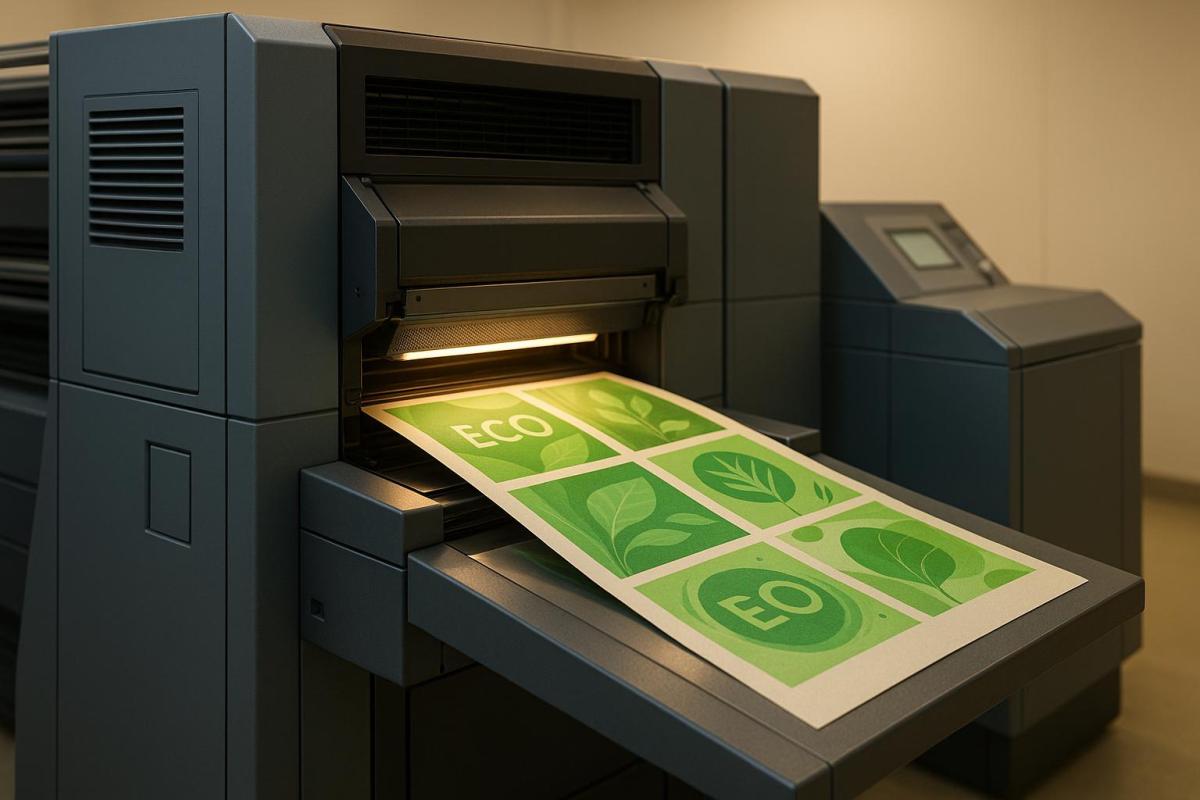
Low-energy curing inks are reshaping the printing industry by offering faster curing times, lower energy consumption, and reduced emissions. These inks, using advanced technologies like UV LED and electron beam (EB) curing, allow print shops to save up to 70% on energy costs, work with heat-sensitive materials, and produce high-quality prints while meeting stricter environmental standards. Here’s what you need to know:
- Energy Savings: UV LED systems cut power usage by 60–80%, while low-cure plastisol inks operate at lower temperatures, reducing energy needs by 40%.
- Eco-Friendly: Solvent-free formulations reduce VOC emissions, eliminate mercury use, and lower greenhouse gas output.
- Improved Performance: Instant curing enhances productivity, supports heat-sensitive substrates, and ensures consistent print quality.
- Applications: Ideal for textiles, packaging, large-format printing, and more.
Why You NEED Low Cure Inks | White Ink Wednesday
How Low-Energy Curing Inks Work
Low-energy curing inks bring together energy efficiency and cutting-edge chemistry to deliver quick and effective curing. These inks rely on precise chemical reactions and advanced equipment to harden with significantly less energy.
Curing Methods
Low-energy inks utilize three main curing methods, each employing a unique approach to initiate the chemical reactions that solidify the ink.
UV curing uses intense ultraviolet light to trigger a photochemical reaction that polymerizes the ink, hardening it almost instantly. This technique has been refined over the years and remains a go-to method for many commercial printing needs.
UV LED curing is a modern advancement in the field. It uses light-emitting diodes to produce a focused UV light spectrum, which is more energy-efficient and generates less heat compared to traditional mercury lamps. These systems offer consistent UV output, longer lamp life, and instant on/off functionality, eliminating warm-up times and reducing energy waste during production pauses. UV LED curing is particularly appealing for its lower energy use and minimal heat production.
Electron beam (EB) curing takes a different route by using a high-powered electron beam to directly start the polymerization process, skipping the need for photoinitiators. This method allows for deep curing, even on thick or opaque materials, and is especially useful for food packaging and wide-web presses due to its low migration properties.
These methods highlight the versatility of low-energy curing technologies and set the stage for exploring the chemistry behind these inks.
Key Components and Properties
The effectiveness of low-energy curing inks lies in their carefully crafted chemical makeup, which includes three essential components.
Photoinitiators act as the spark, absorbing energy from UV or LED light to create reactive species that kickstart the polymerization process.
Oligomers and monomers form the structural core of the ink. These molecules react and cross-link during curing to create a solid polymer network. The choice and balance of these components directly affect the ink’s flexibility, adhesion, and durability. Advances in oligomer chemistry have made it possible to achieve faster curing at lower energy levels without compromising on performance.
Modern formulations also incorporate bio-based materials and specialized additives to enhance functionality while reducing environmental impact. For example, water-based EB systems and low-migration inks have expanded the range of applications, making them safer for sensitive uses like food packaging.
Beyond the chemistry, the curing process itself plays a crucial role in determining the final results.
Optimizing the Curing Process
Several factors influence the performance of low-energy curing systems.
Lamp intensity and wavelength must align with the ink’s absorption characteristics to ensure photoinitiators receive the energy needed for complete polymerization.
Energy input and dwell time work together to achieve optimal curing. While high-energy systems rely on short bursts of intense exposure, low-energy systems often use longer exposure times at lower intensities. This approach minimizes heat generation, making it ideal for heat-sensitive materials.
The type of substrate and ink thickness also affect curing efficiency. Thicker ink layers require more energy, while certain substrates may impact light transmission. Adjustments to parameters like belt speed, zone temperature, and exposure time can help fine-tune the process for better results.
| Process Factor | Impact on Curing | Optimization Strategy |
|---|---|---|
| Lamp Intensity | Higher intensity = faster cure | Match to ink absorption spectrum |
| Dwell Time | Longer exposure = deeper cure | Balance with production speed |
| Substrate Type | Affects light transmission | Adjust energy based on material |
| Ink Thickness | Thicker layers need more energy | Control ink film weight |
For print shops in the U.S., using equipment with precise energy controls and monitoring systems can significantly improve efficiency and consistency. Regular calibration and performance testing, such as adhesion and scratch resistance checks, ensure reliable results. Staying informed about the latest advances in lamp and ink technologies, and working closely with suppliers for technical guidance, can further enhance outcomes. Businesses like Miro Printing & Graphics Inc. in Hackensack, NJ, can adopt these practices to integrate low-energy curing systems, achieving greater efficiency and environmental benefits.
Benefits of Low-Energy Curing Inks
Low-energy curing inks bring more than just reduced energy consumption to the table. They provide cost savings, improve environmental outcomes, and elevate print quality, making them a game-changer for print operations. Here’s a closer look at how these inks create efficiencies in energy use, enhance eco-conscious practices, and improve overall performance.
Energy and Cost Savings
One of the standout advantages of low-energy curing inks is their ability to significantly cut electricity usage. For example, UV LED systems can reduce energy consumption by as much as 70% compared to traditional mercury arc lamp systems. Similarly, low-cure plastisol inks use up to 40% less energy than conventional options.
These savings are largely due to the lower operating temperatures of these systems. Low-cure formulations work efficiently within a range of 250°F to 320°F, reducing power demand by 60–80%. This flexibility allows operators to fine-tune energy use based on the substrates they’re working with, further optimizing efficiency.
For businesses handling high-volume production, the cumulative savings add up quickly, offering a meaningful reduction in annual operating costs.
Eco-Friendly Advantages
The environmental benefits of low-energy curing inks are equally compelling. Many energy-curable inks are either solvent-free or contain minimal solvents, which significantly reduces VOC emissions. This not only improves air quality for workers and nearby communities but also helps companies meet strict EPA standards.
UV LED curing systems eliminate the use of mercury and prevent ozone production, both of which are common with mercury arc lamps. By removing these hazardous materials, print shops can create a safer work environment and shrink their ecological footprint. Additionally, bio-derived plastisol inks – offering 50–59% bio-based content – are being developed to further align energy savings with sustainable material use.
Take Miro Printing & Graphics Inc. in Hackensack, NJ, as an example. By adopting these technologies, the company has not only ensured regulatory compliance but also strengthened its reputation as an environmentally conscious partner.
Better Print Quality and Productivity
Low-energy curing inks also deliver when it comes to performance, enhancing both print quality and operational efficiency. These inks are known for their strong adhesion and mechanical resistance. The controlled curing process reduces issues like dye migration and fabric shrinkage, making them particularly suited for heat-sensitive materials.
Instant curing is another major advantage. It shortens processing times, increases line speeds, and ensures consistent color reproduction during long production runs. Faster curing also means shorter dwell times, enabling quicker belt speeds or smaller curing zones – all without sacrificing quality.
These systems are highly versatile, supporting various applications like digital, offset, and large-format printing. Since most energy-curable systems are free of water and solvents, they’re ideal for substrates that require precise temperature control, such as delicate or heat-sensitive materials.
| Performance Metric | Traditional Systems | Low-Energy Curing Systems |
|---|---|---|
| Cure Time | Minutes to hours | Instant to seconds |
| Temperature Control | Limited flexibility | Precise (250°F–320°F) |
| Substrate Compatibility | Heat-sensitive limitations | Excellent for delicate materials |
| Production Speed | Standard throughput | Up to 70% faster processing |
| Quality Consistency | Variable with lamp aging | Stable LED output over time |
Low-energy curing inks not only reduce energy costs but also elevate the overall printing process. From boosting productivity to ensuring eco-friendly operations, these inks are reshaping the printing industry.
sbb-itb-ce53437
Applications and Current Trends
Low-energy curing inks are reshaping the printing industry, offering businesses a way to ramp up production while prioritizing sustainability and efficiency. From textiles and screen printing to commercial and packaging applications, these inks are transforming traditional workflows and paving the way for greener practices across the board.
Common Applications
Textile and Screen Printing has seen impressive success with low-energy curing technology. Low-cure plastisol inks, for instance, make it possible to print on heat-sensitive fabrics without causing damage. These inks minimize fabric shrinkage and allow for printing on delicate materials. With modern formulations that cure at lower temperatures, they’ve opened up new possibilities in textile printing.
Commercial and Packaging Printing has widely adopted UV LED curing systems due to their ability to cure instantly and work with a broad range of substrates. These systems enable printing on non-porous materials like metal, wood, glass, and vinyl – without the need for pre-coatings. The rapid curing process not only boosts throughput but also supports sustainable printing practices.
Flexographic Printing benefits significantly from UV LED curing inks and coatings, which enable quick polymerization and eliminate the delays associated with traditional drying methods. This is particularly valuable for wide web applications, where consistent curing across larger substrates is essential for maintaining quality and speed.
Large Format Printing has embraced low-energy curing inks to meet diverse substrate needs while reducing costs. This technology allows curing on heat-sensitive materials, making it ideal for applications like outdoor signage, indoor displays, and specialty graphics.
Green Printing Practices
Low-energy curing inks are a game-changer for sustainable printing. Unlike conventional solvent-based inks that can contain up to 40% volatile organic compounds (VOCs), UV curable inks are solvent-free and nearly eliminate VOC emissions. This not only improves workplace air quality but also helps print shops meet stringent EPA standards.
Many of these inks now include bio-based materials, aligning with circular economy principles by combining lower energy use with more sustainable raw materials. For eco-conscious clients and evolving regulations, adopting these inks allows print shops to enhance their environmental credentials while maintaining economic efficiency.
New Developments and Industry Trends
The industry is building on these applications with smart technologies that further optimize production. Modern curing systems are integrating IoT sensors, thermal mapping, and closed-loop controls. These advancements dynamically adjust parameters like belt speed and zone temperatures, ensuring optimal curing performance and energy savings.
Electron beam (EB) curing is also gaining traction in North America. While it accounted for only 4-5% of radiation curing as of 2017, this technology offers deep curing capabilities. As it becomes more accessible for sheet-fed and flexographic presses, its potential applications are expanding.
Manufacturers are focusing on making low-energy curing solutions compatible with existing equipment. This approach allows print shops to adopt new technologies without costly overhauls, easing the transition to more sustainable practices.
The U.S. is leading the charge in adopting these innovations, with companies like Miro Printing & Graphics Inc. in Hackensack, NJ, leveraging advancements across digital, offset, and large format printing services.
Circular economy initiatives are also driving the development of inks that prioritize recyclability and biodegradability. These formulations aim to support material recovery at the end of their lifecycle while maintaining the performance benefits of low-energy curing. This dual focus addresses both client demand for greener solutions and stricter regulatory requirements.
The blend of energy efficiency, environmental responsibility, and cutting-edge technology is opening up new opportunities for print shops. In today’s competitive landscape, prioritizing sustainability isn’t just about compliance – it’s a key advantage.
Choosing and Using Low-Energy Curing Inks
Switching to low-energy curing inks can bring substantial benefits in energy efficiency, cost savings, and print quality. To make the most of these advantages, it’s critical to choose the right ink and implement it effectively. Consider factors like substrate compatibility, work volume, desired finish quality, and regulatory requirements when making the transition.
Factors to Consider
Substrate compatibility plays a crucial role in ink selection. UV LED inks are particularly effective on heat-sensitive materials like thin papers, plastics, and films, offering excellent performance without damaging the substrate.
Print volume is another key consideration. Higher print volumes amplify energy savings, potentially reducing energy usage by up to 70% compared to traditional curing methods.
Finish quality is essential for many applications. Low-energy curing inks provide sharper details, vibrant colors, and enhanced durability. They resist abrasion, chemicals, and fading, making them ideal for high-demand uses such as outdoor signage. The instant curing process also minimizes dot gain and improves color consistency, which is critical for commercial and high-quality print jobs.
Regulatory compliance ensures inks meet standards like EPA VOC limits and OSHA safety requirements. UV LED and electron beam inks typically emit little to no VOCs, improving both compliance and workplace air quality.
By understanding these factors, you can effectively evaluate and compare different ink options.
Comparison of Ink Types
Different types of low-energy curing inks offer distinct advantages and limitations. Here’s a quick comparison to help you decide which is best for your needs:
| Ink Type | Curing Requirements | Key Advantages | Main Limitations |
|---|---|---|---|
| Low-cure plastisol | 250–320°F (121–160°C) | Lower energy use, reduced substrate shrinkage, flexible application | Slightly higher cost; may require additives |
| UV LED-curable | Low energy LED system | No mercury/ozone, instant on/off, 60–80% power reduction | Limited ink availability; higher upfront cost |
| Electron beam (EB) | No heat required | Deep curing capability, solvent-free, high throughput performance | High equipment investment; less common |
Low-cure plastisol inks are a practical starting point, curing at temperatures as low as 250°F compared to the standard 320°F. This reduction can cut energy use by up to 40% and minimizes the risk of fabric shrinkage or damage to heat-sensitive materials.
UV LED systems offer significant energy savings, reducing power usage by 60–80% compared to traditional UV curing methods. These systems also eliminate mercury lamps, reducing hazardous waste and ozone emissions. The instant on/off functionality prevents energy loss during downtime.
Electron beam curing, though less common, is highly effective for specialized applications like food packaging. Its ability to cure inks deeply without heat makes it a valuable option for sensitive materials.
Setup Tips for US Print Shops
To successfully integrate low-energy curing inks into your operations, follow these practical steps:
- Audit your current processes to establish benchmarks for energy use, production throughput, and reject rates.
- Evaluate equipment compatibility. Many UV LED systems can be retrofitted onto existing presses, avoiding the need for complete replacements. Work with experienced suppliers to ensure ink formulations match your equipment.
- Train your team on new ink handling, curing parameters, and safety protocols. UV curing setups may require shielding and proper ventilation.
- Fine-tune process parameters like temperature, dwell time, and belt speeds based on manufacturer recommendations.
- Validate performance through wash tests, abrasion checks, and durability assessments to ensure quality standards are met.
- Track key metrics like energy savings, reject rates, and throughput improvements. This data will help quantify benefits and guide future decisions.
- Ensure compliance with US standards for VOC emissions and workplace safety. For food packaging, confirm inks meet low-migration requirements.
- Look into utility incentives for energy-efficient upgrades. Many US utilities offer rebates or tax incentives to help offset the initial investment.
Adopting low-energy curing inks not only streamlines operations but also positions your business for long-term success. For example, Miro Printing & Graphics Inc. in Hackensack, NJ, has successfully implemented these technologies across digital, offset, and large-format printing, reducing costs while meeting the demand for eco-friendly printing solutions.
Conclusion: Key Points
Low-energy curing inks are reshaping the printing industry, offering both operational improvements and clear business benefits. By boosting efficiency, reducing environmental impact, and enhancing print quality, these inks provide US print shops with a cost-effective way to stay competitive.
One major advantage is energy savings. Print shops using low-cure inks can cut energy consumption by up to 40%, while UV LED systems offer even greater reductions, ranging from 60% to 80%. These savings directly translate into lower utility bills and increased profit margins.
The integration of advanced technologies, such as AI-driven controls, further optimizes energy use in real time. This ensures consistent print quality while maximizing operational efficiency, enabling shops to handle a wide variety of jobs without sacrificing performance.
Another key benefit is that low-energy curing inks are typically free of solvents and VOCs, helping print shops meet regulatory requirements while presenting themselves as environmentally conscious businesses.
UV LED curing, in particular, offers unique advantages. It enables instant polymerization without generating heat, making it perfect for working with heat-sensitive materials that traditional methods might damage. This flexibility opens up new opportunities for print shops to tackle challenging projects and expand their market reach.
Additionally, UV LED systems are easy to retrofit. By adjusting parameters like belt speed and zone temperatures, print shops can see immediate benefits, especially when they conduct proper baseline audits and follow manufacturer recommendations.
Looking ahead, the industry is poised for further growth with innovations such as IoT sensors, closed-loop control systems, and bio-based ink formulations. These advancements reinforce the advantages of adopting low-energy curing technologies.
For US print shops, the benefits are clear: lower operating costs, better environmental compliance, superior print quality, and increased flexibility. With minimal implementation risks and significant rewards, adopting these technologies can drive sustainable growth. Companies like Miro Printing & Graphics Inc. in Hackensack, NJ, are already setting an example by leveraging these innovations to gain a competitive edge.
FAQs
What are the environmental advantages of using low-energy curing inks in printing?
Low-energy curing inks stand out for their ability to cut down energy use during the curing process, which directly contributes to reducing carbon emissions. These inks are formulated to cure efficiently under UV or LED light, using less power than conventional methods.
Another advantage is their lower levels of volatile organic compounds (VOCs). With fewer harmful chemicals released into the air, they offer a cleaner, safer option for businesses aiming to reduce their ecological footprint – all without compromising on print quality.
What are the key differences between UV LED and electron beam curing in terms of energy efficiency and ideal applications?
UV LED and electron beam (EB) curing are two distinct technologies, each excelling in different areas based on energy use and practical applications.
UV LED curing stands out for its energy efficiency. By using targeted light wavelengths, it cures inks and coatings quickly with minimal heat generation. This makes it a great option for heat-sensitive materials like plastics and thin films. Plus, its compact design and lower energy use contribute to reduced emissions, making it a more eco-conscious choice.
In contrast, electron beam curing skips the need for photoinitiators and offers deeper curing, making it ideal for thicker coatings and high-speed industrial processes. While it requires more energy upfront, EB curing is well-suited for large-scale projects and delivers exceptionally durable results.
Deciding between the two comes down to the material, the size of the project, and the specific results you’re aiming for. Both methods have their strengths, depending on the task at hand.
What should a print shop keep in mind when switching to low-energy curing inks for better performance and cost efficiency?
When switching to low-energy curing inks, print shops need to weigh a few important factors to ensure a seamless transition and get the most out of the change. First, check your equipment compatibility – make sure your current printers and curing systems can handle these inks. If not, you might need to consider upgrades or modifications.
Next, focus on ink performance. These inks should meet your standards for color vibrancy, adhesion, and durability to maintain the quality your customers expect.
It’s also worth looking at energy savings. Calculate how much you could cut down on operating costs without compromising productivity. Finally, don’t overlook staff training. Your team needs to know how to properly handle and make the best use of these inks.
By addressing these points, print shops can enjoy reduced costs and maintain top-notch results with low-energy curing inks.
Related Blog Posts
- Substrate Selection for Digital Printing
- Glow-in-the-Dark Printing: How It Works
- How Water-Based Inks Improve Printing Sustainability
- UV vs. Eco-Solvent Inks: Which Offers Better Resistance?
https://app.seobotai.com/banner/banner.js?id=691d18c59c1061ed16123786
 BergenCountyPrintersBlogs