Top Tools for Color Calibration in Printing

Compare top color calibration tools—spectrophotometers, ICC profiles, and software—to ensure accurate, repeatable print color and reduce waste.

Color calibration ensures that printed colors match digital designs, keeping brand consistency intact. Without it, colors can appear inaccurate, wasting resources and damaging trust. Tools like spectrophotometers and ICC profiles correct these issues, aligning colors across devices and materials while reducing reprints and costs. Here’s a quick look at the best tools:

Each tool supports ICC profiles and industry standards like G7 and ISO, helping print shops reduce waste by 20-30% and maintain consistent results. For example, Miro Printing & Graphics Inc. uses these tools to achieve near-perfect color accuracy, saving time and resources while delighting clients. Investing in color calibration tools is a smart move for any printing operation.

Calibrite Profiler 3 adds printer profiling. Updated colour management software

Calibrite

Best Color Calibration Tools for Printing

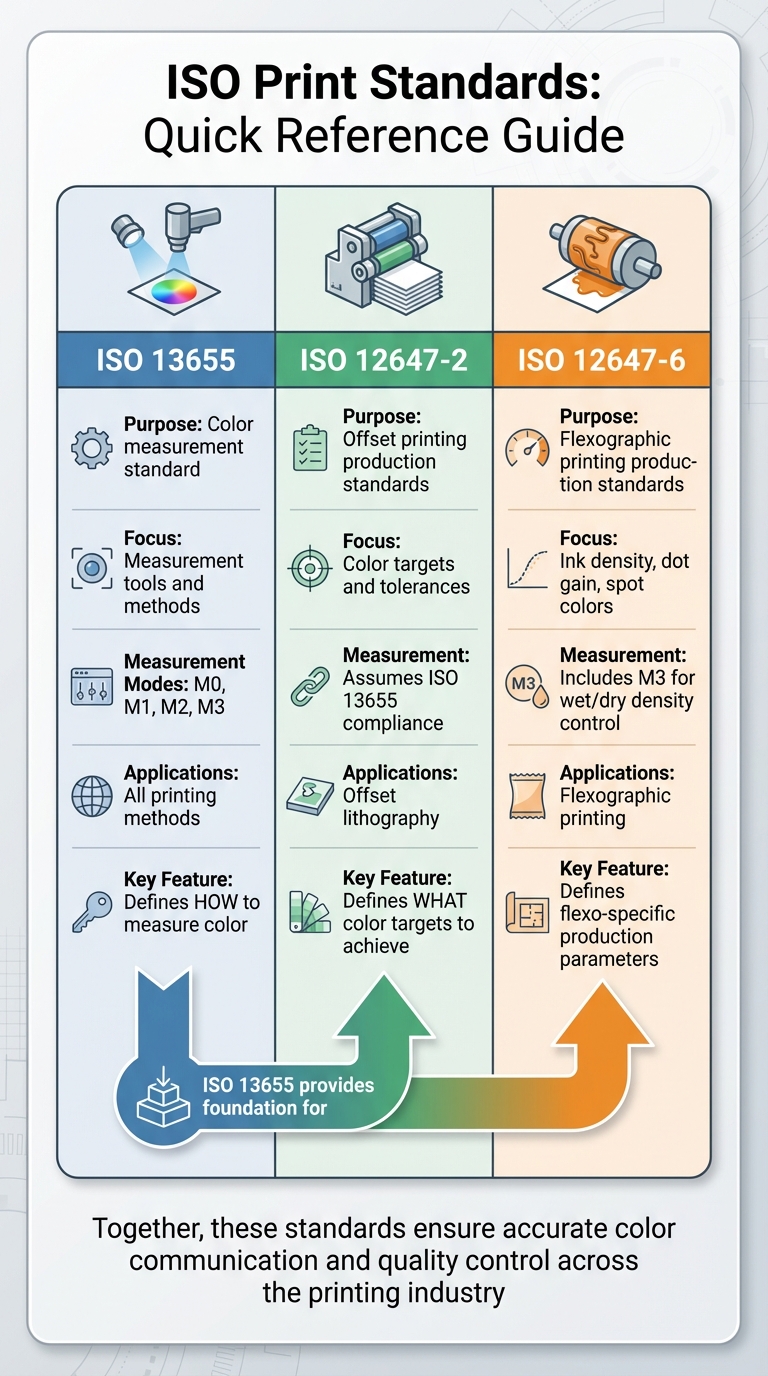
Precision in color control is essential for any printing operation. Whether you’re working with offset presses, digital printers, or small-format devices, having the right calibration tools can make all the difference in achieving consistent, high-quality results. Commercial printers often prioritize tools that integrate seamlessly with their prepress systems, align with standards like ISO 12647 and G7, and provide real-time Delta E monitoring. Below are five standout options that cater to a wide range of printing needs, ensuring consistent color accuracy across various workflows.

Apogee Color Quality Manager

Apogee Color Quality Manager

The Apogee Color Quality Manager is a go-to solution for print shops using Agfa‘s Apogee prepress workflow. It offers centralized control over color management for both offset and digital presses. This tool gathers measurement data, ICC profiles, and press settings in one place, using ISO/G7 targets to automatically adjust plate curves for offset presses. For digital devices, it handles calibration cycles and applies ICC profiles to specific media presets, ensuring color accuracy.

One key benefit for U.S. printers is its ability to automate color corrections, reducing setup times and minimizing waste. Additionally, it generates detailed color reports for jobs, which can be shared with clients as proof of compliance with color specifications. By managing both offset and digital devices from a single platform, printers can maintain consistent results for repeat jobs over time.

X-Rite ColorCert and MeasureColor

X-Rite ColorCert

X-Rite‘s ColorCert and MeasureColor systems excel at real-time Delta E monitoring, allowing operators to make immediate adjustments. These tools compare press sheet measurements to predefined standards – whether a brand’s custom library, ISO references, or specific targets. They calculate Delta E values for solids and overprints, providing pass/fail feedback or trend data. Operators can then tweak ink density, tone values, or curves as needed.

ColorCert operates as a cloud-based platform, making it easy for brand owners and printers in different locations to share performance data. MeasureColor, on the other hand, focuses on pressroom operations, offering live evaluations and instant feedback. Both tools help U.S. printers standardize color targets across devices, reduce disputes over color accuracy, and comply with brand requirements. Case studies have shown that using these systems can cut color-related complaints by over 50% and reduce press setup times by 20–30%[1].

Fiery Color Profiler Suite

Fiery Color Profiler Suite

Designed for digital presses with EFI Fiery digital front ends (DFEs), the Fiery Color Profiler Suite integrates directly into the Fiery system. It simplifies the process of creating, applying, and verifying ICC profiles, guiding users through test chart printing and measurement to build device-specific profiles. These profiles can be tied to presets, queues, or virtual printers, ensuring repeatable color accuracy for jobs like catalogs, postcards, or short-run packaging.

U.S. digital printers appreciate the automated recalibration features, which maintain consistency without requiring manual adjustments. Additional modules for spot color optimization and verification tools help ensure that presses are within tolerance before running high-value jobs, reducing errors and reprints.

Datacolor Spyder Print

Datacolor Spyder Print

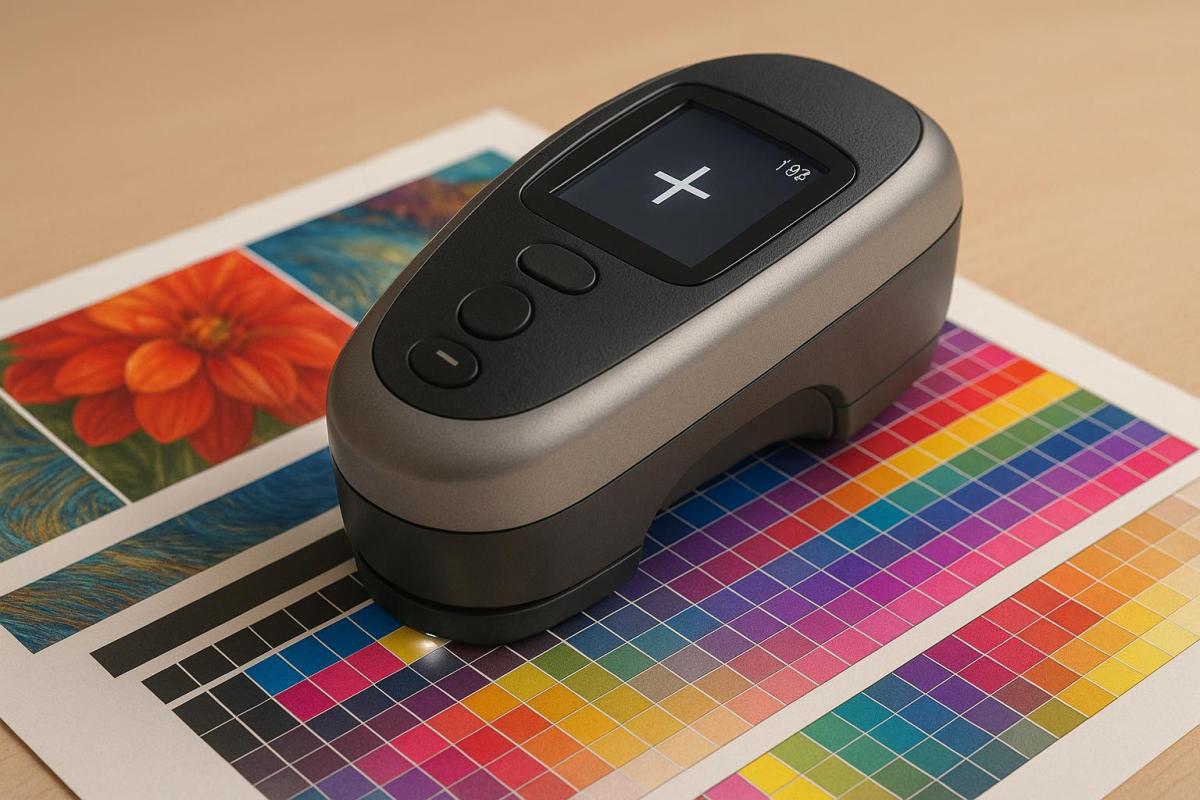
Datacolor Spyder Print is a versatile tool for creating custom ICC profiles tailored to specific printer, ink, and paper combinations. The software walks users through the process of printing test targets, measuring them, and generating profiles. This makes it a great choice for standardizing photo or proofing printers, fine-tuning large-format devices, or aligning smaller in-house printers with production presses.

Positioned as a mid-range solution, Spyder Print offers a balance between affordability and functionality. It’s especially popular for its user-friendly interface and the noticeable improvement in screen-to-print matching it delivers after calibration.

Calibrite Color Calibration Tools

Calibrite offers a range of tools for monitor and printer calibration, based on proven X-Rite technology. These tools are ideal for creative professionals and smaller businesses looking to improve color accuracy without investing in complex enterprise systems. For monitors, they provide calibrated displays for accurate print previews. For printers, they use spectrophotometers to create ICC profiles and generate basic verification reports.

Small and mid-sized U.S. print shops often rely on Calibrite tools to align in-house design and proofing with production output. This not only enhances client confidence but also keeps costs manageable. The product lineup includes everything from entry-level monitor calibrators to comprehensive bundles for both monitor and printer profiling, offering scalable options as color management needs grow.

Using Color Tools in Print Workflows at Miro Printing & Graphics Inc.

Miro Printing & Graphics Inc., based in Hackensack, NJ, has embedded advanced color calibration tools into every step of its production process. To ensure precise color matching across various devices, the shop relies on tools like the Fiery Color Profiler Suite for printer profiling, X-Rite ColorCert for automated chart reading and quality checks, and Datacolor Spyder Print for creating custom ICC profiles. These tools help fine-tune both offset and digital presses to accommodate a variety of substrates.

Miro’s workflow kicks off with profiling using spectrophotometers to scan test prints and measure deviations. The team then optimizes settings and compares results against G7 standards, maintaining a deviation of less than 2 Delta E. This level of accuracy is essential for clients who demand consistent branding across different print runs or technologies. Daily calibration routines ensure equipment stays aligned, while Fiery’s automated setup simplifies the process for both seasoned professionals and newer staff.

For example, when producing mailed brochures for a business client, the team used Calibrite for display soft-proofing and Datacolor Spyder for printer profiling. This combination achieved an impressive 95% color match on the first run, cutting material waste by 30%. These measures not only support the company’s mailing and fulfillment services but also deliver measurable results, including a 50% reduction in reprint waste and color accuracy consistently within 1–2 Delta E.

The commitment to calibration extends beyond pre-press into post-press operations. By integrating tools like Fiery’s Verify and Inspect, Miro ensures that bound and finished materials meet industry standards such as FOGRA. This thorough approach guarantees color consistency throughout the entire production process, delivering uniform results across all completed projects.

Clients regularly highlight Miro’s dedication to quality.

"Mike and his team at Miro have delivered stars, comet, and galaxy size projects for Lycored. No matter how little or large, no matter what the deadline, I sleep at night knowing Miro is on it."

  • LycoRed T.

Feature Comparison Table

Color Calibration Tools Comparison: Features, Pricing, and Compatibility for Print Shops

Color Calibration Tools Comparison: Features, Pricing, and Compatibility for Print Shops

Comparison Table

When it comes to selecting a color calibration tool, the decision largely hinges on your printing environment, budget, and technical needs. To simplify the process, the table below outlines how various tools measure up across key features that are critical for commercial printers. This breakdown makes it easier for print professionals to choose the tool that fits seamlessly into their workflow.

Tool Compatibility Automation Level ICC Profile Support Delta E Tolerancing Pricing Tiers
Apogee Color Quality Manager Offset/Digital Press High Yes Delta E 2000 Custom Pricing
X-Rite ColorCert Offset/Digital Press Medium Yes Delta E 2000 Subscription Pricing
Fiery Color Profiler Suite Digital Press High Yes Delta E 2000 Custom Pricing
Datacolor Spyder Print Small Scale/Custom Low Yes Delta E 76 Affordable One-Time
Calibrite Tools Versatile Medium Yes Delta E 2000 Affordable One-Time

Delta E 2000 is widely used as it aligns closely with how humans perceive color differences. Most tools adhere to tolerances under 2.0 Delta E, meeting commercial standards like G7, ISO, and FOGRA. However, the Datacolor Spyder Print still relies on the older Delta E 76 method, which is sufficient for basic profiling but falls short in precision for demanding, brand-specific color matching.

In terms of cost, enterprise tools like Apogee and Fiery typically exceed $5,000 and require custom quotes, while X-Rite ColorCert operates on a subscription model, costing between $1,000 and $3,000 per year per site. For smaller operations or proofing setups, Datacolor Spyder Print and Calibrite offer one-time purchases ranging from $200 to $500, making high-quality color management accessible without recurring expenses.

All tools support ICC profile creation and management. Apogee and Fiery stand out with automated features like tone curve adjustments, while X-Rite integrates i1Profiler for smooth calibration. Meanwhile, Datacolor and Calibrite focus on quick and straightforward custom profile generation. This ICC profile support isn’t just technical jargon – it has real-world advantages. Print shops that implement proper profiling and soft-proofing often experience 20–30% less waste due to more accurate first-run color matching.

Conclusion

When it comes to achieving consistent brand colors in print, color calibration tools are a must-have. Whether you’re running high-volume offset presses or using specialized digital equipment, tools like Apogee Color Quality Manager, X-Rite ColorCert, Fiery Color Profiler Suite, Datacolor Spyder Print, and Calibrite solutions play a key role in maintaining color consistency across different materials. These tools help create precise ICC profiles that correct color imperfections, ensuring smooth transitions from design to final print while meeting industry standards like G7 and ISO.

Proper calibration not only ensures accurate reproduction of CMYK and spot colors but also cuts down on waste and reduces the need for manual adjustments, making the production process more efficient. For example, businesses using the Fiery Color Profiler Suite have reported streamlined workflows and improved color consistency, as highlighted in case studies.

A great example of these tools in action is Miro Printing & Graphics Inc., based in Hackensack, NJ. With over 30 years of experience, they incorporate advanced calibration techniques across all their printing processes, guaranteeing uniformity and high-quality results. From business cards to banners and intricate custom projects, their in-house bindery, design, and fulfillment services ensure your vision is faithfully brought to life.

Looking ahead, advancements like AI-driven optimization and cloud-based platforms promise even greater precision and automation in color management. For businesses and individuals aiming for flawless color accuracy, working with a full-service print shop that uses these cutting-edge tools can make all the difference.

Need prints that perfectly match your brand? Reach out to Miro Printing & Graphics Inc. at bergencountyprinters.com to bring your next project to life with expert color management and personalized service.

FAQs

How do color calibration tools help improve efficiency and reduce waste in printing?

Color calibration tools play a critical role in ensuring your prints display colors accurately and consistently. This precision helps avoid mistakes and cuts down on the need for reprints. Getting the colors right the first time means saving valuable resources like time, paper, ink, and other materials.

Beyond accuracy, these tools simplify the printing process by keeping colors consistent across various printers and print jobs. This not only ensures your projects meet professional-quality standards but also helps reduce unnecessary waste.

Why is Delta E important in color calibration for printing?

Delta E is a number that measures how different two colors are from each other. In the world of color calibration, the goal is simple: the lower the Delta E, the closer the colors match. This level of precision is key for consistent and accurate printing results.

Keeping Delta E low ensures that printed materials appear as intended – whether it’s replicating brand colors or bringing intricate designs to life. In professional printing, where color accuracy directly impacts quality and customer satisfaction, this precision is absolutely critical.

What makes ICC profiles important for achieving accurate colors in printing?

ICC profiles are essential for maintaining accurate and consistent colors in printing. They serve as a universal standard, ensuring that colors are interpreted consistently across various devices like monitors, printers, and scanners. Without an ICC profile, the colors displayed on your screen might look completely different once printed.

Embedding an ICC profile in your digital files ensures your design’s colors are reproduced as intended, eliminating much of the guesswork and helping to avoid expensive reprints. This is particularly important for commercial printing projects, where precision and consistency are non-negotiable.

Related Blog Posts

https://app.seobotai.com/banner/banner.js?id=6940a67ddf12e5e3feb2104d

Color Modes Explained: CMYK vs. RGB for Printing

Learn the difference between RGB and CMYK, when to use each, and how to convert files for accurate print color with practical proofing tips.

When designing for print, the choice between RGB and CMYK color modes matters. RGB (Red, Green, Blue) is optimized for digital screens, offering brighter and more vibrant colors. CMYK (Cyan, Magenta, Yellow, Key/Black) is specifically used for physical printing, relying on ink to create colors. The key difference? RGB uses light to produce colors, while CMYK subtracts light from white paper using ink.

Here’s what you need to know:

  • RGB is best for digital formats like websites, social media, and presentations. It offers a broader color range (16.7 million colors) but isn’t ideal for print.
  • CMYK is essential for printed materials like brochures, business cards, and posters. It ensures accurate color reproduction on paper but has a narrower color range than RGB.
  • Printing RGB designs without converting them to CMYK can lead to muted or unexpected color shifts.

For the best results:

  1. Design in RGB for digital projects, then convert to CMYK for print.
  2. Use professional tools like Adobe Photoshop or Illustrator to manage the conversion.
  3. Always review a printed proof to ensure colors match your expectations.

If you’re unsure, professional printers like Miro Printing & Graphics Inc. can guide you through the process, ensuring your designs translate perfectly from screen to print.

RGB vs CMYK Color for Printing

What is RGB?

RGB (Red, Green, Blue) is a color model based on light, commonly used for digital displays. This model combines varying intensities of red, green, and blue light to create a wide range of colors. When all three colors are displayed at full intensity, the result is white light. Conversely, when all three are completely off, the display shows black – essentially the absence of light.

How RGB Works

The RGB system operates on a scale from 0 to 255 for each color channel. For instance:

  • (255, 0, 0) represents pure red.
  • (0, 255, 0) represents pure green.
  • (0, 0, 255) represents pure blue.

When you max out all three channels – (255, 255, 255) – you get white, while setting them all to zero – (0, 0, 0) – results in black. This configuration allows for approximately 16.7 million possible color combinations, making it far more versatile than most print color systems. This broad range is why RGB is a go-to choice for digital applications.

Where RGB is Used

RGB is the standard for anything viewed on a screen. This includes websites, social media graphics, digital ads, television, video content, presentations, and mobile apps. While primarily digital, some printers – such as those at Miro Printing & Graphics Inc. – can accept RGB files and convert them to CMYK for printing. However, slight color variations may occur during this process. Up next, we’ll dive into CMYK, the preferred color model for print.

What is CMYK?

CMYK stands for Cyan, Magenta, Yellow, and Key (Black) – the four primary inks used in commercial printing. Unlike the RGB color model, which creates colors by adding light, CMYK works as a subtractive color model. It creates colors by absorbing light wavelengths on white paper. The "K" represents "Key", referring to black ink, which is crucial for enhancing detail and reducing the total amount of ink used. Without black ink, combining 100% cyan, magenta, and yellow would result in a muddy dark brown, not a true black. This is why black ink is essential for crisp text and strong contrast. Understanding how these inks interact on paper is key to producing high-quality printed images.

How CMYK Works

CMYK operates on a percentage scale for each ink color. For example, a combination like C=20, M=60, Y=0, K=10 specifies how much of each ink is applied. Here’s how it works: cyan absorbs red light, magenta absorbs green light, and yellow absorbs blue light. These inks are layered on white paper, with each layer subtracting more light, creating darker shades.

Unlike RGB, which adds light to create color, CMYK removes light, resulting in a more limited color range. This is why some bright and neon colors you see on screens in RGB can’t be perfectly replicated in print. Printed materials tend to appear less vibrant than their on-screen counterparts due to this subtractive process.

Where CMYK is Used

CMYK is the go-to color model for most printed materials, including brochures, business cards, posters, magazines, product packaging, and even direct-to-garment printing. Commercial printers rely on this model because their equipment is designed to use these four inks, ensuring consistent and accurate color reproduction. Whether you’re working with offset, digital, or large-format printing – like the services offered by companies such as Miro Printing & Graphics Inc. in Hackensack, NJ – CMYK is at the heart of the process. Even if you submit RGB files, printers will convert them to CMYK to ensure the final output matches the intended colors on paper or other materials.

RGB vs. CMYK: Main Differences

RGB vs CMYK Color Modes Comparison Chart for Print and Digital Design

RGB vs CMYK Color Modes Comparison Chart for Print and Digital Design

When it comes to RGB and CMYK, the core distinction lies in how they create color. RGB generates colors by adding light, while CMYK does so by subtracting light. This fundamental difference means RGB can produce vibrant and luminous shades – think neon greens and saturated blues – that CMYK simply can’t replicate.

The color gamut, or the range of colors each system can produce, is significantly broader in RGB. Digital screens, using RGB, can display approximately 16.7 million colors by combining red, green, and blue values ranging from 0 to 255 per channel. CMYK, on the other hand, works with ink percentages (0% to 100%), which inherently limits its color range. This is why a striking electric blue on your monitor may appear muted when printed using CMYK.

RGB is tailored for digital displays – smartphones, monitors, TVs, and digital signage – where light creates the colors you see. CMYK is specifically designed for print materials like brochures, business cards, and posters, where ink absorbs light to create colors on paper or other surfaces. If you use the wrong color mode for your project, you might end up with unexpected color shifts.

Here’s a quick comparison to help clarify the differences:

Comparison Table: RGB vs. CMYK

Aspect RGB CMYK
Color Model Type Additive (light-based) Subtractive (ink-based)
Primary Colors Red, Green, Blue Cyan, Magenta, Yellow, Key (Black)
Mixing Method Adding light creates brightness; full intensity is white Adding ink darkens colors; no ink shows as white paper
Color Gamut Wider – includes vibrant and neon shades Narrower – cannot reproduce some intense RGB hues
Typical Uses Websites, social media, digital ads, presentations Brochures, business cards, packaging, posters
File Preparation Export as PNG, JPEG, or RGB PDF for digital use Convert to CMYK; use PDF, TIFF, or EPS for print
Output Medium Digital screens (monitors, TVs, smartphones) Physical print (paper, fabric, other materials)

For expert advice on selecting the right color mode, file preparation, or proofing for your project – whether it’s digital, offset, or large-format printing – Miro Printing & Graphics Inc. in Hackensack, NJ, is ready to assist.

When to Use RGB for Printing

RGB is ideal during the early stages of design, especially for projects like logos, social media graphics, or campaigns primarily intended for digital platforms. Why? Because RGB offers a wider range of vibrant colors, giving you the freedom to experiment and visualize how your designs will look on screens, including monitors and mobile devices, before preparing them for print.

Designers often keep their files in RGB when working on projects that span multiple channels – web, social media, email, and print. By staying in RGB, you retain flexibility across both digital and print media until it’s time for the final prepress conversion.

Interestingly, many modern U.S. commercial and digital printers can handle RGB files directly. Their advanced RIP (raster image processor) software is designed to convert RGB into the correct CMYK profile based on their specific presses and paper types. Trusted print shops, like Miro Printing & Graphics Inc. in Hackensack, NJ, often manage this conversion process for you, ensuring consistent results that align with their equipment and materials.

However, printing straight from RGB files without reviewing or converting colors can lead to problems. Colors outside the CMYK gamut – like electric blues or neon greens – might appear muted or dull in print. Automatic conversions can also cause unwanted shifts in skin tones, gradients, and brand colors, potentially leading to reprints, extra proofs, and higher production costs.

To prevent these issues, always convert a copy of your final file to CMYK using the appropriate color profiles. Collaborate with your print provider to discuss target profiles, paper types, and finishing details. This ensures the conversion is tailored to their equipment. Curious about how to make this conversion? The next section will guide you through the steps to achieve the best print results.

When to Use CMYK for Printing

When it comes to professional printing, the CMYK color model – cyan, magenta, yellow, and black – is the gold standard. Unlike RGB, which is based on light emission, CMYK works by subtracting light from white paper. This approach ensures that colors appear as they should when printed, providing consistent and reliable results.

CMYK is a must for professionally printed materials like brochures, business cards, posters, and packaging. It’s especially crucial for projects where color accuracy is non-negotiable, such as logos, corporate branding, and marketing materials. With standardized ink percentages – like 100C 0M 0Y 0K for a vivid cyan – professional printers can achieve consistent color reproduction across different presses and paper types. This level of consistency is key for maintaining a strong and recognizable brand identity.

For example, Miro Printing & Graphics Inc., based in Hackensack, NJ, uses calibrated workflows to ensure artwork is converted to CMYK correctly. They check separations, run proofs, and fine-tune the process to deliver precise color reproduction. This attention to detail not only minimizes costly reprints but also guarantees that printed materials like brochures, signs, and custom packaging meet high professional standards.

One of CMYK’s strengths is the control it offers over ink coverage, shadow details, and midtones. Techniques like halftone screening and custom ink builds allow for accurate reproduction of photographs and intricate artwork. This precision prevents the color shifts that can occur when RGB files are automatically converted to CMYK.

To ensure the best results, start your design in CMYK or convert it before exporting. Use print-ready formats like PDFs with embedded CMYK profiles, and avoid overly bright or neon RGB colors that won’t translate well to print. Always confirm the correct CMYK profile with your printer, provide specific brand colors (such as Pantone or custom builds), and request printed proofs to fine-tune ink densities before full production. These steps will help ensure your final product looks exactly as intended.

How to Convert RGB to CMYK for Printing

Conversion Steps

Converting RGB files to CMYK is essential for ensuring your designs print accurately. Start by saving your files as print-ready PDFs and use high-resolution images (300 ppi) in formats like TIFF or EPS to maintain quality.

If you’re using Adobe Photoshop, open your RGB file and go to Edit → Convert to Profile. Choose a suitable CMYK profile, such as US Web Coated (SWOP) v2, which is commonly used for commercial printing. Use the preview feature to check for any noticeable color changes before saving. In Adobe Illustrator, switch to File → Document Color Mode → CMYK Color. Afterward, carefully inspect elements like logos and gradients to ensure they translate well. Once satisfied, export the file as a print-ready PDF with the CMYK profile embedded.

Selecting the right CMYK profile is also crucial. For instance, coated paper tends to make colors more vibrant, while uncoated paper softens them. To avoid guesswork, consult your print provider – such as Miro Printing & Graphics Inc. – to confirm the recommended CMYK profiles, as well as bleed and trim settings.

It’s important to convert from RGB to CMYK only once. Multiple conversions can degrade color quality, particularly in highly saturated areas. After conversion, review and fine-tune your design in CMYK mode to ensure it’s ready for printing.

Reviewing Proofs and Making Adjustments

After converting your file, reviewing a printed proof is the next essential step. While calibrated monitors can give you a good idea of how colors will look, only a physical proof reveals how inks will behave on paper.

When examining the proof, pay close attention to key details like brand colors, product images, and skin tones to spot any unexpected shifts. Keep an eye out for issues like banding in gradients, loss of shadow details, or grays that appear tinted instead of neutral. Confirm that black areas are deep and rich without losing fine details, and ensure small text is sharp and easy to read.

If the printed proof reveals dull or muddy colors, make targeted adjustments. For example, you can boost saturation in specific areas but avoid oversaturating neutral tones. Experiment with different CMYK builds to correct off-brand colors, and reduce ink levels in shadows to retain detail. Once adjustments are made, request another proof to confirm the changes before proceeding with full production. This step is key to avoiding costly reprints and achieving a final product that stays true to your design.

Conclusion

Understanding the difference between RGB and CMYK is essential when working on print projects. RGB, which uses light to create colors, is perfect for screens, offering a broader range of bright and saturated hues that look amazing digitally. On the other hand, CMYK relies on ink to produce colors on paper, with a narrower color range tailored specifically for physical printing. This explains why the vibrancy you see on a screen doesn’t always translate to print.

For professional printing – whether it’s business cards, brochures, packaging, or large-format signage – CMYK is the go-to standard. It ensures consistent and predictable color results. Sending RGB files to a printer without converting them can lead to unexpected color shifts, so it’s best to switch to CMYK early in the design process to maintain control over how your colors appear in print.

Always design with your final medium in mind: use RGB for digital projects and convert to CMYK for anything that will be printed. To avoid surprises, review a printed proof before finalizing. If you’re unsure about the process, experienced print providers can help.

For professional results, Miro Printing & Graphics Inc. in Hackensack, NJ, offers comprehensive services to handle your CMYK printing needs. From digital and offset printing to large-format projects, their team provides in-house design assistance, binding, and expert guidance on color conversions. They’ll help you choose the right CMYK profiles for your paper and deliver accurate proofs, ensuring your final prints look exactly as you envisioned.

FAQs

Why do printed colors look different from what you see on a screen?

Screens and printers produce colors differently because they operate on distinct color modes. Screens rely on RGB (red, green, blue), which combines light to create vibrant and bright colors. Printers, however, use CMYK (cyan, magenta, yellow, black), a process that subtracts colors from white paper to achieve the desired shades.

The difference in color modes means that CMYK has a narrower color range compared to RGB. As a result, colors that appear vivid on your screen might look muted or altered when printed. To achieve better color accuracy, it’s a good idea to convert your designs to CMYK before sending them to print.

How can I make sure the colors I see on my screen look the same when printed?

To achieve printed colors that closely match what you see on your screen, the first step is to calibrate your monitor. This ensures that the colors displayed are as accurate as possible. When working on print projects, always use the CMYK color mode, as it aligns with how colors are created using ink. Before finalizing your design for printing, make sure to convert it to CMYK to minimize any unexpected color differences. However, remember that slight variations can still occur because screen colors (RGB) rely on light, while printed colors (CMYK) use pigments.

Why should I convert an RGB file to CMYK before printing?

When you print an RGB file without converting it to CMYK, the colors can end up looking different than what you see on your screen. Why? RGB is designed for digital screens and uses a broader range of colors, while CMYK is specifically meant for printing. This means certain bright or vibrant shades in RGB might lose their intensity or appear muted when printed.

To avoid surprises and get your printed materials to look as close as possible to your original design, make sure to convert your files to CMYK before sending them to print.

Related Blog Posts

https://app.seobotai.com/banner/banner.js?id=693f9955df12e5e3fea8dfa8

Soft Proofing vs. Hard Proofing

Compare soft vs hard proofing: digital previews vs physical samples, speed, cost, color accuracy, and when to use each method.

Soft proofing and hard proofing are two methods used in the printing process to ensure your final product meets expectations. Here’s a quick breakdown:

  • Soft Proofing: A digital preview of your design, typically viewed on a calibrated monitor. It’s fast, cost-effective, and works well for simple projects like flyers or business cards. However, it can’t replicate physical details like paper texture or finishes.
  • Hard Proofing: A physical sample created with actual materials and printing techniques. It provides accurate color representation and allows you to evaluate elements like texture, folds, and finishes. This method is ideal for high-stakes projects but is more expensive and time-consuming.

Quick Overview:

  • Soft proofing is great for speed and budget but lacks physical detail.
  • Hard proofing ensures precision for complex projects but takes longer and costs more.

Choosing the right method depends on your project’s complexity, budget, and need for accuracy.

Soft Proof, Hard Proof, and Press Test Proof

What is Soft Proofing?

Soft proofing is a digital method to preview how your design will look when printed, using a calibrated monitor or device. Instead of creating a physical sample, the design is typically reviewed as a PDF. This process relies on specialized software and ICC color profiles – digital standards that ensure colors appear consistently across devices – to give you a close approximation of the final printed result.

The main advantage of soft proofing is its speed and convenience. You can receive, review, and revise digital proofs almost instantly, cutting down on both time and costs. This makes it an ideal choice for simpler projects like business cards, flyers, or postcards. However, the accuracy of soft proofing depends heavily on using a properly calibrated monitor to ensure the colors on screen match the printed version as closely as possible.

How Soft Proofing Works

Soft proofing works by displaying your print-ready file on a calibrated monitor, using ICC color profiles to simulate factors like printer dot gain (how ink spreads on paper) and the color of the paper itself. To get the best results, it’s essential to review the design under neutral lighting conditions – around 5,000 Kelvin is recommended – to maintain consistency in color perception.

During the review, you can check for issues with layout, text, or color accuracy and make necessary adjustments before giving final approval. By skipping the need for physical proofs, soft proofing not only speeds up the process but also reduces waste, making it a more eco-friendly option.

Common Tools for Soft Proofing

Popular tools for soft proofing include Adobe Acrobat, Adobe Photoshop, and EyeC. These programs support ICC-based digital proofing and are effective for checking color accuracy. However, they cannot replicate physical elements like the texture of the paper or the finish of the ink. To ensure reliable results, it’s crucial to use a monitor that is regularly calibrated for color accuracy.

Next, we’ll dive into hard proofing to see how it differs from this digital-first approach.

What is Hard Proofing?

Hard proofing provides a physical print sample, allowing you to evaluate the final product’s color, texture, and construction in a tangible way. Unlike soft proofing, which offers a digital preview, hard proofing uses production-matched inks, paper, and finishes to create an accurate representation of the final print.

This method ensures you can assess details that a screen simply can’t convey, like how the paper interacts with finishes or how colors appear under different lighting. Once approved, the hard proof becomes a contract proof, confirming that everyone agrees on the standards for the final print.

Key Features of Hard Proofing

What sets hard proofing apart is its physical format. You can feel the paper’s texture and weight, whether it’s glossy, matte, or enhanced with finishes like spot UV or varnish. It also shows how ink behaves on the actual material, offering true-to-life color accuracy that digital screens can’t replicate.

Key physical elements like embossing, die cuts, perforations, and binding are clearly visible, allowing you to check details like fold alignment, page order, and registration. Calibrated printers with standardized profiles ensure the proof mimics production conditions, so what you see is as close as possible to the final product. This process bridges the gap between design and production, setting clear expectations for quality.

When Hard Proofing is Used

Hard proofing is a must for projects where precision is non-negotiable. It’s crucial for color-critical work, such as brand materials, product photography, or fine art prints, where exact color reproduction is essential. It’s also standard for complex projects like multi-page brochures, books requiring precise margin and binding checks, or luxury packaging where the tactile feel of the paper plays a key role.

Packaging projects with intricate elements – like die-cut sections, metallic inks, or special varnishes – benefit significantly from hard proofing. A physical review ensures everything aligns with expectations, from the tactile experience to the visual details. By catching issues early in the proofing stage, you can avoid costly reprints, reduce waste, and prevent misunderstandings, saving both time and money.

Soft Proofing vs. Hard Proofing: Side-by-Side Comparison

Soft Proofing vs Hard Proofing Comparison Chart

Soft Proofing vs Hard Proofing Comparison Chart

Differences in Method and Accuracy

Soft proofing uses digital tools, like PDFs or on-screen previews, to simulate how your design will look when printed. By applying ICC profiles, it gives an approximate idea of how colors will appear on specific paper types and under press conditions. This approach focuses on checking layout, text alignment, bleed areas, and general color balance. Under ideal conditions, soft proofs can provide a reliable preview of these elements.

Hard proofing, on the other hand, delivers a physical sample that closely matches the final product. It uses the actual materials and printing processes, allowing you to evaluate color accuracy, paper texture, coatings, and finishing touches. This method provides a tangible preview, making it especially useful when even small details, like texture and finish, are critical.

These two methods not only differ in their technical processes but also in cost and time requirements.

Cost and Time Considerations

Soft proofing is cost-effective and quick. You can typically receive a digital proof within hours, making it ideal for projects with tight deadlines that require same-day or next-day production.

Hard proofing, however, comes with higher costs due to the need for press setup, materials, and finishing. It also takes longer – usually several days – since it requires scheduling a proof run, printing the sample, applying finishes, and either shipping it or arranging a pickup. While this process is more time-intensive and expensive, it can be invaluable for large-scale or high-value projects by helping to catch potential issues early. This can save money in the long run by preventing waste, reprints, or dissatisfied customers.

Pros and Cons of Soft Proofing

Understanding the strengths and weaknesses of soft proofing helps in comparing it effectively with hard proofing.

Advantages of Soft Proofing

Soft proofing offers instant digital previews, which can significantly cut down turnaround times. This makes it a great option for meeting tight deadlines, as decisions can often be made on the same day.

It’s also a cost-effective solution. Since it doesn’t require paper or ink, material expenses are eliminated. This makes it especially suitable for straightforward projects like business cards, flyers, and postcards.

Another big plus? It’s more environmentally friendly. By reducing waste and avoiding shipping delays, clients can review designs remotely on calibrated monitors, which saves time and resources.

While these advantages are appealing, there are some important limitations to consider.

Disadvantages of Soft Proofing

One major downside is its dependence on properly calibrated monitors. Without regular calibration, the colors you see on the screen may not match the final printed version.

Additionally, soft proofs can’t replicate physical attributes like paper texture, weight, finish, or how ink will look under different lighting conditions. This limitation becomes critical for more complex projects that involve folding, binding, or special coatings. For instance, a customer at Miro Printing & Graphics Inc., Judy W., approved a digital proof for business cards but later discovered an error in the final print.

Aspect Advantages Disadvantages
Speed Instant digital review and easy sharing via email N/A
Cost Eliminates material expenses, lowering project costs N/A
Accuracy Effective for layout and color checks on calibrated screens Relies on monitor calibration; doesn’t account for texture, finish, or lighting
Best For Simple projects like flyers, business cards, postcards Not ideal for projects needing evaluation of physical details like coatings or folds

These highlights provide a quick overview of why soft proofing works well for some projects but might fall short for others.

Pros and Cons of Hard Proofing

Hard proofing involves creating a physical sample that closely mirrors the final product. While it offers undeniable advantages, it also comes with some trade-offs.

Advantages of Hard Proofing

One of the biggest perks of hard proofing is accurate color representation. By using production-grade materials, inks, and techniques, it ensures colors appear just as they would in the final product. Plus, you can view these colors under real lighting conditions and on actual paper textures – something no digital screen can fully replicate.

Another advantage is the ability to physically evaluate the details. You can feel the paper’s weight, texture, and finish, and assess coatings, varnishes, folding, and binding. For projects like brochures or books, this hands-on review helps confirm margins, construction quality, and even how the finished piece feels when held.

Hard proofing also boosts client confidence. A physical sample serves as a tangible "seal of approval" for all stakeholders to review together. This collaborative approach minimizes miscommunication and ensures everyone is on the same page before moving to full production.

However, these benefits come at a cost.

Disadvantages of Hard Proofing

The most obvious downside is higher costs. Producing a physical sample involves actual materials and equipment, making it far more expensive than simply sending a digital proof. For simpler projects, like business cards, this added expense might not make sense.

Another drawback is longer turnaround times. Printing, cutting, folding, binding, and shipping the sample for review takes time, which can delay approval processes – especially problematic for tight deadlines.

Lastly, hard proofing can lead to material waste. Each sample uses paper, ink, and other resources, making it less eco-friendly than digital alternatives. While the process helps prevent waste during large-scale production, multiple revision rounds can still add up.

Here’s a quick comparison of the pros and cons:

Aspect Advantages Disadvantages
Precision Exact color matching with production methods; accurate under real lighting N/A
Physical Review Hands-on assessment of weight, texture, finish, folding, and binding Generates material waste; less eco-friendly
Collaboration Builds client confidence; reduces errors before production Higher costs; longer production timelines
Best For Complex projects with special finishes, folds, or embossing Not ideal for simple, low-stakes print jobs

Despite its challenges, hard proofing is invaluable for projects where precision and physical quality can’t be compromised. It’s a resource-heavy process, but for high-stakes work, the benefits often outweigh the drawbacks.

How to Choose Between Soft and Hard Proofing

Selecting the right proofing method depends on factors like budget, timeline, the importance of accurate color and material reproduction, the complexity of the project, and the size of the print run. Soft proofs are cost-effective and deliver quick digital previews, while hard proofs involve actual materials, press setup, and shipping, leading to higher costs and longer turnaround times – but they provide a more accurate preview of the final product.

Each method has its own strengths and limitations, and your decision should align with the project’s needs. For projects where precise color and material reproduction are critical – such as branded marketing materials, packaging, or art prints – hard proofs are invaluable. They show how ink behaves on specific materials and how finishes will appear. On the other hand, for projects where minor color variations won’t impact the final result, such as office documents or simple flyers, soft proofs are often sufficient.

The scale and value of the project also play a role. For large print runs or premium pieces with significant costs, investing in a hard proof can save money in the long run by catching errors before mass production. For smaller runs or less critical materials, the cost of a hard proof may not be worth it. Below are guidelines to help you determine when to use each method.

When to Choose Soft Proofing

Soft proofing is ideal for straightforward, text-heavy, or non–color-sensitive projects where speed and cost are priorities. Examples include office documents, internal training materials, basic flyers, postcards, and simple brochures – especially when printed on standard paper and finishes. With soft proofs, you can review and approve a PDF within hours, making them perfect for tight deadlines, frequent updates, or projects requiring several design revisions.

This method is also practical for teams spread across different locations, as digital proofs can be easily shared for quick feedback and approval. For short digital print runs or projects with low stakes, the time and cost required to produce a physical proof often outweigh the benefits.

When to Choose Hard Proofing

Hard proofing is the better choice for projects where color accuracy, branding, or material quality is paramount. This includes packaging, photo-heavy catalogs, art prints, luxury brochures, and any project that demands flawless color reproduction. Hard proofs are also essential for pieces where paper texture, weight, coatings, or finishing details significantly affect the final look – such as luxury invitations, product sheets with special coatings, or intricate folded and bound designs.

For multi-page documents, hard proofs help ensure details like spine width, margins, and page order are correct. They’re also a smart choice when working with a new printer, unfamiliar paper, or an untested process, as they let you confirm how your design translates on specific equipment before committing to a full production run.

A hybrid approach often works well for many U.S. clients. Start with a soft proof to finalize the content and initial color adjustments, then request a single hard proof for final approval on high-value or flagship materials. This strategy helps reduce costly changes late in the process while still providing the assurance of a physical sample for quality-critical projects.

Proofing Workflows at Miro Printing & Graphics Inc.

At Miro Printing & Graphics Inc. in Hackensack, NJ, the proofing process kicks off with an emailed soft proof. This initial step helps clients quickly review the layout, text, and colors, making it easier to spot and fix any issues early on. It’s a cost-effective way to speed up approvals, especially for projects requiring copy edits or tweaks to the design. Once the client gives the green light – or after a few rounds of revisions – the team decides on the next steps based on the project’s complexity and color requirements. For jobs with more demanding specifications, the process moves to a hard proof.

When it comes to color-critical or intricate projects, Miro creates a calibrated hard proof using their in-house digital or offset printing equipment. This proof is produced on either the final paper stock or a very close match. Julia I., a satisfied customer, shared her experience:

I received a video of my print sample (a mini booklet) for approval before they proceeded with the rest.

This thoughtful approach ensures that both the colors and physical details – like folds, binding, and finishes – are spot-on before full production begins.

Miro’s in-house bindery takes proofing a step further. For projects such as multi-page booklets, brochures, or custom designs, they can create a fully assembled prototype. This includes printing, cutting, folding, and binding a single sample, so clients can check details like spine width and panel alignment. These full mockups are invaluable for catching problems – such as text too close to trim edges or misaligned panels – that a soft proof might miss. By offering this hands-on solution, Miro enhances the proofing process and minimizes the risk of errors.

This workflow highlights Miro’s focus on delivering efficiency, affordability, and quality. Their team carefully advises clients on the best proofing method based on their budget and timeline. For simpler projects like office documents or basic flyers, a soft proof is usually enough. However, for branded materials, packaging, or large offset runs where color consistency is key, they recommend including a hard proof to avoid costly mistakes. By combining soft proofs for speed with hard proofs for precision, Miro ensures high-quality results across digital, offset, and large-format projects.

Conclusion

Deciding between soft and hard proofing depends on the specific needs of your project. Soft proofing offers a quick and budget-friendly digital preview, making it ideal for simpler tasks. On the other hand, hard proofing provides a physical sample to ensure precise colors, textures, and details, making it better suited for more intricate, brand-sensitive work.

Soft proofs are faster and more economical but rely heavily on accurate monitor calibration and don’t provide the tactile details that some projects demand. Hard proofs, while more time-consuming and costly, deliver a real-world representation of the final product. Often, combining both approaches – using soft proofing for initial adjustments and hard proofing for final approval – can strike the perfect balance between efficiency and accuracy.

At Miro Printing & Graphics Inc. in Hackensack, NJ, our team works closely with you to tailor the proofing process to your project’s unique needs. Whether you’re looking for a quick digital review or a detailed physical sample, we’ve got you covered. By sharing your questions, brand guidelines, or reference materials, you’ll ensure a smooth proofing process. With our in-house digital and offset printing, bindery, and design services, you can approve your work with confidence before moving into full production.

FAQs

What steps can I take to ensure accurate colors during soft proofing?

To get accurate colors during soft proofing, the first step is using a calibrated monitor paired with the correct ICC color profiles for your specific project. This ensures your screen shows colors that closely match what you can expect from the final printed piece.

It’s also important to mimic the print environment by tweaking your software settings to align with the paper type, ink, and printer details. For the most reliable results, compare your soft proof against a hard proof under proper lighting – natural daylight or standardized light boxes work well for this.

Consistently calibrating your monitor and sticking to reliable color management practices play a big role in achieving dependable and accurate soft proofing results.

What types of projects benefit most from hard proofing?

Hard proofing works best for projects that demand accurate color and fine details. This is especially true for branding materials, packaging designs, and premium marketing pieces. A physical proof lets you check the final product’s quality and ensure it aligns with your expectations before large-scale production begins, helping to avoid expensive mistakes.

Can I use both soft proofing and hard proofing together for better accuracy?

Combining soft proofing and hard proofing is a smart way to improve accuracy and minimize mistakes. Soft proofing gives you a digital preview of your design, helping you see how it might look on-screen. On the other hand, hard proofing provides a physical sample, allowing you to check details like colors, alignment, and overall quality before committing to full production.

By using both approaches, you can identify potential problems early and ensure your printed materials turn out exactly as planned.

Related Blog Posts

https://app.seobotai.com/banner/banner.js?id=693f5895df12e5e3fea8b68e

Binding Quality Control: Strength Testing Insights

Rigorous binding strength testing—mechanical and computational—identifies weak adhesives (PUR vs EVA), cuts reprints, and improves print durability.

When it comes to printed materials, weak bindings can lead to cracked spines, loose pages, and damaged credibility. Binding strength testing ensures durability by simulating stresses like peeling and shearing to identify potential failures before products reach customers.

Key takeaways:

  • Testing Methods: Pull tests, flex tests, and page fanning detect adhesive issues, weak coils, or poor binding tooth engagement.
  • Common Failures: Adhesive breakdown, spine cracking, and page detachment.
  • Adhesive Comparison: Polyurethane reactive (PUR) adhesives outperform traditional EVA adhesives, offering better durability, especially for coated papers.
  • Industry Standards: Standards like ASTM D903 and D882 guide testing protocols, ensuring consistent results across production.
  • Cost Implications: Binding failures can cost $0.50–$2.00 per reprinted unit and harm customer satisfaction.

Current Research and Testing Methods

Mechanical Testing Techniques

Researchers rely on tensile, peel, and shear tests to assess the durability of binding materials. Tensile tests involve applying a perpendicular force to measure the load required to separate pages or covers from the binding, providing insights into spine strength and page retention. Peel tests, conducted at 90° or 180°, determine the force needed to gradually separate a cover or page from the adhesive. These tests help identify whether failures occur within the adhesive itself (cohesive failure) or at the adhesive–paper interface. Shear tests, on the other hand, measure the force required to slide layers parallel to the bond line, offering a critical understanding of how well the binding holds up during handling or mailing. Together, these mechanical techniques provide a detailed picture of adhesive performance under various stress conditions.

When comparing adhesive systems, polyurethane reactive (PUR) bindings consistently outperform standard hot-melt EVA adhesives in peel and shear strength. For instance, a 2023 study revealed that PUR adhesives achieve peel strengths exceeding 10 N/cm, while EVA adhesives typically range between 2–5 N/cm. PUR adhesives also demonstrate superior performance under fluctuating temperature and humidity, making them particularly suitable for heavy coated stocks, high-page-count books, and materials that undergo frequent flexing. While EVA-based perfect binding can meet the strength requirements for many catalogs and magazines, its performance often diminishes on heavily coated or smooth papers unless factors like adhesive laydown, milling depth, and dwell time are carefully controlled.

Further research into structural and bookbinding adhesives highlights how even minor adjustments in polymer composition can significantly affect binding strength. For PUR systems, factors like curing conditions and isocyanate content are directly tied to improved peel and shear performance, especially on coated or laminated materials where both mechanical anchoring and chemical bonding are crucial. Advanced analysis techniques, such as force–displacement curves and energy-to-failure measurements, show that tougher adhesive formulations not only withstand higher loads but also absorb more energy before failing. This translates to better durability during repeated bending, opening, and handling, aligning with the goal of achieving consistent binding quality and enhancing overall print durability.

Industry Standards and Updated Protocols

To ensure consistency, updated industry protocols now provide clear standards for evaluating binding strength. For peel strength, ASTM D903 is widely used, while ASTM D1002 serves as the benchmark for lap-shear tests. Tensile and page-pull evaluations often adapt ASTM D882 guidelines, incorporating print-specific modifications for specimen preparation and normalization (e.g., force per inch of spine). These standards define key parameters such as test speeds, conditioning requirements, and data reporting formats.

Recent updates emphasize the importance of standardized conditioning, precise specimen preparation, and clearly defined acceptance criteria to minimize variability across laboratories. For example, using consistent crosshead speeds, fixed peel angles, and standardized fixture geometries has been shown to improve the reproducibility of adhesive bond tests. Newer protocols also mandate reporting additional metrics, such as failure modes and energy absorbed to failure, offering a more comprehensive understanding of binding performance. This approach addresses practical concerns, like pages loosening over time, with greater accuracy.

Round-robin studies involving multiple laboratories have further demonstrated the benefits of harmonized testing methods. These studies show that consistent procedures can significantly reduce variability, allowing multi-site printers and binderies across the United States to align their quality standards more effectively.

What is Peel Testing?

Mechanical vs. Computational Testing Methods

Mechanical vs Computational Binding Testing Methods Comparison

Mechanical vs Computational Binding Testing Methods Comparison

Understanding binding failure through both direct measurement and simulation is essential for ensuring print durability and performance.

Mechanical Testing: Benefits and Challenges

Mechanical testing delivers dependable results by directly measuring how materials fail under real-world conditions. Tools like universal testing machines operate under standardized protocols, such as ASTM D6786 for assessing book binding peel strength or TAPPI UM 213 for wire stitch pull tests. These tests are straightforward to perform and don’t require advanced computational expertise. Plus, they offer clear, tangible proof that a print product meets industry standards.

That said, mechanical testing isn’t without its drawbacks. It demands time and equipment, and since the process destroys the samples, they can’t be reused. Material inconsistencies, like uneven adhesive curing, can lead to errors ranging from 15–20%. For large-scale production, this batch-based method can be inefficient and difficult to scale.

Because of these limitations, many are exploring computational methods as an alternative for predicting binding performance.

Computational Models for Binding Prediction

Computational approaches, like finite element analysis (FEA), simulate how adhesives and substrates respond to stress. By factoring in material properties such as Young’s modulus and peel energy, these models can predict binding performance under various conditions. Software like ANSYS allows designers to test thousands of scenarios virtually – adjusting for variables like temperature (e.g., a standard 70°F), humidity, or adhesive thickness – while cutting physical prototype needs by 70–80%.

These models offer quicker turnaround times (hours instead of days) and can slash costs by up to 90% by reducing the need for physical testing. They’re also non-destructive, making them perfect for refining designs in custom printing projects. However, computational models have their own challenges. They can be less reliable due to assumptions about material uniformity, leading to errors between 10–25%. Additionally, setting up these simulations requires significant expertise and access to high-performance computing resources, which can extend processing times for complex cases.

Comparison Table: Mechanical vs. Computational Testing

Here’s a quick breakdown of the two methods:

Aspect Mechanical Testing Computational Testing
Accuracy ±5% with real samples ±10–20% (model-dependent)
Cost Moderate equipment cost Low per-test cost
Speed Hours per sample Minutes to hours
Applicability Great for validation, low-volume Ideal for prototyping, high-volume prediction
Sample Impact Destructive Non-destructive (virtual)

A Balanced Approach

Experts suggest combining the strengths of both methods. Start with computational models for early design iterations – handling roughly 80% of the work – and then use mechanical tests for final validation and spot-checks (the remaining 20%). This hybrid strategy can improve quality assurance efficiency by around 40%, ensuring both cost-effectiveness and reliability for commercial printing applications.

Case Studies and Practical Applications

Binding Strength Tests in Print Production

Testing in real-world conditions confirms the reliability of binding methods. For example, a 2024 study conducted by a U.S. commercial printer evaluated 10,000 perfect-bound catalogs using tensile strength testers aligned with TAPPI T 543 standards. Initially, 8% of the catalogs experienced spine cracking. However, by fine-tuning the PUR adhesive to 4 gsm, failures dropped significantly to just 1.2%, while customer satisfaction rose by 15%. These findings paved the way for improved quality protocols in production workflows.

Peel tests conducted under ASTM D5174 standards also highlighted issues with weak EVA adhesives in perfect-bound books. Addressing these weaknesses reduced returns by 25% and ensured the books could endure over 10,000 flex cycles. Similarly, coil pull-out and crimp strength tests on plastic coil-bound manuals led to a switch to 1.5mm PET coils, increasing the manuals’ lifespan from 500 to 2,000 page turns in demanding industrial environments.

Updated standards have further refined these testing approaches. For instance, during production runs of educational books, inline testers achieved 95% compliance with durability benchmarks, effectively preventing 20% of potential warranty claims. These advancements directly support the goal of producing long-lasting, high-quality binding solutions.

Quality Assurance in Custom Printing Projects

Building on these testing successes, quality control processes for custom printing projects are reaching new heights. Miro Printing & Graphics Inc., based in Hackensack, NJ, offers a prime example. The company employs burst bind testers and adhesion pull gauges to ensure the durability of perfect and coil bindings for manuals and catalogs. Their meticulous approach targets durability of up to 15,000 cycles for custom projects.

Miro’s process includes 1,000-page flex tests on coil-bound proposals and post-press audits using digital force gauges. Thanks to these rigorous quality checks, the company achieves defect-free results in 95% of its jobs, slashing reprints by 40% and boosting customer satisfaction ratings to an impressive 4.9 out of 5. Even with a 15–20% variance in adhesion for custom PUR bindings due to variable paper stocks, controlled production conditions ensure 98% first-pass quality across a wide range of projects, from menus to detailed reports.

A 2025 Printing Industries of America survey, which analyzed over 500 projects, revealed that strength testing significantly enhances outcomes. Books subjected to stringent testing lasted through 12,000 openings, compared to just 8,000 for untested products. Additionally, satisfaction rates improved by 28%, with Net Promoter Scores climbing to 75, compared to 47 for projects without rigorous testing.

Conclusion: Improving Print Quality Through Binding Strength Testing

Binding strength testing has become a cornerstone for commercial printers aiming to produce durable, professional-grade products. Studies and real-world examples demonstrate that methods like page pull tests, flex cycles, and adhesive strength measurements can significantly cut down on defects, returns, and customer complaints. By incorporating quality checkpoints during pre-production and production, printers can identify weak bindings early, safeguarding their reputation and financial outcomes.

This shift from subjective evaluations to measurable standards represents a major advancement in print quality control. Today’s advanced equipment allows for precise force measurements and detailed data logging, enabling fine-tuning of variables such as adhesive temperature, clamp pressure, and spine preparation. For instance, earlier discussions highlighted how PUR adhesives outperform EVA adhesives on coated stocks, emphasizing the importance of choosing the right adhesive for specific applications.

For full-service providers like Miro Printing & Graphics Inc. in Hackensack, NJ, these testing methods translate into actionable quality assurance practices. By setting internal standards for different binding types – whether for perfect-bound catalogs, coil-bound manuals, or saddle-stitched booklets – and rigorously testing new substrates or formats, they can confidently recommend binding solutions that meet practical durability requirements. Their processes, designed to withstand up to 15,000 flex cycles, reflect a meticulous approach to quality, ensuring projects consistently exceed durability expectations.

The benefits of rigorous binding strength testing are clear: longer-lasting products, happier customers, and fewer reprints. As industry standards like ISO 16763 and ISO 19594 gain traction, printers who adopt these protocols will stand out as technical leaders. This not only supports premium pricing but also fosters lasting partnerships with clients across corporate, educational, and institutional sectors. These advancements underscore the ongoing effort to raise the bar for print production quality and durability.

FAQs

What are the main differences between PUR and EVA adhesives used in binding?

When comparing PUR (Polyurethane Reactive) adhesives with EVA (Ethylene Vinyl Acetate) adhesives for binding, the key distinctions come down to strength, flexibility, and how well they hold up under different conditions.

  • PUR adhesives are known for forming strong, flexible bonds that stand up well to heat, moisture, and aging. This makes them a top choice for projects that demand durability and high-quality, long-lasting results.
  • EVA adhesives, on the other hand, are more budget-friendly and simpler to work with. However, they don’t offer the same level of durability or resistance to environmental factors, which can limit their use in projects that require longevity or need to withstand tough conditions.

Each option has its place, depending on the specific needs of your project.

What are the differences between mechanical and computational methods for testing binding strength?

Mechanical testing methods are known for their precise measurements, as they directly assess binding strength using advanced equipment. The downside? They often take more time and demand significant resources. On the flip side, computational methods are quicker and resource-efficient, utilizing simulations and predictive models to estimate outcomes. That said, these models may occasionally fall short in accuracy due to inherent assumptions or constraints.

To strike the right balance between accuracy and efficiency, many experts suggest integrating both methods for binding strength testing. This combined approach leverages the strengths of each technique, ensuring reliable and timely results.

Why is following industry standards like ASTM crucial for binding strength testing?

Adopting established industry standards like ASTM is crucial for delivering reliable and consistent results in binding strength testing. These guidelines play a key role in maintaining the quality and durability of printed materials, minimizing the chances of problems such as binding failures.

Sticking to these standards also ensures that businesses meet client demands and regulatory expectations, enabling them to produce professional, high-quality products while strengthening customer confidence.

Related Blog Posts

https://app.seobotai.com/banner/banner.js?id=693dffd7df12e5e3fea890dd

Offset vs. Digital Printing: ICC Profile Use

How ICC profiles differ for offset (GRACoL/FOGRA standardized) and digital (device-specific) printing, with profiling tips to keep colors consistent.

When it comes to printing, ICC profiles are the backbone of color accuracy. They ensure that the colors you see on your screen match what’s printed – whether it’s for offset or digital printing. Here’s what you need to know:

  • ICC Profiles: They standardize how devices handle color, converting between color spaces (like RGB to CMYK).
  • Offset Printing: Relies on standardized profiles (e.g., GRACoL, FOGRA) to manage predictable factors like dot gain and ink density. Ideal for large-scale, consistent print runs.
  • Digital Printing: Requires device-specific profiles tailored to the printer, media, and ink. Profiles must be updated regularly due to machine variability.
  • Key Differences: Offset uses universal profiles for consistency, while digital adapts to specific devices and substrates for flexibility.

Quick Tip: For projects involving both methods, align digital proofs with offset standards (e.g., GRACoL) for consistent results.

Accurate color reproduction starts with the right ICC profile. Whether you’re printing 10,000 brochures or 500 personalized mailers, understanding these profiles ensures reliable results every time.

ICC Profiles Explained

How Offset Printing Uses ICC Profiles

Offset printing heavily relies on ICC profiles to ensure precise color reproduction, particularly when translating digital designs into physical prints. These profiles play a key role in defining how CMYK inks interact with various paper types. For instance, in North America, the GRACoL (General Requirements for Applications in Commercial Offset Lithography) standard is widely used for coated papers, while European printers often turn to FOGRA standards like FOGRA39 for similar applications. These profiles establish parameters such as ink densities and dot gain targets, which typically range from a 16% to 25% tonal value increase. By adhering to these standards, offset printing achieves consistent and high-quality results.

Standard Profiles in Offset Printing

Standard ICC profiles, such as GRACoL and FOGRA, are essential for maintaining color accuracy across large-scale print runs. These profiles provide predefined characterizations for CMYK inks on different substrates. For example, the GRACoL 2013 profile specifies L_a_b* values for various dot areas, ensuring presses are calibrated for high-volume jobs. They also account for variations in paper types – whether coated, uncoated, or matte – by defining distinct tonal value increase curves. Research by FOGRA, which contributed to the ISO 12647-2 standard, involved analyzing a wide range of presses and paper types to create reference data for profiles like "ISO Coated.icc". Many offset printing facilities maintain multiple ICC profiles tailored to different paper categories, allowing for predictable results when switching between substrates.

Dot Gain and ICC Profiles

Dot gain, the phenomenon where ink halftone dots spread on paper, significantly impacts print quality in offset printing. For instance, a 50% dot may appear as 65–75% on the final print, resulting in darker colors and reduced contrast. If left uncorrected, this can cause color shifts of up to 10 Delta E. ICC profiles address this issue by embedding dot gain compensation curves, which pre-adjust CMYK values to achieve the desired appearance. Studies show that offset printing on coated paper delivers optimal results when ICC profiles target a 16% dot gain at midtones. These profiles are typically created using IT8/7.4 charts printed under controlled conditions, ensuring precise color management.

Creating Custom ICC Profiles for Offset

While standard profiles work well for most jobs, custom ICC profiles become indispensable when dealing with unique printing conditions. These might include using recycled paper, specialty coatings, non-standard inks, or when exact brand color matching is required. Creating a custom profile involves printing a test chart (such as TC 2.9) under standardized conditions, measuring hundreds of color patches with a spectrophotometer, and using specialized software like ProfileMaker Pro to generate a profile tailored to specific equipment and materials. Printing companies, such as Miro Printing & Graphics Inc., often maintain multiple custom profiles for each press to accommodate various paper grades. This approach ensures consistent color accuracy across both offset and digital printing workflows. Up next, we’ll explore how digital printing adapts ICC profiles to its distinct requirements.

How Digital Printing Uses ICC Profiles

Digital printing takes a different approach to ICC profiles compared to offset printing. Each digital press requires its own profile tailored to the specific combination of device, consumables, and media being used. The variety of digital printing technologies – such as electrophotographic toner, liquid toner, and inkjet with variable droplet sizes – results in unique color gamuts, densities, and dot behaviors, even when processing identical CMYK values. A profile that works well on one machine might cause hue shifts or contrast issues on another, which can be a big problem for projects like packaging or photo books that demand precise color accuracy. This contrasts with offset printing, where a single GRACoL or FOGRA profile often works across multiple presses using the same paper type. Because of this variability, digital printing requires a more customized ICC profile strategy, which we’ll explore further.

These profiles are primarily housed in the RIP (Raster Image Processor) or printer driver, where they manage the conversion of job data into the printer’s native color space and control ink application. Before creating a profile, operators must calibrate the printer for a specific media and print a profiling target – often containing thousands of color patches on a single test sheet. A spectrophotometer measures these patches, and profiling software generates an ICC profile that includes details like color mapping, dithering, ink limits, and black generation. In professional U.S. print shops, it’s common to maintain multiple profiles for each device, labeled with names like "Press_A_Gloss_100lb_v3", allowing for quick adjustments between different substrates or quality modes.

Device-Specific Profiles in Digital Printing

The need for device-specific ICC profiles arises from the wide range of printing technologies and materials in use. For instance, one study created 43 ICC profiles to account for various press and substrate combinations in a controlled test. Large-format and signage shops often manage dozens of profiles for a single printer to accommodate different materials like vinyl, banners, textiles, and specialty media – each with unique absorption, white point, and surface texture characteristics.

Digital presses tend to drift more quickly than offset machines due to factors like toner cartridge replacements, fuser wear, or changes in environmental conditions. To maintain consistency, many shops recalibrate daily and re-profile whenever significant changes occur – such as introducing a new paper type or following a service call. U.S. facilities that use a mix of toner and inkjet technologies often organize their profile libraries by press and stock, ensuring consistent results across devices and locations. While manufacturer-provided profiles might suffice for routine office tasks with recommended media, custom profiles based on actual device measurements deliver tighter color control and improved gray balance for projects where accuracy is critical, like branded materials or photographic prints.

Color Management Benefits in Digital Printing

Digital ICC workflows streamline setup times and enable quick iterations, as they eliminate the need for plates and allow profile adjustments to be handled through software. Operators can switch profiles by simply selecting a different media or press preset in the RIP, making it easier to meet tight deadlines for short-run brochures, event materials, or trial packaging. If color accuracy is off, teams can recalibrate and re-proof quickly, avoiding the time and material waste associated with re-inking an offset press.

This flexibility is especially beneficial for variable-data printing and short runs. Once the RIP applies the correct profile, it ensures consistent brand colors and images across varying content without requiring plate changes. This capability makes digital printing ideal for personalized postcards, direct-mail campaigns, and other low-volume projects where offset printing would be too expensive or inflexible. To ensure consistency across multiple digital devices, many facilities create individual ICC profiles for each machine and map them to a common reference space, like GRACoL or a house standard, through the color server. While perfect color matching across different technologies isn’t always feasible due to their varying gamuts, this approach produces results close enough for most business needs.

Common Problems and Solutions

ICC profiles play a key role in addressing substrate-related color shifts by encoding the unique tone reproduction and color gamut of each substrate-printer combination. This allows the RIP to make adjustments, such as compressing shadows on uncoated stocks with low dynamic range or enhancing chroma on glossy papers.

Other common challenges include device drift, banding-related inconsistencies, over-inking on certain stocks, and discrepancies between on-screen and printed colors. Properly setting total area coverage (TAC) and black generation within profiles can prevent issues like muddy shadows or drying problems on difficult media. To improve screen-to-print matches, shops often standardize monitor calibration – using settings like D50 lighting at 120 cd/m² – and ensure designers work with the same ICC profiles that will be applied in the RIP. Full-service printers, such as Miro Printing & Graphics Inc. in Hackensack, NJ, frequently assist clients with selecting profiles, providing hard-copy proofs, and making iterative adjustments to ensure that soft proofs closely match the final prints, even on tight deadlines. These practices lay the groundwork for refining ICC profiles, which will be discussed next.

Main Differences in ICC Profile Usage

Offset vs Digital Printing ICC Profile Comparison Chart

Offset vs Digital Printing ICC Profile Comparison Chart

Offset printing relies on ICC profiles built around standardized conditions – like GRACoL or FOGRA – to predict CMYK output based on specific press setups, inks, and substrates. This predictability helps designers maintain consistent brand colors. But when it comes to digital printing, the approach to profile management takes a different path.

Digital printing requires machine-specific calibration. The profiles here are tailored to individual devices, reflecting the unique behavior of each printer – whether toner, inkjet, or liquid toner. Factors like droplet size, screening techniques, and RIP (Raster Image Processor) settings all come into play. One study even created 43 profiles to manage various combinations of presses and substrates.

Another key difference lies in how dot gain and tone reproduction are handled. Offset profiles are designed to address predictable dot growth, while digital profiles focus on calibrating the engine itself. Adjustments might involve laser exposure, droplet size, or screening algorithms, and since digital systems can recalibrate over time, profiles need regular verification. Operators often use tools like curves, density targets, and controlled conditions to manage dot gain effectively.

When it comes to repeat jobs, offset presses offer exceptional consistency once calibrated to a standard. However, they are sensitive to variables like press setup, operator expertise, ink density, water balance, and paper batch variations. Digital printing, on the other hand, faces challenges like engine drift caused by factors such as drum wear, humidity, and calibration cycles. This means frequent verification is essential to maintain quality. The table below highlights the key differences between these two printing methods.

Side-by-Side Comparison

Aspect Offset Printing Digital Printing
Profile Type Standardized, condition-specific (e.g., GRACoL, FOGRA) tied to press, ink, and paper Device- and paper-specific, often created per engine
Key Factors Dot gain, TAC (300–330%), plate curves, ink film thickness Linearization, ink limits, droplet size, media absorption
Creation Process Production-like prints using spectrophotometers; up to 43 profiles per study Test charts with thousands of patches and software calibration
Color Space Primarily CMYK CMYK or RGB
Color Accuracy Excellent for brand consistency and spot colors; ideal for long runs High accuracy for most uses, though prone to slight day-to-day variation
Process Requirements Requires controlled pressroom conditions, stable consumables, and skilled operators Needs regular calibration, proper profile selection, and maintenance
Repeat Job Consistency Extremely high once dialed in but sensitive to setup and operator skill Generally consistent with proper calibration, though more affected by engine drift

For projects requiring both offset and digital printing – such as digital proofs followed by an offset production run – many U.S. print shops use an offset standard like GRACoL as the reference. The digital press is then configured to emulate this standard through its device profile. This method ensures that digital proofs align closely with the final offset prints. Full-service facilities like Miro Printing & Graphics Inc. in Hackensack, NJ, which operate both types of equipment, can handle this process seamlessly, ensuring consistent color across all stages of production.

How to Optimize ICC Profiles for Each Method

Getting accurate color reproduction means using workflows that are specific to the printing method – offset or digital – as each has its own challenges and requirements.

Offset Printing Best Practices

Start by adopting a formal press standard, like GRACoL 2013 for coated stocks or SWOP for certain web publications. These standards provide target curves for dot gain and ink density. Fine-tune your plate curves, ink keys, and water balance until the Total Ink Coverage (TAC) aligns with the standard. For sheetfed printing, TAC typically falls between 300% and 330%.

Print a profiling test chart – such as IT8 or TC 2.9 – under stable production conditions. Use a spectrophotometer to measure the chart, and create your ICC profile using professional-grade software. To maintain consistency, minimize the time between profiling and the final print run. Keep production conditions stable by controlling temperature and humidity, using consistent ink batches, verifying paper lots, and documenting make-ready settings.

Include a color bar or control strip on every job. These allow you to measure solid densities and TVI (tone value increase) and make corrections before committing to the full run. If substrates, inks, blankets, or fountain solutions change, re-profile to ensure your color management stays accurate. For jobs involving specialty stocks or inks, custom profiles tailored to those conditions can improve skin tones and neutral grays compared to generic profiles.

Offset printing relies on standardized profiles for consistency, but digital printing requires a more customized approach.

Digital Printing Best Practices

Digital printing demands device-specific profiles for each printer, resolution, and substrate combination. Begin by running the manufacturer’s calibration routine, which typically includes auto-gradation, linearization, and density targets. Then, print and measure a profiling chart using the actual stock you’ll be printing on. Because digital presses can drift due to factors like drum wear or humidity, recalibrate regularly – daily or weekly, depending on how heavily the press is used.

Use your RIP (Raster Image Processor) software to adjust gray balance and neutralize K-only and CMY ramps. This step ensures a neutral gray foundation, which is critical for smooth ICC conversions and reducing color casts. Centralize all profile usage and rendering intent decisions within the RIP, and disable conflicting color settings in your design software to maintain consistency across jobs. Pay attention to the device’s total ink or toner limits and smoothing options to avoid issues like mottling or bronzing, which can ruin even the best profiles.

To simplify workflow, standardize on a small selection of house stocks – such as gloss coated, matte coated, and uncoated media – and create high-quality profiles for each. Assign clear, consistent names to profiles (e.g., "DP1_GlossText_300dpi.icc") and document which profile corresponds to each stock SKU to prevent errors.

Selecting and Implementing ICC Profiles

When it comes to achieving precise color reproduction, choosing and applying the right ICC profiles is a must for both offset and digital printing. The process involves aligning your print workflow with the appropriate profile based on the print method, media, and target color standard (like GRACoL for U.S. sheetfed printing). Since CMYK output varies depending on the specific press, ink, and paper combination, a single profile simply won’t work for both offset and digital printing equally well.

How to Choose the Right ICC Profile

For offset printing, start with widely recognized industry-standard profiles, such as GRACoL for coated papers. Custom profiles should only be used when dealing with non-standard substrates or when precise brand color matching is required.

In digital printing, device-specific profiles provided by the printer manufacturer are the go-to option. If you’re uncertain, ask your print provider for the recommended CMYK profile. Many print shops offer either custom profiles or well-defined standard profiles tailored to their equipment.

Once the correct profile is chosen, managing it effectively with the right tools becomes the next step.

Software and Tools for Managing ICC Profiles

Creating an ICC profile begins with printing a test chart, like the TC 2.9, which includes between 1,000 and 2,000 color patches, under stable production conditions. A spectrophotometer is then used to measure the test chart, and specialized software generates the profile. For applying profiles, tools like Adobe Creative Suite (Photoshop, InDesign, Illustrator) allow for profile assignment and color conversion, while RIP software handles calibration, linearization, and setting ink limits for output devices. Additionally, resources like the ECI website provide downloadable profiles for common ISO standards.

Full-service print shops, such as Miro Printing & Graphics Inc. in Hackensack, NJ, often streamline this process by maintaining unified color management for both offset and digital printing. They supply clients with the correct profiles for specific press-and-paper combinations, ensuring consistent results across various printing methods.

Next, we’ll look at how these profiles are applied during production to maintain seamless color accuracy.

Conclusion

Throughout this discussion, we’ve explored how the unique challenges of offset and digital printing influence the use of ICC profiles. These profiles act as a bridge, translating design files into accurate printed colors. In offset printing, standardized profiles like GRACoL or ISO Coated are commonly used to manage predictable factors such as dot gain and total area coverage. On the other hand, digital printing requires device-specific profiles to account for variables like ink limits and media absorbency. These distinct approaches ensure consistent results, whether for high-volume or short-run jobs.

By applying the best practices outlined earlier, these tailored methods help maintain color consistency from design to final print. For offset printing, creating custom ICC profiles is especially useful when working with non-standard papers or when precise brand colors are essential. In digital printing, starting with device-specific profiles – often provided by the printer manufacturer or built into RIP software – helps achieve both color accuracy and operational efficiency.

A great example of this in action is Miro Printing & Graphics Inc. in Hackensack, NJ. Their unified color management strategy spans both offset and digital printing. With an in-house design team crafting custom ICC profiles for specific press and paper combinations, they deliver consistent results across a variety of projects, from large offset runs like 10,000 brochures to smaller, personalized jobs like 500 mailers.

Understanding these differences and selecting the right ICC profile for your project ensures reliable and repeatable color accuracy, no matter the print job.

FAQs

How do ICC profiles help achieve accurate colors in offset and digital printing?

ICC profiles are essential for achieving accurate and consistent color reproduction in both offset and digital printing. They act as a bridge, translating colors between digital files and printers while considering the unique color characteristics of each device.

When you use ICC profiles, the colors in your final print are more likely to align with the original design, no matter which printing method is used. This is crucial for maintaining brand integrity and ensuring top-notch results across various printing technologies.

Why do digital printers need custom ICC profiles for accurate colors?

Custom ICC profiles play a key role in digital printing, ensuring that the colors in your design are faithfully reproduced in the final print. Since every digital printer has its own unique way of handling color, these profiles serve as a bridge, aligning the printer’s output with the exact color values you intended.

Without a custom ICC profile, you risk colors looking inconsistent or straying far from what you envisioned – especially when dealing with intricate designs or strict brand color guidelines. A tailored profile helps you maintain color consistency and achieve top-notch results that stay true to your original design.

How does ICC profile management differ between offset and digital printing?

When it comes to ICC profiles, the main distinction between offset and digital printing lies in their application and management.

Offset printing demands customized ICC profiles that are fine-tuned to match specific press conditions. Achieving accurate color reproduction involves calibrating for factors like the type of ink, the paper being used, and the press settings. This meticulous process ensures the final print aligns with the desired color standards.

On the other hand, digital printing relies on pre-set ICC profiles tailored to the specific printer model. These profiles account for the printer’s unique features, allowing for quicker setup and consistent color results across various projects. This makes digital printing a go-to choice for jobs that need a fast turnaround without compromising on color reliability.

Related Blog Posts

https://app.seobotai.com/banner/banner.js?id=693debbbdf12e5e3fea88f72

5 Ways to Cut Direct Mail Printing Costs

Learn how to significantly reduce direct mail printing costs with effective strategies that enhance budget efficiency without compromising quality.

Direct mail is powerful but often expensive, with printing and postage eating up over half the budget. The good news? You can lower these costs significantly without sacrificing quality. Here are five proven ways to save money on direct mail campaigns:

  • Bulk Printing: Printing in larger quantities can reduce per-piece costs by 50–70%.
  • Choose Cost-Effective Materials: Use standard paper sizes and lighter paper stocks to cut costs by up to 20%.
  • Simplify Design: Opt for straightforward formats like postcards or self-mailers to save on production and postage.
  • Clean Your Mailing List: Remove duplicates and undeliverable addresses to avoid wasting money – up to 20% of mailings can be invalid.
  • Leverage Discounts: Take advantage of USPS bulk mail discounts and production savings to lower expenses by 5–10% or more.

How Much Does Direct Mail Marketing Cost? – BusinessGuide360.com

BusinessGuide360.com

1. Use Bulk Printing to Lower Per-Unit Costs

Bulk printing is a smart way to cut down on direct mail expenses by spreading setup costs over a larger quantity of printed materials. When you produce higher volumes in a single run, costs like plate preparation, machine calibration, and material handling are distributed across thousands of pieces instead of just a few hundred. This method significantly reduces the per-unit cost, making your campaign more cost-effective.

For example, printing 25,000 pieces in one run can slash per-piece costs by 50%–70%. Combining color offset shells with black toner personalization can lead to savings of up to 42% per piece. On top of that, sticking to standard sizes and materials can help you save even more.

Cost Savings Potential

The benefits of bulk printing grow as your order size increases. Print shops often offer better rates for larger jobs because it allows them to maximize press time and material usage. Instead of starting and stopping for smaller orders, they can run one continuous job, which is much more efficient.

Using standard sizes like 8.5" x 11" or 6" x 9" postcards can also help you avoid extra charges. Custom dimensions often come with additional setup fees and material surcharges, so sticking to common sizes ensures you’re getting the most out of your budget. This approach is especially effective for recurring campaigns, such as monthly newsletters or seasonal promotions. The key is to forecast accurately – print enough to take advantage of bulk savings without creating unnecessary waste.

Ease of Implementation

Adopting bulk printing doesn’t require a complete overhaul of your current process. Most businesses can implement this strategy by working with a full-service print provider that handles everything from consultation to fulfillment. Companies like Miro Printing & Graphics Inc. simplify the process by offering design, printing, and mailing services all in one place.

The process usually starts with forecasting your needs for the next 6 to 12 months and consolidating those into larger print runs. Your printer can help determine the ideal quantities based on your mailing schedule and storage capabilities. Some providers even offer warehousing services, so you don’t have to worry about finding space to store large orders.

Additionally, hybrid printing methods can make bulk printing even more efficient. This approach involves printing static elements in bulk using offset printing and adding personalized details later with digital printing. It’s a great way to combine cost savings with customization.

Impact on Overall Campaign ROI

Reducing printing costs has a direct impact on your campaign’s ROI. The money saved can be reinvested into areas like enhanced targeting, creative design, or follow-up campaigns to boost engagement and response rates.

These savings become even more powerful when paired with postal discounts. For instance, USPS offers bulk mail discounts of 5% to 10% for mailings that meet automation requirements, such as having proper barcoding and address placement. When combined with the cost reductions from bulk printing, these discounts can significantly lower your overall campaign expenses.

Savvy businesses use these savings to scale their efforts without increasing their budgets. Instead of cutting back on marketing spend, they use the extra funds to reach more people or mail more frequently, allowing successful campaigns to grow while keeping costs under control.

2. Select Budget-Friendly Paper and Printing Options

Cutting costs on paper and printing doesn’t mean compromising your brand’s professionalism. By making smart choices, you can save significantly while maintaining a polished image.

House stock papers are a great way to reduce expenses. These are standard paper options that print shops buy in bulk, passing the savings on to you. For instance, swapping premium glossy paper for standard matte or uncoated options can lower costs by 10–20% per thousand pieces, depending on your order size and the current market. Companies like Miro Printing & Graphics Inc. offer these economical choices to help trim expenses.

Paper weight is another cost factor to consider. Opting for 80 lb. text stock instead of 100 lb. cover stock can save several cents per piece – a small change that makes a big difference in larger mail campaigns. Plus, lighter paper reduces both production and mailing costs, doubling your savings. Just ensure your paper meets USPS machinability standards to avoid extra fees. Beyond the paper itself, your choice of printing methods can unlock even more savings.

Cost Savings Potential

The printing method you select can have a major impact on your budget. Digital printing is ideal for short runs or projects requiring variable data, while offset printing offers lower per-unit costs for larger volumes.

For smaller jobs, gang run printing is a smart option. This process combines multiple print jobs into one run, sharing setup costs among different customers. It’s especially useful when you’re not under a tight deadline and can wait for your project to align with others.

Sticking to standard sizes – like 4" x 6" postcards or #10 envelopes – also helps control costs. These dimensions maximize paper usage and minimize waste, keeping production expenses low. In contrast, custom sizes often require special setups and result in more paper waste, which can increase costs by 10–25%. Standard formats also speed up production since printers don’t need to reconfigure their equipment.

Ease of Implementation

Partnering with an experienced print provider simplifies the process of adopting these cost-saving strategies. Providers like Miro Printing & Graphics Inc. offer in-house design and bindery services, helping you choose affordable options without sacrificing quality.

For example, your printer might suggest switching from letters to postcards – an adjustment that can cut costs by 20–30%. These conversations are most effective when they happen early in the planning stages. Once you’ve finalized a design or format, your ability to make cost-efficient changes becomes limited. Starting with cost-conscious parameters gives you the flexibility to optimize your spending.

Impact on Overall Campaign ROI

Lowering printing and material costs directly improves your campaign’s ROI by reducing the break-even point for response rates. These savings complement bulk printing strategies, offering multiple ways to stretch your budget.

The best part? You can often use less expensive materials without hurting your results. Testing different paper stocks and printing methods helps you find the perfect balance between cost and performance. Many businesses discover they can downgrade paper quality slightly while maintaining strong response rates.

With the money saved, you can reallocate your budget to other impactful areas. For example, you could mail more frequently, expand your audience, or invest in better data and personalization. These strategies not only enhance your campaign’s effectiveness but also keep overall costs manageable.

3. Simplify Mail Piece Design and Format

Keeping your mail piece design simple can make a big difference in both costs and clarity. Avoiding extras like multiple folds, inserts, or custom shapes can significantly cut printing and postage expenses. Plus, streamlined formats like postcards and self-mailers are great choices for cost-effective campaigns.

Postcards are one of the most affordable options. They eliminate the need for envelopes and use less postage compared to traditional letters. For example, a standard 4″ x 6″ postcard costs far less to produce and mail than a multi-page letter in an envelope. Their straightforward design also ensures your message is immediately visible to recipients.

Self-mailers are another practical choice. They don’t require envelopes and offer more space for your message. These work especially well for promotional campaigns where you want to highlight several products or services in one piece.

Cost Savings Potential

Simpler designs don’t just streamline production – they also deliver real savings. For instance, a direct mail campaign targeting 25,000 recipients used pre-printed color shells with black toner personalization, cutting form costs by 42% compared to full digital color printing. Another example comes from a nonprofit that replaced three photocard inserts with photos and captions printed directly on a letter. This change saved them a significant amount over a year without affecting response rates or revenue.

Standard sizing is another key factor in controlling costs. Oversized mail pieces that exceed USPS size and weight limits can incur extra charges. For example, sending more than seven sheets of paper in an envelope qualifies as an oversized letter, leading to higher postage fees. Double-sided printing is another smart way to fit more content into a standard #10 envelope, helping you avoid these added expenses.

Ease of Implementation

Simplifying your design doesn’t have to be complicated, especially with the right print partner. Companies like Miro Printing & Graphics Inc. offer Computer Layout & Design services, helping you create professional, USPS-compliant mail pieces. Starting the design process early allows your printer to recommend cost-effective formats that align with your goals and ensure your mail meets USPS requirements for size, thickness, and aspect ratio. This collaborative approach ensures every stage of your direct mail campaign is optimized for maximum return on investment (ROI).

Impact on Overall Campaign ROI

Streamlined designs don’t just save money – they can also improve your campaign’s ROI. With over half the cost of direct mail tied up in printing and postage, optimizing your design can free up funds for other campaign elements. Simple, clear formats like postcards not only reduce costs but often achieve better engagement. Recipients are more likely to read and respond to concise mail pieces compared to more complex, multi-page designs. By making your message easy to understand at a glance, you can enjoy both cost savings and improved campaign results.

4. Clean and Target Your Mailing Lists

Once you’ve fine-tuned your design, the next crucial step is refining your mailing list. A well-maintained mailing list can significantly cut down on unnecessary costs. Did you know undeliverable mail can account for up to 20% of your total mailings? That’s a lot of wasted printing and postage.

Data hygiene is key to running an efficient and cost-effective direct mail campaign. This involves removing duplicates, outdated addresses, and inactive contacts from your list. Skipping this step means paying for mail that never reaches its destination.

Services like the National Change of Address (NCOA) can help by cross-referencing your mailing list with postal databases. These services identify people who have moved or addresses that are no longer valid, ensuring your mail gets where it needs to go.

On top of that, targeted segmentation can make your campaigns even more effective. By applying demographic and behavioral data, you can focus your efforts on the audience most likely to respond. This strategy not only reduces the number of pieces you need to print but also boosts response rates, turning precision into measurable savings.

Cost Savings Potential

The financial benefits of maintaining a clean mailing list are substantial. For example, a direct mail campaign targeting 25,000 records saw significant savings after cleaning its list. By ensuring every mail piece reached a valid address, the campaign minimized wasted postage and printing costs.

Let’s break it down: If 20% of your addresses are undeliverable, you’re essentially throwing away 20% of your printing and postage budget. For a campaign aimed at 10,000 recipients, eliminating 2,000 bad addresses could save you a considerable amount on those expenses.

Using demographic and behavioral data for targeted acquisition further amplifies these savings. When your mail reaches individuals genuinely interested in your offer, you need fewer pieces to achieve the same results. This reduces your cost per response while increasing the efficiency of your campaign.

Ease of Implementation

Cleaning and targeting your mailing list doesn’t have to be complicated. By partnering with experienced professionals, you can streamline the process. Miro Printing & Graphics Inc. offers mailing and fulfillment services, including list management and address verification. This makes it easy for businesses without in-house expertise to improve their mailing lists.

The process itself is straightforward. Typically, you upload your list, run it through a verification service, and receive a cleaned version in return. Most providers can complete this within a few business days, ensuring your campaign stays on schedule.

Professional services take care of the technical details, allowing you to focus on crafting your message and strategy. This approach ensures your campaigns are handled expertly, without requiring you to learn the ins and outs of postal regulations or data management. It’s a smart complement to the cost-saving steps you’ve already implemented in printing and design.

Impact on Overall Campaign ROI

A clean, targeted mailing list doesn’t just save money – it also drives better results. When your mail reaches people who are genuinely interested, they’re more likely to engage and respond. This means your marketing dollars go further, maximizing the impact of your campaign.

The ROI boost comes from two angles: you save money by avoiding irrelevant or unreachable addresses, and you generate more responses from the recipients who actually receive your mail. This dual benefit ensures your marketing budget is used efficiently, directly improving campaign profitability.

Plus, the benefits of good list management extend beyond a single campaign. Once you establish solid data hygiene practices, every future mailing becomes more cost-effective. Instead of wasting resources on bad addresses, you can focus your efforts – and your budget – on reaching the prospects most likely to convert into customers.

5. Use Postal and Production Discounts

A key part of trimming campaign costs lies in leveraging postal and production discounts. When used effectively, these options can significantly lower your overall expenses.

The United States Postal Service (USPS) offers various discount programs, such as bulk mail, presort, and automation discounts, which can cut postage costs by 5–10% or more based on your mailing volume and preparation level.

Production discounts complement postal savings perfectly. By using bulk printing or gang printing – where multiple mail pieces or campaigns are printed together – you can take advantage of economies of scale. This method can reduce your cost per piece by 50–70% compared to smaller print runs or single mailings.

To qualify for postal discounts, you need to meet specific USPS requirements. This includes reaching minimum volume thresholds, presorting mail by ZIP code, and adhering to automation standards like barcoding and proper address placement. Additionally, sticking to standard mail sizes and formats helps you avoid extra fees and ensures eligibility for the best rates. When combined with bulk printing and streamlined designs, these discounts can maximize your savings even further.

Cost Savings Potential

The financial benefits of combining postal and production discounts are impressive. For example, printing materials for multiple mailings at once can cut costs by 50–70% compared to single-run mailings. Gang printing – where similar campaigns, like dual renewal mailings, are combined – also lowers costs without sacrificing response rates. This approach is especially effective for businesses running multiple campaigns throughout the year or organizations with regular mailing needs across different departments.

Ease of Implementation

Experienced print and mail service providers can simplify the process by handling presorting, barcoding, and ensuring compliance with USPS requirements. They also provide guidance on print run sizes, material choices, and campaign schedules to maximize production efficiency.

Miro Printing & Graphics Inc. is one example of a provider offering comprehensive mailing and fulfillment services. Their expertise ensures that your campaign runs smoothly while staying cost-effective.

"The end result is a finished piece that exceeds your highest expectations but never your budget!" – Miro Printing & Graphics Inc.

All you need to do is share your campaign details, optimize your print runs with your provider, and let them manage compliance. Many providers can synchronize production and mailing schedules to ensure you qualify for maximum discounts without delaying your campaign.

Impact on Overall Campaign ROI

Reducing printing and postage costs directly boosts your return on investment (ROI). Lower expenses mean you can allocate more of your budget toward creative development, audience targeting, or follow-up strategies. Alternatively, you can reach a larger audience or run more frequent campaigns without overspending.

The benefits are twofold: production discounts lower your upfront printing costs, while postal discounts reduce your per-piece mailing expenses. Together with a well-maintained and targeted mailing list, these savings ensure every dollar contributes more effectively to generating responses and conversions.

Since printing and postage typically account for over half the cost of a direct mail campaign, optimizing these areas delivers the greatest impact on your bottom line. Businesses that partner with full-service providers often enjoy consistent savings across multiple campaigns, as these providers can plan bulk opportunities and ideal mailing schedules in advance.

The advantages extend beyond individual campaigns. Once you’ve streamlined your production and mailing processes, future campaigns become more cost-efficient. By planning strategically, you can avoid paying premium rates for last-minute jobs or small print quantities, ensuring your campaigns remain effective without breaking the bank.

Cost Comparison Table

Understanding the cost differences between formats and methods can help you make smarter budget decisions. Below is a table outlining pricing for popular direct mail options based on a bulk quantity of 10,000 pieces:

Format/Method Cost Per Piece Paper Type Best For Notes
Standard Postcard (4" x 6") $0.25–$0.50 Standard house stock High-volume campaigns No envelope needed; qualifies for reduced postage
Premium Postcard (4" x 6") $0.35–$0.55 Premium stock Brand-focused campaigns Higher perceived value but increased costs
Letter in Envelope $0.50–$0.90 Standard 80 lb paper Detailed messaging Higher postage and envelope costs
Tri-fold Brochure $0.60–$1.00+ Standard 100 lb paper Product showcases Heavier weight increases postage
Digital Printing (small runs) $0.30–$0.60 Various options Under 2,000–5,000 pieces Faster turnaround but higher per-unit cost
Offset Printing (large runs) $0.15–$0.25 Various options Over 5,000 pieces Lower per-unit cost but requires setup work
Color Shell + Black Variable Up to 42% savings Standard stock Recurring campaigns Savings compared to full digital color printing

Paper selection plays a big role in budgeting. Standard house stock paper typically costs $15–$25 per thousand sheets, while premium specialty stocks can cost over $35 per thousand. Even small adjustments, like switching from 100 lb to 80 lb paper, can reduce costs without significantly impacting quality.

Printing methods also influence costs. Digital printing is ideal for smaller runs (fewer than 5,000 pieces) due to minimal setup costs, with prices ranging from $0.30–$0.60 per piece. For larger runs, offset printing becomes more economical, with per-piece costs dropping as low as $0.15–$0.25.

Format choice creates noticeable cost differences. Postcards are typically the most affordable option since they use less paper, don’t require envelopes, and qualify for reduced postage. For instance, a standard postcard in bulk may cost around $0.25 per piece, while a folded brochure could cost $0.50 or more due to additional materials and postage.

Bulk printing is another way to cut costs, as shown in the table above.

Companies like Miro Printing & Graphics Inc. offer a range of services to help businesses save money. Their expertise spans both digital and offset printing, and their in-house bindery and fulfillment services can secure bundling discounts, typically saving an additional $0.05–$0.10 per piece on average.

The main takeaway? Your choice of format has the largest impact on costs, but refining your paper and printing method can further optimize your budget. Postcards – especially when printed in bulk using standard materials – remain the most cost-effective option for most direct mail campaigns, making them a smart choice for budget-conscious marketers.

Conclusion

Using strategies like bulk printing, cost-effective materials, simplified designs, accurate mailing lists, and postal discounts can lead to significant savings – up to 42% overall and a reduction of 50–70% in per-piece costs. However, these savings hinge on executing each phase of your campaign with precision.

The key to success lies in careful implementation. By monitoring response rates, ROI, and deliverability, you can ensure your cost-saving measures enhance campaign performance without sacrificing quality. These strategies work best when paired with a strong commitment to maintaining high standards, turning budget efficiency into better outcomes.

Partnering with a full-service print shop like Miro Printing & Graphics Inc. can simplify the entire process. Their services – ranging from digital and offset printing to in-house bindery, design, and mailing fulfillment – offer a streamlined approach that can reduce costs through bundled efficiencies.

"Mike and his team completed a complex job in record time for a very reasonable price." – Julia I., Customer

With expertise in postal regulations, production techniques, and advanced tools like variable data printing, Miro Printing & Graphics Inc. helps businesses navigate the challenges of direct mail campaigns while staying on budget. Their dedication to exceeding expectations aligns seamlessly with cost-saving strategies.

Since printing and postage account for more than half of direct mail expenses, auditing your spending, refining your mailing tactics, and leveraging expert services are essential. By focusing on strategic cost management, you can trim your budget while boosting your campaign’s overall impact.

FAQs

How do I choose the right print quantity for bulk orders to save money without wasting materials?

When planning bulk print orders, it’s crucial to assess your campaign’s requirements and the size of your target audience. While printing in bulk usually reduces the cost per item, producing too many can lead to extra costs and wasted materials.

Collaborate with your printer to identify price breaks at various quantities – larger runs often come with lower costs per unit. If you’re uncertain about the exact number needed, it’s often smarter to order a bit less than your estimate to prevent excess inventory.

How do I choose between digital and offset printing for my direct mail campaign?

When choosing between digital printing and offset printing for your direct mail campaign, it’s important to weigh a few factors: how many pieces you need, your budget, and whether customization is a priority.

Digital printing works best for smaller quantities or campaigns that require personalized content, as it’s a more affordable choice for these specific needs. Meanwhile, offset printing shines when you’re producing large volumes, offering a lower cost per piece and consistently high-quality output.

At Miro Printing & Graphics Inc., both options are available, making it easy to match your campaign’s goals and budget with the right printing method.

What are the best ways to clean and maintain my mailing list to improve deliverability and reduce costs?

To keep your mailing list accurate and save money, start by eliminating duplicate or invalid addresses. Use tools or services to routinely check for outdated or incorrect information. This simple step can significantly cut down on returned mail and avoid wasting resources.

Another smart move is to segment your list. By grouping your audience into specific categories, you can tailor your campaigns to reach the right people. This approach not only cuts unnecessary printing and mailing costs but also boosts engagement by delivering more relevant messages.

Related Blog Posts

https://app.seobotai.com/banner/banner.js?id=69266174df12e5e3fe79d7ce

What Is PCW Paper? Uses and Benefits

Explore the benefits of post-consumer waste paper, its environmental impact, and its versatile applications in business and packaging.

Post-consumer waste (PCW) paper is made from materials like old newspapers, office paper, and cardboard that consumers have already used and recycled. Unlike general recycled paper, which can include unused manufacturing scraps, PCW paper exclusively repurposes consumer-discarded materials. This reduces landfill waste and conserves natural resources.

Key advantages of PCW paper:

  • Saves resources: Recycling one ton of paper saves 17 trees and 7,000 gallons of water.
  • Cuts emissions: Producing recycled paper reduces greenhouse gases by up to 67%.
  • Supports recycling: Encourages a circular system where materials are reused instead of discarded.

PCW paper is commonly used for business printing, packaging, and custom projects. It offers a slightly textured, natural look and can be tailored to meet various needs. Choosing PCW paper helps businesses reduce their environmental impact while maintaining quality standards.

Key Features of PCW Paper

What PCW Paper Is Made From

PCW paper, short for post-consumer waste paper, is made entirely from used consumer paper collected through curbside recycling programs and drop-off centers. Unlike pre-consumer recycled paper – which comes from leftover manufacturing materials like trimmings or rejected rolls – PCW paper relies on fibers that have already gone through their full lifecycle with consumers. This approach directly prevents waste from ending up in landfills.

How PCW Paper Looks and Feels

PCW paper has a natural, slightly textured appearance, often with subtle color variations due to the diverse mix of recycled paper sources and inks. Its tone leans toward a warmer, earthy hue compared to the crisp whiteness of virgin paper. The texture might feel a bit rougher, and you may notice tiny visible fibers or specks – proof of its recycled origins. Thanks to advancements in recycling technology, PCW paper now offers better consistency and quality, making it a great choice for high-end business documents, custom printing projects, and professional packaging.

Processing Challenges

Despite its benefits, producing PCW paper comes with its own set of hurdles. The manufacturing process is more intricate compared to working with pre-consumer waste or virgin materials. One major challenge is removing contaminants like staples, adhesives, and inks from the recycled paper. Additionally, mixed paper grades and contamination from food or liquids can complicate the recycling process. To address these issues, manufacturers rely on thorough sorting and de-inking methods. However, each recycling cycle shortens the paper fibers, which can affect strength and brightness. To ensure the final product meets performance standards, modern facilities often blend PCW fibers with virgin fibers or use additives tailored for specific printing needs.

Recycled, Post-consumer recycled, and FSC paper

Benefits of Using PCW Paper

PCW paper offers more than just practical utility – it also brings notable environmental advantages.

Saving Natural Resources

Switching to PCW paper helps conserve forests and water by reducing the need for virgin materials. Instead of harvesting new trees, recycled fibers are used, which significantly cuts down on resource consumption. For instance, recycling just one ton of paper saves 17 trees, 7,000 gallons of water, and 463 gallons of oil compared to producing paper from virgin fibers. This approach not only protects natural habitats but also helps mitigate environmental damage.

Lower Energy Use and Emissions

Recycled paper production is far more energy-efficient than making paper from virgin pulp, using 30–70% less energy. This efficiency translates to a substantial reduction in greenhouse gas emissions. In fact, producing one ton of recycled paper prevents 3.6 million tons of CO₂ emissions. By choosing PCW paper, businesses can achieve lower carbon emissions without compromising on quality. This makes it a practical solution for companies looking to meet sustainability goals while cutting down on energy use.

Reducing Waste

PCW paper is instrumental in keeping discarded materials out of landfills. Items like used office paper, newspapers, and cardboard are transformed into new paper products, giving them a second life. This is especially critical given the difficulties of recycling mixed or contaminated waste. Unlike pre-consumer recycled content, which comes from manufacturing scraps, PCW content completes the recycling loop by reprocessing post-consumer materials. By encouraging sustainable habits and driving demand for recycled goods, PCW paper helps reduce landfill waste and supports a more circular economy.

Common Uses for PCW Paper

PCW paper serves a wide range of printing needs, proving that environmentally conscious materials can deliver professional results without cutting corners.

Business Printing Projects

Many businesses rely on PCW paper for their printed materials. For instance, business cards made from PCW paper send a clear message about a company’s dedication to sustainability. Brochures and flyers printed on recycled paper not only highlight products and services but also underscore eco-friendly values. Letterhead and envelopes crafted from PCW paper help create a unified, green brand identity. Importantly, PCW paper offers the same look and durability as virgin paper, making it a great fit for formal business use.

Packaging and Custom Projects

PCW paper also plays a significant role in packaging, from sturdy cardboard boxes to shipping containers. It provides the strength needed to protect products during transport. Custom printed packaging, such as branded shopping bags and product labels, enhances a company’s image while emphasizing its environmental responsibility. Whether you need lightweight promotional bags or durable shipping boxes, PCW paper can be tailored to meet specific demands.

This versatility makes PCW paper a practical solution for both communication and packaging needs, offering endless possibilities for custom print projects.

Full-service print shops, like Miro Printing & Graphics Inc. in Hackensack, NJ, specialize in helping businesses choose the right PCW paper for everything from business cards and brochures to packaging. They ensure companies can achieve their sustainability goals without compromising on quality.

Next, explore the key factors to consider when selecting the right PCW paper for your projects.

How to Choose PCW Paper for Your Projects

When selecting PCW (post-consumer waste) paper for your printed materials, it’s essential to balance quality with environmental responsibility. By focusing on a few key factors, you can ensure your projects meet both your sustainability goals and performance expectations.

Checking Post-Consumer Content

One of the most important aspects of PCW paper is the percentage of post-consumer content it contains. This figure directly reflects the paper’s environmental benefits. Look for labels or specification sheets that clearly state the percentage. For example, a "100% PCW" label means the paper is made entirely from post-consumer recycled fibers.

While paper with at least 30% post-consumer content is often sufficient for many business needs, opting for 100% PCW maximizes the eco-friendly impact. Additionally, some states may have specific requirements regarding recycled content, so be sure to check local guidelines. Once you’ve identified the post-consumer content, verify the paper’s sustainability through industry certifications to ensure its quality and environmental credentials.

Certifications and Standards

Certifications play a key role in confirming the sustainability and quality of PCW paper. The Forest Stewardship Council (FSC) certification is one of the most trusted in the United States, ensuring that the paper comes from responsibly managed forests and recycled sources. Other certifications, like those from the Sustainable Forestry Initiative (SFI) or Green Seal, also provide reliable third-party verification of environmental standards.

To ensure you’re making an informed choice, request documentation such as certificates or sustainability reports from your supplier. If the technical details feel overwhelming, working with an experienced print shop can help you navigate these certifications and select the best option for your project.

Custom Printing Solutions

Partnering with a professional print shop can simplify the process of choosing and using PCW paper. For instance, Miro Printing & Graphics Inc., based in Hackensack, NJ, specializes in guiding clients through the selection of PCW paper tailored to their unique needs. Whether it’s advising on post-consumer content, recommending certified paper options, or suggesting suitable print finishes, their expertise ensures your project aligns with your sustainability goals.

Miro Printing & Graphics Inc. takes a personalized approach to every project, focusing on understanding your specific requirements and resolving any challenges quickly. Their team can help address common concerns like quality variability, contamination risks, or limited availability of certain paper grades. By sourcing high-quality PCW paper and providing expert advice on printing techniques, they ensure your materials meet both functional and aesthetic standards. Whether you’re designing business cards, brochures, or custom packaging, working with a knowledgeable print shop ensures you achieve professional results while staying committed to eco-friendly practices.

Conclusion

PCW paper offers a smart way to reduce the environmental footprint of printing. By reusing materials discarded by consumers, it cuts down on waste and helps preserve vital resources like forests and water. Plus, it’s a win for energy efficiency – recycled materials can use up to 79% less energy and produce up to 67% fewer greenhouse gas emissions compared to new, virgin materials.

What sets PCW paper apart is its role in advancing a circular economy. This approach to recycling and reuse has led to stricter standards and growing demand for products with high post-consumer content. With consumers and regulations driving these changes, the printing industry is evolving, and businesses are taking notice. Many now see PCW paper as a way to strengthen their sustainability efforts while enhancing their brand image.

Making the switch is simple. For your next project – whether it’s business cards, brochures, packaging, or custom materials – ask your printer about PCW paper options. Seek out products with a high percentage of post-consumer content and certifications like FSC to ensure you’re making a choice that’s better for the planet.

For professional-quality printing that aligns with your sustainability goals, Miro Printing & Graphics Inc. provides eco-friendly options that include PCW paper. Choosing PCW paper supports waste reduction, resource conservation, and a greener future.

FAQs

What is the difference between PCW paper and regular recycled paper?

PCW (post-consumer waste) paper is made from materials that have already been used and recycled by consumers – think old newspapers or discarded office paper. On the other hand, general recycled paper may include not only post-consumer waste but also pre-consumer waste, such as manufacturing scraps that never made it to consumers.

Choosing PCW paper is a smarter option for reducing landfill waste and conserving resources. It gives a second life to materials that have already fulfilled their original purpose, making it a great pick for environmentally conscious printing projects. Plus, it delivers on quality while supporting sustainability efforts.

How can businesses make sure the PCW paper they use is environmentally certified?

When choosing post-consumer waste (PCW) paper, it’s important to check for certifications like FSC (Forest Stewardship Council) or SFI (Sustainable Forestry Initiative). These labels indicate that the paper is responsibly sourced and aligns with efforts to protect natural resources.

You should also verify with your supplier or printer that the paper includes a high percentage of recycled materials and adheres to established eco-friendly standards. Working with a reliable printing partner, such as Miro Printing & Graphics Inc., can help ensure your projects meet your environmental commitments.

What challenges might arise when using post-consumer waste (PCW) paper for printing, and how can they be resolved?

Using post-consumer waste (PCW) paper for printing comes with a few hurdles, but they’re easy to handle with some preparation. For instance, PCW paper often has a slightly rougher texture than traditional paper, which can sometimes impact print quality. To tackle this, adjust your printer settings to match the paper type or consult a professional print shop for advice tailored to your project.

Another challenge might be finding PCW paper in specific sizes, weights, or finishes. This is where planning ahead can make all the difference. Partnering with a full-service print provider can help you track down the exact paper you need. With a little effort, you can enjoy the eco-friendly advantages of PCW paper while maintaining great print results.

Related Blog Posts

https://app.seobotai.com/banner/banner.js?id=6926469adf12e5e3fe79c84e

Visual Hierarchy in Print: Typography’s Role

Explore the essential role of typography in print design, enhancing readability and engaging readers through effective visual hierarchy.

Typography is the key to making print materials clear and readable.

Here’s why it matters:

  • Visual hierarchy guides readers through content, showing what’s most important first.
  • Typography tools like font size, weight, color, and spacing help structure content effectively.
  • Strong typography improves engagement and comprehension by up to 70%.
  • Poor typography – like inconsistent styles or low contrast – confuses readers and reduces impact.

How to create clear typography in print:

  • Use larger, bold fonts for headings and smaller fonts for details.
  • Apply consistent alignment and spacing to group related content.
  • Add contrast with size, weight, or color to emphasize key points.

Done right, typography ensures your message stands out and makes printed materials easier to navigate. Whether it’s a brochure, flyer, or business card, clear typography improves both readability and the overall experience.

Typographic Hierarchy: Explained

Basic Principles of Typographic Hierarchy

Typography plays a crucial role in organizing content and enhancing the user experience. By mastering the principles of typographic hierarchy, you can transform cluttered layouts into clear, well-structured designs that guide readers effortlessly through printed material. These principles work together to establish order and highlight key elements.

Using Font Size, Weight, and Style

Font size is the most noticeable indicator of importance. Even a small difference – just 1 or 2 points – can make a big impact. For instance, Google’s Material Design guidelines suggest using a hierarchy where H1 is set at 96sp, H2 at 60sp, H3 at 48sp, and body text at 16sp.

Font weight offers another layer of emphasis. Bold text naturally draws the eye to important elements, while regular weight is better suited for supporting details. However, overusing bold can dilute its effect, so it’s best to apply it sparingly.

Italics and other style variations, like underlining or small caps, are ideal for highlighting quotes, captions, or secondary content. These subtle changes help readers quickly understand the purpose and priority of different text elements.

How Spacing and Alignment Work

Spacing serves as a visual cue, linking related elements or separating unrelated ones. Some key spacing techniques include:

  • Kerning: Adjusting the space between individual letters for better readability.
  • Leading: Controlling the space between lines of text to improve flow.
  • Paragraph spacing: Adding or reducing space between text blocks to group or separate ideas.

For example, tight spacing between a heading and its paragraph signals they belong together, while extra spacing before a new section creates a clear division.

Alignment also plays a critical role in creating structure. Consistent left alignment for headings, subheadings, and body text ensures an orderly reading path. On the other hand, inconsistent alignment can make even well-designed typography feel disorganized. Together, spacing and alignment reinforce the hierarchy established by font size and style.

Using Color and Contrast

Color and contrast are powerful tools for reinforcing hierarchy. Contrast – whether achieved through differences in size, weight, or color – helps separate sections and highlight key elements.

A common approach is to use dark text on a light background for maximum readability. Specific colors can then be reserved for emphasis, like using a rich blue for main headings while keeping subheadings and body text in black. This creates a consistent pattern that readers can easily follow.

High contrast between text and background not only makes content easier to read but also improves accessibility for those with visual impairments. Thoughtful use of color, such as assigning unique shades to different sections, further clarifies the structure. In the end, maintaining strong contrast and purposeful color choices strengthens the overall visual hierarchy and ensures a more engaging reading experience.

Methods for Creating Clear Typographic Hierarchy

Crafting a clear typographic hierarchy isn’t just about following basic principles – it’s about applying thoughtful techniques to create a design that effortlessly guides readers through your content. By combining contrast, spacing, and alignment, you can refine the visual flow and make your design more intuitive.

Applying Contrast to Create Emphasis

Start by establishing a base style, such as 11pt regular body text, and build contrast from there to emphasize key elements. The key is to make size differences noticeable. Subtle variations – like increasing font size by just one or two points – won’t stand out. Instead, aim for significant size differences. For instance, if your body text is 12pt, set subheadings at 16pt and main headings at 24pt or larger.

You can also layer contrast techniques for a stronger hierarchy. For example, pair size differences with bold weights or color changes. On the flip side, reduce contrast for less critical elements, like labels or captions, by using smaller font sizes and mid-gray tones.

Grouping and Separating Content with Spacing

Spacing is another powerful tool for clarifying content relationships. Stick to this simple rule: elements that belong together should be closer, while unrelated elements should have more space between them. This approach helps readers quickly identify which pieces of content are connected.

For example, adjust line spacing to improve readability while keeping paragraphs visually cohesive. Use margins and padding to create clear section breaks. Generous spacing between unrelated sections – like adding extra space before chapter headings – helps readers navigate the content structure more easily.

To further enhance clarity, cluster related elements. Keep headings close to their corresponding text to show they’re connected. Meanwhile, a larger gap before the next section signals a natural stopping point, making it easier for readers to follow the flow.

Alignment and Proximity Strategies

Consistency in alignment is critical for maintaining order throughout your design. Whether you choose left, center, or right alignment, sticking to one approach creates a predictable structure that readers instinctively understand. Left alignment is often ideal for print materials in the U.S., as it aligns with natural reading patterns.

Proximity is another way to strengthen relationships between elements. Place related items close together to show their connection. For example, on a business card, cluster contact details, or in a brochure, keep captions near their respective images.

To create a smooth visual flow, align all headings and body text to the same margin. Then, use proximity to group related information. This strategy helps readers scan the layout quickly without getting distracted by inconsistent formatting.

For a systematic approach to building hierarchy, follow these five steps:

  • Define your design goals.
  • Simplify styles for clarity.
  • Make elements distinct.
  • Use contrast effectively.
  • Group related items with space.

When these methods are combined seamlessly, they create an intuitive and polished typographic hierarchy. Highlighting key instructions or elements in bold can also help guide readers step by step.

How Typography Affects Print User Experience

Typography plays a key role in how readers interact with print materials. The arrangement of text, font selection, and visual hierarchy all influence whether readers can quickly grasp your message or struggle to engage with it. By following some essential principles, typography can do more than just inform – it can elevate the user experience.

Improving Readability and Accessibility

Typography that emphasizes contrast and spacing can significantly enhance readability and accessibility. For instance, using body text sized between 11–14 points and larger headers creates a clear visual hierarchy, making it easier for readers to navigate the content. Strong contrast helps readers quickly identify key information, while varying size, weight, and color further aid navigation, especially for individuals with cognitive or visual challenges.

Structured typography can make a big difference – studies show it can improve full document readership by up to 40%. Consistency also matters. Using a unified font system across materials builds trust and clarity, while limiting the number of fonts keeps the design focused and professional.

Common Typographic Mistakes to Avoid

Poor typography can undo all the benefits of a well-thought-out design. For example, insufficient contrast – such as using fonts that are too similar in size, weight, or color – makes it hard for readers to differentiate between headings, subheadings, and body text. Inconsistent typography disrupts the visual flow, reducing both credibility and readability. Overusing typeface variations can create visual chaos, while poor spacing can confuse readers by obscuring relationships between elements. Similarly, low-contrast color choices can severely impact readability, particularly for those with visual impairments.

To avoid these pitfalls, establish clear levels of hierarchy. Start with a base typeface and size, then use deliberate variations in size and weight to create contrast. Testing your designs with a diverse audience can also uncover potential readability issues before final production.

Guidelines for Commercial Print Projects

When it comes to commercial print projects, balancing aesthetics with readability is crucial. Business materials benefit from using 2–3 typeface sizes to establish content hierarchy without overwhelming the design. For example, U.S. commercial print standards often recommend 16-point body text for web-inspired designs and 48-point headers, although these can be adjusted based on the audience and medium.

Typeface selection is equally important. Serif fonts convey tradition and formality, while sans-serif fonts offer a more modern and clean appearance. Pairing fonts thoughtfully ensures visual distinction without sacrificing cohesion.

A real-world example highlights the impact of effective typography: a 2022 corporate brochure redesign saw a 35% boost in reader engagement after implementing a clear hierarchy with consistent font sizes, weights, and generous white space. Additionally, using color strategically – such as mid-gray for less important details like labels or dates – can subtly guide readers’ focus while maintaining brand identity.

Well-structured typography doesn’t just improve readability and accessibility – it builds trust and credibility. Every typographic decision should serve a practical purpose while keeping the design visually appealing, ensuring readers stay engaged.

Real-World Applications of Typographic Hierarchy in Print

Applying typographic hierarchy effectively is what turns design theory into polished, professional print materials. It’s not just about making content look good – it’s about ensuring the message is clear, engaging, and easy to follow. When done right, typography enhances both readability and the overall impact of a design.

Choosing and Combining Typefaces

Selecting the right fonts – and knowing how to pair them – is a cornerstone of typographic hierarchy. For instance, bold or decorative fonts can draw attention to headings, while simpler, highly legible fonts are better suited for body text. In print materials like brochures or business cards, it’s crucial to choose typefaces that fit the purpose and tone of the design. A good rule of thumb? Stick to two or three typefaces: one for headings, one for subheadings, and one for body text. This keeps things clean and organized.

Typographic hierarchy is often structured around three levels: headings, subheadings, and body text. Each level should have a distinct size to make the hierarchy visually clear. For example, in a business brochure, you might use a bold sans-serif font for headings, a lighter version of the same font for subheadings, and a classic serif for body text to ensure long-form readability.

When designing for print in the U.S., it’s also important to consider how fonts will look at different sizes and on various types of paper. A font that looks sharp on a screen might not translate well to a printed page. Opt for typefaces that maintain clarity across all sizes and printing methods.

Typography Standards for the U.S. Market

Typography in U.S. print design often reflects specific conventions, particularly in business contexts. For formal materials like letterheads, business cards, and corporate documents, professionalism is key. This typically means using conservative typefaces, standard font sizes, and clean alignment. For instance, body text in these materials is usually set at 11–12 points in a serif font, while company names or logos might use larger sizes, ranging from 18–24 points.

Marketing materials like brochures and flyers allow for more creativity while still maintaining a cohesive brand identity. Headlines in these designs might range from 24 to 36 points, often incorporating color or contrast to emphasize key messages. For larger formats like posters and banners, the hierarchy becomes even more dramatic – headlines can exceed 48 points, with bold or decorative fonts helping them stand out.

When designing for U.S. audiences, it’s also vital to consider reading patterns. Since most readers follow a left-to-right, top-to-bottom flow, placing the most important information in the upper-left corner can enhance visibility. Accessibility is another critical factor – ensure a contrast ratio of at least 4.5:1 for body text, and avoid relying solely on color to convey important details.

Material Type Heading Size Subheading Size Body Text Size
Business Cards 14–18 points 10–12 points 8–10 points
Letterheads 18–24 points 14–16 points 11–12 points
Brochures 28–36 points 16–20 points 10–12 points
Posters 48+ points 24–36 points 14–16 points

These guidelines serve as a foundation for creating effective, professional print designs.

How Miro Printing & Graphics Inc. Supports Quality Typography

Turning typographic principles into flawless print materials often requires expert support. That’s where Miro Printing & Graphics Inc. comes in. They understand that print materials are more than just functional – they’re a reflection of your brand.

"With meticulous attention to detail, our print shop has a customized approach that is unmatched by big online printing companies or franchises."

  • Miro Printing & Graphics Inc.

Their in-house Computer Layout & Design services help clients arrange visual and typographic elements to meet specific design goals. This personalized approach ensures that every project is executed with precision, from spacing and alignment to contrast and hierarchy.

Miro Printing & Graphics Inc. also prioritizes quality control. For example, one client, Julia I., shared how they provided a video preview of her print sample – a mini booklet – before proceeding with the full print run. This extra step ensured the final product met her expectations.

"I even received a video of my print sample (a mini booklet) for approval before they proceeded with the rest."

  • Julia I., Customer

In cases where issues arise, they’re willing to reprint jobs at no extra cost, demonstrating their commitment to customer satisfaction. Their expertise spans various printing methods – digital, offset, and large format – ensuring that the planned typographic hierarchy translates perfectly to the final product. Post-press services, like binding and finishing, add the final touches that make a design truly shine.

"Great customer service that we didn’t get with our old online printer. Attention to detail is what makes the difference!"

  • Mike B., Customer

Conclusion: Typography’s Role in Visual Hierarchy

Typography is a cornerstone of visual hierarchy, shaping how content is organized and directing the reader’s attention [13, 3, 9]. Without careful typographic decisions, even the most compelling messages can lose their clarity and impact. Choices around font size, weight, style, color, and spacing play a crucial role in determining whether your print materials effectively convey their message.

The effect on user experience is profound. A well-crafted typographic hierarchy makes content easier to read, reduces mental effort, and keeps readers engaged [13, 3, 5]. Clear headings, logical section relationships, and a natural flow of content help readers stay focused and take the desired action. This ease of readability forms the foundation of cohesive design.

Consistency is essential in professional print materials. When typography is consistent, readers can intuitively understand the structure of your content, making it easier to navigate and comprehend. On the other hand, too much variation in typographic styles can lead to confusion and diminish your design’s credibility.

Key elements like contrast, spacing, alignment, and typeface selection work together to create visually balanced and harmonious designs [13, 1, 6]. These tools ensure that critical information stands out, while supporting details remain accessible and easy to follow.

For businesses and designers, typographic choices are a reflection of professionalism and attention to detail [13, 3]. Whether you’re designing business cards, brochures, or large-scale displays, your typography sends a message about how much you value your audience and the confidence you have in your content.

Mastering typographic hierarchy takes time and practice. Start with a clear structure, emphasize contrasts between elements, and ensure consistency throughout your design. Above all, prioritize your reader’s experience – your typography should make their journey through the content smooth and engaging.

Typography in print design is about more than just aesthetics; it’s about creating materials that communicate effectively and leave a lasting impression. When done right, typography becomes almost invisible to the reader, allowing your message to shine through effortlessly. By applying these strategies, you not only enhance your design but also reinforce the core ideas outlined in this guide.

FAQs

What are the best ways to use typography to enhance the readability and appeal of print materials?

To ensure your print materials are both readable and engaging, pay close attention to typography choices. Select fonts that are easy on the eyes and match the tone of your message. Use font sizes that are large enough to be easily read, even from a distance. Establish a clear visual hierarchy by distinguishing headings, subheadings, and body text – this naturally guides the reader’s attention through your content.

Also, focus on spacing and alignment to maintain a clean and polished layout. Well-thought-out typography not only makes your text easier to read but also adds to the overall appeal, making your materials more inviting and user-friendly.

What are some common mistakes to avoid when creating a typographic hierarchy in print design?

When creating a typographic hierarchy for print, there are a few common missteps that can hinder both the flow and readability of your design. One major issue is using too many font styles or sizes. This can overwhelm the layout, making it visually chaotic and harder for the viewer to navigate. To avoid this, limit your font choices and establish a clear and consistent size progression for headings, subheadings, and body text.

Another frequent problem is lack of contrast. If there’s not enough distinction between text elements – whether through font weight, size, or color – it can be tough for readers to identify the hierarchy of information. Each level should stand out clearly but still feel cohesive within the design.

Finally, overlooking readability can undermine the effectiveness of your typography. Decorative fonts might look appealing, but they can be a poor choice for critical information. Prioritize clean, legible fonts and pay attention to line spacing and letter spacing to ensure your text is easy to read. Thoughtful typography doesn’t just enhance the aesthetics of your print materials – it also improves the overall user experience.

Why is typography crucial for creating effective print materials, and how does it influence the user experience?

Typography is a key element in shaping how users interact with print materials. It ensures that content is not only visually engaging but also easy to read. Well-chosen typography improves clarity, directs the reader’s focus, and strengthens the message, making it easier for businesses to communicate their brand effectively.

When businesses focus on typography, they can produce print materials that grab attention and leave a memorable impact. Miro Printing & Graphics Inc. provides expert guidance to help you design polished, professional materials that align with your goals.

Related Blog Posts

https://app.seobotai.com/banner/banner.js?id=6924f7a09c1061ed1622604a

Foil Stamping Color Options Explained

Explore the different foil stamping options, colors, and finishes to elevate your printed materials with elegance and sophistication.

Foil stamping uses heat and pressure to apply metallic or pigmented foil onto cardstock, creating eye-catching designs that stand out. Whether you’re designing wedding invitations, business cards, or packaging, foil stamping adds a polished, durable finish that ink printing can’t match.

Key Takeaways:

  • Metallic foils (gold, silver, rose gold, copper, holographic) offer a shiny, reflective look, ideal for bold, luxurious designs.
  • Non-metallic foils (matte, pigment, iridescent) provide softer, understated finishes for modern, minimalist aesthetics.
  • Popular choices include gold for elegance, silver for modernity, and rose gold for trendy designs.
  • Cardstock matters: Smooth, dark cardstocks enhance metallic foils, while textured papers work better with matte or pigment finishes.
  • Custom options allow for unique branding, but specialty foils may increase costs and production time.

When selecting a foil color, consider your cardstock, contrast, project type, and lighting conditions. For premium results, consult a professional print shop like Miro Printing & Graphics Inc., which offers tailored services and expert guidance for flawless foil-stamped designs.

300 Hot Foil Stamping Colors

Types of Foil Finishes

Foil finishes generally fall into two categories: metallic and non-metallic. Knowing the differences between these options can help you pick the perfect finish to align with your design goals and brand identity. Let’s dive into what makes each type unique and how they’re commonly used.

Metallic Foils

Metallic foils are the go-to choice when you want a luxurious, eye-catching look. Their reflective surfaces create depth and dimension, making printed materials stand out. These foils are crafted from thin metal layers and applied to cardstock using heat and pressure, resulting in a shiny finish that catches and reflects light beautifully.

Gold foil, for instance, adds a warm, elegant touch – perfect for wedding invitations or high-end branding. Silver foil, on the other hand, delivers a sleek, modern vibe, often used in tech-related designs or business cards. Rose gold has surged in popularity, especially for fashion and lifestyle brands, thanks to its trendy and contemporary feel.

Other metallic options include copper, which gives an industrial edge, and holographic foils, known for their multi-colored shimmer that shifts depending on the angle of light. Some suppliers even offer up to 30 metallic foil colors, ranging from classic gold and silver to bold shades like blue, green, and red.

Metallic foils shine brightest on dark or vibrant cardstock, where the contrast amplifies their dramatic effect. They work best on smooth surfaces, ensuring a clean and mirror-like finish.

Non-Metallic Foils

For a more understated and modern look, non-metallic foils are an excellent alternative. This category includes matte, pigment, and iridescent finishes, each offering a unique aesthetic without the shine of metallics.

  • Matte foils have a soft, non-reflective finish, creating a sophisticated and elegant feel. Matte black foil, for example, looks striking on white or light gray cardstock, making it a favorite for minimalist designs.
  • Pigment foils feature opaque, solid colors without any metallic sheen. They’re ideal for adding bold, vibrant accents while maintaining a clean, non-reflective surface.
  • Iridescent foils bridge the gap between metallic and non-metallic finishes, with a subtle rainbow-like effect that shifts as the light hits. This finish is increasingly popular for greeting cards, invitations, and promotional materials, adding a touch of intrigue.

Unlike metallic foils, non-metallic options often perform well on textured cardstock, offering consistent results across various surfaces. Matte and pigment foils, in particular, are versatile choices for designs that call for a refined, subtle finish.

The rising interest in non-metallic and specialty foils reflects a shift toward more nuanced and elegant design preferences, especially in projects where a less reflective, more sophisticated look is desired.

Picking the perfect foil color can make your project stand out. The color you choose should match your brand’s personality, fit the event’s theme, or evoke the right emotions. These choices shape how your audience perceives your printed materials and the message they convey.

Most Common Foil Colors

Gold foil exudes elegance and tradition. It’s a go-to for wedding invitations, certificates, and luxury business cards. For instance, law firms often pair gold foil with navy cardstock to convey trust and prestige. Similarly, luxury brands use gold to emphasize their premium appeal.

Silver foil brings a modern, sleek vibe with its neutral metallic finish. It’s a versatile choice, perfect for tech brands, holiday cards, and contemporary designs. Many startups favor silver foil on black cardstock to create a cutting-edge, high-tech aesthetic.

Rose gold has become a favorite for fashion, beauty, and lifestyle brands. Its warm, inviting tone works beautifully for boutique branding and invitations. Pairing it with blush or white cardstock creates a romantic, high-end feel.

Copper foil offers a distinctive look with its warm, earthy tones and a touch of industrial charm. It’s often used in rustic or vintage-themed projects, packaging, and by brands aiming to stand out from more traditional choices. Copper adds both warmth and sophistication.

Black foil is perfect for high-contrast, refined designs. With its often matte finish, it delivers a subtle, tactile quality ideal for modern business cards and chic stationery.

Classic colors like red, blue, and green are often used to align with brand colors or seasonal themes. Red foil shines during holiday campaigns, while blue and green are effective for corporate branding or themed events.

Specialty Foil Colors

Beyond the common choices, specialty foils offer creative options that can make your designs truly unique.

Holographic and iridescent foils showcase advanced stamping techniques, creating dynamic, color-shifting effects. These eye-catching finishes are popular for creative industries and event promotions.

Pearl white foil adds a soft, luxurious shimmer, making it ideal for delicate projects like wedding announcements. It works beautifully on both light and dark cardstocks, offering a subtle glow instead of the boldness of metallic finishes.

Matte black foil provides understated elegance with its tactile, non-shiny finish. It’s a standout choice for high-end stationery and custom designs that aim for a sophisticated, minimalist look.

Clear foil enhances designs with a glossy, textured effect while keeping the original color palette intact. It’s often used to highlight specific elements or create subtle branding effects that reveal themselves under certain lighting conditions.

The demand for custom foil colors has grown, leading many printers to offer custom matching services. This allows brands to create foil hues that align perfectly with their unique color schemes. Choosing the right foil color is about more than just aesthetics – it’s about connecting with your audience and ensuring your design fits the context in which it will be seen.

How to Choose the Right Foil Color for Your Project

Selecting the perfect foil color for your project involves more than just picking something that looks good. It’s about balancing various factors that come together to create the visual impact you’re aiming for.

Factors to Consider

Cardstock color plays a major role in your foil’s appearance. Metallic foils, for example, deliver sharp, vibrant results regardless of the paper color. Non-metallic foils, on the other hand, can blend into the background, especially when paired with similar-toned cardstocks.

Desired contrast level determines how bold or subtle your design will appear. High contrast combinations, like gold foil on navy or silver on black, create striking, attention-grabbing designs – perfect for branding or statement pieces. On the flip side, low contrast pairings, such as matte gold on cream or white foil on pastel paper, give off a more refined, understated vibe that works well for elegant designs.

Project type is another key consideration. For example:

  • Business cards often benefit from classic combinations like gold or silver foil on dark cardstocks (black or deep blue) for a polished, professional look.
  • Wedding invitations tend to favor softer, romantic tones, such as rose gold or pearl foil on blush or ivory paper.
  • Holiday cards might use festive options like red or green foil paired with white or kraft cardstock to capture the seasonal spirit.

Brand identity and mood also come into play. Gold is synonymous with luxury and prestige, making it a go-to for high-end brands or law firms. Silver, with its sleek and modern feel, works well for tech companies and contemporary designs. Custom foil options can help reinforce your brand’s unique identity and ensure consistency across all materials.

Lighting conditions are easy to overlook but can greatly impact how your foil looks. Metallic foils reflect light differently depending on the environment, so what shines brightly in a well-lit office could appear muted in dim settings like a restaurant.

If you’re considering multiple foil colors, keep in mind that this adds to both the cost and production complexity. Most foil stamping processes handle one color per pass, so using several colors requires additional steps. Aligning different colors can also be tricky, especially on textured or thick cardstocks.

Matching Foil with Cardstock

Once you’ve narrowed down your foil options, pairing them with the right cardstock finish is essential for achieving the polished look you’re after.

Smooth, uncoated cardstocks are ideal for clean, precise foil application. The foil adheres evenly, producing sharp edges and vibrant results. This combination is particularly effective for intricate designs and small text.

Textured cardstocks add a tactile element but can create challenges for foil adhesion. On heavily textured paper, the foil might not fully cover all the raised areas, resulting in an intentionally distressed or vintage effect. While this look works well for rustic wedding invitations or artisanal branding, it’s less suitable for corporate designs that require a crisp, professional finish.

Colored cardstocks can dramatically influence the overall look. Dark shades like black, navy, or deep burgundy create bold, striking contrasts with metallic foils, while lighter cardstocks allow for more subtle effects. Both metallic and non-metallic foils can work beautifully on lighter backgrounds, depending on the mood you want to achieve.

Specialty finishes like pearl or metallic cardstocks bring their own shimmer to the table. While these can enhance the foil’s effect, they can also create visual clutter if not carefully matched. Always consider how the paper’s natural finish interacts with your chosen foil.

To avoid surprises, it’s a good idea to order foil swatches or samples before committing to a final design. Testing how the foil looks on your chosen cardstock under real lighting conditions can save you from costly mistakes and ensure your vision comes to life.

When working with thick or premium cardstocks, keep in mind that the material’s weight and density can impact the stamping process. Some foil colors may require specific pressure or temperature settings for optimal adhesion. Consulting your printer about these technical details can make all the difference.

Pros and Cons of Different Foil Colors and Finishes

Now that we’ve explored how foil appearance pairs with various cardstocks, let’s take a closer look at the strengths and challenges of different foil colors and finishes. Each option brings its own flair, but factors like budget, timeline, and design goals can influence your choice.

Metallic foils, such as gold and silver, are known for their high-end, reflective finish that instantly elevates a design. These foils create sharp contrast on both light and dark cardstocks, making intricate details stand out beautifully. However, their bold shine can sometimes overpower more delicate designs if overused. Standard metallics like gold and silver are widely available and more affordable, while specialty options like rose gold or copper often cost more and may require longer lead times.

Non-metallic foils offer a more subdued, modern aesthetic. Matte black and white foils, for instance, provide a sleek, understated look without the glare of reflective finishes. They’re perfect for minimalist or contemporary designs and are less likely to show fingerprints, making them practical for textured or colored cardstocks. That said, they may not offer as much impact on darker backgrounds.

Specialty foils, including holographic and iridescent options, add a lively, color-shifting effect that’s perfect for event invitations, promotional materials, or bold branding. While their dynamic appearance grabs attention, they can feel overwhelming on overly complex designs. Additionally, these foils often come with higher costs and limited availability compared to standard metallics.

Cost Considerations

The price of foil options varies significantly. Specialty and custom foils typically come with higher costs due to minimum order requirements and setup fees. In contrast, standard metallic foils benefit from widespread demand, which helps keep their prices more manageable. The table below provides a quick comparison of key aspects for each foil type.

Summary Comparison of Foil Options:

Foil Type/Color Appearance Best Uses Limitations Suitable Cardstock Pairings
Gold Metallic Shiny, reflective, classic Luxury branding, invitations, awards Can overpower subtle designs Light/dark, smooth/uncoated
Silver Metallic Cool, shiny, modern Tech companies, modern brands, events Can be flashy Dark, colored, smooth/uncoated
Rose Gold Metallic Warm, trendy, elegant Weddings, upscale products, feminine brands May blend on certain colored papers; higher cost White, blush, navy, black
Copper Metallic Rich, earthy, unique Rustic designs, vintage looks, artisanal brands Can look dull on some stocks; limited availability Cream, navy, dark green
Black Matte Subtle, non-reflective, sophisticated Minimalist designs, modern luxury, clean looks Lacks shine; subtle effect Light, pastel, smooth/uncoated
White Matte Clean, crisp, understated Modern designs, clean aesthetics, professional Low contrast on light papers; less vibrant Dark, colored, smooth/uncoated
Holographic/Iridescent Color-shifting, dynamic, eye-catching Special events, youth brands, creative projects Can be distracting; higher cost; limited formal use Solid colors, dark, smooth/uncoated

When planning your project, remember that availability can affect your timeline. Gold and silver foils are typically in stock and ready to use, while specialty colors might need to be ordered in advance. If you’re on a tight schedule, sticking with standard options or confirming availability early can save you time and stress.

Custom Foil Stamping Services at Miro Printing & Graphics Inc.

Choosing the perfect foil color can transform a design, but at Miro Printing & Graphics Inc., it’s the attention to detail that truly brings your vision to life. Based in Hackensack, NJ, this full-service print shop specializes in custom foil stamping, turning ordinary cardstock into standout, high-quality creations that leave a lasting impression. By blending precise craftsmanship with personalized service, Miro Printing ensures every project is delivered on time and within budget.

The team takes a collaborative approach, working closely with clients to understand their goals, brand identity, and desired visual impact. This hands-on process guarantees that each foil-stamped piece not only meets but exceeds expectations. Below, we’ll dive into the options, materials, and design services that make Miro Printing a go-to choice for premium foil stamping.

"Share your project details and let our experts tailor the perfect solution."

  • Miro Printing & Graphics Inc.

Foil Stamping Options and Materials

Miro Printing offers a curated selection of standard and specialty foils, carefully matched with a variety of cardstock options to create stunning results. From premium colored stocks to heavyweight textured papers, the shop’s versatility ensures flawless foil stamping on both smooth and textured surfaces.

Their expertise extends to a wide range of products, including luxury business cards, wedding invitations, certificates, and custom packaging. Whether you’re looking for a polished professional look or a bold creative statement, Miro Printing has the tools and experience to deliver exceptional results that balance style and functionality.

Design and Support Services

Beyond their material options, Miro Printing provides comprehensive design support to ensure every project is executed flawlessly. Their in-house design consultation service takes the guesswork out of the process. During consultations, clients can review foil swatches and material samples, offering a clear preview of how different combinations will look before production begins.

The company’s Computer Layout & Design services include everything from layout creation to file preparation and pre-press proofing. By collaborating with clients, the design team ensures artwork is optimized for foil application, resulting in sharp lines and vibrant finishes. They also guide clients through technical details like foil coverage, registration, and compatibility with various paper types, ensuring a smooth production process.

Quality control is central to Miro Printing’s operations. Every stage of production includes rigorous checks, from inspecting materials and running tests to reviewing the final product. This meticulous approach ensures every piece meets the highest standards of quality and client expectations.

For more intricate projects, Miro Printing offers advanced techniques like multi-color foil stamping, raised effects, and combinations of foil stamping with embossing, spot UV, or white ink printing. These options allow for truly standout designs tailored to specific branding or event needs.

Clients often praise the company’s dedication to communication and excellence. In one example, a client shared how they received a video of their print sample for approval before the full order was processed – a testament to Miro Printing’s attention to detail and customer care.

Turnaround times for standard foil stamping projects range from 5 to 10 business days, depending on the complexity of the project. Pricing is customized based on factors like foil color, material type, quantity, and design intricacy. All quotes are provided in U.S. dollars and tailored to meet each client’s unique needs.

Conclusion

Selecting the right foil color and finish is a critical step in creating printed materials that stand out. Gold and silver foils dominate the market, accounting for over 60% of U.S. foil stamping requests. These finishes bring a luxurious touch and striking contrast, making them ideal for business cards, invitations, and marketing materials.

When making your choice, think about factors like visual impact, cardstock color, brand identity, and legibility. Metallic foils offer bold, opaque coverage that works equally well on light and dark cardstocks. If you’re aiming for something more distinct, specialty options like holographic or rose gold can leave a lasting impression and make your project truly memorable.

"In today’s fast-paced world, it is extremely important to make a memorable first impression. Presentation is the first step to a successful, lasting relationship."

  • Miro Printing & Graphics Inc.

Your printed materials are an extension of your brand. Poor foil choices can hurt contrast, reduce legibility, and misalign with your design’s tone.

Miro Printing & Graphics Inc. is here to help bring your vision to life. They offer an impressive range of standard and specialty foils, expert design consultations, and an unwavering focus on detail. From reviewing foil swatches to the final quality checks, their team provides personalized support at every stage to ensure your project not only meets but exceeds expectations – all while staying on budget.

Whether you’re designing upscale business cards, elegant wedding invitations, or premium packaging, the right foil stamping can elevate your materials to reflect your brand’s sophistication. Work with professionals who understand the importance of quality and design to create something that perfectly represents your vision.

FAQs

What’s the difference between metallic and non-metallic foils, and how do I choose the right one?

Metallic foils – like gold, silver, or copper – bring a shiny, reflective finish that instantly adds a touch of luxury and sophistication to your design. They’re a go-to choice for projects where elegance and attention-grabbing visuals are key, such as wedding invitations, business cards, or premium packaging.

Non-metallic foils, in contrast, deliver a matte or satin finish and come in a wide range of colors. These are perfect for achieving a modern, understated look or when you want to add a softer, less reflective element to your design.

Choosing between the two comes down to the vibe you’re aiming for. If you’re going for bold and glamorous, metallic foils are the way to go. For a more subtle and contemporary aesthetic, non-metallic foils are a perfect fit.

What should I keep in mind when choosing cardstock for foil stamping?

When choosing cardstock for foil stamping, pay attention to the surface texture, thickness, and color of the paper. Smooth cardstock is your go-to for sharp, clean foil details, while textured options can deliver a softer, more understated look. Opting for thicker cardstock not only adds durability but also lends a luxurious touch – perfect for things like invitations, business cards, or high-end packaging.

The cardstock color also plays a big role in how the foil will look. Metallic foils, such as gold or silver, pop beautifully on darker backgrounds, while lighter cardstock works well with softer or matte foil finishes. To get the best results, it’s always a good idea to test your choices or consult your printer before finalizing your project.

How do I choose a foil stamping color that fits my brand’s style and message?

When choosing a foil stamping color that reflects your brand’s identity, think about the emotions and messages tied to your brand colors. For instance, metallic shades like gold or silver often evoke a sense of elegance and sophistication, while bold hues like red or blue can add energy and make a striking impression.

To make an informed decision, it’s a good idea to request foil samples or swatches. Seeing how different finishes look on your selected cardstock helps you determine how well the color works with your design and aligns with your brand’s message. Not sure which direction to take? A professional print shop, such as Miro Printing & Graphics Inc., can guide you in selecting the perfect option for your project.

Related Blog Posts

https://app.seobotai.com/banner/banner.js?id=6923ca1b9c1061ed162192ad

How Resolution Affects Print Quality

Explore how DPI and PPI impact print quality, and learn best practices for achieving professional results in your printing projects.

When it comes to printing, resolution is everything. The clarity and sharpness of your printed materials depend on two key factors: DPI (dots per inch) for printers and PPI (pixels per inch) for images. A mismatch between these can result in blurry, pixelated prints. Here’s the key takeaway:

  • Higher DPI = sharper, more detailed prints.
  • 300 DPI is the standard for most projects like business cards and brochures.
  • 600+ DPI is recommended for detailed illustrations and photo-quality prints.

However, resolution alone isn’t enough. The quality of your prints also depends on image scaling, paper type, and file formats. For example:

  • Glossy paper enhances sharpness, while textured paper can soften details.
  • Use TIFF or PDF formats to preserve quality, and convert colors to CMYK for accurate reproduction.

To avoid common pitfalls like pixelation or poor color output, always align your image resolution with your printer’s DPI and choose materials that complement your design. Professional services can streamline this process and ensure your prints look polished and professional.

300 DPI Doesn’t Matter Unless You Know This One Thing – Why 300dpi Alone Means Nothing

The Science Behind Resolution and Print Quality

The connection between resolution and print quality is backed by clear scientific principles. Studies consistently demonstrate that higher DPI settings result in sharper, more detailed prints. This technical relationship explains why some printed materials look polished and professional, while others appear blurry or pixelated. These findings form the foundation for the resolution standards used in professional printing.

How DPI Affects Print Clarity and Detail

DPI, or dots per inch, determines how many tiny ink dots a printer applies to each inch of paper. Think of it like building a mosaic – more dots create smoother, more detailed images. Higher DPI means more precision and better detail.

The differences in DPI levels are easy to spot. At 72 DPI, images look pixelated and rough; at 300 DPI, text and graphics appear crisp and clean; at 600 DPI, even finer details emerge; and at 1200 DPI, smooth gradients and subtle transitions make high-end prints stand out.

This improvement happens because additional dots allow for more accurate color blending. Instead of abrupt shifts between colors, you get seamless transitions that look natural to the eye. This aligns with how human vision processes detail – our eyes can perceive small differences when they’re presented clearly and consistently.

Industry Standards for Print Resolution

Over time, professional printing has developed resolution standards based on research and real-world experience. 300 DPI is the go-to resolution for general printing, such as business cards, brochures, and magazines. This ensures sharp, professional-quality images and text.

For projects that demand greater precision, 600 DPI is ideal for detailed illustrations where intricate lines and graphics need to remain clear. For premium projects, such as professional photo prints or high-quality graphics, 1200–2400 DPI is recommended to capture every subtle detail.

Interestingly, larger prints like banners or posters often use lower resolutions – 150–300 DPI – because they’re typically viewed from a distance. From several feet away, the human eye can’t discern the same level of detail, making higher resolutions unnecessary and more expensive for these applications.

Print Type Recommended DPI Viewing Distance Quality Outcome
Business cards, brochures 300 DPI Close inspection Sharp, professional appearance
Detailed illustrations 600 DPI Close inspection Finer detail, smoother gradients
Professional photos 1200+ DPI Close inspection Maximum detail, photographic quality
Large format (banners) 150-300 DPI Several feet away Acceptable from viewing distance

These guidelines highlight the importance of matching resolution to the intended use and viewing distance.

Modern Printing Technology Improvements

Advances in printing technology have completely transformed what’s possible with high-resolution output. Modern inkjet printers now achieve resolutions of 1200 DPI or higher, thanks to improved printhead designs that allow for precise ink placement and smoother gradients.

Laser printers, on the other hand, excel at producing sharp, consistent text and graphics at 600 DPI or more. Their precision makes them ideal for text-heavy documents where clean edges are critical. Innovations in printhead technology, ink formulations, and control systems have further pushed the boundaries of what high-resolution printing can achieve.

These advancements aren’t limited to hardware. Software plays a crucial role, too. Enhanced color management systems and sophisticated algorithms ensure printers maximize their resolution capabilities, making every dot contribute to the final image quality.

Professional printing services, like Miro Printing & Graphics Inc., take full advantage of these technological improvements. With advanced equipment and expertise, they deliver consistently high-quality results, tailored to the specific needs of each project. Their ability to pair the right resolution with the right materials ensures clients benefit from the very best in modern printing technology.

As mentioned earlier, the science of resolution plays a crucial role in determining the quality of printed materials. The differences between DPI (dots per inch) levels are not just technical – they’re immediately visible when you compare prints side by side. Understanding these differences helps you make better decisions for your printing projects.

Side-by-Side Resolution Comparison

When you compare printed materials at different DPI levels, the visual differences are striking. Let’s break it down:

  • 72 DPI: This resolution is only good for drafts or web images where quality isn’t a priority. Prints at this level appear pixelated and blurry.
  • 150 DPI: Offers moderate clarity but with noticeable softness, especially if viewed up close. It works for large posters or banners meant to be seen from a distance but isn’t suitable for detailed or close-up materials.
  • 300 DPI: This is the standard for professional printing. Text is sharp, images are clear, and the overall quality meets business-grade expectations. It’s the sweet spot for most commercial projects.
  • 600 DPI and above: At this level, the improvements are more subtle but noticeable in fine details. Small fonts, intricate line art, and smooth gradients are rendered with exceptional precision. This resolution is ideal for fine art prints or detailed illustrations.

Here’s a quick comparison of DPI settings, their visual clarity, typical uses, and processing demands:

DPI Setting Visual Clarity Typical Use Cases Processing/File Size Requirements
72 DPI Pixelated, blurry Web images, draft prints Very Low
150 DPI Moderate clarity, soft edges Large posters, banners (viewed from a distance) Low
300 DPI Sharp, professional Business cards, brochures, photos Moderate
600 DPI Extremely sharp, precise High-end photo prints, fine line art High
1200+ DPI Maximum detail Archival prints, fine art Very High

For example, a business card printed at 72 DPI will look unprofessional, with fuzzy text and logos. The same card printed at 300 DPI will appear crisp and polished. Similarly, a large-format poster at 150 DPI may look fine from several feet away, but up close, the text and images will lack sharpness. On the other hand, photographs printed at 600 DPI or higher will showcase smooth gradients and fine details, perfect for gallery-quality prints.

Choosing the Right Resolution for Your Project

When deciding on the resolution for your project, consider the viewing distance, content type, and print size. Striking the right balance between quality, file size, and processing time is key.

  • For close-view materials like business cards, brochures, and photo prints, 300 DPI is the ideal resolution. It ensures professional quality without creating unnecessarily large files or slowing down processing times.
  • For large-format prints like banners or posters viewed from a distance, 150 DPI is usually sufficient. Since viewers are standing several feet away, the human eye won’t notice the finer details that higher resolutions provide. This approach saves time and reduces costs without sacrificing noticeable quality.
  • High resolutions of 600 DPI or more are best for specialized applications, such as fine art prints, archival materials, or projects with intricate details that will be closely inspected. These settings deliver exceptional quality but come with trade-offs, such as larger file sizes and longer processing times.

Higher DPI settings significantly increase file size and can slow down file transfers, require more storage, and extend print processing times. For example, text and line art benefit greatly from higher DPI to avoid jagged edges and ensure readability, especially at smaller sizes. Photos and graphics also improve with higher DPI, as they display smoother gradients and finer details. However, for most standard applications, the improvements level off beyond 300-600 DPI.

Professional printing services, such as Miro Printing & Graphics Inc., can guide you through these decisions. Their expertise ensures you choose the right resolution for each project, avoiding problems like pixelation or unnecessarily large files that don’t add visible quality.

Optimizing DPI improves clarity while maintaining efficiency. For the majority of print jobs, 300 DPI strikes the perfect balance between quality and practicality, making it the go-to resolution for business printing needs.

Factors That Affect Print Resolution Results

While DPI settings lay the groundwork for print quality, several other elements influence the final outcome of your printed materials. These factors, when understood and managed properly, bridge the gap between your digital designs and their printed versions. Paying attention to these details can help avoid common issues that compromise even the sharpest high-resolution files.

Image Scaling and Resolution

Always begin with high-resolution images that match your intended print size. Why? Because you can’t create detail that doesn’t exist. Enlarging a low-resolution image for print often results in pixelation, blurriness, and a noticeable loss of detail. When you stretch a small image, the printer has no choice but to spread the existing pixels over a larger area, leading to blocky visuals and softened edges.

For instance, if you’re printing a 5″ x 7″ photo, make sure your digital file is sized at 5″ x 7″ with a resolution of 300 DPI. This approach eliminates the need for upscaling and ensures crisp, sharp results.

Manually resizing images in professional design software before printing offers better control over quality. These programs use advanced resampling methods to minimize quality loss. In contrast, automatic scaling – whether by a printer or less sophisticated software – can introduce unwanted artifacts and blur.

But image resolution isn’t the only factor at play. The type of paper you choose also plays a major role in how sharp and vibrant your prints appear.

Paper and Material Considerations

The paper or material you select significantly impacts how well your high-resolution designs translate to print. Different surfaces interact with ink in unique ways, which can either enhance or soften the final output.

  • Glossy paper: Its smooth, reflective surface keeps ink on top, making details sharper and colors more vibrant. A 300 DPI image printed on glossy stock will often appear exceptionally crisp and vivid.
  • Matte paper: While smooth, matte paper lacks the reflective quality of glossy finishes. This can slightly diffuse fine details, giving your prints a softer, more understated look.
  • Textured or uncoated paper: These rough, absorbent surfaces scatter ink, which can reduce sharpness. For such materials, using a higher resolution image can help retain detail.
Paper Type Surface Quality Effect on Resolution
Glossy Smooth, reflective Enhances sharpness and color vibrancy
Matte Smooth, non-reflective Slightly softens details for a subtle effect
Textured/Uncoated Rough, absorbent Reduces sharpness; higher resolution helps

Research also indicates that smoother, glossier papers provide better color accuracy and a wider color range. This means pairing high-resolution files with premium paper can deliver sharper images and more vibrant colors.

Once you’ve considered your materials, the next step is ensuring your file format and color settings are up to par.

File Formats and Color Space Conversion

The digital file format and color settings you use directly influence the quality of your printed materials. Choosing the right format ensures that your resolution and design are preserved during the printing process.

TIFF and PDF formats are ideal for printing because they support high-resolution, lossless data and maintain color profiles. These formats ensure that your designs look as sharp and vibrant on paper as they do on your screen.

On the other hand, JPEG files, while convenient for sharing, often compress image data, leading to a loss of detail and the appearance of compression artifacts. For professional results, stick with lossless formats like TIFF, which preserve image clarity throughout the process.

Another critical step is converting your file from RGB to CMYK. Since printing presses use CMYK inks rather than the RGB color system of digital screens, failing to convert colors can result in unexpected shifts. Some RGB colors simply can’t be reproduced in CMYK, so making this conversion ensures more accurate color reproduction.

Finally, professional formats like PDF are better equipped to handle complex designs with layers, transparency, and spot colors. Using the wrong format for such features can result in unexpected backgrounds, missing elements, or degraded quality.

For best results, consider working with professional printing services, such as Miro Printing & Graphics Inc. Their expertise in file preparation, material selection, and equipment calibration ensures that your projects are handled with precision. They can help identify potential issues and recommend the best materials and practices to achieve consistently high-quality prints.

Best Practices for Print Resolution

To ensure your printed materials look professional and avoid unnecessary delays or reprints, it’s important to prepare your files with the right DPI, file format, and layout settings. Following these practices will help you meet industry standards and produce high-quality results.

Preparing Print-Ready Files

Start by setting the correct DPI (dots per inch) based on your project type. Here’s a quick guide:

  • 300 DPI: Best for basic text documents and simple graphics.
  • 600 DPI: Ideal for documents with illustrations or standard graphics, such as brochures.
  • 1200 DPI or higher: Recommended for detailed photo prints or intricate designs.

Using the right DPI ensures sharpness and clarity in your prints. Always source or create images at the correct resolution from the beginning to avoid pixelation or loss of detail. Stick to lossless file formats like TIFF or PDF to maintain resolution and color accuracy.

Before submitting your files for printing, proof them at 100% size to catch any errors in resolution or color. Ensure your files include proper bleed and crop marks, embed all fonts, and flatten any layers to prevent compatibility issues during production.

Project Type Recommended DPI Ink Usage Print Speed Best Use Cases
Basic text documents 300 DPI Low Fast Simple graphics, everyday printing
Standard graphics 600 DPI Moderate Moderate Business materials, brochures
Detailed graphics 1200 DPI High Slower Intricate logos, premium materials
Photorealistic prints 1440+ DPI Highest Slowest High-end photography, art prints

Once your files are properly optimized, professional print services can further refine them for flawless results.

Working with Professional Printing Services

Even with well-prepared files, professional printing services play a critical role in ensuring the final product meets the highest quality standards. They bring expertise, advanced equipment, and a meticulous approach to every project. For example, Miro Printing & Graphics Inc. uses state-of-the-art high-resolution technology and provides guidance on file preparation to avoid common issues like incorrect DPI or color mismatches.

Professional print shops can also help you determine the ideal DPI settings for your project. While 600–900 DPI is often sufficient for standard materials, they may recommend 1200+ DPI for projects requiring exceptional detail, such as fine art prints. This balance ensures both quality and production efficiency.

Beyond DPI recommendations, professional print shops offer preflight services. This process involves checking files for errors like incorrect color spaces, missing fonts, or improper resolution settings before production begins. Catching these issues early helps prevent delays and ensures your project is ready for printing from the start.

With decades of experience, established companies like Miro Printing & Graphics Inc. are equipped to handle nearly any file preparation challenge. Their expertise ensures your materials achieve the resolution and quality needed for outstanding results.

Key Points About Resolution and Print Quality

When it comes to achieving crisp, professional print results, resolution is everything. DPI (dots per inch) plays a direct role in determining how sharp and clear your prints will look.

One of the most important factors is the resolution of your source image. Always make sure your source files meet or exceed the intended print resolution. If they don’t, you risk pixelation and a noticeable loss of detail.

Here’s a quick breakdown of recommended DPI settings for different types of projects:

  • 300 DPI: Ideal for basic text and graphics.
  • 600 DPI: Works well for standard prints with moderate detail.
  • 1200+ DPI: Necessary for high-end photography or intricate designs.

For professional photo printing, you’re usually looking at resolutions between 1200 and 2400 DPI, while everyday office documents typically perform just fine at 300 to 600 DPI.

That said, higher resolution isn’t always better in every situation. It’s about finding the right balance between quality and efficiency. For example, a print job at 600 DPI might take around 2 minutes to complete, but bumping it up to 1200 DPI could increase the time to over 5 minutes. Higher DPI settings also consume more ink, which can drive up costs – especially for large-volume projects.

File preparation and material selection are just as important as resolution. The file format, color space, and type of paper you use all influence the final result. For instance, smoother and glossier papers tend to enhance color vibrancy and detail, while rough or absorbent materials can dull sharpness, even if the resolution is high.

To make the most of your project, it’s crucial to balance technical precision with practical considerations like speed and cost. If you’re unsure, working with experienced professionals – like the team at Miro Printing & Graphics Inc. – can make a big difference. They can help you choose the right resolution, prepare your files correctly, and select materials that complement your DPI settings.

Ultimately, the key is to choose a resolution that aligns with your project’s specific needs. By doing so, you’ll strike the perfect balance between quality, efficiency, and cost, setting yourself up for excellent results.

FAQs

Why do I need to convert colors from RGB to CMYK for printing?

Converting colors from RGB (Red, Green, Blue) to CMYK (Cyan, Magenta, Yellow, Black) is a key step in ensuring your printed materials look as intended. While RGB works perfectly for digital screens, CMYK is the standard for printers. Skipping this conversion can lead to printed colors that don’t match what you see on your monitor.

Why the difference? Screens emit light to display colors in RGB, while printers layer CMYK inks to create colors on paper. These processes are fundamentally different. By converting to CMYK, you align your design with the printer’s color system, helping to minimize color discrepancies and deliver results that match your vision.

How does the type of paper influence the sharpness and vibrancy of printed materials?

The type of paper you choose has a big impact on how sharp and vibrant your printed materials turn out. For example, glossy paper is perfect for showcasing bold colors and fine details, making it a go-to option for photos and marketing materials. On the other hand, matte paper offers a softer, glare-free finish that lends an elegant, understated touch to your prints.

The texture and weight of the paper also play a role in the final result. Smoother and heavier paper tends to produce sharper text and images, while rougher textures can slightly soften the print. Picking the right paper ensures your project not only looks great but also matches the style and purpose you’re aiming for.

What are the cost and time trade-offs of using a higher DPI setting for printing?

Using a higher DPI (dots per inch) setting can make a big difference in print quality, delivering sharper, more detailed images. But it’s not all upside – there are a few trade-offs to keep in mind. Higher DPI settings create larger file sizes, which can slow down processing and take up more storage space. Plus, printing at these higher resolutions tends to use more ink or toner, which could bump up your material costs.

For most projects, finding the right balance between resolution and practicality is key. A 300 DPI setting is typically the go-to standard for high-quality prints. While increasing the DPI beyond that might not make a noticeable difference to the average viewer, it can still lead to higher costs and longer production times. Evaluating your specific project needs will help you choose the resolution that works best for you.

Related Blog Posts

https://app.seobotai.com/banner/banner.js?id=6923a3939c1061ed16217d0b