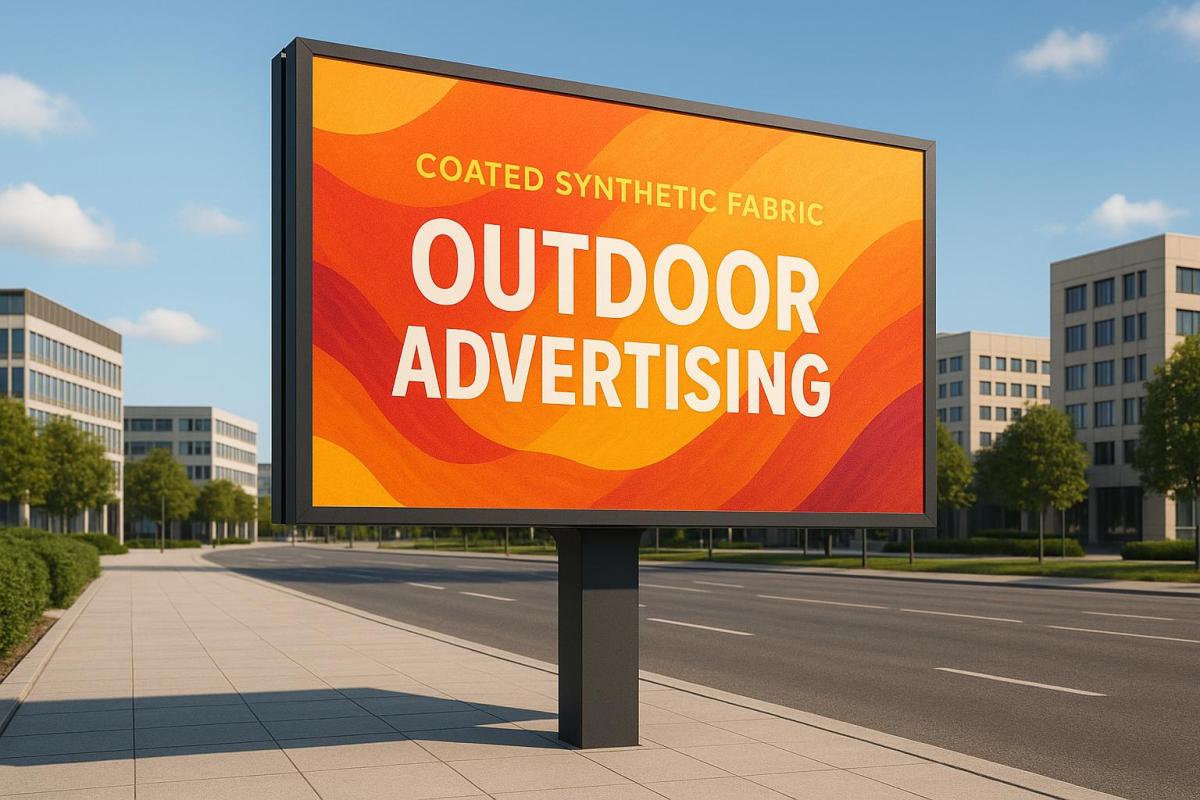
Coated synthetic fabrics are transforming outdoor advertising by offering durability, weather resistance, and superior print quality. These materials outperform traditional options, like paper and natural fabrics, which degrade quickly under harsh conditions. Key features include:
- Weather Resistance: Withstand UV rays, rain, wind, and temperature shifts.
- Durability: Long-lasting materials reduce replacement costs.
- Print Quality: Sharp, vibrant designs that resist fading.
- Cost Efficiency: Higher upfront costs but lower long-term expenses.
- Versatility: Ideal for banners, billboards, flags, and building wraps.
These fabrics feature coatings like PVC, polyurethane, and silicone, each suited to specific applications. For example, PVC-coated fabrics are perfect for billboards, while silicone coatings excel in extreme conditions. By choosing the right material and printing techniques, businesses can ensure their advertising remains impactful and cost-effective in any environment.
Outdoor PVC Banner Printed with Waterproof ECO-Solvent Ink and Hung by Eyelet Holes
Properties of Coated Synthetic Fabrics
Coated synthetic fabrics are a blend of textile substrates and polymer coatings, designed to turn regular fabrics into materials that can withstand tough outdoor conditions. These coatings enhance resistance to corrosion, heat, and abrasion, while also offering waterproofing and controlled air permeability. These qualities make them a go-to choice for outdoor advertising applications.
Here’s a closer look at the features that make these fabrics ideal for demanding environments.
Weather Resistance and Durability
One of the standout qualities of coated synthetic fabrics is their ability to endure harsh weather. This resilience comes from specialized coatings that guard against UV damage, water infiltration, and chemical exposure, all of which can degrade materials over time. These fabrics also perform well across a wide temperature range, maintaining their structure and functionality. The coatings not only shield fibers from wear and tear but also significantly extend the material’s lifespan.
Enhanced Color Retention and Print Quality
Durability aside, coated synthetic fabrics also excel in visual performance. Materials like polyester are particularly good at holding dyes, ensuring colors remain vivid over time. The coating itself creates a smooth surface that enhances ink adhesion, resulting in sharper and more vibrant prints compared to uncoated fabrics.
Sublimation printing is especially effective on synthetic fabrics like polyester, producing long-lasting, fade-resistant designs. Additionally, modern pigment printing methods deposit color particles onto the fabric’s surface, delivering images with improved texture and durability. These techniques also offer better resistance to light exposure compared to traditional dyes.
Types of Coatings and Their Advantages
Different coatings bring unique benefits, depending on the intended use. For example:
- Polyurethane (PU): Known for its cost-effectiveness and excellent water resistance, PU coatings are flexible and perform well under various weather conditions.
- Silicone: This coating provides exceptional UV protection and increases tear strength, making it ideal for large-scale applications like billboards. However, it typically costs 10–30% more than PU.
- Polyether Urethane (PE): With strong resistance to mold and hydrolytic degradation, PE coatings are well-suited for humid climates or areas with frequent rain.
Each coating type has its strengths and is suited for specific needs, as outlined below:
| Coating Type | Key Benefits | Best Applications | Cost Considerations |
|---|---|---|---|
| Polyurethane (PU) | High water resistance, cost-effective | General outdoor signage, banners | Lower upfront cost |
| Silicone | Superior UV resistance, increases tear strength | Large outdoor displays, extreme weather | 10–30% premium over PU |
| Polyether Urethane (PE) | Mold resistance, hydrolytic stability | Humid climates, long-term installations | Higher cost, longer longevity |
While PU and PE coatings may degrade under prolonged UV exposure, silicone coatings maintain their protective properties, making them a better choice for extreme conditions. Understanding these coating options allows advertisers to choose the right material based on environmental challenges and budget constraints.
As of 2021, synthetic fabrics dominate the global fiber market, making up 64% of it, with polyester alone accounting for 54%. This widespread use ensures a growing range of coated synthetic options for various applications.
Outdoor Advertising Uses for Coated Synthetic Fabrics
Coated synthetic fabrics are a go-to solution for outdoor advertising, offering durability and consistent print quality across various formats. Whether it’s banners, flags, or billboards, these materials shine in both temporary and long-term applications, standing up to weather challenges while maintaining vibrant visuals.
Banners and Building Wraps
When it comes to banners and building wraps, coated synthetic fabrics handle demanding outdoor applications with ease. For example, vinyl banners made from synthetic polyester can last up to five years when properly maintained.
In areas prone to strong winds, mesh banners are a smart choice. Their perforated design allows air to pass through, reducing strain on mounting hardware and preventing the banner from acting like a sail during storms. These lightweight yet tough materials are both waterproof and weather-resistant, making them a reliable option.
Building wraps, on the other hand, call for materials that can adapt to various architectural shapes while delivering sharp, clear prints. PVC-coated tarpaulin fabric fits the bill perfectly. It combines flexibility with strength, resists corrosion, and offers UV protection. This makes it easy to wrap around corners and irregular surfaces, ensuring vibrant graphics throughout the campaign’s duration.
Flags and Event Signage
The same durable qualities that make coated synthetic fabrics great for banners also make them ideal for event signage and mobile advertising. Event setups often require materials that are portable yet eye-catching, and fabric banners meet these needs exceptionally well. They’re lighter than vinyl options and can be displayed almost anywhere, making them a favorite for trade shows and temporary installations.
In 2023, SpeedPro highlighted the effectiveness of fabric displays at community events, trade shows, and outdoor fairs. Their case studies showed that flags, tents, and banners made from coated synthetic fabrics worked wonders for promoting brands and messages. Custom table covers and canopies also helped create cohesive, branded spaces [doc].
Polyester fabric is particularly well-suited for event signage. It has a substantial feel despite being lightweight, giving it a polished, premium look that’s perfect for high-end brand presentations. Additionally, dye sublimation printing pairs beautifully with polyester. This method embeds graphics deep into the fabric, making them a permanent part of the material rather than a surface-level coating.
For flags, the flexibility of coated synthetic fabrics not only helps them maintain their shape but also enhances visibility. The natural motion of the fabric catches the eye, drawing attention to the display.
Billboards and Roadside Advertising
Coated synthetic fabrics also excel in large-scale, fixed installations like billboards and roadside advertisements. These applications demand materials that can withstand years of exposure to harsh weather while maintaining their visual appeal. PVC-coated fabrics are a standout choice here, offering wind resistance and stability even in extreme conditions. Their excellent print clarity minimizes the need for frequent replacements, a key advantage for billboards in remote or hard-to-reach locations.
Unlike materials that require lamination – which can peel or bubble over time – coated synthetic fabrics integrate their protective features directly into the material. Testing by Kellogg Community College Print and Document Services confirmed the durability of synthetic media, even in demanding scenarios like ID badges and emergency guides.
Cost is another factor that makes PVC fabrics appealing for billboards. They’re more affordable than traditional options like canvas or natural fabrics, and their durability reduces maintenance and replacement expenses. For roadside advertising, maintaining vibrant colors and sharp images is crucial for catching attention. Coated synthetic fabrics deliver on this front, offering a smooth surface for high-quality printing and built-in UV protection to prevent fading over time.
sbb-itb-ce53437
Coated Synthetic Fabrics vs Traditional Materials
Coated synthetic fabrics are proving to be a game-changer in the outdoor fabric market, which is projected to hit $4.8 billion by 2033.
Traditional paper-based materials struggle to perform outdoors. They tear easily, lack durability in extreme conditions, and falter when exposed to temperature shifts. Similarly, natural fabrics face their own set of challenges. Their fiber structure makes it hard for printing inks to stick properly, leading to poor print durability.
Performance Comparison
Let’s dive deeper into how these materials stack up against each other.
Weather Resistance
Traditional paper and uncoated fabrics are no match for harsh weather – they degrade quickly. On the other hand, coated synthetic fabrics, like PVC vinyl, excel in strength, flexibility, and water resistance. This makes them ideal for outdoor use, reducing the need for frequent replacements and cutting costs in the long run.
Color Retention and Print Quality
Polyester-based synthetic fabrics hold onto dyes exceptionally well, delivering vibrant, long-lasting prints that resist fading. Their smooth surface ensures sharper, more detailed images. In contrast, natural fabrics like cotton and linen fade more quickly, especially when exposed to sunlight or varying weather conditions. This durability not only lowers maintenance needs but also keeps branding visible for longer periods.
The way inks bond with these materials further highlights the gap. Synthetic fabrics allow inks to penetrate deeply and adhere more effectively, resulting in brighter colors and sharper images compared to natural fabrics.
| Feature | Coated Synthetic Fabrics | Traditional Materials |
|---|---|---|
| Weather Resistance | Excellent | Limited |
| Color Retention | High | Moderate |
| Durability | Long-lasting | Lower durability |
| Print Quality | Vibrant and clear | Fades quickly |
| Cost | Moderate upfront | Low upfront |
| Environmental Impact | Recyclable options | Often non-recyclable |
This table highlights not only the performance edge of coated synthetic fabrics but also their long-term cost and environmental benefits.
Cost Considerations
Although traditional materials may seem cheaper at first glance, coated synthetic fabrics save money over time. Their durability means fewer replacements and less maintenance, making the initial investment well worth it.
Environmental Impact
Traditional materials contribute more waste due to frequent replacements. In contrast, many coated synthetic fabrics are recyclable, offering a more sustainable option despite not being biodegradable.
Thanks to their durability, coated synthetic fabrics outlast traditional materials by a wide margin. For outdoor advertising, where materials endure constant environmental stress, this durability is crucial. These advantages in performance, cost, and sustainability make coated synthetic fabrics the smart choice for long-lasting, effective campaigns.
How to Choose the Right Coated Synthetic Fabric
Picking the right coated synthetic fabric is essential to avoid issues like fading, material breakdown, or the need for expensive replacements.
What to Consider
When exploring coated synthetic fabrics for outdoor advertising, keep these critical factors in mind to ensure your material performs well in its intended environment.
Weather and UV Resistance
Outdoor materials face constant exposure to rain, wind, sun, and snow. Look for fabrics made with tough fibers designed to endure harsh weather conditions. UV resistance is especially important and should match your specific use case. For example:
- 500–1,000 hours: Ideal for short-term signage.
- 1,000–2,000 hours: Suitable for shade structures.
- 2,000–3,000 hours: Works well for vehicle covers.
- 3,000–5,000+ hours: Necessary for marine or extreme outdoor applications.
Water Protection Levels
Understanding the difference between water-resistant, water-repellent, and waterproof fabrics is key. Waterproof materials like vinyl completely block water, while water-repellent fabrics balance water protection with breathability. For most outdoor advertising, a waterproof or highly water-resistant fabric is a must.
Color and Heat Considerations
The color of your fabric can impact its performance. Lighter colors reflect sunlight, helping with heat resistance, while darker colors absorb more heat but may provide better UV protection. Additionally, colorfastness – rated on a scale from 1 to 5 – measures resistance to fading, with 5 being the best.
Installation and Budget Planning
Think about factors like installation requirements, fabric weight, flexibility, and overall budget when choosing your material. For example:
- Tension fabric systems simplify the setup of flexible PVC banners.
- Building wraps: Full wraps offer complete coverage for branding, mesh wraps work well in windy areas, and perforated wraps are ideal for windows and glass surfaces.
While fabrics like solution-dyed acrylics may cost more upfront, they often outlast polyester and olefin in terms of color retention and water resistance.
Once you’ve narrowed down your options, professional printing services can help ensure your chosen material meets the demands of your campaign.
Why Use Professional Printing Services
Choosing the right fabric is only part of the equation – professional printing services can elevate your project by combining expert material selection with cutting-edge techniques and quality assurance.
Material Selection Expertise
"When buying PVC fabric for outdoor use, it’s important to consider factors like durability, UV resistance, water resistance, flexibility, and maintenance needs."
Professionals can guide you in selecting a fabric that aligns with your specific application, weather conditions, and budget.
Advanced Printing Techniques
"Our advanced printing techniques ensure precise, sharp, and vibrant prints that deliver superior durability."
With specialized tools and methods, professional printers deliver vibrant colors and prints that stand the test of time.
Quality Control and Testing
From digital mock-ups to strike-offs and testing under various lighting conditions, professional printers ensure your final product meets the highest standards.
Design and Technical Support
Experienced teams provide design assistance, handle multiple file formats, and offer advice to align your designs with branding and aesthetic goals.
Sustainable Practices
Many printing services now use eco-friendly inks and materials, ensuring sustainability without sacrificing performance.
Miro Printing & Graphics Inc. stands out with its comprehensive large-format printing services. From banners to custom projects, their in-house design capabilities ensure your coated synthetic fabric materials meet top-tier standards, from concept to installation.
Conclusion: Benefits of Coated Synthetic Fabrics for Outdoor Advertising
Coated synthetic fabrics have reshaped the landscape of outdoor advertising by addressing many of the challenges associated with traditional materials. Paper-based products, for example, often falter under harsh weather conditions and require frequent replacements. In contrast, coated synthetic fabrics stand out for their impressive durability, resistance to weather, and exceptional print quality – qualities that traditional materials simply can’t rival.
The benefits aren’t just theoretical; the data backs them up. Jeremy Underhill, Vice President of Sales at MGX, puts it succinctly:
"In general, synthetic papers provide superior durability versus traditional paper in the form of tear, water, and chemical resistance. This can extend the life of the end application, requiring less reprints and reducing costs over the life cycle of the piece."
Although these fabrics may come with a higher initial price tag, their waterproofing, UV resistance, and tear resistance ensure that outdoor advertisements retain their professional appearance for much longer, driving down overall costs over time.
Operationally, the advantages are just as compelling. Laura Slovensky, Senior Manager of Product Marketing at Nekoosa, underscores another critical point:
"Synthetic paper won’t wrinkle, delaminate, or fray along the edges, ensuring a clean, professional look over the lifetime of the printed application. It also improves operational efficiency by eliminating the time-consuming lamination step, allowing printers to streamline production. Additionally, printing on synthetic paper requires few consumables while delivering superior results."
These operational perks emphasize the importance of working with experts in the field. Choosing the right fabric, coating, and printing method can be a complex process that benefits from professional guidance.
Miro Printing & Graphics Inc. brings both expertise and advanced technology to the table. With their in-house design services and cutting-edge printing techniques, they ensure your coated synthetic fabric projects deliver vibrant colors, crisp images, and lasting performance. From banners and building wraps to custom signage, their professional printing services turn the unique properties of coated synthetic fabrics into advertising materials built to thrive in tough outdoor settings.
Coated synthetic fabrics are a game-changer for outdoor advertising, and with the right printing partner, you can unlock their full potential to create impactful, long-lasting campaigns.
FAQs
What makes coated synthetic fabrics a better choice for outdoor advertising compared to traditional materials?
Coated synthetic fabrics are built to last, offering impressive durability that makes them perfect for tough outdoor environments. These fabrics are crafted to handle rain, strong winds, and even extreme temperatures, ensuring they hold up over time. Plus, they include UV protection to keep colors bright and prevent fading, so your outdoor displays stay eye-catching.
On top of that, their tear-resistant nature helps banners, billboards, and other outdoor materials maintain their shape and quality, even in demanding conditions. This combination of features makes coated synthetic fabrics a dependable and budget-friendly choice for outdoor advertising.
How do coatings like PVC, polyurethane, and silicone impact the performance and cost of synthetic fabrics for outdoor advertising?
Coatings significantly impact both the performance and cost of synthetic fabrics used in outdoor advertising. PVC coatings are a cost-effective choice, offering durability, waterproofing, and resistance to tough weather conditions, making them perfect for large outdoor banners. On the other hand, polyurethane coatings are known for their flexibility and resistance to abrasion, making them ideal for uses that involve frequent handling, though they tend to come with a higher price tag. For those needing top-tier performance, silicone coatings excel with outstanding weather resistance, UV stability, and the ability to endure extreme temperatures, albeit at a premium cost.
Each type of coating brings its own advantages, allowing businesses to tailor their choice based on specific advertising demands and budgets. Picking the right coating ensures displays stay vibrant and reliable, no matter the environment.
What should businesses look for when selecting coated synthetic fabrics for outdoor advertising?
When selecting coated synthetic fabrics for outdoor advertising, businesses should focus on a few key qualities to ensure their displays remain effective and visually striking over time. Durability, weather resistance (including protection from rain, snow, and UV rays), and color retention are essential for maintaining vibrant and long-lasting advertisements.
Other important factors include printability, flexibility, and tensile strength, which contribute to creating visually appealing and sturdy ads. Since outdoor advertisements face constant exposure to harsh environmental conditions, ease of maintenance and the fabric’s overall lifespan are equally important. Prioritizing these features helps businesses choose materials that not only look great but also stand up to the challenges of the outdoors.
Related posts
- Fire-Resistant Fabrics for Printing: Types and Uses
- Indoor vs Outdoor Banners: Key Differences
- Ultimate Guide to Fabric Coatings for Printing
- Ultimate Guide to Textured Printing Effects
https://app.seobotai.com/banner/banner.js?id=687eda980c233be3c8514345
 BergenCountyPrintersBlogs