How Foil Stamping Works: Step-by-Step Guide

Learn the step-by-step process of foil stamping, a technique that adds elegance and shine to various materials through heat and pressure.

Foil stamping is a printing method that uses heat and pressure to apply metallic or colored foil onto materials like paper, cardboard, leather, and plastics. It’s commonly used for luxury packaging, business materials, and special event items to create eye-catching, reflective designs.

Key Steps in Foil Stamping:

  1. Design Preparation: Use vector-based software, outline text, and keep designs simple.
  2. Die Creation: Choose brass (durable), magnesium (budget-friendly), or copper (versatile) dies.
  3. Foil Application: Heat the die, place foil between the die and material, and apply pressure.
  4. Quality Inspection: Check for smooth transfer, alignment, and consistent results.

Tips for Best Results:

  • Use coated materials for smoother finishes.
  • Test settings like temperature and pressure before full production.
  • Partner with experienced printers for complex designs or large-scale jobs.

Foil stamping adds a polished, metallic finish to designs, making them stand out with precision and elegance.

Step-by-Step Guide to Foil Stamping

Step 1: Preparing the Design

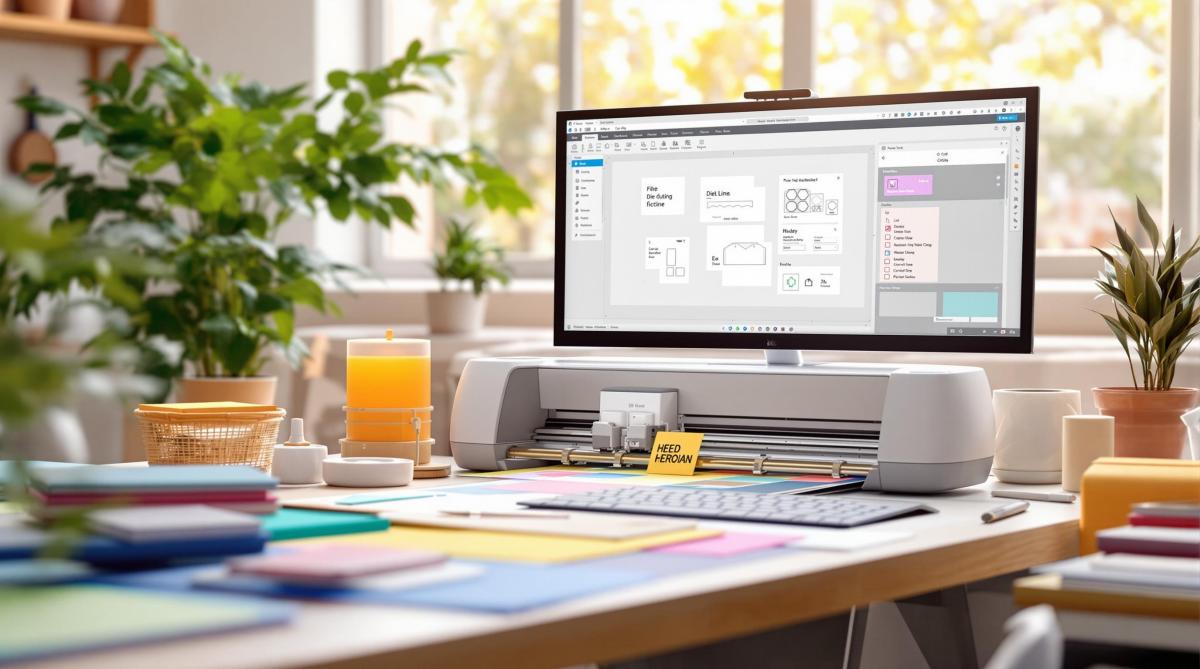
Start by creating your design using vector-based software like Adobe Illustrator for sharp and accurate results. Key steps in this process include:

  • Converting all text to outlines
  • Assigning spot colors to areas meant for foil
  • Ensuring text is at least 8 pt for readability
  • Avoiding overly detailed elements that could clog during production

Step 2: Making the Die

The die plays a crucial role in achieving top-notch results. The material you choose depends on your project needs:

  • Brass: Durable and ideal for long production runs
  • Magnesium: A budget-friendly option for shorter runs
  • Copper: A versatile choice for medium-sized runs [4]

Step 3: Applying the Foil

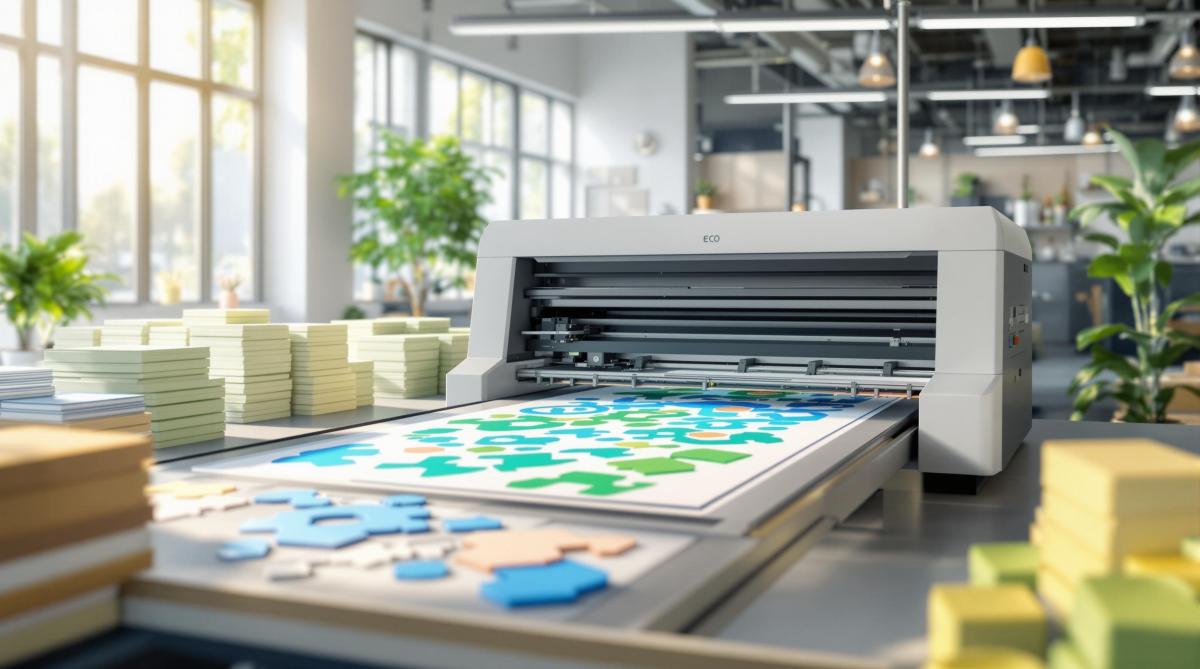
This step involves heating the die to the right temperature, placing the foil between the die and the material, and applying just the right amount of pressure. Proper temperature control is essential for a smooth transfer and to prevent damage [1]. Skilled handling ensures consistent results [2].

Step 4: Inspecting the Final Product

Quality checks are essential to ensure a polished finish. Focus on:

  • Smooth and accurate foil transfer
  • Even coverage throughout the design
  • Proper alignment with other printed elements
  • Clearing any excess foil
  • Consistency across the entire batch

Thorough inspection helps you deliver a flawless product, but it all starts with careful planning and the right materials [1][2].

Tips for Getting the Best Results with Foil Stamping

Choosing the Right Materials

The success of foil stamping starts with picking the right materials. Coated stocks are ideal for paper and cardboard projects because their smooth surface works well with foil. Metallic foils add a shiny finish, matte foils offer a more understated look, holographic foils create eye-catching effects, and pigmented foils provide solid color coverage. After selecting your materials, running thorough tests is key to achieving the best results.

Testing Before Final Production

Running small tests is crucial to fine-tune settings like temperature, pressure, and material compatibility. These tests help you avoid common issues and ensure:

  • Proper heat settings for foil adhesion
  • Correct pressure levels
  • Compatibility between the foil and the material

If problems come up during testing, collaborating with experienced printers can help you find effective solutions.

Working with Experienced Printers

Partnering with professional printers can make a big difference in your foil stamping project. Companies like Miro Printing & Graphics Inc. have the expertise to refine designs, select the right materials, and execute precise stamping techniques. Their knowledge ensures high-quality results and consistent production.

Experienced printers also provide access to advanced equipment and can handle a variety of materials and designs. They can offer valuable guidance on improving designs and resolving technical issues, helping you achieve the best possible outcome [1][2].

sbb-itb-ce53437

Common Problems in Foil Stamping and How to Fix Them

Even with top-notch materials and techniques, challenges can pop up during foil stamping. Here’s how to tackle them head-on.

Avoiding Too Much Foil Application

Excess foil can be a frustrating issue for printers. Opting for adhesive-backed foils designed for precise use can help create strong bonds without wasting material.

To get clean, polished results:

  • Keep your temperature and pressure settings consistent – adjust them based on your foil type and material thickness.
  • Clean your die regularly to avoid foil buildup that can interfere with quality.
  • Monitor adhesive performance during production to maintain steady results.

For intricate designs, steer clear of type sizes smaller than 8 points. Smaller sizes tend to cause plugging and foil buildup, which can ruin the final look [4].

While calibration plays a big role in preventing over-foiling, ensuring proper alignment is just as important for professional-quality results.

Solving Misalignment Problems

Misalignment often happens due to poor die preparation or uneven material surfaces. To keep everything in line during the stamping process:

  • Set up a stable base. Use a large, sturdy foundation for your machine and make sure all parts are securely in place. Stability is key for consistent alignment across multiple runs [3].
  • Prepare your die carefully. Accurate guides are essential for proper die positioning. Regular maintenance and correct storage can also prevent warping, which might cause alignment issues [1].
  • Implement quality checks. Inspect die alignment, substrate evenness, and registration marks both before and during production.

If you notice misalignment, stop production immediately to adjust your setup. Print shops like Miro Printing & Graphics Inc. rely on thorough quality control checks to spot and fix alignment problems early, ensuring they don’t disrupt large-scale projects [1][2].

Conclusion

Foil stamping adds metallic finishes to designs through careful planning, the right materials, and precise execution. As covered earlier, success depends on using vector-based artwork, selecting the appropriate foil, and applying it with care [1][5].

Modern automated controls enhance consistency in commercial foil stamping, ensuring proper adhesion and reducing errors. For intricate designs or large-scale production, working with experienced print shops can make a big difference. Companies like Miro Printing & Graphics Inc. excel in this area, offering in-house design expertise and thorough quality checks to avoid costly mistakes and deliver top-tier results [2][6].

Foil stamping demands both technical skill and hands-on experience. While small projects might be doable in-house, more complex or high-volume jobs often benefit greatly from professional help. Investing in expert services typically ensures consistent, polished results that align with strict quality expectations [5][6].

FAQs

Here are clear answers to frequently asked questions about foil stamping, summarizing key points from the article.

What is the process of foil stamping?

Foil stamping involves using heat and pressure to transfer metallic foil onto a surface. A heated metal die presses the foil carrier film onto the material, typically at temperatures between 200-300°F, creating a metallic imprint [1][2].

What materials are suitable for foil stamping?

Material Details
Paper Great for business cards and invitations; works best with 80lb or heavier paper.
Cardboard Commonly used for packaging and book covers; requires specific pressure settings.
Leather Popular for luxury items like portfolios; needs precise temperature control.
Plastics Ideal for premium packaging; requires specialized foils for proper adhesion.

How can I achieve the best results with foil stamping?

Use vector-based artwork created in professional design tools. Keep text sizes at least 8 pt and avoid overly detailed designs to ensure clean transfers. Proper spacing between elements helps prevent transfer issues like bleeding [4][6].

What are common issues with foil stamping?

Some common problems include:

  • Excessive foil application: Prevent this by maintaining consistent heat and pressure.
  • Misalignment: Use careful die setup and registration marks to avoid this issue [1][2].

What types of foil finishes are available?

Foils come in various finishes, including:

  • Metallic: Popular options like gold, silver, and copper.
  • Matte: A non-reflective, understated look.
  • Gloss: High-shine and eye-catching.
  • Holographic: A multi-dimensional, shimmering effect [1][5].

For more detailed instructions, refer to the step-by-step process and tips shared earlier in the article.

Related Blog Posts

https://app.seobotai.com/banner/banner.js?id=678c5d3380cdd94998feb3ce

Foil Stamping vs Metallic Ink: Key Differences

Explore the differences between foil stamping and metallic ink to choose the best metallic finish for your printing projects.

Foil stamping and metallic ink are two methods for adding metallic finishes to printed materials, each with unique benefits:

  • Foil Stamping: Offers a shiny, mirror-like finish with raised texture, ideal for bold designs like logos or luxury packaging. More durable but higher in cost.
  • Metallic Ink: Provides a soft shimmer with a smooth texture, perfect for detailed designs and gradients. Budget-friendly but less durable.

Quick Comparison

Feature Foil Stamping Metallic Ink
Shine Level High-gloss, reflective Subtle, pearlescent
Texture Raised, tactile Smooth, flat
Durability Long-lasting Moderate, prone to wear
Cost Higher Lower, cost-efficient
Best For Bold, luxury designs Intricate, detailed designs

Choose foil stamping for high-end, durable projects and metallic ink for affordable, detailed designs.

Metallic Ink vs Foil Stamping

How They Look

Foil stamping and metallic ink each create unique visual effects that can influence the overall look of your project. Knowing the differences between these techniques can help you pick the one that fits your design goals.

Foil Stamping Finish

Foil stamping produces a shiny, mirror-like effect with a raised texture that’s both visible and touchable [1]. This method works well for bold designs like logos, luxury packaging, or embossed details that need to stand out.

Metallic Ink Finish

Metallic ink, on the other hand, creates a soft shimmer that blends into the surface [3]. It’s ideal for intricate designs, gradients, or projects with multiple metallic shades. The smooth texture integrates seamlessly with other printed elements.

Characteristic Foil Stamping Metallic Ink
Shine Level High-gloss, mirror-like Subtle, pearlescent
Surface Texture Raised, tactile Smooth, flat
Detail Capability Great for bold elements Perfect for fine details
Visual Impact Bold and attention-grabbing Elegant and understated
Design Integration Stands out Blends in

Your choice depends on the look you’re going for. For example, Miro Printing & Graphics Inc. recommends foil stamping when you want maximum visual impact, while metallic ink is better suited for detailed, refined designs [3].

With the visual differences covered, let’s dive into how these techniques compare when it comes to cost.

Cost Differences

When deciding between foil stamping and metallic ink, understanding the cost variations can help you choose an option that fits your budget. These two methods differ significantly in price due to their unique production processes.

Foil Stamping Costs

Foil stamping tends to be more expensive because of its detailed process. This method requires custom dies, specialized equipment, and high-quality materials, which drive up costs [1]. It’s especially pricey for smaller production runs but delivers a striking finish that’s perfect for upscale projects.

Metallic Ink Costs

Metallic ink is a more budget-friendly choice while still offering a polished metallic look. It’s particularly cost-efficient for larger production runs since it works seamlessly with standard printing processes [2]. The fewer production steps involved make it a more affordable alternative compared to foil stamping [1][2].

At Miro Printing & Graphics Inc., clients can get tailored cost estimates for both methods to ensure their choice aligns with project goals. The decision often comes down to priorities: foil stamping for luxurious, high-end designs and metallic ink for a sophisticated look at a lower price.

Cost isn’t the only consideration – durability also affects the overall value of your printed materials.

sbb-itb-ce53437

Durability

Durability plays a big role when choosing a metallic finish, especially for items meant to last or handle frequent use. Foil stamping and metallic ink each offer different levels of resistance and longevity.

Foil Stamping Durability

Foil stamping creates a strong, lasting finish by bonding metallic foil to the material using heat and pressure. This makes it a great choice for items that see a lot of use or need to maintain a premium look over time, such as:

  • Premium business cards
  • Luxury product packaging
  • High-end promotional materials
  • Corporate identity materials

Metallic Ink Durability

Metallic ink, which contains metal particles, can wear down or crack over time, especially with frequent handling or bending. Adding a protective coating can help extend its life, but it also adds more steps and costs to production [1][2].

Durability Factor Foil Stamping Metallic Ink
Wear Resistance Strong resistance to scratches and wear Moderate, shows wear with frequent use
Longevity Lasts for years without major changes May need a coating for longer durability
Environmental Factors Handles moisture and temperature well More vulnerable to environmental damage
Flexibility Holds up when bent or folded Prone to cracking when flexed

Miro Printing & Graphics Inc. often suggests foil stamping for projects where durability is a priority. While it may cost more upfront, its long-term performance makes it worth the investment.

Now that we’ve covered durability, let’s look at how to choose the right method for specific projects.

When to Use Each

Choosing between foil stamping and metallic ink comes down to your project’s goals, budget, and how it will be used.

Best Uses for Foil Stamping

Foil stamping works best for high-end packaging, event materials like invitations, and professional branding items such as business cards or certificates. It stands out in:

  • Luxury Projects: Perfect for upscale retail packaging or exclusive promotional items.
  • Memorable Keepsakes: Wedding invitations or commemorative pieces where the extra cost is justified by their lasting value.
  • Professional Branding: Business cards, annual reports, and certificates that need to exude quality.

Best Uses for Metallic Ink

Metallic ink is a great choice for detailed designs, budget-friendly marketing, and short-term projects. It shines in:

  • Intricate Designs: Ideal for fine text, small details, or gradient effects.
  • Marketing Materials: Brochures, catalogs, and promotional items for large-scale print runs.
  • Short-Term Use: Seasonal promotions or event materials where durability isn’t a top concern.
Application Foil Stamping Metallic Ink
Premium Materials Perfect for lasting impressions Good for budget-friendly options
Design Detail Best for bold, striking elements Excellent for detailed, fine designs
Production Scale Affordable for smaller quantities Cost-effective for larger print runs

When deciding, think about the visual impact, durability, and budget. Miro Printing & Graphics Inc. recommends assessing your project’s lifespan, handling needs, and financial constraints to make the right choice [1][3].

Next, let’s directly compare these techniques to help you finalize your decision.

Side-by-Side Comparison

Here’s a closer look at how foil stamping stacks up against metallic ink, so you can decide which option fits your project’s needs.

Feature Foil Stamping Metallic Ink
Visual Appeal Bright, reflective metallic shine with a raised texture Subtle metallic effect with a smooth finish
Application Added after printing using heat and pressure Applied as part of the printing process
Design Suitability Works well for bold, larger elements; not ideal for fine details Great for intricate designs and detailed work
Color Options Limited to pre-made foil colors Wide variety of metallic shades through color mixing
Surface Compatibility Best on smooth, flat surfaces Works with many types of paper
Production Time Slower due to extra processing steps Faster as it integrates into standard printing
Durability Long-lasting and resistant to cracking Can crack or become brittle over time
Cost Higher per piece More budget-friendly, especially for large quantities
Handling and Environment Less sensitive to moisture and frequent handling Can be affected by moisture and wear
Embossing Options Pairs well with embossing or debossing for added texture Limited ability to create dimensional effects

This table highlights the strengths and limitations of each technique. When deciding, think about how often the item will be handled and how long it needs to last. For large-scale projects, metallic ink is often the quicker and more affordable choice. On the other hand, foil stamping is perfect for smaller projects that need to make a bold impression.

Conclusion

Foil stamping delivers a bold, long-lasting finish, making it ideal for high-end projects, while metallic ink offers a budget-friendly solution for intricate designs. Deciding between the two comes down to your project’s focus – whether that’s durability, visual impact, or cost.

For the best results, working with experienced printers is key. Miro Printing & Graphics Inc. brings expertise in both digital and offset printing, along with a range of post-press services, to help you achieve the perfect balance for your project.

Related Blog Posts

https://app.seobotai.com/banner/banner.js?id=678c415580cdd94998fe59db

How to Choose the Right Paper for Custom Prints

Learn how to choose the right paper for custom prints, considering types, finishes, durability, and project goals for optimal results.

Choosing the right paper for your custom prints is essential for achieving the best results. Here’s a quick breakdown to help you decide:

  • Coated vs. Uncoated Paper: Coated paper is smooth and enhances colors, great for photos and marketing materials. Uncoated paper has a natural texture, ideal for stationery and forms.
  • Paper Finishes:
    • Matte: Non-reflective, good for text-heavy designs.
    • Gloss: Reflective, perfect for vibrant images.
    • Silk/Satin: A balanced, elegant look.
  • Durability and Weight: Heavier paper (e.g., 100 lb. or 14 pt.) is better for durability, like business cards or outdoor materials.
  • Specialty Options: Textured, metallic, or recycled papers add uniqueness to invitations or eco-friendly projects.
  • Cost vs. Quality: Balance budget with quality by using premium paper for client-facing materials and cheaper options for internal use.

Quick Comparison of Paper Types and Uses

Paper Type/Finish Best For Features
Coated Photos, brochures, flyers Bright colors, smooth surface
Uncoated Stationery, forms, letterheads Natural texture, writeable
Matte Finish Text-heavy designs Non-reflective, easy readability
Gloss Finish Photo-rich designs Reflective, enhances image vibrancy
Silk/Satin Finish High-end materials Soft sheen, balances readability
Recycled Paper Eco-conscious projects Sustainable, professional look

How to Choose the Right Paper Coating: Matte, Gloss, High-Gloss

Overview of Paper Types and Finishes

Choosing the right paper involves more than just selecting its weight or thickness. Knowing the key differences between paper types and finishes can help ensure your prints look great and serve their purpose effectively.

Coated vs. Uncoated Paper: What’s the Difference?

Coated paper has a smooth layer, often made of clay or latex, that enhances ink retention and color brightness. This makes it perfect for sharp, vivid image reproduction. On the other hand, uncoated paper has a natural texture and is ideal for projects that need a writeable surface, like stationery or forms [3]. The coating on coated paper also prevents ink from soaking into the fibers, ensuring crisp results.

Paper Type Best For Features
Coated Photos, Magazines, Marketing materials Smooth surface, Bright colors, Holds ink well
Uncoated Letterheads, Business stationery, Forms Natural texture, Writeable, Absorbs ink more

Common Finishes: Matte, Gloss, Silk, and Satin

Paper finishes play a big role in how your project looks and feels.

  • Matte finishes have a non-reflective surface, making them perfect for text-heavy designs where readability is key [3].
  • Gloss finishes are reflective and make colors and images stand out, ideal for photo-rich marketing pieces [1].
  • Silk and satin finishes offer a middle ground – they have a soft sheen that balances readability with an elegant appearance [3]. These are often chosen for high-end business materials.

Specialty Papers for Unique Needs

For projects that need a distinctive touch, specialty papers are a great choice. Options like textured papers (linen, ribbed), metallic papers (with shimmering effects), and recycled papers (eco-conscious choices) can make a big impression [3] [1]. These are especially suited for invitations, luxury packaging, or sustainable designs.

Selecting the right paper type and finish sets the stage for creating prints that stand out. Next, we’ll dive into how to match these options to your project goals.

How to Choose the Right Paper for Your Project

Now that we’ve gone over paper types and finishes, let’s dive into how to match them with your project’s goals.

Purpose and Function of the Project

The purpose of your print project should steer your paper choice. Different projects call for specific paper qualities to get the best results. For items like business cards that are frequently handled, you’ll need a sturdy, professional-looking paper. On the other hand, marketing materials with bold, colorful images work best with coated papers that make colors pop.

If your project is text-heavy, uncoated paper is a great option. Its natural texture makes it easier to write on and reduces eye strain for readers [1].

Durability and Usage Conditions

Think about how long your project needs to last and the conditions it will face. For outdoor displays, papers that are UV-stable and water-resistant will hold up better over time [1]. If you’re creating mailing pieces, they need to meet postal regulations while staying intact during shipping [2].

Usage Scenario Recommended Paper Type Key Benefits
Outdoor Display UV-stable, water-resistant Protects against weather
Direct Mail 70-80# Text weight Meets mailing standards
Frequent Handling Cover stock Durable and professional

Balancing Quality and Cost

Striking a balance between quality and budget takes some thought. For instance, using the right text-weight paper for brochures can give you a polished look without overspending [3]. Save premium paper for customer-facing materials, while internal documents can use more affordable options.

"Professional printers can offer expert advice on paper selection based on the project’s specific needs, provide samples of different paper types and finishes, and ensure that the chosen paper meets all necessary standards and regulations for the intended use." [context]

If sustainability is part of your brand’s message, FSC-certified or recycled paper is a solid choice [4]. While premium paper may cost more upfront, its durability often means fewer reprints, saving money in the long run [3]. Print shops like Miro Printing & Graphics Inc. can help you weigh these factors and recommend the best options for your needs and budget.

With these considerations in mind, let’s move on to the best paper choices for common print projects.

sbb-itb-ce53437

Best Paper Choices for Common Print Projects

Business Cards and Office Stationery

For business cards, 120-pound (14-point) Gloss or Uncoated Cover is a reliable pick for a polished and sturdy finish [3]. If you need something for note-taking, uncoated finishes are ideal – they’re easy to write on and still look professional. For letterheads and internal memos, go with 50-100# Text Paper. It strikes the right balance between style and usability [2].

Brochures and Flyers for Marketing

For brochures and flyers, 80# or 100# Gloss Text is a smart choice. It ensures sharp, vibrant images and holds up well over time [3]. Gloss Text paper is perfect for rich, vivid colors, while satin finishes add a premium touch with less glare.

Marketing Material Recommended Paper Benefits
Brochures 80# Gloss Text Excellent color clarity
Flyers 100# Gloss Text Better durability
Catalogs 70# Satin Text Premium finish, less glare

Invitations and Posters for Events

Event materials need to make an impression and last. For invitations, 100# Uncoated Cover stock offers a refined, tactile feel [3]. Its natural texture adds a touch of sophistication and holds up well during mailing.

Posters require both durability and eye-catching visuals. 120-pound (14-point) Gloss Cover provides vivid colors that pop [3]. For outdoor posters, UV-resistant paper is a must to guard against weather and fading.

Miro Printing & Graphics Inc. also offers finishing options like UV coating and foil stamping to elevate your designs [3]. These paper choices combine quality and practicality, ensuring your projects stand out without breaking the bank.

Now that we’ve covered these essentials, let’s dive into more ways to perfect your paper selection.

Tips for Selecting the Best Paper

Eco-Friendly Paper Options

Choosing eco-friendly paper, such as 100% recycled options or materials like bamboo and sugarcane, helps reduce the impact on the environment while maintaining excellent print quality. Carbon-balanced paper is another option, as it offsets the environmental costs of printing and provides a way to align with sustainability goals [3].

Using Advanced Printing Techniques

Advanced printing methods can elevate the final result. Techniques like LED UV printing create sharper images and bold colors by instantly curing the ink, making them ideal for glossy or matte finishes. For other needs, digital printing offers quick and cost-efficient results on coated or uncoated papers, while offset printing is well-suited for premium stocks and larger print runs [3].

Printing Technique Best Paper Types Key Benefits
LED UV Printing Gloss, Matte Instant ink curing, vibrant visuals
Digital Printing Coated, Uncoated Quick production, budget-friendly
Offset Printing Premium stocks High-quality, ideal for bulk orders

Getting Help from Professional Printers

Teaming up with professional printers, like Miro Printing & Graphics Inc., can make all the difference in choosing the right paper for your project [3]. They can provide physical samples, helping you evaluate the paper’s weight, texture, and finish to ensure it matches your vision. Additionally, they can guide you in selecting paper that meets postal requirements or handles outdoor conditions effectively.

When consulting with a printer, discuss your project’s timeline, budget, intended use, and durability needs. Their expertise can help you make informed choices that deliver quality results while meeting practical and industry standards [3].

Conclusion: Final Thoughts on Paper Selection

Picking the right paper is key to achieving the quality, durability, and look you want for your prints. Whether you go for coated or uncoated paper, or finishes like matte or gloss, each choice plays a role in delivering the results you’re aiming for.

Paper weight matters too. For instance, 120# Gloss Cover gives business cards a sturdy, high-end feel, while 70# Uncoated Text is better suited for everyday marketing materials [1]. The finish you select also impacts how your prints look and function, with each option tailored to specific uses [2].

If you’re considering eco-friendly options, materials like FSC-certified or recycled paper offer a responsible choice without sacrificing quality. Pairing sustainable materials with guidance from seasoned printers can simplify the decision-making process.

Teaming up with experienced professionals, like Miro Printing & Graphics Inc., ensures you make informed decisions about paper that fit your goals, budget, and environmental considerations [3].

Choosing the right paper is about finding the balance between technical specs and practical needs. With a clear understanding of these factors, you can confidently create prints that stand out and align with your project’s goals.

Related Blog Posts

https://app.seobotai.com/banner/banner.js?id=678c031880cdd94998fe1de0

Ultimate Guide to Personalized Print Design

Explore personalized print design, its importance, essential components, and practical steps for creating impactful printed materials.

Personalized print design is about tailoring printed materials to reflect a brand’s identity and connect with its audience. Even in a digital-first world, it remains an effective way to engage customers and build recognition.

Why It Matters:

  • 29% higher open rates for personalized direct mail compared to generic ones.
  • Boosts brand recognition, customer engagement, and a professional image.

Essentials for Success:

  1. Key Design Elements: Use proper print areas, typography, and high-resolution images (300 DPI).
  2. Custom Features: Logos, vector graphics, and bold designs ensure scalability and clarity.
  3. Printing Methods: Choose digital for quick jobs, offset for large runs, or large format for oversized materials.

Steps to Get Started:

  • Plan with clear goals and audience insights.
  • Use design tools like Adobe Illustrator for precision.
  • Collaborate with professional designers or local print shops for expert guidance.

Pro Tip:

Local print shops, like Miro Printing & Graphics Inc., offer personal consultation, faster turnaround, and expert support for high-quality results.

Whether you’re creating business cards, banners, or event materials, personalized print design helps your message stand out and leaves a lasting impression.

Key Components of Personalized Print Design

Creating personalized print designs that leave a lasting impression involves focusing on a few important elements. These details ensure your designs are both visually appealing and production-ready.

Key Design Considerations

Component Specification Purpose
Print Area Product-specific measurements Ensures clean cuts
Bleed Area Add 1/8 inch beyond trim Prevents unwanted white edges
Safe Zone Inner margin from trim Protects key content
Typography Minimum 5px size Keeps text readable
Logo Placement High-contrast areas Boosts brand visibility
Custom Graphics Vector format Ensures scalability

Print shops provide detailed guidelines to help your artwork meet production standards [1]. Keep in mind that each product has unique dimensions – what works for a business card won’t suit a banner or packaging.

Using High-Resolution Images

After nailing the layout, the next step is ensuring your images meet professional printing standards. For crisp, clear prints, use images with a resolution of 300 DPI (dots per inch) or higher [1]. While low-resolution images may look fine on a screen, they tend to blur when printed.

To maintain sharp visuals:

  • Use vector formats for logos and text.
  • Scale images at 100% or smaller.
  • Avoid enlarging low-quality images.
  • Always check image clarity at the actual print size.

Adding Custom Features

Custom features can elevate your design while reinforcing brand identity. Avoid overly intricate details that may lose clarity during printing [1]. Instead, focus on bold, simple elements that look great across various materials and printing techniques.

With the right mix of technical accuracy and creative flair, print shops ensure your designs transition smoothly from screen to print [2]. This attention to detail helps your designs make a strong impression every time.

Steps to Create a Personalized Print Design

Creating polished print designs takes thoughtful planning and execution. Here’s a guide to help you turn your ideas into high-quality printed materials.

Planning and Gathering Ideas

Start by defining the purpose of your design and identifying your audience. This will shape your creative direction. A mood board or reference materials can help refine your vision. Use the table below to organize your planning process:

Planning Stage Key Activities Outcome
Research Analyze industry trends and competitors Clear design direction
Audience Analysis Identify demographics and preferences Tailored design elements
Concept Development Develop mood boards and initial sketches A cohesive visual style

Using Design Tools and Software

For professional results, tools like Adobe Illustrator are highly recommended. This software provides precise control over every detail. Follow these key file preparation tips to ensure your design is print-ready:

  • Set document dimensions to match the product’s size
  • Use CMYK color mode for accurate color reproduction
  • Ensure all images are at 300 DPI for sharpness
  • Save in vector formats to maintain scalability

Once your concept is ready, these tools will help you bring it to life. If your project requires advanced skills, working with a professional designer can ensure your design meets all technical requirements.

Working with Professional Designers

Professional designers combine creativity with a deep understanding of printing processes. To collaborate effectively, provide a detailed brief that includes your target audience, brand guidelines, dimensions, and preferred printing methods. Establishing a clear timeline and budget upfront will streamline the process.

Local print shops, like Miro Printing & Graphics Inc., often offer in-house design services. Their designers are familiar with specific printing techniques and equipment, ensuring your design is optimized for production and final output.

sbb-itb-ce53437

Best Practices for Printing and Production

Preparing Files for Printing

Getting your files ready for print is a key step to ensure polished results. Always extend your design’s background into the bleed area to prevent unwanted white edges. Make sure your colors are calibrated correctly for accurate reproduction. Use pre-flight checks to catch potential issues before submitting your files for printing.

Choosing the Right Printing Method

Each printing method has its own purpose, and knowing their benefits can help you pick the right one for your project:

Printing Method Best For Advantages
Digital Printing Small to medium runs, fast jobs Quick production, supports variable data
Offset Printing Large quantities, consistent output Lower cost per unit, precise color accuracy
Large Format Banners, posters, signage Perfect for oversized materials

If you need quick results with excellent quality, digital printing is a solid choice. For bigger projects, offset printing offers better cost-efficiency, though it requires more time to set up.

Final Checks and Finishing Options

Before sending your files off, double-check colors, resolution, and text clarity to ensure everything looks sharp and professional. Refer to earlier tips on resolution, typography, and color accuracy to avoid any surprises.

Finishing touches can add both durability and aesthetic appeal to your printed materials. Many print shops provide services like laminating, binding, or embossing to take your prints to the next level. For complex projects, partnering with experienced providers like Miro Printing & Graphics Inc. can be a game-changer. They offer expert pre-press support and use professional-grade equipment to ensure your materials meet high standards.

Why Work with Local Print Shops

Benefits of Choosing Local Print Shops

Working with local print shops brings a range of advantages that can directly influence the outcome of your custom print projects. Their hands-on approach makes collaboration easier and helps deliver high-quality results.

Benefit What It Means for You
Personal Consultation Face-to-face meetings for immediate feedback and tailored solutions
Quality Assurance Review physical proofs and make real-time adjustments
Quick Turnaround Flexible scheduling to meet tight deadlines
Expert Support Direct advice on materials and printing techniques
Local Accessibility Easy communication and regular project updates

Local print shops don’t just handle printing – they bring expertise in areas like paper selection, finishing techniques, and cost-effective strategies. According to a report by American Express, 72% of consumers are more likely to revisit local businesses with excellent customer service [2]. This highlights the long-term value of building a strong relationship with your local printer.

Services Offered by Miro Printing & Graphics Inc.

Miro Printing & Graphics Inc. is a standout option among local print shops, offering a wide range of services and a keen focus on detail. Their offerings include:

  • In-house Bindery: All finishing work done on-site for better control and efficiency
  • Custom Projects: Tailored solutions for unique designs
  • Design Services: Help from concept development to final production
  • Variable Data Printing: Personalized printing for targeted campaigns
  • Post-press Options: Professional finishing touches to elevate your project

What sets Miro Printing & Graphics Inc. apart is their seamless project management. By handling everything in-house, they avoid the coordination issues often faced with online printers. Their blend of design expertise and advanced printing technology ensures your custom print project delivers the desired impact.

Local print shops like Miro Printing & Graphics Inc. are invaluable partners for personalized designs. Their ability to manage complex, tailored projects with precision ensures your vision becomes a reality.

Conclusion: Turning Ideas into Reality

Key Points to Remember

Creating successful print projects relies on a mix of technical accuracy and creative insight. High-resolution images (300 DPI), proper file setup, and careful planning are crucial to achieving results that stand out.

Here’s a quick overview:

Factor Importance
Design Quality Ensures sharp, professional results
File Preparation Prevents production errors and streamlines the process
Print Method Selection Matches the right technique to your project’s needs
Professional Support Helps you avoid mistakes and improve results

Starting Your Print Project

Kick off your print project by defining clear goals and gathering ideas that inspire you. Many print shops offer both technical advice and creative suggestions to help bring your vision to life.

Steps to get started:

  • Outline Your Vision: Write a detailed brief that explains your project’s goals and requirements.
  • Find Inspiration: Collect examples of designs you admire to help guide your project.
  • Work with Experts: Collaborate with print professionals to finalize technical details and troubleshoot any potential issues.

Experienced print shops, like Miro Printing & Graphics Inc., can provide valuable insights on tricky aspects such as bleed areas, color accuracy, and choosing the right materials. Their expertise ensures every detail of your project is handled with care and precision.

Related Blog Posts

https://app.seobotai.com/banner/banner.js?id=678bfdf780cdd94998fe1121

How to Identify Surface Coating Defects in Printing

Learn how to effectively identify and address surface coating defects in printing to enhance product quality and customer satisfaction.

Surface coating defects in printing, such as cracking, flaking, bubbling, and dewetting, can reduce product quality and durability. Identifying these issues early is crucial to saving costs and maintaining customer satisfaction. Here’s a quick summary of what you need to know:

  • Common Defects: Cracking (fine lines), bubbling (air pockets), flaking (peeling), orange peel texture (uneven surface), and dewetting (beaded droplets).
  • Causes: Thermal stress, poor adhesion, material incompatibility, or mismatched surface energy.
  • Detection Methods:
    • Visual Inspection: Use proper lighting and angles to spot obvious flaws.
    • Automated Systems: High-resolution cameras and AI tools detect subtle irregularities with over 95% accuracy.
    • Specialized Tools: Optical microscopy and spectroscopy for detailed analysis.
  • Solutions: Document defects, investigate causes, and adjust printing processes to prevent recurrence.

To ensure consistent quality, combine human expertise with advanced tools like machine vision and AI-based systems. This approach minimizes errors and ensures a high standard for printed products.

Common Surface Coating Defects in Printing

Examples of Common Defects

Surface coating defects often show up in recognizable visual patterns, making them easier to spot. Catching these issues early helps maintain quality standards and avoids expensive reprints.

Cracking looks like fine lines or fractures across the printed surface. This usually happens due to thermal stress during drying or poor adhesion between the coating and the substrate [1].

Bubbling appears as small air pockets trapped beneath the coating. These raised spots, which you can see and feel, often result from problems in the coating process or insufficient surface preparation [2].

Flaking, also called delamination, happens when the coating peels away in small pieces. This is often caused by using incompatible materials or not preparing the surface correctly [4].

Orange Peel Texture creates an uneven surface that looks like the dimpled skin of an orange. This effect is typically caused by improper drying, incorrect application techniques, unsuitable viscosity, or temperature fluctuations.

Dewetting shows up as small droplets or beads forming instead of a smooth coating. This happens when the surface energy of the substrate and coating don’t match, leading to poor adhesion [2].

Defect Type Visual Characteristics Common Causes Impact on Quality
Cracking Fine lines/fractures Thermal stress/poor adhesion Weakens structural integrity
Bubbling Raised air pockets Trapped air/poor application Deteriorates surface quality
Flaking Peeling coating Material incompatibility Reduces protective layer
Orange Peel Dimpled surface Drying/application issues Creates uneven appearance
Dewetting Beaded droplets Surface energy mismatch Leads to poor coverage

These defects not only affect the visual appeal but also compromise durability. Advanced machine vision systems can identify subtle variations in texture and uniformity that might go unnoticed by the human eye [1][3].

Spotting these issues is just the beginning. The next step is implementing the right methods to detect and address them during production.

Methods for Identifying Surface Coating Defects

Visual Inspection Techniques

Visual inspection is a key method for spotting surface coating defects in printing. This process involves using directional lighting, examining prints from different angles, and assessing gloss, texture, and color consistency. It works well for noticeable issues like smudges or uneven colors. However, its effectiveness depends on the inspector’s skill and the quality of lighting [1]. For subtle defects or high-volume production, automated systems often outperform manual inspections in accuracy and speed.

Using Automated Systems

Modern printing facilities rely on automated systems that use high-resolution cameras and AI algorithms to analyze defects consistently and objectively [3]. These systems can detect surface irregularities, measure coating thickness, and identify registration errors in real-time, achieving detection accuracy rates above 95% [3].

Inspection Method Detection Capabilities Best Use Case
Machine Vision High-speed surface analysis High-volume production
AI-Based Systems Pattern recognition Complex printing jobs
Integrated Sensor Systems Detailed defect analysis Premium quality control

Blending automated systems with human inspections provides the best results. Automated tools excel at identifying subtle or complex defects, while human inspectors bring context and can spot unusual issues not covered by pre-programmed parameters [1].

For a balanced and thorough approach, facilities should consider:

  • Automated screening for initial defect detection
  • AI-based analysis for recognizing patterns
  • Human verification for final quality checks

Advanced technologies like spectroscopy and thermal imaging can further refine coating quality assessments [3]. By combining automation with human expertise, facilities can achieve reliable and efficient quality control.

Step-by-Step Guide to Identifying Defects

Step 1: Perform a Visual Check

To spot surface coating defects, start with a thorough visual inspection under proper lighting. Adjust the angle of the printed material to reveal any irregularities. Keep an eye out for issues like smudges, streaks, or uneven colors.

Tips for better visual inspection:

  • Use directional lighting and examine prints from multiple angles to spot variations.
  • Check both matte and glossy areas to ensure consistency.

Step 2: Use Specialized Tools

Once you’ve completed the visual check, move on to specialized tools for a closer look. High-resolution cameras and machine vision systems can detect flaws too small for the human eye. These tools are especially effective for spotting subtle imperfections and patterns [3].

Tool Type Primary Function Detection Capability
Optical Microscopy Examines surface details Coating uniformity, print quality
High-Resolution Cameras Detects defects in real-time Pattern recognition, color consistency
Spectroscopy Equipment Analyzes chemical properties Coating thickness, material properties

Step 3: Analyze and Fix Issues

Review the data collected to identify trends and pinpoint root causes. Common problems, such as contamination or improper drying, can often be resolved with targeted adjustments.

Steps to address defects effectively:

  • Document findings: Record defect types, locations, and frequencies to spot recurring issues and plan preventive measures.
  • Investigate causes: Determine whether the problem comes from equipment, materials, or process variables.
  • Apply solutions: Adjust printing parameters, refine cleaning processes, or improve material handling as needed.

Keep detailed records of defects and how they were resolved to support continuous quality improvement. Following these steps will help you maintain consistent print quality and meet customer expectations.

sbb-itb-ce53437

How Miro Printing & Graphics Inc. Handles Defects

Quality Control at Miro Printing

Miro Printing & Graphics Inc. prioritizes identifying and addressing surface coating defects to maintain top-tier results. By blending advanced technology with skilled craftsmanship, they ensure consistent quality across their projects. Automated systems play a key role, spotting even the smallest defects with precision – often surpassing human capabilities. These systems are fine-tuned to handle specific defect patterns unique to their printing processes.

Their technicians undergo thorough training in areas such as:

  • Advanced visual inspection methods
  • Operating specialized detection tools
  • Recognizing and resolving common coating issues
  • Applying corrective actions effectively
Quality Control Component Purpose Implementation
Visual Inspection Detecting defects early Staff conduct detailed checks under optimal lighting conditions
Automated Systems Continuous monitoring Machine vision and AI-based algorithms identify flaws in real-time
Process Documentation Tracking quality Comprehensive logs of defects and solutions for process improvement

Why Defect-Free Printing Matters for Customers

Detecting defects early helps Miro Printing reduce reprints and maintain consistent quality. For example, during large-format printing, their quality control team can identify slight color mismatches early and make immediate corrections, ensuring smooth production.

Detailed quality control records not only improve internal processes but also enhance transparency with customers. This commitment to precision helps clients avoid delays and ensures every project meets professional standards. Miro Printing’s structured approach to defect management has made them a trusted partner for businesses seeking reliable, high-quality printing solutions.

Conclusion and Final Thoughts

This section pulls together the main points on defect detection methods and tools, while also looking at what lies ahead. Modern printing operations now blend older visual inspection techniques with advanced automation to achieve impressive results. For instance, current systems boast a 97.2% accuracy rate in spotting surface defects [5].

Key Points to Keep in Mind

Surface energy mismatches, such as those causing beading or dewetting, often lead to defects [2]. A solid understanding of these fundamental properties is critical for effective detection and prevention.

The use of automated optical inspection (AOI) systems has revolutionized quality control, offering benefits like:

  • Instant defect detection during production
  • Consistent monitoring across large-scale print runs
  • Pinpointing even the smallest surface irregularities

These methods, combined with the earlier-discussed inspection strategies, ensure both precision and efficiency in defect management.

Approach Implementation Impact
Visual Inspection Routine checks under controlled lighting Early identification of obvious defects
Automated Systems AI-driven scanning and analysis 97.2% detection accuracy rate
Documentation Organized tracking of defects and fixes Supports quality improvement efforts

Looking forward, advancements in AI and machine vision are expected to further refine quality control. By merging human expertise with AI, future systems will be even better at detecting subtle irregularities early, thanks to ongoing improvements in deep learning [3].

Related Blog Posts

https://app.seobotai.com/banner/banner.js?id=678bf6b880cdd94998fdf6c7

Troubleshooting Surface Coating Defects in Printing

Learn how to troubleshoot and prevent surface coating defects in printing for consistent, high-quality results.

Surface coating defects like streaking, peeling, or uneven coverage can ruin print quality and delay production. To fix these issues:

  • Identify the problem: Use visual tools like magnifiers or sample prints to spot defects early.
  • Address common causes: Adjust ink viscosity, clean substrates, and ensure proper equipment calibration.
  • Prevent future issues: Maintain stable temperature (68-72°F), humidity (45-55%), and follow ink and substrate compatibility guidelines.

Coating Cratering and Fish-Eyes Analysis

Common Surface Coating Problems and Their Causes

Surface coating defects can show up in different ways during printing. Knowing these common issues and what causes them is key to keeping print quality high and avoiding delays.

Wrinkling and Flaking Issues

Wrinkling and flaking often occur due to problems like incorrect substrate tension, too much ink, or poor drying conditions. These factors lead to uneven stress and drying patterns, which can affect the final print.

Problem Primary Cause Secondary Factors
Wrinkling Incorrect substrate tension Temperature changes
Flaking Too much ink Substrate incompatibility
Surface distortion Uneven pressure Poor drying conditions

Uneven Coating and Streaking

Uneven coating or streaking usually happens because of incorrect ink viscosity or dirty printing surfaces. If the ink is too thick, it creates resistance, causing streaks. On the other hand, thin ink can result in patchy areas. Identifying these problems quickly helps in fixing them effectively.

Peeling and Adhesion Problems

Adhesion problems like peeling or delamination often result from incompatible substrates or poor surface preparation. Low surface energy can weaken the bond between the coating and the substrate. Companies like Miro Printing & Graphics Inc. tackle this by thoroughly testing and prepping substrates before printing [2].

To ensure consistent and high-quality prints, focus on:

  • Regularly calibrating equipment
  • Properly handling materials
  • Using the right ink formulations
  • Controlling environmental conditions

Catching these issues early makes it easier to apply the right fixes.

How to Identify Surface Coating Defects

Identifying surface coating defects early is key to solving issues in the printing process. Printers rely on specific tools and methods to catch these problems before they disrupt production.

Visual Inspection Tools

Tools like magnifiers, microscopes, and high-resolution cameras are essential for spotting defects such as streaks, adhesion problems, or uneven coatings [1]. These tools make it possible to detect tiny flaws that could otherwise go unnoticed until they escalate into bigger issues.

Evaluating the Printing Process

A detailed review of the printing process can uncover potential problem areas. Focus on these three aspects:

  • Substrate preparation and cleanliness: Ensuring the surface is properly prepared.
  • Ink application and viscosity: Maintaining consistent ink flow and thickness.
  • Environmental factors: Monitoring temperature and humidity during production.

Keeping these elements in check helps avoid many common coating defects [2].

Testing with Sample Prints

Running sample prints under controlled conditions can help pinpoint recurring defects. This approach allows printers to:

  • Check if the substrate and ink work well together.
  • Fine-tune process settings for better results.
  • Record successful fixes for future reference.

For example, companies like Miro Printing & Graphics Inc. use a combination of these methods to deliver high-quality prints consistently [2]. By combining visual inspections, process evaluations, and sample testing, printers can efficiently identify and address coating defects.

After identifying the issues, the next step is to apply targeted solutions to achieve flawless results.

sbb-itb-ce53437

Practical Solutions for Surface Coating Problems

Once you’ve identified surface coating issues, the next step is fixing them to maintain high-quality prints. Here’s how you can address these problems with better substrate handling, smarter ink choices, and regular equipment upkeep.

Improving Substrate Handling

Keeping substrate tension and alignment consistent is key to avoiding coating problems. Here’s what to focus on:

  • Uniform tension: Make sure the material’s tension is even across its width.
  • Precise alignment: Double-check alignment before printing begins.
  • Cleanliness: Remove dust, grease, or debris from substrates to avoid imperfections.

Choosing and Applying the Right Ink

Your ink choice and how it’s applied can make or break the coating quality [3]. Pay attention to these factors:

Ink Property Suggested Adjustment Effect on Quality
Viscosity Stick to manufacturer guidelines Prevents streaks and uneven layers
Compatibility Match ink to the substrate type Improves adhesion and durability
Drying Time Follow recommended curing times Avoids smudging and transfer issues

"Ensuring that the ink is compatible with the substrate can prevent peeling and adhesion problems. It is also important to follow the manufacturer’s guidelines for application and drying times to ensure proper curing" [3].

Maintaining Printing Equipment

Consistent equipment maintenance is essential to avoid defects and reduce downtime. Companies like Miro Printing & Graphics Inc. set an example with their strict quality control processes [2].

Focus on these areas during maintenance:

  • Coating systems: Keep application systems clean and functioning.
  • Transport mechanisms: Regularly inspect for wear and tear.
  • Drying systems: Ensure they are calibrated for optimal performance.

A good rule of thumb: clean equipment daily, inspect weekly, and calibrate monthly. Following these steps will help you minimize defects and maintain top-notch print quality.

Examples and Best Practices for Preventing Defects

How Common Defects Were Fixed

Surface coating defects can negatively affect print quality, but specific solutions have shown to be effective. For example, Miro Printing & Graphics Inc. addressed these issues by improving substrate preparation, enhancing cleaning processes, and conducting regular viscosity checks [2].

Problem Solution Result
Peeling, Uneven Coating, Streaking Better substrate cleaning, viscosity checks, and equipment adjustments Fewer defects and more consistent prints

While fixing defects is important, taking steps to prevent them altogether can save time and improve overall efficiency.

Tips for Preventing Defects

Here are some strategies that can help avoid surface coating defects entirely:

Quality Control Measures
Implementing strict quality control protocols can stop defects before they disrupt production:

Control Measure Preventive Action Expected Outcome
Proactive Inspection Regular checks with magnifying tools before production Early detection and prevention of defects
Pre-production Testing Testing substrate and ink compatibility thoroughly Reliable and consistent print quality
Process Monitoring Continuously tracking key printing parameters Smooth and stable production runs

Environmental Controls
Keep conditions stable: aim for 68-72°F, 45-55% humidity, and ensure proper ventilation. Maintaining these parameters is critical for achieving consistent coating quality and reducing the likelihood of defects [3].

Summary and Final Tips

Key Takeaways

To achieve consistent and high-quality surface coatings, focus on a few essential elements: choosing the right materials, keeping equipment in top shape, and managing environmental factors effectively. These steps will go a long way in minimizing defects.

Practical Recommendations

Now that you’re equipped to tackle coating defects, here are some practical tips to keep your print quality consistent:

  • Keep a close eye on coating thickness and curing conditions to avoid issues like cracking or smudging.
  • Regularly inspect and maintain equipment to catch and fix problems early.
  • Ensure substrates are clean, store materials in controlled environments, and test for compatibility before starting production.

To fine-tune your process, consider using diagnostic tools and keeping detailed records of successful coating parameters. These steps will help you maintain a reliable and efficient workflow.

Related Blog Posts

https://app.seobotai.com/banner/banner.js?id=678bce5d80cdd94998fd77b1

Cost-Saving Tips for Sustainable Paper Choices

Explore practical strategies for selecting eco-friendly paper that saves costs and reduces environmental impact through smart printing choices.

Switching to eco-friendly paper can save money, reduce waste, and lower environmental harm. Here’s how you can make smarter paper choices:

  • Double-Sided Printing: Cuts paper use by 50% instantly.
  • Use Recycled or FSC-Certified Paper: Saves energy by up to 70% and reduces waste.
  • Optimize Layouts: Adjust margins, use ink-efficient fonts, and avoid blank pages.
  • Print Management Tools: Track usage, enforce policies, and reduce costs by 20-30%.
  • Partner with Eco-Friendly Printers: Services like layout optimization and digital printing reduce waste and costs.

Quick Comparison:

Strategy Cost Savings Environmental Benefits
Double-Sided Printing 40-50% paper cost Cuts paper use by half
Recycled Paper Up to 70% energy Saves 17 trees per ton
Print Management Software 20-30% costs Reduces waste by 15-20%

Start small by adjusting printer settings, choosing sustainable paper, and collaborating with certified printers for larger projects. These steps can reduce costs while supporting sustainability goals.

5 Simple Ways to Increase Efficiency and Decrease Costs With Green Printing Solutions

Strategies for Cost-Effective Eco-Friendly Paper Choices

You can make smarter paper choices that are both budget-friendly and better for the environment. Here’s how to strike a balance between cost savings and sustainability.

Use Double-Sided Printing

Switching to double-sided (or duplex) printing is an easy way to save money and reduce waste. It can cut paper use by 50% [1][4].

Strategy Cost Savings Environmental Benefits
Set duplex as default Cuts paper costs by 40-50% Lowers energy use
Use print preview Avoids waste from mistakes Reduces unnecessary prints
Batch printing jobs Saves energy costs Limits printer emissions

Choose Recycled or FSC-Certified Paper

FSC

While recycled paper can be up to 30% pricier than standard options [3], FSC-certified paper offers a more affordable way to make eco-conscious choices. In the UK, over 67% of commercial printing paper is FSC or PEFC certified [3], so it’s widely available.

Another option is lightweight, high-quality paper. It feels premium but is more efficient, potentially saving up to 10% on delivery costs compared to heavier paper stocks [3]. This approach balances cost, quality, and sustainability.

Optimize Document Layouts

Tweaking your document layouts can cut down on paper use and expenses. Here are a few practical tips:

  • Reduce margins and eliminate blank pages to maximize space.
  • Pick fonts that use less ink.
  • Use layout tools to compress content effectively.

Print management software can help you track these improvements and find more ways to save. Companies like Miro Printing & Graphics Inc. specialize in helping businesses adopt these practices, ensuring professional results while cutting costs.

For businesses looking to take it further, working with eco-friendly printing services can help maximize these strategies.

sbb-itb-ce53437

Tools and Technology for Eco-Friendly Printing

Choosing the right paper is just the start – using technology can make your printing process more efficient and cost-effective.

Use Print Management Software

Print management software helps businesses monitor usage and reduce waste. Tools like PaperCut allow organizations to track printing habits and enforce policies such as double-sided printing [1].

Feature Business Benefit Savings Potential
Usage Analytics Identifies heavy print users 15-20% less waste
Policy Enforcement Automates double-sided printing Up to 40% paper savings
Cost Allocation Tracks usage by department 25% budget improvement

Add User Authentication for Printing

Requiring user authentication makes employees more mindful of their printing habits. This step can cut unnecessary printing and reduce costs by as much as 30% [5]. It also eliminates unclaimed print jobs, lowering waste.

Preview Before Printing

Previewing documents before printing can help catch mistakes, cutting paper waste by up to 25% [2]. Take a moment to check page layout, margins, fonts, images, and colors to avoid costly errors.

Companies like Miro Printing & Graphics Inc. specialize in pre-press reviews to spot issues early. Their digital printing services include advanced preview tools that optimize documents for both cost and environmental benefits.

While in-house technology can make a big difference, working with eco-conscious printing services can take your efforts even further.

Working with Eco-Friendly Printing Services

Teaming up with eco-friendly printing services can help cut costs and reduce your environmental footprint. These providers are equipped with the tools and know-how to deliver sustainable solutions more effectively than handling it internally.

Miro Printing & Graphics Inc.

Miro Printing & Graphics Inc.

Located in Hackensack, NJ, Miro Printing & Graphics Inc. focuses on sustainable printing. Their services include digital printing, layout optimization, and in-house bindery, all aimed at cutting costs and reducing waste.

Service Feature Cost-Saving Benefit Environmental Impact
Digital Printing Lowers setup waste 30% less material waste
Layout Optimization Maximizes paper usage Reduces trim waste
In-house Bindery Cuts transport costs Lowers carbon footprint
Custom Projects Tailored solutions Avoids overproduction

Why Choose Eco-Friendly Printers?

Working with eco-friendly printers offers a range of benefits that align with sustainability goals:

Advanced Technology and Resources
These printers use cutting-edge eco-friendly equipment and buy materials in bulk, saving you from needing expensive machinery while ensuring efficient resource use.

Sustainable Materials
Many professional printers offer innovative options like Crush Corn Maize paper, made from vegetable residue. These materials are environmentally friendly without adding extra costs.

Certifications for Quality and Sustainability
Choose printers with certifications like ISO 14001. These ensure your projects meet high-quality standards while adhering to environmental guidelines, keeping your printing both eco-conscious and cost-effective.

Conclusion: Eco-Friendly Printing Practices

Key Takeaways

Choosing sustainable paper not only cuts costs but also helps reduce environmental harm. Using print management software and improving layout designs can lead to noticeable savings and a smaller ecological footprint. These tools allow businesses to track printing habits and find ways to reduce paper usage effectively.

Combining in-house efforts with partnerships with environmentally conscious printing services creates a well-rounded approach. Eco-friendly print shops can support sustainability goals while maintaining high-quality results.

Steps to Get Started

Ready to make a change? Here are some steps to kick off your sustainable printing practices:

  • Adjust Printer Settings and Track Usage: Set double-sided printing as the default and use print management software to monitor and optimize usage.
  • Choose Sustainable Paper: Opt for FSC-certified paper for everyday printing tasks.
  • Work with Certified Printers: For larger projects, select printing services that hold ISO 14001 certification [3][1].

Collaborating with environmentally aware printers, such as Miro Printing & Graphics Inc., can strengthen your efforts and help you achieve your sustainability goals.

Action Impact Timeline
Double-sided Printing Cuts paper use by 50% Immediate
FSC-certified Paper Lowers environmental harm Within 30 days
Print Management Tools Saves 20-30% on costs 60-90 days

Building a sustainable approach takes consistent effort and regular review. By continuously evaluating and improving your strategies, you can make a lasting positive impact on both your business and the planet. Stay committed, and the results will follow.

Related Blog Posts

https://app.seobotai.com/banner/banner.js?id=6789d2b480cdd94998fbdf17

Recycled vs. Virgin Paper: Cost Breakdown

Explore the cost, energy, and environmental impacts of recycled versus virgin paper to make informed choices for your printing projects.

Recycled paper costs more upfront due to extra processes like de-inking, but it uses 70% less energy, 35% less water, and saves 17 trees per ton compared to virgin paper. Virgin paper, made from fresh wood pulp, is cheaper to produce but has a higher environmental cost.

Quick Comparison

Factor Virgin Paper Recycled Paper
Raw Materials 2.5 tonnes of wood/ton 1.2 tonnes of waste paper/ton
Energy Usage Higher 40% less
Water Usage Higher 35% less
Processing Steps Basic (logging, milling) Complex (sorting, de-inking)
Cost Lower Higher
Environmental Impact Higher (more pollution, deforestation) Lower (saves trees, reduces landfill)

Key takeaway: Use recycled paper for eco-friendly projects and virgin paper for premium quality needs. Balance cost, quality, and environmental goals based on your project.

Cost Analysis of Recycled and Virgin Paper

Virgin Paper Production Costs

Making virgin paper involves a straightforward process that often keeps costs lower compared to recycled paper. Key expenses come from energy-heavy steps like turning raw wood into pulp. These include logging, processing wood pulp at mills, and distributing the final product. Despite needing more raw materials, the simplicity of the process often results in competitive pricing.

Recycled Paper Production Costs

Recycled paper production begins with collecting and sorting waste paper, followed by removing ink. While it requires less energy than virgin paper production [5], the need for specialized equipment and extra processing steps increases costs. These additional requirements usually make recycled paper more expensive.

Cost Comparison of Recycled and Virgin Paper

Here’s a breakdown of the cost factors for both types:

Cost Factor Virgin Paper Recycled Paper
Raw Materials Wood pulp (2.5 tonnes per tonne) Waste paper (1.2 tonnes per tonne)
Energy Usage Higher consumption 40% less energy required
Processing Steps Basic (logging, milling) Complex (collection, sorting, de-inking)
Water Usage Higher consumption Lower consumption
Equipment Standard machinery Specialized recycling equipment

Market trends and energy prices heavily impact the cost dynamics between these two options. Companies like Miro Printing & Graphics Inc. use their expertise to guide clients in balancing cost, quality, and sustainability. Their experience shows that while recycled paper often has a higher upfront cost, factors like project type and quality requirements frequently affect the final choice.

Cost is just one piece of the puzzle – environmental considerations also weigh heavily in paper decisions.

Environmental Impact of Paper Choices

Why Choose Recycled Paper?

Producing recycled paper offers major environmental advantages. It uses 35% less water, creates 74% less air pollution, and requires 70% less energy compared to making paper from new materials. Plus, every ton of recycled paper saves 17 trees and reduces methane emissions from landfills [6].

Environmental Factor Impact of Recycled Paper
Water Usage 35% less than virgin paper
Air Pollution 74% reduction
Energy Consumption 70% less
Trees Preserved 17 trees per ton
Landfill Space Conserved 3.3 cubic yards per ton

Making Sustainable Paper Choices

The environmental impact of recycled paper depends on how it’s made and the energy sources involved. Sustainability expert Paul Ekins from University College London highlights an important point:

"Increased recycling and recovery is not a straightforward recipe for reducing global greenhouse gas emissions" [1].

However, studies suggest that using renewable energy in recycling processes could cut emissions by as much as 96% [1]. Companies like Miro Printing & Graphics Inc. guide clients through these considerations, helping them balance environmental goals with practical needs.

New recycling technologies, such as better de-inking methods and greater use of post-consumer waste, are boosting the advantages of recycled paper [5]. When deciding between recycled and virgin paper, it’s important to weigh both the environmental impact and the specific demands of your project to make the best choice for sustainable printing.

sbb-itb-ce53437

Recycled Paper Vs. Virgin Paper

Choosing the Right Paper for Your Needs

Selecting the right paper involves more than just considering environmental factors – it’s about matching the paper to your project’s goals and budget.

When to Use Recycled Paper

Recycled paper works well for projects where eco-consciousness takes priority over a high-end finish. It’s a great fit for internal documents, educational materials, or environmentally focused marketing campaigns. Companies like Miro Printing & Graphics Inc. can help you evaluate whether recycled paper meets your project’s needs while aligning with your sustainability goals.

When to Use Virgin Paper

For projects that require top-tier print quality and aesthetics, virgin paper is the go-to choice. Its brightness, smooth texture, and durability make it perfect for:

Project Type Benefits of Virgin Paper
Luxury Packaging Excellent color reproduction and finish
High-end Marketing Sharp image clarity and contrast
Professional Photography Detailed and vibrant image preservation
Archival Documents Long-lasting durability

Choosing virgin paper ensures your project delivers a polished and professional look.

Balancing Cost and Quality in Paper Selection

The cost of paper often depends on energy prices and market trends, with recycled paper sometimes offering a more budget-friendly option during periods of high energy costs. When deciding, consider these factors:

  • Project Needs: Does your project require a premium, polished appearance?
  • Budget: Weigh immediate costs against potential savings in the long run.
  • Sustainability Goals: Think about how your paper choice reflects your brand’s environmental commitment.

Every project is unique, so it’s essential to weigh these factors carefully to strike the right balance between quality, cost, and environmental impact.

Conclusion on Paper Choices

Key Takeaways

Recycled paper, though often more expensive upfront due to its complex processing, uses 70% less energy and water, saves 17 trees per ton, and reduces landfill waste by 3.3 cubic yards [6]. On the other hand, virgin paper is cheaper to produce but doesn’t offer these environmental advantages [2]. Data consistently shows that recycling processes are far more efficient in conserving resources compared to virgin paper production [3].

These factors underline the importance of eco-conscious practices in the printing industry.

Looking Ahead: Printing and Sustainability

As sustainability becomes a bigger focus, companies like Miro Printing & Graphics Inc. are helping clients find eco-friendly paper options that meet both quality and environmental goals. Advances in recycling technology and changes in energy costs are expected to shrink the price difference between recycled and virgin paper [2]. Increasingly, businesses are considering the long-term environmental impact alongside upfront costs when making printing decisions [4].

Related Blog Posts

https://app.seobotai.com/banner/banner.js?id=6789ce7c80cdd94998fbd63d

Pantone Matching System in Printing

Explore the Pantone Matching System for precise color reproduction in printing, ensuring brand consistency across various materials.

The Pantone Matching System (PMS) ensures accurate and consistent color reproduction across different materials and locations. It assigns unique alphanumeric codes to colors, making it a universal standard for brands and printers worldwide. PMS is critical for maintaining brand identity, reducing color errors, and offering a broader color range than traditional CMYK printing.

Key points about PMS:

  • Exact Color Reproduction: Pre-mixed inks ensure precise matching.
  • Global Consistency: Works across materials like paper, fabric, and plastic.
  • Wider Color Options: Includes metallics, fluorescents, and specialty shades.
  • Use Cases: Ideal for logos, corporate branding, and custom printing projects.

Quick Comparison: PMS vs. CMYK

Aspect Pantone Matching System (PMS) CMYK Printing
Color Accuracy Very reliable Can vary between runs
Range Over 1,867 spot colors Limited to 4-color process
Best Use Logos, branding materials Photography, gradients
Cost Efficiency Better for large volumes Affordable for small runs

PMS is the go-to choice when exact color consistency is essential, while CMYK is better suited for detailed, full-color designs. Keep reading to learn how PMS works and why it’s a cornerstone of professional printing.

CMYK vs Pantone vs RGB – What’s the difference?

Pantone

How the Pantone Matching System Works

The Pantone Matching System (PMS) provides a structured way to identify and reproduce colors with accuracy and consistency.

Understanding PMS Codes

Every Pantone color is labeled with a unique alphanumeric code (e.g., PMS 300 C). The number indicates the color, while the letter specifies the type of paper – C for coated [3]. This universal system allows designers, manufacturers, and printers to communicate color choices without confusion.

With a library of over 1,000 colors, including metallic and fluorescent options [1], the system ensures precision. Tools like light boxes are often used to check colors under consistent lighting conditions.

How Pantone Colors Are Reproduced in Print

Printing Pantone colors relies on exact ink formulas provided by Pantone [3]. This precision is critical for professional print shops, such as Miro Printing & Graphics Inc., to meet specific client requirements.

The process involves two key steps:

  • Choosing the correct PMS code and mixing inks according to Pantone’s detailed formulas.
  • Checking the printed colors under controlled lighting to confirm accuracy.

Achieving Consistency Across Different Materials

PMS ensures uniform color reproduction across a variety of materials [3]. Specialized color palettes are designed for specific substrates, as shown below:

Material Type Pantone Palette
Paper Solid Color
Fabric Textile
Plastic Plastic

These palettes are tailored to their respective materials, ensuring that a brand’s colors remain consistent no matter where they’re applied [5]. This system is essential for maintaining brand identity across diverse projects and materials.

Advantages of Using the Pantone Matching System

The Pantone Matching System (PMS) offers a range of benefits that make it a go-to tool in the printing industry. Here’s why PMS stands out for color management.

Ensuring Brand Uniformity

PMS provides a universal color standard that keeps brand colors consistent across all materials [3][5]. For example, when companies like Miro Printing & Graphics Inc. handle multiple projects for a client, PMS ensures that the same brand colors appear on everything – whether it’s business cards, banners, or packaging.

Achieving Precise Color Reproduction

PMS reduces mismatches between design concepts and final prints by using a standardized system [4][7]. The system relies on specific ink formulas, controlled quality checks, and detailed material guidelines to deliver consistent results.

Feature Advantage
Color Matching Exact formulas for consistent reproduction
Quality Control Verified under controlled lighting
Material Specifics Tailored instructions for different surfaces

This level of precision helps avoid expensive reprints and ensures client satisfaction, especially when working with corporate materials where accuracy is crucial.

Offering a Broader Color Range

PMS goes beyond the limitations of traditional CMYK printing by providing a wider selection of colors [3][5]. This includes:

  • Specialty Shades: Colors that standard printing can’t achieve
  • Metallic Effects: Adds a premium look to materials
  • Custom Colors: Reproduces brand-specific shades with consistency

These features make PMS a vital tool for professional printing, offering capabilities that CMYK systems simply can’t match.

sbb-itb-ce53437

Comparing Pantone Matching System and CMYK Printing

Color Accuracy and Brightness

PMS and CMYK handle color reproduction in very different ways. CMYK relies on four inks – cyan, magenta, yellow, and black – to create a wide range of colors, while PMS uses pre-mixed inks for exact shades [1][9]. This makes PMS a go-to choice for businesses that need precise color consistency, especially for corporate branding.

One key difference is consistency. CMYK can show variations across print runs, with a typical color shift of 5-10% between screen and print [10]. On the other hand, PMS delivers uniform results thanks to its standardized mixing methods, offering over 1,867 spot colors [2].

"Pantone is all about precision. The universally used system mixes ink to create a consistent and exact color match every time." – NoIssue Blog [10]

Cost and Efficiency Comparison

Choosing between PMS and CMYK often comes down to the project’s requirements and budget. Print shops like Miro Printing & Graphics Inc. suggest PMS for materials where exact color matching is critical, such as logos and corporate branding. CMYK, however, is often the better option for designs with intricate gradients or photographic elements, as it tends to be more cost-effective [9].

Aspect Pantone Matching System CMYK Printing
Production Speed Faster for single-color jobs Better for full-color projects
Color Consistency Very reliable across materials Can vary between runs
Best Use Logos, branding materials Photography, detailed designs
Cost Efficiency Ideal for large-volume runs More affordable for small batches

PMS is ideal for projects where exact color accuracy is non-negotiable, while CMYK shines in designs with complex visuals. However, CMYK may require extra quality checks to ensure the final product meets expectations [2][11]. Knowing these differences allows businesses to pick the method that aligns best with their goals, whether it’s for branding or custom prints.

Applications of the Pantone Matching System

PMS in Custom Printing Services

Print shops use the Pantone Matching System (PMS) to achieve precise color consistency across a wide range of printing projects. For example, companies like Miro Printing & Graphics Inc. rely on PMS to ensure that brand colors remain uniform across items like business cards, brochures, banners, and packaging – no matter the material or scale.

PMS’s standardized ink formulas allow for the creation of over 1,867 colors, ensuring exact matches for custom printing needs [2]. This level of accuracy is essential for corporate materials where maintaining brand consistency is critical.

Additionally, PMS supports global branding efforts by enabling consistent color communication across different markets, making it a key tool for companies with an international presence.

PMS in Branding and Design

PMS acts as a universal color language for designers and printers, ensuring brand colors remain consistent worldwide. Its standardized codes eliminate confusion, allowing brands to maintain recognition across all forms of marketing materials.

PMS is also widely used in industries like fashion, textiles, plastics, and paint manufacturing [8]. Designers often turn to PMS for colors – such as metallics and fluorescents – that cannot be reproduced using CMYK.

Conclusion

The Pantone Matching System (PMS) plays a key role in professional printing and branding, offering unmatched precision and consistency.

With a library of 2,161 solid colors created from 14 base inks, PMS ensures accurate color reproduction. Its unique codes for coated, matte, and uncoated paper stocks guarantee consistent results across different surfaces [6].

One of PMS’s standout features is its ability to create specialty colors like metallics and fluorescents – options that go beyond what CMYK printing can achieve [5][12]. This expanded palette allows designers and print shops to meet complex printing demands while maintaining precise color matching.

Thanks to its global standardization, PMS has become a trusted tool for ensuring brand consistency across the world. Businesses and print shops, including Miro Printing & Graphics Inc., rely on PMS for dependable results on a variety of materials.

For the best results, experts suggest using a light box to compare printed materials with Pantone swatches under consistent lighting conditions [6]. This attention to detail solidifies PMS’s reputation as the leading choice in professional printing.

Related Blog Posts

https://app.seobotai.com/banner/banner.js?id=6789c68e80cdd94998fbbc46

CMYK vs RGB: Printing Color Models

Understand the differences between RGB and CMYK color models to ensure accurate color reproduction in digital and print designs.

CMYK and RGB are two essential color models used in design and printing, each serving specific purposes. Choosing the right one can save you time, money, and frustration. Here’s what you need to know:

  • RGB (Red, Green, Blue): Best for screens and digital content. It uses light to create vibrant colors and has a broader color range.
  • CMYK (Cyan, Magenta, Yellow, Black): Ideal for printing. It uses ink to absorb light and produces consistent, accurate colors for physical materials.

Quick Comparison:

Feature RGB (Digital) CMYK (Print)
Process Type Additive (light-based) Subtractive (ink-based)
Color Range Broader More limited
Use Case Screens (web, apps) Printed materials
Primary Colors Red, Green, Blue Cyan, Magenta, Yellow, Black
Color Accuracy Precise for screens Reliable for prints

Key Tip: Always design in the correct color mode (RGB for digital, CMYK for print) to avoid color mismatches. If you’re printing, partner with a professional print shop to ensure accurate results.

Why RGB Can Never Be Used for Print?

What Are Color Models?

Color models are systems that define how colors are created, displayed, and reproduced. They help ensure colors remain consistent across digital and physical formats, making them essential for design and communication.

Definition of Color Models

A color model provides a framework for generating and showing colors across various devices and mediums. This standardization ensures that colors look the same, whether on a screen or in print.

RGB and CMYK: The Two Main Models

RGB works by combining light to produce colors, making it perfect for screens. On the other hand, CMYK uses ink to absorb light, which is why it’s the go-to for printing.

Feature RGB Model CMYK Model
Process Type Additive (uses light) Subtractive (uses ink)
Color Range Broader More limited
Primary Use Digital screens Printing
Primary Colors Red, Green, Blue Cyan, Magenta, Yellow, Black
Color Creation Adds light to black Subtracts light from white

Choosing the right model is crucial, especially when moving from digital designs to printed materials. For example, professional printers like Miro Printing & Graphics Inc. often convert RGB files to CMYK to ensure accurate color reproduction [1][2]. This step is necessary because RGB’s broader spectrum includes colors that CMYK can’t replicate exactly [3].

With the basics of RGB and CMYK covered, let’s dive into how each model operates in its specific domain.

RGB: The Digital Color Model

This model generates vivid visuals by blending varying levels of red, green, and blue light.

How RGB Works

RGB operates using an additive color process. By adjusting the intensity of red, green, and blue light, it can produce millions of colors. When all three colors are at full intensity, the result is white; when they are absent, the result is black. Each color channel offers 256 intensity levels (ranging from 0 to 255), which allows for the creation of around 16.7 million colors.

LED and LCD screens rely on RGB subpixels to create the full-color images you see on your devices.

Advantages and Disadvantages of RGB

Knowing the pros and cons of RGB helps designers make better choices, especially when transitioning between digital and print designs.

Aspect Advantages Disadvantages
Color Range Offers vibrant, saturated colors Some colors can’t be replicated in print
Display Consistency Displays consistently on digital devices
Usage Flexibility Ideal for web and digital content Limited use in physical printing
Color Accuracy Precise control for screens Colors may shift when converted to CMYK

RGB is perfect for digital displays because of its ability to produce bright, dynamic colors [1]. However, its wide range includes shades that CMYK cannot replicate, which can cause noticeable shifts when designing for print [2][3].

To get the best results, designers should:

  • Regularly calibrate monitors to maintain accurate color representation.
  • Use color management tools to preview how RGB colors will appear when converted to CMYK.

While RGB dominates the digital space, CMYK remains essential for high-quality print work.

CMYK: The Printing Color Model

CMYK is the go-to color model for professional printing, using inks to absorb light and create colors. Unlike RGB, which is based on light, CMYK operates through a subtractive process, mimicking how physical inks blend on paper.

How CMYK Works

This model uses four core inks: Cyan, Magenta, Yellow, and Key (black). Starting with a white background, inks are layered to subtract light wavelengths, forming darker tones. Black ink is crucial for creating deep shadows, crisp text, and minimizing ink usage since the combination of CMY inks alone can’t produce a true black.

Pros and Cons of CMYK

CMYK is favored by print shops for its consistent results across different printing techniques, like digital and offset printing. Knowing its strengths and weaknesses can help you design better print materials.

Aspect Pros Cons
Color Accuracy Delivers consistent, reliable results Smaller color range compared to RGB
Cost Efficiency Saves ink with black separation Requires four separate ink cartridges
Print Quality Produces sharp, detailed prints May need additional color proofing
Industry Standard Universally used in printing RGB-to-CMYK conversions can cause color shifts

To get the best results with CMYK:

  • Design your projects in CMYK mode from the start if they’re meant for print.
  • Ask for physical proofs for projects where color accuracy is critical.
  • Partner with professional printers who specialize in color calibration.

While CMYK has a narrower color range than RGB, it remains essential for printing because it reflects how inks behave on paper. Working with experienced printers, like Miro Printing & Graphics Inc., ensures your designs are accurately translated to print.

sbb-itb-ce53437

Choosing Between RGB and CMYK

Picking the right color model can make or break your design. Here’s a straightforward guide to help you decide.

When to Use RGB

Go with RGB for anything viewed on a screen – websites, social media, or presentations. This model is perfect for creating bright, vibrant colors that look great on digital displays.

When to Use CMYK

Stick to CMYK for print projects like brochures, business cards, or packaging. This model ensures your printed colors match what you see on screen. Professional print shops, such as Miro Printing & Graphics Inc., rely on CMYK profiles to deliver consistent, high-quality results.

Tips for Managing Colors

To keep your colors accurate, follow these tips:

  • Work in the Right Color Mode: Start your design in the correct mode (RGB or CMYK) based on where it will appear – screen or print. This avoids unexpected color shifts later.
  • Calibrate Your Monitor: Regular calibration helps ensure what you see on your screen matches the final output.
  • Use Standard Color Profiles: Stick to standardized profiles to maintain consistent brand colors across different formats.

Conclusion

Knowing the differences between RGB and CMYK is key to achieving professional results in both digital and print media. These color models serve different purposes but work together to bridge the gap between digital screens and physical designs. RGB works best for digital content with its broad range of colors, while CMYK ensures accurate color reproduction for print.

Choosing the right color model can make or break the quality of your final output. For example, Miro Printing & Graphics Inc. uses advanced color management systems to deliver precise color matching in print, showcasing the importance of selecting and managing the correct model.

Here are some practical steps to ensure great results:

  • Use the appropriate color model from the start of your project.
  • Keep your devices properly calibrated for consistent colors.
  • Preview CMYK conversions before sending files to print.
  • Partner with professional printing services that specialize in color accuracy.

Miro Printing & Graphics Inc.

Miro Printing & Graphics Inc.

Located in Hackensack, NJ, Miro Printing & Graphics Inc. specializes in professional color management and printing services. They excel in delivering precise CMYK color reproduction, making sure your designs look just as good in print as they do on screen.

Service Category Capabilities Color Management Features
Digital Printing High-resolution output Expert CMYK calibration
Offset Printing Large volume runs Accurate spot color matching
Large Format Banners, Posters Consistent colors across sizes

Miro’s in-house team handles every step of the process, ensuring your files are prepared for accurate color printing. Their advanced systems take care of everything from RGB-to-CMYK conversion to calibration and quality checks. Plus, they offer additional services like cutting, folding, and assembling, managing your entire project under one roof with precision and care.

FAQs

Here are clear answers to common questions about RGB and CMYK to help you make better design choices.

What is the difference between RGB and CMYK color models?

RGB (Red-Green-Blue) and CMYK (Cyan-Magenta-Yellow-Black) create colors in different ways. RGB is an additive color model that blends light to form colors, making it ideal for digital screens like computers and smartphones. On the other hand, CMYK is a subtractive color model that uses ink to absorb light, making it the go-to choice for printed materials [1][2].

Is it better to print in CMYK or RGB?

For printing, CMYK is the way to go. While RGB produces vibrant colors on screens, it doesn’t translate well to print. Professional printers, like Miro Printing & Graphics Inc., rely on CMYK systems to ensure accurate color reproduction across various printing methods [3].

Color Model Best For Key Advantage
CMYK Print Materials Accurate color in prints
RGB Digital Displays Broader range of colors
Spot Colors Brand-specific prints Precise color consistency

Which color is best for print, CMYK or RGB?

If you’re working on a project meant for print, here are some useful tips:

  • Start in CMYK mode to avoid surprises during printing.
  • Use professional color profiles to keep colors consistent.
  • Work with experienced printers who know color management inside out.
  • Always ask for proofs when color accuracy is critical.

Related Blog Posts

https://app.seobotai.com/banner/banner.js?id=67899f8c80cdd94998fb5323