Learn how to properly prepare files for die-cutting and laser cutting, ensuring precision and high-quality results with practical guidelines.
Die-cutting and laser cutting require precise file preparation to avoid errors and ensure high-quality results. Here’s a quick guide to get started:
Use Vector Formats: Stick to AI, EPS, DXF, or SVG files. Avoid raster formats like JPG or PNG.
Set Proper Cut Lines: Use specific colors (e.g., magenta for cuts, blue for scores) and a 0.25pt stroke weight. Ensure all paths are closed and strokes are converted to outlines.
Include Bleed and Margins: Extend designs beyond cut lines and keep important elements away from edges.
Export Correctly: Save as PDF, SVG, or DXF depending on your cutting method.
Test Cuts: Run sample cuts to check material compatibility and design accuracy.
Quick Tip: Organize your file with labeled layers for different cut types (e.g., "THROUGH CUTS" or "SCORE LINES") to streamline production.
This ensures smooth production, reduces waste, and delivers precise cuts. Read on for detailed steps and file setup tips.
Required File Specifications
Accepted File Types
For precise and scalable cuts, stick to vector-based file formats. The most commonly used ones include:
Adobe Illustrator (AI): Perfect for accurate control over cut lines.
Encapsulated PostScript (EPS): Retains vector quality across different platforms.
Drawing Exchange Format (DXF): Ideal for CAD-based cutting systems.
Scalable Vector Graphics (SVG): A web-compatible vector format.
Note: Avoid raster formats like JPG, PNG, or PSD. These formats lack the precise paths required for clean cuts.
Color and Resolution Settings
Ensure your file is set up correctly with these configurations:
Color Mode: Use CMYK for printed designs.
Resolution: Linked images should have a minimum resolution of 300 DPI.
Spot Colors: Convert spot colors to process colors unless they’re necessary for cut lines.
Overprint Settings: Turn off overprint to avoid unexpected results.
Cut Line Color Coding
When defining cut lines, use the following color coding system:
Cut Type
Color Name
RGB Values
Purpose
Cut Line
Magenta
255, 0, 255
Full through-cuts
Score Line
Blue
0, 0, 255
Partial cuts for folding
Perforation
Green
0, 255, 0
Dotted lines for perforation
Kiss Cut
Red
255, 0, 0
Surface-level cuts
Key Cut Line Requirements:
Set line weight to 0.25pt (0.003 inches).
Ensure all paths are closed vector paths.
Avoid overlapping cuts.
Remove any hidden paths.
Convert strokes to outlines.
For intricate designs, organize cut lines on separate, clearly labeled layers (e.g., "THROUGH CUTS", "SCORE LINES").
Up next: Learn how to manage bleed, margins, and layers for an optimal design setup.
Design Setup Steps
Setting Bleed and Margins
To ensure precise cuts, extend your background graphics slightly beyond the cut line – this is called the bleed. At the same time, keep important elements like text or logos away from the edges to avoid accidental trimming. It’s a good idea to test a sample cut to confirm everything is aligned correctly. Lastly, arrange your design layers in a way that creates clear and efficient cutting paths.
Once your design is ready, the next step is to create a clean, production-ready file for export.
Export Settings
Save your design in a vector format. If you’re using Adobe Illustrator, choose the ‘Save As’ option and export as either a PDF or SVG.
File Format
Best Use Case
PDF
Ideal for professional die-cutting and printing
SVG
Perfect for laser cutting and digital applications
DXF
Suited for CAD and technical cutting
After selecting your export format, make sure your file is properly cleaned for production.
File Cleanup
Before exporting, go through your design and remove any hidden layers or stray objects. Double-check that all cutting paths are closed vector shapes to ensure accuracy during production.
If you need more detailed guidance for preparing your files, Miro Printing & Graphics Inc. is available to assist.
Material Selection and Testing
Once your file export is ready, the next steps are picking the right materials and testing them. These steps are crucial to ensure high-quality cuts and a polished final product.
Test Cuts
Start by performing test cuts on a small section of your design. This helps you check factors like cut depth, edge quality, detail retention, and how the material reacts – all while reducing waste. Use a sample that includes both intricate details and larger shapes to get a full picture of the cutting performance. These tests play a big role in deciding which materials to use.
Choosing Materials
Every project demands materials that work best for the specific cutting method.
Die-cutting often uses materials like standard paper stocks, coated papers, vinyl, adhesive-backed options, and synthetic papers.
Laser cutting works well with acrylic, select woods, paper, cardboard, fabric, leather, and some non-chlorinated plastics.
When selecting your materials, keep these factors in mind:
Material Thickness: Thicker materials can impact cut quality and may push the limits of your equipment. Choose a thickness that ensures clean cuts and preserves your design.
Surface Finish: Glossy or metallic finishes might need adjustments to avoid surface damage. Matte finishes tend to deliver more consistent results.
Material Density: Dense materials like hardwood or thick acrylic require slower cutting speeds or multiple passes. Less dense materials are easier to work with and adjust.
Getting Professional Help
Preparing files for die-cutting and laser cutting can be tricky. Experienced professionals make it easier by spotting potential problems, fine-tuning design files, and offering advice on materials. At Miro Printing & Graphics Inc., their years of expertise deliver precise, efficient production with high-quality results.
Working with professional print services comes with several perks:
Technical know-how to ensure designs meet cutting specifications
In-house computer layout services for better file preparation
Material selection advice tailored to your project
"With meticulous attention to detail, our print shop has a customized approach that is unmatched by big online printing companies or franchises." – Miro Printing & Graphics Inc.
For projects that demand precision, it’s crucial to provide your print shop with all the necessary details. Key elements to include are:
Original design files in supported formats
Clear project specifications
Material preferences
Deadlines
Any special finishing requests
Professional print shops can also run test cuts to confirm your design works well with the chosen materials before moving to full production. This step ensures the final product meets quality standards while reducing the risk of errors during manufacturing.
Learn to troubleshoot common ICC profile issues like color shifts, banding, and errors for consistent, high-quality prints.
ICC profiles ensure consistent colors across devices and printers, but they can cause problems like banding, color shifts, or error messages. Here’s a quick summary of common issues and solutions:
Print Banding: Use 16-bit profiles, match profiles to your printer and media, and reset color settings.
Unexpected Color Changes: Align profiles across software, calibrate monitors monthly, and check for embedded profile conflicts.
Color Matching Problems: Create specific profiles for each printer and paper, control environmental factors, and calibrate devices weekly.
ICC Profile Errors: Fix missing or outdated profiles, resolve permission issues, and replace corrupted files.
Color Management Conflicts: Avoid double color management by disabling redundant settings in software or printers.
Key Tip: Regular calibration, consistent settings, and test prints can save time and ensure accurate results. Read on for detailed fixes and best practices!
ICC Profile mismatch, What the #%$# happened to my image.
1. Print Banding Issues
Print banding refers to the appearance of horizontal or vertical stripes on your prints. This often happens when ICC profile settings are misconfigured. Poorly adjusted profiles can disrupt gradients, solid colors, or photographic images, leading to noticeable imperfections.
One common mistake is using an 8-bit ICC profile instead of a 16-bit one, which can result in harsh color transitions instead of smooth gradients.
Here’s how you can address banding problems:
Check Profile Bit Depth: Make sure your ICC profile is set to 16-bit color depth for smoother color transitions.
Match Profile to Device: Double-check that the ICC profile matches your printer model and the media you’re using.
Reset Color Management Settings: In your design software, reset the color management settings to ensure the correct profile is applied.
You can also use soft proofing to catch potential banding problems early, helping you save both time and materials.
2. Unexpected Color Changes
Unexpected color shifts happen when ICC profiles aren’t properly aligned between design software and output devices. Here’s a breakdown of common causes and how to address them:
Profile Mismatch Between Applications
Switching files between design programs can cause color inconsistencies. For instance, working in Adobe Photoshop with an Adobe RGB profile and then opening the file in InDesign with a different profile can result in noticeable shifts.
How to fix it:
Turn on profile warnings in your design software.
Assign the correct ICC profile when opening files.
Conflicts between embedded profiles and assigned workspace profiles can also lead to color changes.
Solution:
Check for embedded profiles in your design software’s document info panel.
Remove conflicting embedded profiles.
Reassign the correct ICC profile for your intended output.
Monitor Calibration Issues
Your monitor’s calibration affects how you see colors during editing. If your display isn’t calibrated, what you see on-screen might not match the final output.
For accurate colors:
Calibrate your monitor monthly.
Use a professional calibration device.
Work in a room with consistent lighting conditions.
Our pre-press team carefully checks profiles before every job to ensure colors are accurate.
Pro Tip: Always run a test print on your target media using the intended ICC profile before starting full production. This simple step can save time and materials by catching color issues early.
sbb-itb-ce53437
3. Print Color Matching Problems
After addressing unexpected color shifts, ensuring consistent color matching across various print jobs is crucial. Here’s how to handle common challenges using ICC profiles effectively.
Device-Specific Variations
Even printers of the same model can produce slight color differences. These variations are more noticeable when:
Using different types of paper
Printing across multiple machines
Running jobs on different days
Operating older equipment
Tip: Create specific ICC profiles for each printer and paper combination to minimize inconsistencies.
Media-Related Inconsistencies
The paper you use – its brightness, coating, and weight – affects how ink appears on the final print.
Develop custom ICC profiles tailored to each paper type
Store paper in a controlled environment (68–72°F, 45–55% humidity)
Run test prints on new paper stocks before full production
Environmental Factors
Temperature and humidity changes can impact color consistency. Maintain stable environmental conditions:
Temperature: 70°F ±2°F
Humidity: 50% ±5%
Managing ICC Profiles
Proper ICC profile management is key to maintaining consistent colors across devices and media:
Keep detailed records of ICC profile settings for each printer and paper combination
Calibrate printers weekly to ensure accuracy
Regularly compare prints to approved color standards
Pro Tip: For long-term projects, save dated ICC profiles to ensure accurate color matching in the future.
Verifying Color Standards
Use professional tools to confirm color accuracy:
Spectrophotometers for precise color measurements
Digital proofs for client sign-off
Physical color swatches for reference
At Miro Printing & Graphics Inc., we carefully document color measurements and regularly check our output against Pantone standards. This ensures reliable and consistent color reproduction for every print job.
If your system can’t find ICC profiles, you might encounter errors related to missing profiles. Here’s how to address them:
Check your system’s color management folders to ensure profiles are stored in the correct location.
Verify file permissions to ensure the profiles are accessible.
Reinstall the profiles from their original sources to avoid any issues.
Rename profiles to avoid using special characters that might cause problems.
Profile Version Conflicts
Older ICC profiles can cause compatibility issues with modern software, leading to errors like "Incompatible profile version" or "Profile version mismatch."
To fix this:
Update profiles to version 4 specifications for compatibility.
Convert older profiles using updated conversion tools.
Download profiles directly from manufacturers to ensure they’re current.
Remove outdated versions to avoid confusion or conflicts.
Corrupt Profile Data
Profiles can become corrupted during file transfers or updates. Signs of corruption include:
Messages like "Invalid profile structure."
Crashes in your color management system.
Profiles behaving unpredictably.
Failed attempts to load profiles.
To resolve this, download fresh copies from trusted sources and replace the corrupted files.
Profile Permission Issues
Permission errors may appear as:
Error: Access denied to color profile
Error: Unable to write profile changes
Error: Profile locked by another process
To fix these issues:
Ensure you have administrator privileges on the system.
Check network permissions to ensure profiles can be accessed.
Release any file locks that might be preventing changes.
Clear temporary color management files to resolve conflicts.
Profile Loading Timeouts
Large or complex ICC profiles can cause timeouts during loading. Symptoms include:
Slow application startup.
Validation failures for profiles.
Delays in system-wide color management.
Pro Tip: At Miro Printing & Graphics Inc., we keep our profile library organized and optimized to avoid slowdowns.
Profile Validation Errors
Validation errors might show up as:
Warnings like "Invalid tag structure."
Alerts such as "Profile checksum mismatch."
Messages indicating "Incomplete profile data."
Troubleshooting Tools
To address ICC profile issues, consider using these tools:
Profile validation utilities to check for errors.
Checksum verification tools to ensure data integrity.
Structure analysis tools for diagnosing profile problems.
System configuration checks to identify underlying issues.
5. Multiple Color Management Conflicts
Managing color conflicts is crucial for keeping print quality consistent. These issues often arise when multiple software or devices try to control color simultaneously, leading to oversaturation, color shifts, and inconsistent results.
Common Conflict Scenarios
These conflicts typically occur in situations like:
Application-level conflicts: Both design software and printer drivers attempt to manage color.
Device-level conflicts: Multiple devices apply their own color adjustments.
Software-hardware conflicts: RIP software and printer firmware both handle color management.
How to Spot Double Color Management
You might notice overlapping color controls if:
Oversaturation or unexpected color shifts occur between your screen, proof, and final print.
The printed output looks significantly different from what’s displayed on your screen.
Identical print jobs produce inconsistent results.
How to Prevent These Conflicts
Choose one color management control point: Decide whether the design software, printer driver, or RIP software will handle color management.
Disable competing color management settings:
Set unused control points to "No Color Management."
Turn off printer color management if you’re managing color in your design software.
Disable application control if you’re using RIP software.
Keep a record of your settings, including:
The primary color management system.
ICC profile configurations.
Color space settings.
Output parameters.
Best Practices for Managing Color
Assign Profiles Early
Assign ICC profiles at the start of your workflow. Use device-specific profiles for better accuracy and ensure working spaces remain consistent.
Configure Software Properly
Synchronize color settings across your software, calibrate devices regularly, and document all profile assignments.
Streamline Your Workflow
Companies like Miro Printing & Graphics Inc. maintain consistent results by following strict protocols, including system audits, standardized workflows, consistent profile assignments, and ongoing staff training.
Fixing Existing Conflicts
If you’re already dealing with color management issues, try these steps:
Audit Your Current Settings
Review all color settings to find the source of the conflict.
Test Systematically
Print test pages with different settings.
Compare the results.
Document the configurations that work best.
Reset and Rebuild
Reset all color settings.
Rebuild the workflow step by step.
Introduce controls one at a time to avoid new conflicts.
These steps will help ensure consistent output once the issues are resolved.
System-wide Configuration Tips
For consistent results across all applications and devices:
Use the same rendering intent across your workflow.
Synchronize settings in Adobe applications.
Regularly update ICC profiles.
Keep devices calibrated and monitor their status consistently.
Conclusion
Effectively managing ICC profiles is key to producing consistent, high-quality prints. Troubleshooting issues like print banding, unexpected color changes, or conflicts in color settings early in the process can save time, improve results, and cut down on expensive reprints.
To maintain proper ICC profile management, focus on:
Regularly calibrating devices and updating profiles
Using consistent color management settings across all software
Documenting successful configurations for future reference
Testing systematically when making changes
As customers often highlight, attention to detail and precision can make a big difference in print quality.
With more than 30 years of experience, Miro Printing & Graphics Inc. provides in-house expertise in digital and offset printing. Their services include custom ICC profile management, regular calibration, and workflow guidance, helping ensure you achieve reliable and high-quality print results.
Learn how to prepare vector files for print to avoid common issues and ensure professional-quality results in your printing projects.
Properly preparing vector files for print ensures sharp, professional results and avoids common issues like mismatched colors, blurry graphics, or missing fonts. Here’s what you need to know:
Use Vector Formats: Save files in print-ready formats like PDF/X-1a:2001, AI, or EPS.
Set Correct Colors: Convert all elements to CMYK and use spot colors for Pantone® matching.
Add Bleed and Safe Zones: Include a 0.125-inch bleed and keep critical elements 0.25 inches from the trim edge.
Embed Fonts or Outline Text: Ensure text stays consistent by embedding fonts or converting them to outlines.
Check Resolution: Linked images should be at least 300 DPI for sharp prints.
Organize Layers: Use separate layers for text, images, and technical elements like crop marks.
For a smooth printing process, double-check these settings, review proofs, and export files in high-quality formats. Proper preparation ensures your materials look professional and print-ready.
Vector Files Basics
Vector Files Explained
Vector graphics are built differently from raster images. Instead of pixels, they rely on mathematical coordinates, allowing them to scale indefinitely without losing quality. This makes them ideal for projects where precision and flexibility are key.
Key features for print production include:
Scalability: Graphics remain sharp no matter the size.
Compact file sizes: Even complex designs stay manageable.
Easy updates: Individual elements can be adjusted without affecting overall quality.
Smooth curves: Lines and shapes stay flawless at any scale.
Accurate colors: Maintains exact color values throughout.
Print-Ready Vector Formats
Different vector formats are suited for specific printing needs. Here’s a breakdown of common formats:
At Miro Printing & Graphics Inc., we generally recommend using properly formatted PDFs for most print jobs. For offset printing, the PDF/X-1a:2001 standard ensures fonts are embedded and CMYK colors are defined precisely.
"Choosing the right vector format is crucial for achieving high-quality prints. We advise saving final files as press-ready PDFs with embedded fonts and accurate color settings to ensure optimal results", says the pre-press team at Miro Printing & Graphics Inc.
Technical tips for creating print-ready vector files:
Use the CMYK color mode for all design elements.
Convert text to outlines or ensure fonts are embedded.
Linked raster images should have a resolution of at least 300 DPI.
Include proper bleed settings, typically 0.125 inches.
Set up your document at the actual print size (1:1 scale).
Design Setup Steps
Basic Document Settings
To prepare your vector file for printing, follow these key settings recommended by Miro Printing & Graphics Inc.:
Setting Type
Specification
Details
Document Size
Actual print dimensions
Match the size to the final trim dimensions.
Bleed Area
0.125" on all sides
Extends beyond the trim to avoid white edges.
Safe Zone
0.25" from trim
Keeps critical elements from being too close to the edge.
Resolution
300 DPI minimum
Ensures linked images appear sharp when printed.
Color Mode
CMYK
Standard for professional-quality printing.
For projects like brochures or business cards, include crop and registration marks to guide the cutting process. Set ruler units to inches and enable snap-to-grid for precise alignment of design elements.
Once your document settings are in place, focus on organizing your layers for a smoother printing process.
Layer Organization
After setting up your document, structure your layers to keep your design elements organized and safe from accidental changes:
Base Elements Layer: Use this bottom layer for background colors, gradients, or other foundational elements. This makes global adjustments easier and keeps your design clean.
Content Layers: Group your main design components into separate layers. For instance:
Keep text elements on one layer.
Place images and graphics on another layer. This separation simplifies edits and helps avoid accidental modifications.
Technical Layers: Place printer marks, such as crop and registration marks, on a dedicated top layer. Lock this layer to prevent accidental adjustments.
For designs using spot colors or special finishes like foil or varnish:
Create separate layers for each spot color.
Clearly label layers with the specific Pantone® or specialty ink names.
Keep varnish or foil details on their own layers.
Use color coding in your layers to easily distinguish between print processes.
A well-structured layer setup reduces the chances of printing errors and ensures a smoother pre-press process.
Color and Text Setup
Color Mode Conversion
Getting accurate color conversion is key to achieving high-quality print results. Here’s what to do:
Switch Vector Elements to CMYK: Convert all vector artwork from RGB to CMYK. Keep in mind that vibrant RGB colors may look less intense in CMYK.
Spot Colors: If you’re using Pantone® colors, keep them as spot colors instead of converting them to CMYK.
Ink Coverage Check: Make sure total ink coverage stays below 300%. Colors exceeding this can lead to oversaturation and printing issues.
Color Element
Recommended Settings
Common Issues to Avoid
Black Text
100% K (Rich Black)
Using mixed CMYK blacks
Large Black Areas
40C, 30M, 30Y, 100K
Pure black appearing gray
Gradients
Max 2 spot colors
Banding in long gradients
White Elements
Apply ‘Knockout’
Accidentally printing underneath
Once colors are prepped, focus on text formatting to ensure crisp, clean print results.
Text Formatting Rules
To avoid font issues and guarantee the design stays consistent, convert your text to outlines.
1. Text Size Guidelines
Text Type
Minimum Size
Ideal Size
Body Text
6 pt
8-12 pt
Reverse Text
8 pt
10-14 pt
Small Print
4 pt
6-8 pt
2. Key Text Considerations
When applying special printing techniques:
Use knockout text no smaller than 8 pt for readability.
Avoid thin serif fonts for reverse text, as they may appear blurry.
Keep outlined text strokes at least 0.5 pt thick.
Stick to single-color text for small font sizes to maintain clarity.
sbb-itb-ce53437
File Export Guidelines
Best File Formats
Selecting the right export format is crucial for maintaining quality and ensuring compatibility. Adobe PDF is widely recognized as the standard, particularly the PDF/X-1a:2001 format, thanks to its reliable color management and support for embedded fonts.
Format
Best Use Case
Key Settings
PDF/X-1a:2001
Commercial printing
Embedded fonts, CMYK/spot colors
Native AI/EPS
Complex vector artwork
Preserve layers, maintain editability
SVG
Web-first designs
Convert to outlines, flatten effects
When exporting, make sure to:
Set the bleed area to 0.125 inches (3.175 mm).
Include crop marks with a 0.25-inch (6.35 mm) offset.
Add trim and registration marks.
Embed all fonts or convert them to outlines.
Disable compression for vector elements to retain quality.
After choosing the file format, double-check resolution settings to ensure the best print quality.
Resolution Requirements
Once the file setup is complete, confirm that all embedded elements meet the required resolution standards for high-quality output.
Element Type
Minimum Resolution
Optimal Resolution
Embedded Images
300 dpi
450 dpi
Line Art
600 dpi
1200 dpi
Gradients
150 lpi
175-200 lpi
Key steps to follow:
Export vector paths at full resolution.
Use a minimum stroke weight of 0.25 pt to avoid printing issues.
Simplify compound paths to prevent rendering problems.
Ensure all linked images meet resolution standards.
Enable the overprint preview to catch potential printing errors.
For files with mixed content, prioritize vector quality while ensuring raster images meet resolution requirements.
Pre-Print Review
File Check List
Before sending your vector files to print, use this checklist to ensure everything is set up correctly:
Category
Checks
Specifications
Color Settings
CMYK Profile
US Web Coated (SWOP) v2
Spot Colors
Pantone matching
Color Separations
Preview enabled
Document Setup
Bleed Area
0.125 inches
Safe Zone
0.25 inches from trim
Page Size
Matches final output
Technical Elements
Font Outlines
All text converted
Image Links
All embedded
Stroke Weights
Minimum 0.25 pt
For color settings, double-check the following:
Colors are set to CMYK or assigned as spot colors.
Rich black values are configured as C:60 M:40 Y:40 K:100.
Overprint settings are applied where necessary.
Total ink coverage does not exceed 300%.
Once these checks are completed, move on to the proof review process for a thorough evaluation.
Proof Review Process
Go through these steps to ensure your files are print-ready:
This is a calibrated hard copy proof that closely represents the final printed product. At Miro Printing & Graphics Inc., we use proofing systems that:
Adhere to G7 color calibration standards
Provide precise color representation
Include actual size and trim marks
Highlight any potential printing issues
3. Press Proof
For projects requiring precise color matching or special printing effects, request a press proof. This proof is produced using the actual equipment that will be used for the final print, ensuring accuracy.
How To Prepare An Illustrator File For Print
Conclusion
A final review is crucial to ensure your vector files are ready for top-notch print production. Preparing vector files requires attention to detail and adherence to industry standards. By using detailed checklists and thorough proofing, you can ensure your files are print-ready.
Key elements of successful vector file preparation include:
CMYK color conversion with appropriate ink coverage
Organized layers and outlined fonts for clarity
Standard bleed areas (typically 0.125 inches)
Comprehensive pre-flight checks to catch errors
Both digital and physical proof reviews for accuracy
Proper preparation leads to consistent, high-quality results that reflect your brand’s professionalism. Whether you’re printing business cards, brochures, or large-format materials, following these steps ensures excellent outcomes.
For expert assistance, reach out to the Miro Printing & Graphics Inc. team in Hackensack, NJ. Their dedication to quality shines through in their philosophy:
"Presentation is the first step to a successful, lasting relationship."
Explore cross fold designs for presenting large visuals in a compact format, perfect for maps, marketing, and education.
Cross fold designs are a practical way to present large visuals – like maps, diagrams, or brochures – in a compact, foldable format. They use perpendicular folds to create smaller, connected panels, making it easy to navigate complex information step by step.
Key Features:
Compact Size: Large documents fold into pocket-sized formats.
Logical Layout: Panels unfold sequentially or fully for easy navigation.
Durable Materials: Paper type and scoring ensure smooth, clean folds.
Common Uses:
Maps: Hiking trails, road maps, travel guides.
Marketing: Product catalogs, event brochures, real estate flyers.
Education: Step-by-step guides, training manuals, assembly instructions.
Cross fold designs are ideal for anyone needing to share detailed information in a portable, organized way.
Designer Folds: Square Folded Cross
Basic Structure and Components
Cross fold designs rely on precise engineering and careful material selection to achieve their unique layout.
How Cross Folds Work
Cross folds use perpendicular folds to create a grid-like structure. The process begins with horizontal folds, followed by vertical folds, resulting in evenly sized panels. Each panel must be accurately measured to ensure proper alignment.
Standard Dimensions:
Panel Type
Typical Dimensions (inches)
Common Uses
Standard Map
24 x 36 folded to 4 x 6
Road maps, hiking trails
Brochure Size
17 x 22 folded to 8.5 x 11
Marketing materials
Poster Format
36 x 48 folded to 9 x 12
Educational displays
Designs include a small 1/16-inch gap between panels. This gap accommodates paper thickness and ensures smooth, seamless folding. Paper type and printing methods also play a critical role in the final quality of the fold.
Paper Types and Print Methods
The direction of the paper grain is essential for achieving clean folds. Folds should always align with the grain direction to avoid cracking or uneven edges.
Recommended Paper Types:
80# text: Ideal for standard documents.
100# text: Suited for maps that will be handled often.
Synthetic papers: Perfect for waterproof or outdoor applications.
Print Methods:
Digital printing: Best for short runs or projects requiring variable data.
Offset printing: Ideal for high-volume jobs and precise color consistency.
UV-cured inks: Adds durability, especially when printing on synthetic papers.
To prevent cracking along fold lines, scoring is typically done before folding. This ensures clean, professional-looking folds that can withstand repeated use without compromising the document’s integrity.
Main Uses and Applications
Cross fold formats are widely used across industries, combining detailed information with easy portability. Their design offers a practical way to present complex content in a compact and accessible format.
Maps and Travel Documents
Cross fold designs are a staple for travel materials, balancing convenience and functionality. Thanks to their perpendicular folds, users can view specific sections of a map without fully unfolding it. This makes them a popular choice for trail maps and visitor guides at national parks and tourist destinations. Their structure ensures travelers can carry detailed information without sacrificing ease of use.
Marketing Materials
In marketing, cross folds offer an interactive way to present information, guiding viewers through details in a structured and engaging manner. Miro Printing & Graphics Inc. emphasizes the importance of presentation: "Presentation is the first step to a successful, lasting relationship." Cross folds allow businesses to create a step-by-step flow that holds the audience’s attention.
Some common uses include:
Product catalogs with detailed specifications
Real estate brochures showcasing properties
Event information packets
Displays for trade shows
Learning and Training Tools
For educational and instructional purposes, cross folds help break down complex information into organized, bite-sized sections. This format is particularly useful for:
Step-by-step guides for technical or procedural instructions
Quick-reference materials with easy-to-navigate panels
Assembly manuals that combine visuals and text
Training modules designed to progress in stages
The combination of precise folding and high-quality printing enhances their effectiveness for learning and training purposes.
sbb-itb-ce53437
Benefits of Cross Fold Designs
Compact and Convenient
Cross fold designs are perfect for turning large visuals into smaller, more manageable forms. Think of maps or diagrams that can fold down to pocket size. This makes them easy to transport and store. Plus, customized folds allow users to access specific sections without needing to open the entire document. For example, technical documents like architectural blueprints or detailed diagrams can stay clear and organized while taking up minimal space.
Engaging and Interactive
Cross fold designs do more than save space – they make the user experience more engaging. By dividing content into logical sections, this format encourages interaction. Each fold reveals new information, helping users stay focused and understand how different sections connect.
There are three ways to navigate cross fold designs:
Step-by-step: Unfold panels in sequence to follow the content flow.
Direct access: Open specific sections as needed.
Full view: Unfold everything to see the entire layout at once.
This flexibility makes cross fold designs both practical and user-friendly.
Print Production Guidelines
Print Quality Standards
Producing professional cross fold designs requires top-notch print quality. High-resolution printing – usually 300 DPI or higher – ensures text stays sharp and images remain clear, even after multiple folds. Precise alignment is crucial, especially when designs extend across multiple panels.
For intricate cross fold projects, partnering with a printing service that offers detailed proofing is key. At Miro Printing & Graphics Inc., every project undergoes rigorous checks to ensure accurate colors, exact registration, and properly aligned folds.
Material Selection
The type of paper you choose plays a big role in the durability and usability of a cross fold design. Here are some important factors to weigh:
Weight: Pick a paper weight that balances strength with flexibility.
Coating: Matte or gloss finishes not only affect the look but also impact how well the paper folds.
Durability: Opt for paper that resists tearing at creases for longer-lasting designs.
For items like maps or technical documents that are handled often, moisture-resistant paper is a smart choice. It helps maintain the structure and appearance of the design over time. Once the right material is selected, precise folding is the next step to achieving a polished cross fold.
Folding Precision
Meeting high print and material standards ensures that each folded panel aligns perfectly, enhancing both the look and function of the design. Modern folding machines use scoring techniques to create smooth, clean creases without damaging the paper – an essential step when multiple folds need to line up perfectly.
As one happy customer shared:
"Great customer service that we didn’t get with our old online printer. Attention to detail is what makes the difference!" – Mike B.
Accurate scoring and even folds are non-negotiable. Experienced print shops rely on calibrated equipment and strict quality controls to deliver flawless results.
Summary
This section recaps the key elements and practical advantages covered earlier.
Main Points
Cross fold designs provide an efficient way to present detailed information in a compact format. Here are the highlights:
High-resolution printing for sharp, clear visuals
Durable paper choices with the right weight and finish for longevity
Accurate folding and scoring to ensure panels align perfectly
These aspects support the production steps outlined previously.
Print Services
For the best results, businesses should partner with skilled print providers. Miro Printing & Graphics Inc. offers custom cross fold designs that combine functionality with visual impact. Their process includes thorough proofing, top-quality printing, and precise folding techniques. This dedication to detail ensures every cross fold meets high standards and serves its purpose effectively.
Collation in printing is essential for organizing multi-page documents, ensuring accuracy, efficiency, and a professional finish.
Collation in printing means arranging printed pages in the correct order for multi-page documents. It ensures each set of pages is complete, organized, and ready for use. For example, if you’re printing 50 copies of a 10-page booklet, collation makes sure every copy is in the proper sequence: pages 1 through 10.
Key Points:
Collated Printing: Pages follow a sequence (e.g., 1, 2, 3…).
Uncollated Printing: Identical pages are grouped together (e.g., all page 1s, all page 2s).
Uses of Collation: Business reports, training manuals, catalogs, and textbooks.
Methods:
Machine Collation: Fast and precise for large jobs.
Manual Collation: Best for small or custom projects.
Quick Comparison:
Aspect
Collated Printing
Uncollated Printing
Page Organization
Sequential order (1, 2, 3)
Identical pages grouped
Best For
Multi-page documents
Single-page items
Production Speed
Slower
Faster
Post-Processing
Essential for binding
Not needed
Collation saves time, reduces errors, and ensures professional results. Whether automated or manual, it’s a key step in creating polished, multi-page documents.
Understanding Print Collation
What Collation Means
Collation in printing refers to arranging printed pages in the correct order. When printing a multi-page document, collation ensures each set of pages is organized sequentially. Think of it as creating multiple decks of cards, where each deck is complete and properly ordered.
This process involves gathering and organizing pages into complete sets, ready for binding or distribution. For instance, if you’re printing 100 copies of a 20-page document, collation ensures you end up with 100 complete, correctly ordered sets. It’s a crucial step that printers depend on to maintain accuracy and order.
Why Printers Use Collation
Collation plays a key role in ensuring efficiency and quality in print production. Here’s how:
Streamlined Assembly
Removes the need for manual sorting
Reduces the chance of missing pages
Saves time during production
Improved Accuracy
Keeps documents consistent and intact
Reduces errors in page sequencing
Ensures a polished, professional look
Enhanced Presentation
The way printed materials are organized affects how they’re perceived. Whether it’s a training manual, business proposal, or marketing collateral, well-organized documents show care and professionalism.
Aspect
Without Collation
With Collation
Time Required
Manual sorting needed
Automatic, orderly arrangement
Error Risk
High chance of misplaced pages
Minimal risk of errors
Professional Appeal
May appear disorganized
Clean and ready-to-use
Resource Usage
Extra time for manual sorting
Efficient production process
For businesses managing large-scale printing, collation simplifies what could otherwise be a tedious task. It ensures materials are properly arranged and ready for immediate use or distribution.
Collation Methods
Hand vs. Machine Collation
In modern printing, automated collation is the go-to method for high-volume projects, while manual collation is best suited for smaller, custom, or delicate jobs. Machines can handle thousands of pages per hour with impressive precision, thanks to advanced sensors and sorting mechanisms.
Manual collation is ideal for:
Custom projects with unique or intricate materials
Small batches (usually fewer than 50 sets)
Specialty papers that need gentle handling
Projects involving mixed media or complex elements
Advantages of Machine Collation
Processes 2,000–10,000 sheets per hour
Accuracy rates consistently above 99.9%
Cuts down on labor costs
Includes built-in quality control features
When to Use Manual Collation
Handling fragile materials like vellum or handmade paper
Mixing paper weights within a single project
Incorporating special inserts or fold-outs
Producing limited edition or highly customized prints
Collation Process Steps
The collation process is methodical and ensures proper assembly:
1. Pre-sorting
Pages are grouped into separate stacks according to their sequence. Each stack contains identical pages that will be part of the final document.
2. Quality Check
Before assembling, every sheet is inspected for:
Print quality
Paper consistency
Correct page order
Proper orientation
3. Sequential Assembly
Pages are assembled in order. Machines often use vacuum-fed systems to minimize paper jams and misfeeds.
4. Verification
Quality control ensures accuracy through:
Page count checks
Sequential numbering reviews
Random sample inspections
Edge alignment checks
Process Stage
Manual Method
Automated Method
Pre-sorting
Arranged by hand
Automated feed system setup
Assembly
Assembled manually
Vacuum-fed collection
Verification
Visual inspection
Electronic monitoring
Output
100–200 sets per hour
2,000+ sets per hour
The choice between manual and automated collation depends on the project’s requirements, the volume of work, and the materials involved. For most standard printing needs, automated collation offers a practical combination of speed, precision, and cost efficiency. Both methods ensure accurate, well-organized results tailored to different project demands.
Common Uses for Collation
Types of Projects
Collation plays a key role in projects where maintaining accurate page order is critical. Here are some common applications:
Business Documents: Includes multi-chapter annual reports, training manuals, policy-specific employee handbooks, and sales presentations.
Educational Materials: Examples are course workbooks, student textbooks, study guides, and teaching resources.
Marketing Materials: Covers category-specific product catalogs, multi-page brochures, direct mail packages, and sales kits.
Project Type
Typical Page Count
Common Elements
Business Reports
25–100 pages
Financial data, charts, appendices
Training Manuals
50–200 pages
Chapters, worksheets, glossaries
Product Catalogs
20–150 pages
Categories, pricing, specifications
Educational Books
100–500 pages
Chapters, exercises, indexes
Collation is not just about organizing pages; it also brings operational benefits that improve efficiency and quality.
Advantages of Collation
Collation enhances both production processes and the end-user experience in several ways:
Time and Quality Benefits: Cuts down on assembly time, prevents costly reprints, ensures consistent page order, and simplifies binding and finishing tasks.
Production Efficiency: Improves bulk printing workflows, supports quality control checks, and works seamlessly with various binding methods.
End-User Convenience: Provides documents that are ready to use, keeps pages in order during handling, and removes the need for manual organization.
Professional printers like Miro Printing & Graphics Inc. in Hackensack, NJ (https://bergencountyprinters.com), use advanced collation techniques to ensure every project – whether for business, education, or marketing – is completed with precision and high standards. Properly collated documents not only look polished but also streamline workflows and enhance usability.
sbb-itb-ce53437
What Does the Term Collate Mean In The Printing Industry?
Collated vs. Uncollated Printing
Knowing the difference between collated and uncollated printing helps you choose the right method for your project. Collated printing organizes pages in sequential order within each set, while uncollated printing groups identical pages together in separate stacks.
Here’s a quick comparison to highlight the key distinctions:
Aspect
Collated Printing
Uncollated Printing
Page Organization
Pages follow a sequence (1, 2, 3…)
Identical pages grouped together (1, 1, 1…)
Best For
Multi-page documents like books, manuals
Single-page items like flyers, handouts
Production Time
Slower due to sorting
Faster for simple jobs
Cost Consideration
Higher for smaller runs
Lower for straightforward tasks
Quality Check
Sequence ensures built-in verification
Requires manual review
These factors can help you decide which method suits your project best.
Choosing the Right Option
When deciding between collated and uncollated printing, consider these points:
1. Type of Project
Think about how the materials will be used. Multi-page documents like training manuals or booklets require collation to maintain order. For single-page items like posters or flyers, uncollated printing works just fine.
2. Quantity and Distribution
For large orders where sets need to be distributed as complete packages, collated printing saves time and effort. It ensures each set is ready to go, without extra sorting.
3. Post-Processing Needs
If your project involves binding, stapling, or assembling into folders, collated printing is essential to keep everything in order. On the other hand, projects where individual pages are handed out separately are better suited for uncollated printing.
Your choice depends on your project’s requirements, timeline, and budget. A professional print shop can help you navigate these options to ensure the best outcome for your needs.
Printer Collation Settings
This section covers how to configure and troubleshoot printer collation settings. Many modern printers include built-in features to simplify the process.
Setting Up Collation
Most printers allow you to manage collation directly from the print dialog box:
Access the Print Dialog: Use Ctrl+P (Windows) or Command+P (Mac) to open the print dialog. Look for options labeled "Collate" or "Page Order."
Enable Collation: Check the "Collate" box to print complete sets of your document. Specify the total number of copies you need.
Additional Options: Adjust settings like stapling, binding, paper orientation, size, and print quality.
If your printer struggles with large jobs, ensure it has enough memory. You might need to split large documents into smaller batches.
Fixing Common Problems
When collation issues arise, these steps can help:
Paper Jams During Collation: Clear all paper paths and adjust the guides to fit the paper properly. Stick to recommended paper weights (20–24 lb bond paper works well for most office printers).
Memory Overflow Errors: Break down large print jobs. For example, instead of printing 10 copies of a 100-page document at once, print in smaller groups – say, 5 sets at a time.
Page Order Errors: Double-check the page range and orientation settings. Make sure "Reverse Order" isn’t accidentally enabled.
Print Quality Problems: Match the printer settings to the paper type, check toner or ink levels, and adjust the print speed for complex jobs.
For digital documents, take advantage of your software’s page numbering and organization tools before printing. If you need more help with printer configurations, visit Bergen County Printers.
Summary
Print collation is key to keeping documents organized and polished. By using proper collation techniques, you can simplify document production and ensure consistent quality.
It also boosts workflow efficiency by automating the arrangement of pages and cutting down on material waste. This approach not only saves resources but also ensures the integrity of your documents throughout the process.
"Presentation is the first step to a successful, lasting relationship." – Miro Printing & Graphics Inc.
This quote highlights how attention to detail in collation adds value to any print project. Collation goes beyond just ordering pages – it’s an essential step in creating professional, well-organized materials.
Choosing between digital and offset printing? Explore key factors like cost, quality, and production time to find the best method for your needs.
When deciding between digital and offset printing, the right choice depends on your specific needs. Here’s a quick guide to help you:
Print Quantity & Cost: Digital printing is cost-effective for small runs (1–250 pieces), while offset printing is better for large volumes (500+ pieces).
Image & Text Quality: Digital printing provides sharp, clear results for most projects, but offset excels in fine details and precise color matching.
Production Time: Digital printing offers faster turnaround times, making it ideal for tight deadlines. Offset requires more setup time but is efficient for large-scale jobs.
Variable Data Options: Digital printing supports real-time customization, perfect for personalized projects. Offset is best for static designs.
Color Matching Accuracy: Offset printing ensures exact color matches, ideal for strict brand guidelines. Digital printing uses CMYK, which may have slight color variations.
Choose the method that aligns with your project’s quantity, quality, timeline, and personalization needs.
Offset Printing Vs Digital Printing [ Difference & Best ]
1. Print Quantity and Cost
The number of prints you need plays a big role in determining the most cost-effective printing method. Digital printing is ideal for smaller print runs because it has lower setup costs and no minimum order requirements. Key advantages include:
No minimum order size
Consistent pricing for small runs
Lower setup expenses
No additional plate fees
On the other hand, offset printing becomes more economical for larger print jobs (500+ pieces), even though it has higher initial setup costs.
Here’s a quick comparison:
Print Quantity
Best Method
Cost Factors to Consider
1–250 pieces
Digital Printing
Lower setup costs, no minimum order
250–500 pieces
Depends on Project
Paper type and color needs may influence choice
500+ pieces
Offset Printing
Lower cost per piece at higher volumes
For example, a local restaurant in Hackensack, NJ, printing 200 seasonal menus would save money using digital printing. Meanwhile, a retailer producing 2,500 catalogs would benefit from the cost efficiency of offset printing.
Choosing the right method based on your print volume ensures you get the best value. Once you’ve decided, it’s time to consider image and text quality to fine-tune your selection.
2. Image and Text Quality
Printed materials leave a lasting impact, and both digital and offset printing shine when it comes to producing sharp text and detailed graphics. Once you’ve considered costs, the next big decision revolves around quality.
Digital printing is excellent for producing crisp text and clear graphics. It’s a go-to option for smaller print runs or projects involving variable data, like flyers or brochures you need quickly.
Offset printing stands out when your project requires fine details and precise color accuracy. It’s the perfect choice for items like business cards or wedding invitations that feature intricate designs or delicate typography.
"Great customer service that we didn’t get with our old online printer. Attention to detail is what makes the difference!" – Mike B.
To get the results you’re aiming for, consider your project’s specific needs for graphic detail and color precision. Up next, we’ll dive deeper into how digital and offset printing compare in these areas.
3. Production Time
Production timelines play a big role when choosing between digital and offset printing. With digital printing, setup is almost instant – starting just minutes after file approval. This makes it a great choice for time-sensitive projects like event programs or last-minute promotional materials.
Offset printing, on the other hand, takes longer to set up. Preparing plates and getting the press ready usually takes 1–2 business days. However, once production begins, offset printing handles large orders efficiently, offering lower costs per piece for high-volume jobs.
The complexity of your project can also influence production time. As one client shared:
"Mike and his team completed a complex job in record time for a very reasonable price. I’d approached numerous printers about this job with no success, but these guys just made it work and were super easy to deal with."
When thinking about production time, it’s important to look beyond just printing speed. Factors like file preparation, proofing, finishing, and delivery all come into play. Choosing the right method depends on your timeline and specific needs.
At Miro Printing & Graphics Inc., we provide both digital and offset printing options to meet your deadlines while maintaining high-quality results. Up next, we’ll dive into how variable data capabilities set these methods apart.
sbb-itb-ce53437
4. Variable Data Options
Variable data printing plays a key role in creating personalized marketing materials. With digital printing, you can customize text, graphics, and images in real time without slowing down production. This makes it a great choice for direct mail, promotional items, or documents that need individualized details.
At Miro Printing & Graphics Inc., digital printing ensures every piece can be tailored while maintaining consistent quality. In contrast, offset printing struggles with variable data tasks. Adjusting content on an offset press requires stopping production and creating new plates, which increases both setup time and costs. This makes offset printing better suited for projects with static, unchanging designs.
Here’s a quick comparison of how these methods handle variable data:
Feature
Digital Printing
Offset Printing
Variable Text
Real-time updates possible
Requires press stops to modify content
Personalization
Easily tailored for each piece
Limited by plate-based processes
Setup Requirements
Minimal setup for changes
New setup needed for every variation
Run Size Flexibility
Works well for any quantity
Best for large, uniform runs
Cost Efficiency
Streamlined for personalized content
Higher costs for updates or changes
When planning personalized marketing or custom projects, think about your variable data needs. Digital printing is typically the most efficient choice for these tasks, while offset printing excels in producing high volumes of unchanging designs. Up next, we’ll look at how these methods compare in terms of color matching accuracy.
5. Color Matching Accuracy
Getting colors right is crucial when sticking to strict brand guidelines. Offset printing, like the service provided by Miro Printing & Graphics Inc., uses pre-mixed spot color inks. This allows for precise matches to Pantone or custom colors, ensuring your brand colors stay consistent across large print runs. On the other hand, digital printing relies on CMYK color mixing. While it delivers dependable results, it may not always replicate Pantone colors exactly.
When deciding between the two, think about how important exact color accuracy is for your project. Offset printing is the better choice for corporate materials or marketing pieces where precise brand colors are non-negotiable. With Miro Printing & Graphics Inc.’s expertise in both offset and digital printing, you can count on achieving the best color results tailored to your specific needs.
Digital vs. Offset Print Comparison
Here’s a side-by-side look at how digital and offset printing stack up:
Factor
Digital Printing
Offset Printing
Print Quantity & Cost
Ideal for short runs with no setup fees, keeping costs lower.
Better suited for large runs, as the initial setup costs are offset by volume.
Image & Text Quality
Produces sharp text and vibrant images for most projects.
Excels in detail reproduction, making it perfect for complex designs.
Production Time
Quick turnaround with minimal setup required.
Takes longer to set up but becomes highly efficient for large-scale jobs.
Variable Data Options
Allows real-time personalization, great for tailored content.
Best for static designs with limited customization options.
Color Matching Accuracy
Delivers consistent CMYK colors, though minor variations may occur.
Offers precise color matching, maintaining consistency across large volumes.
At Miro Printing & Graphics Inc. (bergencountyprinters.com), we combine both methods to ensure the best results for your projects. As LycoRed T. shares:
"No matter what the deadline, I sleep at night knowing Miro is on it."
Choose the printing method that fits your project’s needs and let us handle the rest.
Next Steps
Now that you’ve explored the differences between digital and offset printing, it’s time to make an informed decision. Miro Printing & Graphics Inc. (bergencountyprinters.com) offers both options to deliver the results your project needs.
Here’s how to determine the right printing method for your project:
Assess your project’s needs: Think about the quantity, timeline, and budget.
Review your specifications: Consider details like color, paper type, and whether you need variable data printing.
Talk to the experts: Reach out to discuss your project and get tailored recommendations.
"Mike and his team completed a complex job in record time for a very reasonable price…Best service I’ve ever received from a printer; couldn’t recommend Miro more highly."
Choosing experienced professionals ensures you get the guidance and quality you’re looking for. Contact Miro Printing & Graphics Inc. to discuss your project and get advice tailored to your needs.
Explore 8 popular folding styles for print materials to enhance presentation and reader engagement, from tri-folds to gate folds.
Want your print materials to stand out? Choosing the right folding style can make all the difference. Whether you’re designing brochures, menus, or newsletters, the fold determines how your content is presented and experienced. Here’s a quick overview of the 8 most common folding styles and their uses:
Half Fold: Simple, 2-panel layout for menus or greeting cards.
Tri-Fold: Compact, 3-panel design ideal for brochures and mailers.
Z-Fold: Logical, zigzag format for maps and technical guides.
Gate Fold: Dramatic reveal with inward-folding panels, great for invitations.
Accordion Fold: Expands like an accordion for catalogs or timelines.
Double Parallel Fold: Neat, 4-panel structure for newsletters or price lists.
Roll Fold: Sequential, step-by-step unfolding for instructions or product inserts.
French Fold: Elegant 4-panel fold, perfect for art prints or premium materials.
Each fold offers unique benefits, from organizing content to creating an engaging reader experience. Consider your content, audience, and budget to choose the best option for your project. Ready to dive deeper? Let’s explore each folding style and its applications.
The Brochure Fold: How to stand out with professional folding
Types of Print Folding Methods
Print folding methods help organize content and grab attention, ranging from straightforward half folds to intricate accordion patterns.
Here’s a breakdown of common folding techniques used in professional printing:
Fold Type
Panel Count
Best Used For
Key Features
Half Fold
2 panels
Menus, greeting cards, programs
Simple and timeless layout
Tri-Fold
3 panels
Brochures, mailers, pamphlets
Compact and easy to carry
Z-Fold
3+ panels
Maps, technical guides, charts
Logical and sequential flow
Gate Fold
3-4 panels
Announcements, invitations
Creates a dramatic reveal
Accordion Fold
4+ panels
Product catalogs, timelines
Great for displaying more content
Double Parallel Fold
4 panels
Newsletters, price lists
Organized and compact structure
Roll Fold
4+ panels
Product inserts, instructions
Unfolds information step by step
French Fold
4 panels
Art prints, premium materials
Sophisticated and polished look
When choosing a folding style, keep these factors in mind:
Content Volume: Pick a fold that fits your amount of information.
Distribution Method: For mailed pieces, go for sturdy designs; for handouts, opt for visually appealing styles.
Reader Interaction: Think about how the fold will guide readers through your content.
Production Costs: Complex folds may require additional setup and increase printing expenses.
Each folding method offers unique ways to present your message effectively. Up next, we’ll dive deeper into the design and applications of these styles.
1. Half Fold
Description and Folding Method
The half fold, also known as the book fold, splits a single sheet into two equal panels that open like a book. This simple design makes it easy for readers to navigate and follow the content.
Common Applications
The half fold works well for print materials that need a clear and straightforward layout. It’s often used for:
Greeting cards
Event programs
Menus
Presentation folders
Announcements
Advantages and Disadvantages
Here’s a quick look at what the half fold offers and where it might fall short:
Advantages
Disadvantages
Affordable to produce
Limited space for detailed content
Professional and sturdy look
May feel too simple for complex designs
Easy-to-read, book-like format
The half fold remains a go-to option for projects that require a clean, professional layout. Up next, let’s take a closer look at the tri-fold and its compact, three-panel structure.
2. Tri-Fold
Description and Folding Method
A tri-fold brochure splits a sheet into three equal sections, creating two parallel folds. To fold it, the right panel is tucked inward first, followed by the left panel folding over it. This creates a neat, six-panel layout that unfolds from left to right.
Common Applications
Tri-folds are a popular choice for various materials, such as:
Marketing brochures
Product catalogs
Service menus
Direct mail pieces
Conference handouts
Real estate listings
Educational materials
Advantages and Disadvantages
Advantages
Disadvantages
Compact size fits in standard #10 envelopes
Limited content space per panel
Six panels allow for organized, structured messaging
Text must be carefully sized for readability
Sleek, professional design
Middle panel width is slightly smaller than the outer panels
Affordable for bulk printing
Fold lines can complicate design placement
Easy to distribute and display
Images spanning panels need careful alignment
To make the most of a tri-fold, plan each panel’s content with purpose. Use the front panel to grab attention, the interior panels for detailed information, and the back panel for contact details or a call to action. This layout ensures your message is clear and professionally presented.
3. Z-Fold
Description and Folding Method
The Z-fold, or zigzag fold, gets its name because the folded sheet resembles the letter "Z" when viewed from the side. It’s created by dividing a sheet into three equal panels. The first panel folds backward, the second forward, allowing the panels to open in sequence.
Common Applications
The Z-fold is a practical choice for various uses, including:
Maps and Floor Plans: Great for displaying large-format geographic or spatial information.
Technical Documentation: Perfect for step-by-step instructions or guides.
Event Programs: Ideal for presenting schedules or timelines.
Product Specifications: Useful for organizing technical details.
Direct Mail Campaigns: Provides an engaging unfolding experience.
Advantages and Disadvantages
Advantages
Disadvantages
All panels are visible when fully opened
Requires precise folding for a clean look
Great for presenting step-by-step content
May not fit standard envelope sizes
Creates a smooth, natural flow across panels
Alignment across folds needs careful planning
Suitable for larger formats
More complex to produce in bulk
Offers creative reveal opportunities
Thicker paper can complicate folding
The Z-fold works well for presenting information in a logical, easy-to-follow format. To make the most of this style, design your content to flow naturally from left to right, using each panel to expand on the previous one. Up next, we’ll dive into the gate fold, which brings a dramatic flair to your print designs.
4. Gate Fold
Description and Folding Method
A gate fold features two outer panels that fold inward to meet in the center, resembling a gate closing. These outer panels are slightly narrower than the center panel, creating a neat, seamless edge when closed. Once opened, it reveals a wide, striking layout perfect for grabbing attention.
Common Applications
Gate folds are often used for printed materials that aim to deliver a memorable reveal. Examples include:
Wedding invitations: Adds a touch of elegance to the presentation.
Real estate brochures: Perfect for showcasing large property images in the center spread.
Product catalogs: Ideal for highlighting luxury items or detailed product features.
Annual reports: Engages readers with a visually appealing way to display achievements and financial data.
Art programs and gallery brochures: Enhances storytelling through creative layouts.
Up next: the accordion fold, another dynamic option for printed designs.
sbb-itb-ce53437
5. Accordion Fold
Description and Folding Method
The accordion fold, often called a pleated fold, creates panels that alternate in direction, expanding and contracting like an accordion. This design allows for a neat, compact layout that can unfold to display multiple sections of content.
Common Applications
Accordion folds are ideal for content that needs to be sequential or easily expandable. They are often used for:
Transit schedules with route maps and timetables
Exhibition guides for navigating museums or galleries
Product manuals with step-by-step instructions
Marketing materials that highlight company stories or product features
Tourist maps that provide detailed, pocket-sized area information
This folding style is a practical choice for a wide range of printed materials. At Miro Printing & Graphics Inc., we specialize in applying this method to create customized print solutions tailored to your specific needs.
6. Double Parallel Fold
Description and Folding Method
A double parallel fold involves folding a sheet twice in the same direction, resulting in four equal, nested panels. This creates a compact and polished layout.
Common Applications
This fold is ideal for materials requiring a clear, organized presentation. At Miro Printing & Graphics Inc., it’s commonly used for:
Corporate annual reports with structured financial data
Real estate brochures highlighting multiple properties
Educational materials and course catalogs
Technical specification sheets
Multi-page event programs
Advantages and Disadvantages
Here’s a breakdown of the strengths and challenges of using a double parallel fold:
Aspect
Details
Advantages
– Offers a clean, organized layout – Naturally separates content into sections – Fits standard envelopes – Ideal for step-by-step information – Compact when folded
Disadvantages
– Limited design flexibility – Requires precise folding for alignment – Not ideal for thick paper stocks – All panels must be the same width – Center panels can be harder to view
This folding style is perfect for presenting information in a logical sequence. The nested panels guide readers smoothly through the content while maintaining a professional look. Up next, learn how the roll fold offers another way to present sequential information effectively.
7. Roll Fold
Description and Folding Method
A roll fold consists of multiple panels that fold one over the other in sequence. Each panel is slightly narrower than the one before it, allowing them to fit neatly together. At Miro Printing & Graphics Inc., we typically create roll folds with three to six panels, though four panels are the most commonly used.
Common Applications
The sequential nature of roll folds makes them a great choice for:
Product catalogs displaying a range of items
Step-by-step guides or instructions
Multi-page restaurant menus
Travel brochures featuring different locations
Healthcare packets with detailed information
These uses take advantage of the fold’s ability to present content in a logical, step-by-step manner.
Advantages and Disadvantages
Roll folds come with both benefits and challenges, which are important to weigh when deciding if this style fits your needs:
Aspect
Details
Advantages
– Perfect for presenting information in order – Each panel flows naturally to the next – Compact when folded – Works well with thin to medium-weight paper – Fits standard envelope sizes
Disadvantages
– Requires careful panel width calculations – Inner panels must be progressively smaller – Limited space for content on inner panels – Design is more complex due to varying panel sizes – Folding precision can increase production costs
The progressively narrowing panels demand accurate design to avoid issues like buckling. This folding style is especially effective for storytelling or content that needs to be read in a specific sequence.
8. French Fold
Description and Folding Method
The French fold involves folding a sheet first horizontally and then vertically, creating four equal panels that open like a book. This method is sometimes called a quarter fold because it divides the sheet into four uniform sections. Miro Printing & Graphics Inc. often uses this technique to achieve a polished, professional finish.
Common Applications
This folding style is commonly used for:
Wedding invitations
Formal announcements
High-end marketing materials
Art gallery programs
Concert programs
Photography portfolios
Holiday greeting cards
Annual reports
Advantages and Disadvantages
Aspect
Details
Advantages
– Creates a polished, high-end look – Offers four panels for organizing content – Opens in both directions for a dynamic design – Great for showcasing large images across panels
Disadvantages
– Requires precise folding, which can raise production costs – May need heavier paper for durability – Designing across panels can be tricky – Limited space for text-heavy designs – Aligning panels perfectly can be challenging
The French fold is a great option for projects that call for an elegant and interactive design. It works especially well for premium print materials where presentation matters.
How to Choose the Right Fold Style
Selecting the right fold style depends on factors like how it presents your content, its usability, and the overall purpose of your project.
Content Volume and Layout
If your material is text-heavy, go for folds with multiple panels, such as tri-fold or z-fold.
For image-focused designs, choose folds that emphasize visuals, like gate folds or French folds.
Purpose and Audience
The fold style should align with the purpose of your project and the preferences of your audience:
Formal presentations: Use French or gate folds for a polished, professional look.
Marketing materials: Tri-folds work well for brochures, while accordion folds are great for catalogs.
Direct mail campaigns: Half folds or roll folds are cost-effective and practical for mailing.
Technical Considerations
Key technical factors can influence your choice of fold:
Factor
How It Affects Your Choice
Paper Weight
Heavier paper may not work with complex folds.
Print Budget
Intricate folds can increase production costs.
Distribution Method
Mailing requirements might limit fold options.
Production Timeline
Complex folds could require more time to produce.
These considerations ensure your project stays within budget and meets deadlines.
Practical Factors
Make sure the piece is durable enough for handling and fits where it will be stored or displayed.
Check if the fold makes the content easy to navigate and understand.
Factor in production volume – larger quantities may favor simpler folds for efficiency.
"Let us know what type of project you are working on, and allow us to offer our expertise… The end result is a finished piece that exceeds your highest expectations but never your budget!" – Miro Printing & Graphics Inc.
Size and Format
The dimensions of your print play a big role in fold selection. Standard sizes are ideal for common fold types, while custom dimensions may require more specialized techniques. Matching the fold to your print size ensures your message is presented effectively.
Conclusion
Choosing the right print folding style can elevate your marketing materials into polished, engaging pieces. A well-thought-out fold not only organizes your content but also creates an interactive experience that draws readers in and leaves a strong impression.
"Presentation is the first step to a successful, lasting relationship." – Miro Printing & Graphics Inc.
When deciding on a folding style, think about your content, the type of paper, how the materials will be distributed, and your production timeline. The goal is to find a fold that blends creative design with practical needs for maximum effect. With decades of experience, our team ensures your finished product strikes the perfect balance between creativity and precision.
Successful print materials bring together visual appeal and functionality. By considering your content layout, audience preferences, and technical factors, you can choose a folding style that complements your message and meets practical requirements. Every fold, when thoughtfully selected and executed, enhances the flow and impact of your printed piece.
Learn essential image resolution standards for offset printing to ensure high-quality, professional results across various materials.
300 DPI is the gold standard for most offset printing, ensuring clear, crisp results.
DPI vs. PPI: DPI measures print quality (dots on paper), while PPI measures screen resolution (pixels).
Different materials need different resolutions:
Business cards: 300-600 DPI
Posters: 150-300 DPI (lower DPI works for larger, distant prints).
File Formats Matter: Use TIFF for photos, EPS for logos, and PDF/X-1a for mixed content.
Color Mode: Convert images to CMYK for accurate printing; RGB won’t work well for print.
Quick Tip: Always start with high-resolution images and avoid enlarging them to prevent quality loss.
Offset printing demands attention to resolution, file formats, and color settings to achieve polished, high-quality results. Let’s dive into the details to ensure your prints look their best.
DPI and Image Resolution Basics
DPI Explained
DPI, or Dots Per Inch, measures how many ink dots are printed within an inch. The higher the DPI, the sharper the print. For instance, a 300 DPI image packs 90,000 dots per square inch (300 x 300), while a 150 DPI image only has 22,500 dots in the same area. More dots mean greater detail and clarity.
DPI vs. PPI: What’s the Difference?
DPI and PPI (Pixels Per Inch) are often confused, but they refer to different things:
Characteristic
DPI
PPI
Definition
Physical ink dots on paper
Digital pixels on a screen
Primary Use
Measures print output
Measures digital resolution
Typical Range
300-1200 for printing
72-300 for screens
Quality Impact
Affects printed image quality
Affects on-screen image quality
Knowing the difference is crucial for preparing digital files for printing. For example, a 72 PPI image (standard for web use) won’t print well without being adjusted to 300 DPI, which is necessary for professional-quality prints.
Standard DPI for Offset Printing
The required DPI for offset printing depends on the material and viewing distance:
Print Material
Recommended DPI
Viewing Distance
Business Cards
300-600
Close (8-12 inches)
Brochures/Flyers
300
Standard (1-2 feet)
Posters
150-300
Medium (3-6 feet)
Billboards
50-150
Far (20+ feet)
For most offset printing, 300 DPI strikes a good balance between sharpness and file size. However, enlarging a 300 DPI image by 200% reduces its effective resolution to 150 DPI, which can result in noticeable quality loss. Next, we’ll cover how to prepare file formats and color modes for printing.
300 DPI Myth | What Are DPI, PPI & LPI | Printing for …
Print Material Resolution Guide
Understanding DPI is just the start – each type of print material needs specific resolution standards to achieve the best results.
Book and Magazine Standards
Books and magazines require sharp text and clear images. To meet these needs, images should have a resolution of at least 300 DPI at their final printed size. Text is typically vectorized to maintain sharpness, but if it’s part of a raster image (like scanned pages or creative layouts), aim for 300–600 DPI to keep it readable. For example, a 6 × 9-inch book page should include images that measure at least 1,800 × 2,700 pixels when printed at 300 DPI.
Now, let’s take a closer look at the specific resolution needs for marketing materials.
Marketing Material Requirements
Business cards, brochures, and flyers need a balance between sharp text and detailed images. Below are the recommended standards:
Marketing Item
Minimum DPI
Optimal DPI
Notes
Business Cards
300
600
Ensures clear logos and contact details
Brochures/Flyers
300
450
Balances image detail with text clarity
Large Format Print Standards
Large format prints, like posters and banners, can use lower resolutions because they’re viewed from farther away. Here’s a breakdown of specifications:
Print Size
Viewing Distance
Recommended Minimum DPI
Notes on File Size Impact
24" × 36" Poster
3–6 feet
150
Suitable for close-up viewing
3′ × 6′ Banner
6–12 feet
100
Optimized for moderate distances
6′ × 12′ Billboard
20+ feet
50
Works for distant viewing
For example, a trade show banner viewed from 10 feet should use 100 DPI. To ensure logos and text stay crisp at any size, use vector elements whenever possible. Starting with high-resolution source files also gives you more flexibility when scaling up.
sbb-itb-ce53437
Image Preparation Steps
Get your images ready the right way to ensure top-notch quality in offset printing.
File Format Selection
Choosing the right file format is crucial for print quality. Here’s a quick comparison of the best options:
Format
Best Uses
Advantages
File Size Impact
TIFF
Photos and complex images
High-quality, supports layers
Large (100+ MB for high-res files)
EPS
Logos and vector graphics
Scalable without losing sharpness
Small to medium (1-20 MB)
PDF/X-1a
Mixed content documents
Preserves fonts, industry standard
Medium (20-50 MB typical)
When creating PDFs, always embed fonts and stick to the PDF/X-1a standard. After that, convert colors from RGB to CMYK for accurate printing.
CMYK vs RGB Color Modes
Switching from RGB to CMYK is essential for precise color reproduction in offset printing. Follow these steps:
Start with your RGB files.
Convert them to CMYK using the U.S. Web Coated (SWOP) v2 profile.
Keep ink coverage under 300%.
Check each color channel individually.
To ensure color accuracy, calibrate your monitor and use professional color management tools. Keep in mind that RGB colors might look less vibrant in CMYK, so adjust saturation and contrast as needed.
Common Resolution Errors
Resolution issues can ruin print quality if not addressed. Here’s what to look out for:
Error
Impact
Solution
Upscaling low-res images
Pixelation and blur
Reshoot or find higher-resolution images
Incorrect DPI settings
Loss of detail
Set resolution correctly for print size
JPG compression artifacts
Visible degradation
Use uncompressed formats for final files
Mixed resolution elements
Inconsistent quality
Standardize all elements to the same resolution
Use preflight tools in your design software to catch resolution problems early. Check text readability at 100% size and avoid copying and pasting images between applications – always use proper file linking and packaging to maintain quality.
Image Quality Problem-Solving
Fixing Image Clarity Issues
If you’re facing issues with image clarity, here are some common problems and how to address them:
Issue
How to Detect
Solution
Moiré Patterns
Inspect visually at 100% zoom
Adjust screen angles or rescan with a 15° rotation
Edge Blurriness
Use a magnifying glass
Apply selective sharpening; keep images at 2x final size
Halftone Dots
Check with preflight software
Set an appropriate line screen (e.g., 150-175 lpi for coated paper)
Resolution Loss
Measure effective PPI
Ensure a minimum of 300 DPI at the final print size
For sharpening, use the Unsharp Mask tool with these settings:
Amount: 85-125%
Radius: 0.3-0.7 pixels
Threshold: 3-7 levels
Avoid global sharpening filters, as they can introduce unwanted artifacts. Instead, use selective sharpening to enhance specific areas, particularly edges, while keeping backgrounds and skin tones smooth. Alongside clarity, accurate color reproduction is equally important for high-quality prints.
Color Accuracy Solutions
Achieving accurate colors requires careful calibration and preparation. Follow these steps:
1. Monitor Calibration
Use a professional colorimeter to calibrate your monitor. Set the white point to 5000K (D50), gamma to 2.2, and luminance to 120 cd/m².
2. Color Profile Management
Use ICC profiles tailored to your paper type and printing setup. For example:
Enable soft proofing in your design software to preview how the final print will look. Pay close attention to:
Rich blacks: Use C:60 M:40 Y:40 K:100 for a deep black tone.
Maximum ink density: Keep it within 300-320% total.
Spot color conversions: Ensure proper CMYK conversions.
For consistent color evaluation, view prints under D50 lighting conditions. Keep in mind that glossy paper tends to deliver more vibrant colors compared to uncoated stock, so adjust your expectations based on the paper type.
Summary
Resolution Standards Quick Guide
Here’s an overview of key resolution standards for professional offset printing:
Print Material
Minimum DPI
Optimal DPI
Color Mode
Business Cards
300
350-400
CMYK
Brochures & Flyers
300
350
CMYK
Large Format Banners
100-150
200
CMYK
Photo Books
300
400-600
CMYK
Fine Art Prints
400
600+
CMYK
When preparing files for offset printing, follow these guidelines to ensure high-quality results:
Image Size: Use original files that are twice the size of the final print dimensions.
Color Profile: Apply the GRACoL 2013 profile for coated paper.
Total Ink Coverage: Limit coverage to 300-320% for best outcomes.
Safe Resolution: Avoid enlarging images beyond their original size.
These practices support consistent and sharp results in offset printing.
Miro Printing & Graphics Inc. Services
Miro Printing & Graphics Inc. brings over 30 years of experience to offset printing, adhering to strict resolution standards. Their in-house prepress team ensures all files meet quality requirements before printing.
Their services include:
High-resolution commercial printing up to 600 DPI
Professional prepress file optimization
Custom projects tailored to specific resolution needs
Full in-house bindery services
For custom printing needs, their team offers one-on-one consultations to determine the best resolution settings. Based in Hackensack, NJ, they serve businesses across Bergen County, delivering clear images and accurate colors.
For detailed project specifications, reach out to their technical team at mikem@miroprinting.com.
Learn essential tips for designing effective French fold brochures, from layout and image quality to print setup for a professional finish.
French fold brochures are folded twice – horizontally and vertically – creating four panels. They’re perfect for showcasing content in a compact yet engaging way. Here’s what you need to know:
Design Basics: Start with a single sheet, fold it twice, and plan content across panels. Use the front to grab attention and the center spread for visuals or key messaging.
Image Quality: Use 300 DPI resolution, CMYK color mode, and include a 0.125-inch bleed for clean prints.
Layout Tips: Align visuals with fold lines, maintain consistent margins, and ensure critical elements stay away from edges.
Fonts & Colors: Choose brand-aligned fonts and high-contrast colors for readability.
Print Setup: Use proper bleeds, safe zones, and check panel alignments. Request a digital proof before printing.
Partnering with professional printers ensures precise folding and premium quality. Follow these guidelines to create brochures that leave a strong impression.
How to Set Up Artwork For a French Fold Leaflet (What Goes …
Design Planning
Creating a French fold brochure starts with thoughtful planning for both content and visuals. A well-organized layout ensures your design works effectively with the unique structure of this brochure style.
Content Planning
Distribute your key messages strategically across the panels. Use the front panel to grab attention with your most compelling offer or statement. The center spread is ideal for visually striking content – think product showcases, infographics, or a bold brand statement. Remember, a strong presentation creates a lasting first impression.
Image Requirements
High-quality images are crucial for a professional look. Follow these guidelines:
Ensure a resolution of at least 300 DPI for sharp visuals.
Convert images to CMYK color mode for accurate printing.
Add a 0.125-inch bleed beyond trim edges to avoid cutting issues.
Keep critical elements at least 0.25 inches away from fold lines and edges.
These steps ensure your images stay clear and your brochure looks polished and professional.
Layout Design
Panel Organization
Design your panel sequence carefully to create an engaging French fold brochure layout. This step builds on your content planning, ensuring readers can follow a logical flow as they move through adjacent panels. Use consistent margins to clearly define panel boundaries and make transitions between sections smooth. Once your panels are organized, adjust your visuals to align with this structure.
Visual Structure
Create a clear visual hierarchy by focusing on a central point of interest, leaving enough white space, and aligning elements with the fold lines. Use a grid system to ensure consistent spacing, and consider extending color blocks or images across panels for a unified look. These elements should come together seamlessly in your full-spread layout.
Full-spread Layout
Set up a standard letter-size design file with proper bleeds on all edges. Mark fold lines clearly and keep important content away from these areas to avoid problems when folding. The center spread is perfect for showcasing impactful visuals or key messaging that spans multiple panels, whether the brochure is folded or fully opened.
sbb-itb-ce53437
Fonts and Colors
Once your layout is set, it’s time to think about fonts and colors to refine your design.
Color Guidelines
Choose a color palette that reflects your brand’s identity. Combine primary colors with complementary shades to ensure high contrast, making your design visually appealing in both folded and unfolded forms.
Print Production
Print File Setup
When setting up your document for printing, include 0.125-inch bleeds, define safe zones, use CMYK color mode, and ensure images are at 300 DPI. For an 8.5"x11" brochure, make the inner panels about 0.0625 inches narrower to avoid any bunching during folding.
Quality Checks
Before sending your file to print, go through these important checks:
Ensure all text is formatted correctly and free of spelling errors.
Verify that images are properly linked and at full resolution.
Double-check fold lines and panel alignments.
Confirm that color settings and contrast are accurate.
Inspect bleeds and margins to avoid trimming issues.
Request a digital proof to catch any final errors.
Professional Printing
The final step is partnering with a professional printing service to bring your design to life. Once your file meets all quality standards, a skilled printer can ensure your French fold brochures look polished and professional.
Miro Printing & Graphics Inc. is a trusted name with over 30 years of experience. They offer both digital and offset printing, giving you flexibility for different production volumes while maintaining consistent quality. Their in-house bindery services guarantee precise folding and finishing, which is especially important for French fold brochures.
To get the best results, schedule a consultation to discuss your project. Professionals can guide you on paper choices, finishing touches, and timelines. They’ll also help you select the right printing method based on your budget, quantity, and quality requirements.
Summary
Design Guidelines
Creating an effective French fold brochure starts with a clean, organized layout. The design should flow naturally across panels while staying true to your brand’s identity. Use plenty of white space and establish a clear visual hierarchy to make the content easy to read and visually appealing. Select fonts that align with your brand and are easy to read. Don’t forget to follow printer setup requirements, such as bleed, resolution, color mode, and margins, to ensure a professional finish. A great design paired with expert printing can make all the difference.
Print Services
Using professional printing services is key to producing high-quality French fold brochures that stand out. LycoRed T. highlights the excellence of Miro Printing & Graphics Inc.:
"Mike and his team at Miro have delivered stars, comet, and galaxy size projects for Lycored. No matter how little or large, no matter what the deadline, i sleep at night knowing Miro is on it. Truly, a gem printer shop and more in New Jersey."
Miro Printing & Graphics Inc. offers a full range of services, including digital and offset printing, in-house bindery, expert design support, and strict quality control to meet your specific needs.
Their dedication to detail is echoed by satisfied clients like Julia I.:
"Mike and his team completed a complex job in record time for a very reasonable price… Best service I’ve ever received from a printer; couldn’t recommend Miro more highly."
Consider scheduling a consultation to receive expert advice on paper options, finishes, and production timelines.
Learn essential proofing and feedback strategies to ensure error-free printed materials and streamline your production process.
Proofing ensures your printed materials are error-free and meet your expectations. Whether it’s business cards or brochures, catching mistakes early saves time and money. Here’s what you need to know:
Proof Types: Choose between digital proofs (quick and shareable) or physical proofs (accurate colors and paper feel).
Key Steps:
Review design layout and typography.
Check content for spelling, grammar, and technical details.
Verify print specifications like paper type and color settings.
Get client approval before production.
File Preparation: Use proper formats (PDF, TIFF) and ensure images are high resolution (300 DPI). Convert colors to CMYK for printing.
Feedback Management: Collect input using digital, physical, or video proofs. Track revisions and secure final approval to avoid errors.
The Proofing Process
What is a Print Proof?
A print proof allows you to double-check every detail before final production, acting as a safeguard against expensive mistakes. It’s your chance to catch and fix issues related to design, content, or print specifications before it’s too late.
A print proof can help spot problems like:
Inconsistent typography or fonts
Low image resolution or inaccurate colors
Misaligned layouts or uneven spacing
Errors in text or missing content
Incorrect print details like paper type or finishing
Once you understand what to look for, you’ll need to decide between digital and physical proofs based on your project’s needs.
Digital vs. Physical Proofs
Choosing between digital and physical proofs depends on what your project requires. Both have their strengths:
Proof Type
Benefits
Best Used For
Digital Proofs
• Fast turnaround • No shipping costs • Easy to share • Mark up edits electronically
Keep key elements at least 0.25 inches away from trim edges.
Use facing pages for multi-page documents.
Include crop marks and registration marks.
3. Document Setup
Set your document to the final trim size.
Use master pages for consistent elements across pages.
Ensure proper page orientation.
Include printer marks and any required specifications.
These steps will help you create files that are ready for high-quality printing.
sbb-itb-ce53437
Client Feedback Management
Managing client feedback effectively helps avoid costly mistakes, ensuring smooth production and high-quality prints.
Feedback Collection Methods
Miro Printing & Graphics Inc. offers multiple proofing options to gather client input:
Proof Type
Best For
Turnaround Time
Digital PDF
Reviewing text and layout
Same day
Physical Sample
Checking color accuracy and paper stock
1-2 business days
Video Sample
Showcasing complex finishing effects
1 business day
"I even received a video of my print sample (a mini booklet) for approval before they proceeded with the rest. Best service I’ve ever received from a printer; couldn’t recommend Miro more highly." – Julia I.
Revision Tracking
Track every revision with key details like the date, requested changes, who made the request, and the status of implementation.
Stick to clear file naming conventions to avoid confusion:
ProjectName_V1_DATE
ProjectName_V2_DATE_ClientReview
ProjectName_FINAL_DATE_Approved
After documenting revisions, secure written and signed final approval to move forward.
Final Approval Steps
Getting final approval involves clear communication and attention to detail. Typically, the process includes:
Sending a complete proof package.
Requesting written approval via email.
Noting any final adjustments.
Securing signed approval before production begins.
"Mike sent me the proof and I gave it my approval. After I picked up the cards, I saw a mistake that I had overlooked. It was my error and I offered to pay for the reprint. Mike reprinted them for me at NO CHARGE and could not have been nicer about it." – Judy W.
This highlights the importance of reviewing proofs thoroughly while showing how flexibility in handling mistakes can strengthen client relationships. While clients are ultimately responsible for reviewing proofs, addressing oversights with understanding builds trust over time.
Proofing and Feedback Tips
Proof Review Checklist
Here’s a quick checklist to help you spot and fix errors before production begins:
Review Area
Key Elements to Check
Text
Check spelling, grammar, punctuation, and font consistency.
Layout
Verify margins, alignment, spacing, and page numbers.
Graphics
Confirm resolution, color accuracy, and proper placement.
Brand Elements
Ensure correct logo usage, color codes, and typography.
Technical Specs
Check bleed areas, trim marks, and file format.
Miro Printing & Graphics Inc. starts every project with a thorough proof review to maintain high standards. After the initial review, be sure to address common mistakes to further refine your proofs.
Common Proofing Errors
Here are a few common mistakes to watch out for:
Color Discrepancies
Colors on screen often look different in print. For projects where color accuracy is critical, always review a physical proof.
Resolution Problems
Make sure all images are at least 300 DPI. Lower resolutions can result in blurry or pixelated prints.
Missing Elements
Double-check that all key components – like bleed, crop marks, page numbers, contact details, and legal disclaimers – are included and properly placed.
Catching these issues early can save time and prevent costly reprints.
Meeting Print Deadlines
Staying on schedule is just as important as avoiding errors. Use these strategies to keep your project on track:
Plan for Extra Time
Build a 20% buffer into your timeline to account for unexpected delays.
Set Clear Checkpoints
Break your timeline into stages:
Initial review: 24 hours
Revisions: 24-48 hours
Final approval: 24 hours
Keep Communication Open
Regularly touch base with your printing service to ensure everything stays aligned with your goals.
When time is tight, focus on the most important elements first. Create a priority list to separate must-check items from optional tweaks. This ensures critical standards are met, even under pressure.
Conclusion
Effective proofing and managing feedback are key to achieving outstanding print results. By paying close attention to detail and planning carefully, you can ensure your project meets high standards while staying on schedule and within budget.
Proofing goes beyond spotting mistakes – it’s about creating a collaborative process that brings your ideas to life in print. Working with skilled professionals who understand the intricacies of print production can elevate your project beyond simple error corrections.
For businesses aiming for reliable print quality, teaming up with an experienced print shop can make all the difference. With over 30 years of expertise, Miro Printing & Graphics Inc. is ready to help turn your vision into impeccable print work.


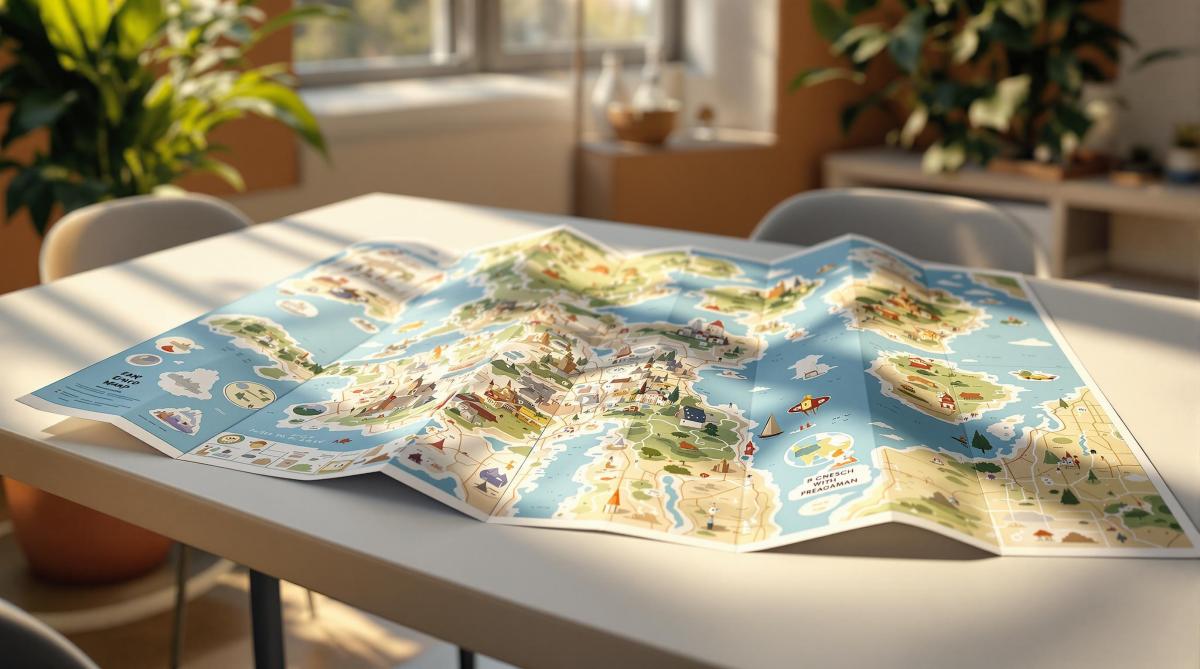

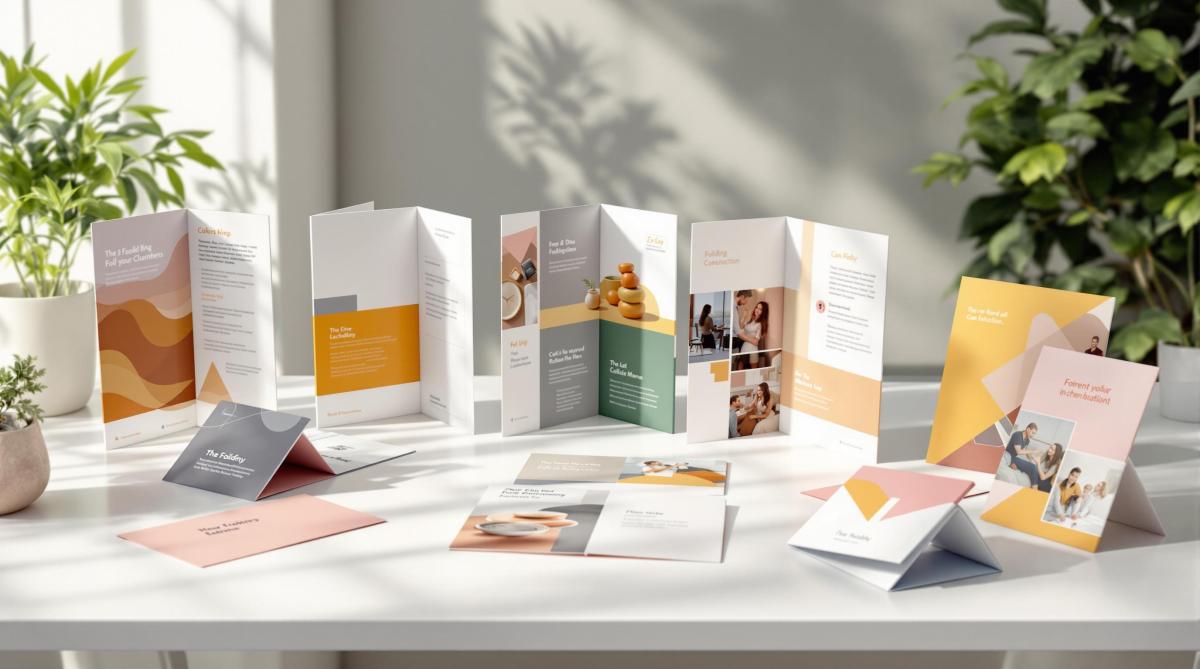

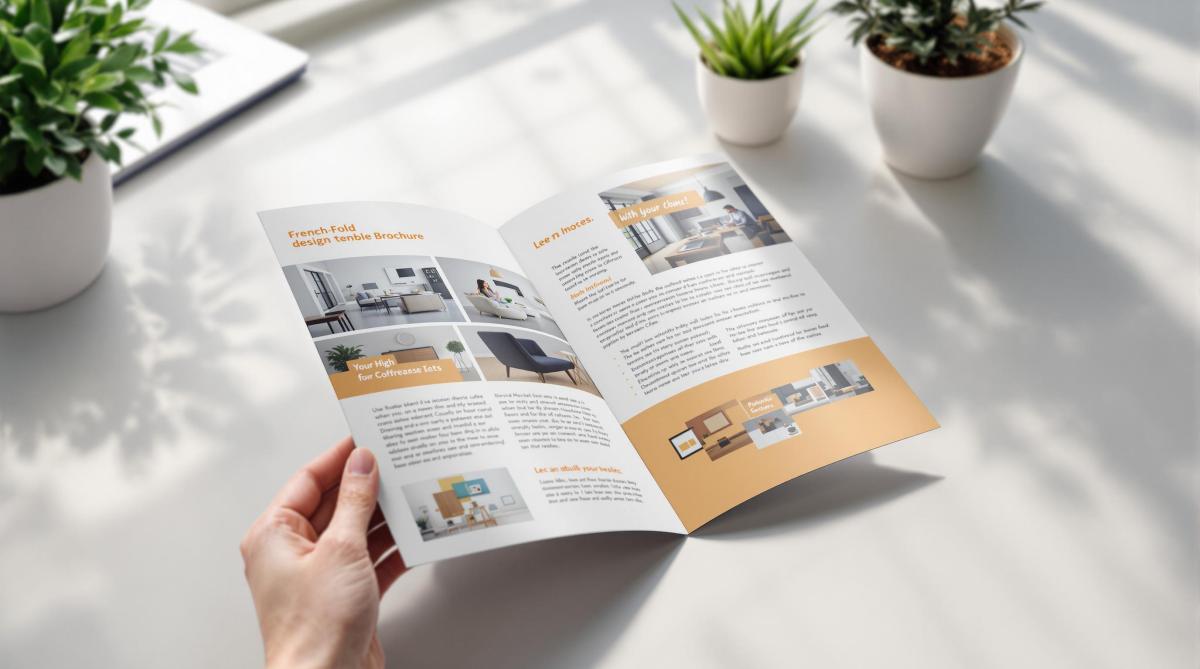
 BergenCountyPrintersBlogs